---
title: "Решение Палаты Лордов Великобритании от 08.02.1990 N [1990] 2 AC 605"
number: "[1990] 2 AC 605"
issued_on: 1990-02-08
status: действует
canonical: "https://bukva.ai/docs/reshenie-1990-2-ac-605"
---
## Решение Палаты Лордов Великобритании от 08.02.1990 N [1990] 2 AC 605
# Решение Палаты Лордов Великобритании от 08.02.1990 N [1990] 2 AC 605
"Капаро Индастриз ПЛС." (ответчики) против "Дикмэн" и другие (апеллянты)" [рус., англ.]
**ПАЛАТА ЛОРДОВ**
**АПЕЛЛЯЦИОННАЯ ИНСТАНЦИЯ**
**"КАПАРО ИНДАСТРИЗ ПЛС." (ОТВЕТЧИКИ)**
**ПРОТИВ "ДИКМЭН" И ДРУГИЕ (АПЕЛЛЯНТЫ)**
**(16, 20, 22, 23, 27, 28 ноября 1989 года;**
**8 февраля 1990 года)**
Сфера: деликтное право
Аннотация: Ответчики, компания Touche Ross & Co., были аудиторами компании Fidelity Plc., акции которой котировались на Лондонской фондовой бирже. На общем собрании акционеров компании Fidelity Plc. был оглашен отчет аудиторов, основываясь на котором компания Caparo Industries Plc. начала скупать акции Fidelity Plc. В иске к Touche Ross & Co., по которому подана апелляция, Caparo Industries Plc. утверждает, что покупка акций, имевшая место после 12 июня 1984 года, и последующее предложение были сделаны, опираясь на отчетность, и что эта отчетность была неточной и вводящей в заблуждение в ряде аспектов, в частности, в переоценке акций и занижении послепродажных кредитов, в результате чего кажущаяся прибыль должна была быть фактически показана как убыток в размере более 400 000 фунтов стерлингов. Палата Лордов, разрешая данный спор, пришла к выводу, что для того, чтобы ответчик был обязан заботиться о другом лице в рамках деликта из небрежности, должны быть выполнены следующие критерии: должно быть разумно установлено, что действия ответчика повлекли вред для истца; между сторонами спора должна быть достаточная степень близости; возложение ответственности должно быть честным, справедливым и разумным.
Ключевые слова: ответственность аудитора перед неограниченным кругом лиц, деликт из небрежности, деликтное право.
**ПАЛАТА ЛОРДОВ**
**АПЕЛЛЯЦИОННАЯ ИНСТАНЦИЯ**
**"КАПАРО ИНДАСТРИЗ ПЛС." (ОТВЕТЧИКИ)**
**ПРОТИВ "ДИКМЭН" И ДРУГИЕ (АПЕЛЛЯНТЫ)**
**(16, 20, 22, 23, 27, 28 ноября 1989 года;**
**8 февраля 1990 года)**
Лорд Бридж из Хариджа, Лорд Роскилл, Лорд Акнер, Лорд Оливер
из Эйлмертона и Лорд Джонси из Тулличеттла
Их Светлости потребовалось время для рассмотрения.
**8 февраля 1990 года.**
ЛОРД БРИДЖ ХАРВИЧСКИЙ.
Милорды, апеллянты - известная фирма дипломированных бухгалтеров. Во все периоды, существенные для данной апелляции, они были аудиторами публичной компании с ограниченной ответственностью Fidelity Plc. ("Fidelity"), которая занималась производством и продажей электрооборудования различных видов и чьи акции котировались на Лондонской фондовой бирже. 22 мая 1984 года директора Fidelity объявили результаты за год, закончившийся 31 марта 1984 года. Они показали, что прибыль за год оказалась значительно ниже прогнозируемой, что привело к резкому падению котировочной цены акций, которая 1 марта 1984 года составляла 143 пенса за акцию, а к началу июня 1984 года упала до 63 пенсов. Отчетность Fidelity за год до 31 марта 1984 года была проверена апеллянтами и утверждена директорами за день до объявления результатов. 12 июня 1984 года они были разосланы акционерам вместе с уведомлением о ежегодном общем собрании, которое состоялось 4 июля 1984 года и на котором был зачитан отчет аудитора и утверждены отчеты.
После объявления результата ответчики Caparo Industries Plc. ("Caparo") начали приобретать акции Fidelity на рынке. 8 июня 1984 года они приобрели 100 000 акций, но они не были зарегистрированы в качестве членов Fidelity до 12 июня 1984 года, когда акционерам были разосланы счета, хотя они были зарегистрированы в отношении по крайней мере некоторых из приобретенных ими акций к дате ежегодного общего собрания, на котором они не присутствовали. 12 июня 1984 года они приобрели еще 50 000 акций и к 6 июля 1984 года увеличили свою долю в Fidelity до 29,9 процента от выпущенного капитала. 4 сентября 1984 года они сделали предложение о приобретении оставшейся части акций по цене 120 пенсов за акцию; 24 сентября 1984 года это предложение было увеличено до 125 пенсов за акцию. Предложение было объявлено безоговорочным 23 октября 1984 года, а два дня спустя компания Caparo объявила, что приобрела 91,8 процента выпущенных акций и предложила приобрести остаток принудительно, что впоследствии и было сделано.
В иске, по которому подана апелляция, компания Caparo утверждает, что покупка акций, имевшая место после 12 июня 1984 года, и последующее предложение были сделаны, опираясь на отчетность, и что эта отчетность была неточной и вводящей в заблуждение в ряде аспектов, в частности, в переоценке акций и занижении послепродажных кредитов, в результате чего кажущаяся прибыль до налогообложения в размере около 1,3 млн. фунтов стерлингов должна была быть фактически показана как убыток в размере более 400 000 фунтов стерлингов. Если бы истинные факты были известны, утверждается, что Caparo не сделала бы предложение по уплаченной цене или вообще. Соответственно, 24 июля 1985 года Caparo начал судебное разбирательство против двух лиц, которые были директорами на тот момент, утверждая, что переоценка была произведена мошенническим путем, и против апеллянтов, утверждая, что они проявили небрежность, подтвердив, как они это сделали, что отчеты отражают истинное и справедливое представление о положении Fidelity на дату, к которой они относятся. Суть обвинения против апеллянтов изложена в пункте 16 искового заявления, который звучит следующим образом:
"Touche Ross, как аудиторы Fidelity, выполнявшие свои функции аудиторов и сертифицированных бухгалтеров в апреле и мае 1984 года, были обязаны проявить заботу об инвесторах и потенциальных инвесторах, и в частности о Caparo, в отношении аудита и сертификации отчетности. В подтверждение этой обязанности Caparo будет ссылаться на следующие факты: (1) Touche Ross знала или должна была знать, (а) что в начале марта 1984 года был выпущен пресс-релиз, в котором говорилось, что прибыль за финансовый год будет значительно ниже 2,2 млн. фунтов стерлингов, (б) что цена акций Fidelity упала со 143 пенсов за акцию 1 марта 1984 года до 75 пенсов за акцию 2 апреля 1984 года, (в) что Fidelity нуждалась в финансовой помощи. (2) Таким образом, Touche Ross должна была предвидеть, что Fidelity уязвима для предложения о поглощении и что такие лица, как Caparo, вполне могут полагаться на отчетность для принятия решения о поглощении Fidelity и при этом вполне могут понести убытки, если отчетность окажется неточной".
6 июля 1987 года сэр Нил Лоусон, будучи судьей, вынес постановление о рассмотрении предварительного вопроса следующим образом:
"Были ли на основании фактов, изложенных в пунктах 4 и 6 и в подпунктах (1) и (2) пункта 16 настоящего искового заявления, третьи ответчики, Touche Ross & Co., обязаны проявить заботу об истцах, Caparo Industries Plc., (a) как о потенциальных инвесторах в Fidelity Plc.; или (b) как об акционерах Fidelity Plc. с 8 июня 1984 года и/или с 12 июня 1984 года; в отношении аудита отчетов Fidelity Plc. за год, закончившийся 31 марта 1984 года, опубликованных 12 июня 1984 года".
Пункты 4 и 6 искового заявления - это те пункты, в которых изложены покупки акций компанией Caparo, о которых я упоминал, и в которых утверждается, что покупки, сделанные после 12 июня 1984 года, были сделаны в расчете на информацию, содержащуюся в отчетности. Однако здесь необходимо сделать одну поправку. В пункте 4 утверждается, что отчеты были выданы 12 июня 1984 года "акционерам, включая Caparo", но сейчас признается, что на эту дату Caparo, хотя и был покупателем акций, не был зарегистрирован в качестве акционера в реестре акционеров Fidelity.
В ходе рассмотрения этого предварительного вопроса сэр Нил Лоусон, заседавший в качестве судьи Судебной коллегии королевской скамьи [1988] B.C.L.C. 387, постановил, (i) что апеллянты не несли никаких обязанностей по общему праву перед Caparo как инвесторами и (ii) что, хотя аудиторы могут нести установленные законом обязанности перед акционерами как коллективом, не существует обязанностей по общему праву перед отдельными акционерами, которые позволили бы отдельному акционеру возместить убытки, понесенные им в результате действий, основанных на аудиторской отчетности.
Caparo подала апелляцию в Апелляционный суд [1989] Q.B. 653, который большинством голосов (О'Коннор Л.Дж. не согласен) удовлетворил апелляцию, постановив, что, хотя между аудитором и потенциальным инвестором не существует отношений, достаточно близких для возникновения обязанности заботиться по общему праву, такие отношения существуют с отдельными акционерами, так что отдельный акционер, который понес убытки, полагаясь на небрежно подготовленную отчетность, будь то продажа или сохранение своих акций или покупка дополнительных акций, имеет право на возмещение ущерба из деликта. На основании этого решения апеллянты подали апелляцию в Палату Лордов с разрешения Апелляционного суда, а ответчики подали встречную апелляцию на отклонение Апелляционным судом их иска о том, что апеллянты должны были проявить заботу о них как о потенциальных инвесторах.
При определении существования и объема обязанности заботиться, которую одно лицо может нести перед другим в бесконечно разнообразных обстоятельствах человеческих отношений, долгое время существовало напряжение между двумя различными подходами. Традиционно закон находит существование обязанности в различных конкретных ситуациях, каждая из которых имеет свои особенности. Таким образом, закон выделил широкий спектр ситуаций, подпадающих под действие деликта из небрежности, но достаточно разных, чтобы потребовать отдельного определения основных элементов состава правонарушения, по которым должно быть признано существование обязанности. Комментируя результаты этого традиционного подхода, Лорд Аткин в своей основополагающей речи в деле Donoghue v. Stevenson [1932] AC 562, 579 - 580, заметил:
"В результате суды занялись тщательной классификацией обязанностей, существующих в отношении имущества, как реального, так и персонального, с дальнейшим делением на владение, пользование или контроль, и различиями, основанными на конкретных отношениях одной или другой стороны, будь то производитель, продавец или арендодатель, клиент, арендатор, посторонний и так далее. Таким образом, в любой момент можно установить, признает ли закон ту или иную обязанность, но только в том случае, если дело можно отнести к определенной категории, которая была изучена и классифицирована. И все же обязанность, которая является общей для всех случаев установления ответственности, логически должна быть основана на каком-то элементе, общем для случаев, где она признается существующей".
Именно последнее предложение означает введение более современного подхода к поиску единого общего принципа, который может быть применен во всех обстоятельствах для определения существования обязанности заботиться. Тем не менее, Лорд Аткин сам произносит соответствующую ноту осторожности, добавляя, стр. 580:
"Искать полное логическое определение общего принципа - значит, вероятно, выходить за рамки функции судьи, поскольку чем более общее определение, тем больше вероятность того, что в нем будут упущены существенные моменты или введены несущественные".
Лорд Рид придал большой импульс современному подходу в деле Dorset Yacht Co. Ltd. v. Home Office [1970] AC 1004, 1026 - 1027, где он сказал:
"В последующие годы наметилась устойчивая тенденция рассматривать право небрежности как зависящее от принципа, так что при появлении нового вопроса следует спрашивать не о том, охватывается ли он прецедентами, а о том, применимы ли к нему признанные принципы. Дело Donoghue v. Stevenson [1932] AC 562 можно рассматривать как веху, а хорошо известный отрывок из речи Лорда Аткина, я думаю, следует рассматривать как изложение принципа. К нему не следует относиться так, как если бы это было законодательное определение. Оно потребует уточнения в новых обстоятельствах. Но я думаю, что настало время, когда мы можем и должны сказать, что оно должно применяться, если нет какого-либо обоснования или веского объяснения для его исключения".
Наиболее полно попытка сформулировать единый общий принцип представлена в известном отрывке из речи Лорда Уилберфорса в деле Anns v. Merton London Borough Council [1978] AC 728, 751 - 752:
"Через трилогию дел, рассмотренных в этой Палате - Donoghue v. Stevenson [1932] AC 562, Hedley Byrne & Co. Ltd. v. Heller & Partners Ltd. [1964] AC 465, и Dorset Yacht Co. Ltd. v. Home Office [1970] AC 1004, в настоящее время достигнута позиция, согласно которой для того, чтобы установить, что обязанность заботиться возникает в конкретной ситуации, нет необходимости подводить факты этой ситуации под те, что были в предыдущих ситуациях, в которых обязанность заботиться была признана существующей. Скорее, вопрос должен решаться в два этапа. Во-первых, необходимо выяснить, существуют ли между предполагаемым правонарушителем и лицом, которому причинен ущерб, достаточные отношения близости или соседства, такие, что, по разумному мнению первого, небрежность с его стороны может привести к ущербу для второго - в этом случае возникает обязанность prima facie проявлять заботу. Во-вторых, если на первый вопрос дан утвердительный ответ, необходимо рассмотреть, существуют ли какие-либо соображения, которые должны отрицать, уменьшать или ограничивать объем обязанности или класс лиц, которым она причитается, или ущерб, к которому может привести ее нарушение: см. дело Dorset Yacht [1970] AC 1004 с Лордом Рейдом на стр. 1027".
Но после дела Эннса ряд решений Тайного совета и Палаты Лордов, особенно в решениях и выступлениях Лорда Кита из Кинкеля, подчеркивали неспособность какого-либо одного общего принципа обеспечить практический тест, который может быть применен к каждой ситуации для определения того, существует ли обязанность заботиться, и если да, то каков ее объем: см. Governors of Peabody Donation Fund v. Sir Lindsay Parkinson & Co. Ltd. [1985] AC 210, 239f - 241c; Yuen Kun Yeu v. Attorney-General of Hong Kong [1988] A.C. 175, 190e - 194f; Rowling v. Takaro Properties Ltd. [1988] AC 473, 501d - g; Hill v. Chief Constable of West Yorkshire [1989] AC 53, 60b - d. Из этого следует, что, помимо предсказуемости ущерба, необходимыми составляющими любой ситуации, приводящей к возникновению обязанности заботиться, являются наличие между стороной, несущей обязанность, и стороной, которой она причитается, отношений, характеризуемых законом как "близость" или "соседство", и ситуация должна быть такой, в которой суд считает справедливым, честным и разумным, что закон должен налагать на одну сторону обязанность определенного объема в интересах другой стороны. Однако из приведенных отрывков следует, что понятия близости и справедливости, воплощенные в этих дополнительных элементах состава правонарушения, не поддаются такому точному определению, которое было бы необходимо для их использования в качестве практических критериев, а по сути являются не более чем удобными ярлыками для наклеивания на характеристики различных конкретных ситуаций, которые при детальном рассмотрении всех обстоятельств закон прагматично признает как порождающие обязанность заботиться в определенном объеме. Признавая, конечно, важность основных общих принципов, общих для всей сферы небрежности, я думаю, что закон сейчас движется в направлении придания большего значения более традиционной классификации отдельных и узнаваемых ситуаций как руководства к существованию, объему и пределам разнообразных обязанностей по заботе, которые налагает закон. Теперь, я думаю, мы должны признать мудрость слов Бреннана Дж. в Высоком суде Австралии в деле Sutherland Shire Council v. Heyman (1985) 60 A.L.R. 1, 43 - 44, где он сказал:
"На мой взгляд, предпочтительнее, чтобы закон развивал новые категории небрежности постепенно и по аналогии с установленными категориями, а не путем массового расширения обязанности заботиться prima facie, сдерживаемой только неопределенными "соображениями, которые должны отрицательно повлиять, уменьшить или ограничить объем обязанности или категорию лиц, которым она причитается".
Одно из наиболее важных различий, которое всегда необходимо соблюдать, заключается в принципиально разном подходе закона к различным видам ущерба, который одна сторона может понести в результате действий или бездействия другой. Одно дело - обязанность заботиться о том, чтобы избежать причинения вреда личности или имуществу других лиц. Совсем другое - избегать причинения другим чисто экономических убытков. Наглядная иллюстрация этого различия воплощена в предложении о том, что:
"В случае причинения вреда движимому имуществу общее право не признает лицо, единственным правом которого является право по договору на использование или услуги движимого имущества для целей получения прибыли или выгоды без владения или собственности на движимое имущество. Такое лицо не может требовать возмещения ущерба, причиненного его праву из договора:" см. Elliott Steam Tug Co. Ltd. v. Shipping Controller [1922] 1 K.B. 127, 139 per Scrutton L.J.
Это предложение вытекает из дела Cattle v. Stockton Waterworks Co. (1875) L.R. 10 Q.B. 453. Недавно оно было подтверждено в делах Candlewood Navigation Corporation Ltd. v. Mitsui O.S.K. Lines Ltd. [1986] AC 1 и Leigh & Sillavan Ltd. v. Aliakmon Shipping Co. Ltd. [1986] AC 785. В первом случае Лорд Фрейзер из Таллибелтона, оглашая решение Тайного совета, сказал, стр. 25:
"Их Светлости считают, что на ответственность правонарушителя перед теми, кто понес экономический ущерб в результате его небрежности, должен быть наложен некий предел или механизм контроля. Необходимость такого ограничения неоднократно утверждалась в делах, начиная с дела Cattle's, L.R. 10 Q.B. 453, до Caltex [Oil (Australia) Pty. Ltd. v. Dredge "Willemstad" (1976)], 136 C.L.R. 529, и их Светлости не известно, что когда-либо в судебном порядке высказывалось мнение об обратном".
Ущерб, который может быть причинен небрежно сказанным или написанным словом, обычно сводится к экономическим потерям, понесенным теми, кто полагается на точность полученной информации или совета как на основание для действий. Вопрос о том, какую обязанность, если таковая имеется, несет лицо, делающее заявление, проявлять должную осторожность для обеспечения его точности, возникает, как правило, в отношении заявлений, сделанных лицом при исполнении своих профессиональных обязанностей. Консультируя нанявшего его клиента, профессионал обязан проявлять ту степень мастерства и осторожности, которая соответствует его профессиональному статусу, и будет нести ответственность как по договору, так и по деликту за все убытки, которые его клиент может понести в результате нарушения этой обязанности. Однако возможность возникновения обязанности заботиться о третьих лицах, с которыми профессионал не состоит в договорных отношениях, долгое время отрицалась из-за неверного поворота, сделанного законом в деле Le Lievre v. Gould [1893] 1 QB 491 при отмене Cann v. Willson (1888) 39 Ch D. 39. В деле Candler v. Crane, Christmas & Co. [1951] 2 K.B. 164, Denning L.J. в своем несогласном решении суд предпринял смелую попытку исправить ошибку. Но только после решения Палаты Лордов по делу Hedley Byrne & Co. Ltd. v. Heller & Partners Ltd. [1964] AC 465, закон вновь встал на правильный путь.
В соответствии с традиционным подходом, именно на эти прецеденты и последующие решения, имеющие непосредственное отношение к этому относительно узкому уголку области, мы должны обратить внимание, чтобы определить основные признаки ситуации, порождающей, независимо от каких-либо договорных или фидуциарных отношений, обязанность одной стороны заботиться о том, чтобы обеспечить точность любого заявления, которое делает одна сторона и на которое другая сторона может предвидимо полагаться при расчете своего экономического ущерба.
В деле Cann v. Willson, 39 Ch D. 39 залогодержатели выдали деньги, полагаясь на оценку заложенного имущества, предоставленную им оценщиком, нанятым залогодателем. В случае невыполнения залогодателем своих обязательств, имущество, которое было небрежно недооценено, оказалось недостаточным для покрытия суммы займа. Залогодержатели взыскали свои убытки с оценщика. В своем решении Читти Дж. сказал, на стр. 42 - 43:
"В данном случае документ, называемый оценкой, был направлен ответчиками непосредственно агентам истца с целью побудить истца и его содоверителя выложить трастовые деньги под залог. Мне кажется, что ответчики сознательно поставили себя в такое положение, и с точки зрения закона у них возникла обязанность по отношению к нему проявить разумную осторожность при подготовке документа, называемого оценкой".
В деле Candler v. Crane, Christmas & Co. Ltd. [1951] 2 K.B. 164 истец вложил деньги в компанию с ограниченной ответственностью, полагаясь на отчеты компании, подготовленные бухгалтерами компании по просьбе управляющего директора, которые были показаны истцу и обсуждены с ним бухгалтерами, зная, что он заинтересован в компании как потенциальный инвестор. Отчетность была неточной и вводящей в заблуждение, и истец, инвестировав в компанию, полагаясь на нее, потерял свои деньги. Деннинг Л.Дж. в своем несогласном решении счел, что истец имеет право на возмещение ущерба из-за небрежности бухгалтеров.
В деле Hedley Byrne & Co. Ltd. v. Heller & Partners Ltd. [1964] AC 465 банкиров спросили о финансовой стабильности клиента банка. Они дали положительную рекомендацию, хотя и с отказом от ответственности. Обстоятельства запроса дали банкирам понять, что сторона, от имени которой был сделан запрос, хотела знать, могут ли они безопасно предоставить кредит клиенту банка на значительную сумму. Действуя на основании полученной информации, истцы предоставили кредит клиенту банка, который со временем допустил дефолт. Хотя Палата Лордов постановила, что банкиры были защищены отказом от ответственности, это дело дало возможность пересмотреть законодательство, что привело к восстановлению Cann v. Willson, отмене решения большинства в деле Candler и одобрению несогласного с большинством решения Denning L.J. в этом деле.
Самым последним решением Палаты, которое очень подходит к данному вопросу, является решение по двум рассмотренным вместе апелляциям Smith v. Eric S. Bush and Harris v. Wyre Forest District Council [1990] 1 AC 831. Истцы в обоих случаях были покупателями домов, которые приобрели их, полагаясь на оценку недвижимости, произведенную профессиональными оценщиками имущества, действующими от имени и по поручению залогодержателей, предложивших авансировать деньги истцам, чтобы они могли осуществить покупку. В обоих случаях гонорар оценщикам был оплачен истцами, и в обоих случаях выяснилось, что осмотр и оценка были проведены небрежно, и что недвижимость имела серьезные дефекты, в результате чего истцы понесли финансовые потери. В деле Smith залогодержателем было строительное общество, оценщики, проводившие осмотр и оценку, были фирмой, нанятой строительным обществом, и их отчет был показан истцу. В деле Harris залогодержателями были местные власти, которые наняли своего сотрудника для проведения осмотра и оценки. Его отчет не был показан истцу, но истец справедливо предположил из предложения местных властей о предоставлении ипотечного кредита, что недвижимость была профессионально оценена как стоящая, по крайней мере, суммы кредита. В обоих случаях условия, согласованные между истцом и залогодержателем, предполагали исключение любой ответственности залогодержателя или оценщика имущества за точность ипотечной оценки. Палата Лордов постановила, что в обоих случаях оценщик, проводивший осмотр и оценку, был обязан проявить заботу о покупателе дома-истца, и что пункты договора, исключающие ответственность, были отменены в соответствии с разделом 2(2) и разделом 11(3) Закона о несправедливых условиях договора 1977 года.
Главная особенность всех этих дел заключается в том, что ответчик, дающий консультацию или информацию, был полностью осведомлен о характере сделки, которую планировал заключить истец, знал, что консультация или информация будут сообщены ему прямо или косвенно, и знал, что весьма вероятно, что истец будет полагаться на эти консультацию или информацию при принятии решения о совершении или не совершении планируемой сделки. В этих обстоятельствах от ответчика, безусловно, можно было ожидать, с учетом эффекта любого отказа от ответственности, конкретного предвидения того, что истец будет полагаться на консультацию или информацию, предоставленную ответчиком, именно с той целью, с которой он в конечном итоге полагался на них. Также и истец, опять же с учетом эффекта любого отказа от ответственности, в этой ситуации мог бы разумно предположить, что он вправе полагаться на консультацию или информацию, сообщенные ему именно с той целью, для которой он в них и нуждался. Ситуация совершенно иная, когда заявление попадает в более или менее общее обращение и может быть предвидимо использовано незнакомыми с составителем заявления лицами в любой из множества различных целей, которые составитель заявления не может предвидеть. Если считать, что составитель заявления обязан проявлять заботу о точности заявления по отношению ко всем и каждому для любой цели, для которой они могут решить положиться на него, то это не только подвергает его, по классическому выражению Кардозо К.Дж., "ответственности в неопределенном размере в течение неопределенного времени перед неопределенным кругом лиц": см. Touche (1931) 174 N.E. 441, 444; это также наделяет весь мир совершенно необоснованным правом использовать в своих собственных целях преимущества экспертных знаний или профессиональных знаний, приписываемых составителю заявления. Следовательно, рассматривая только обстоятельства этих решенных дел, в которых обязанность заботы в отношении небрежных заявлений была признана существующей, я должен ожидать, что "ограничение или механизм контроля... наложенные на ответственность правонарушителя перед теми, кто понес экономический ущерб в результате его небрежности" *Примечание докладчика Candlewood Navigation Corporation Ltd v. Mitsui OSKLines Ltd. [1986] AC 1, 25* заключается в необходимости доказать, в данной категории деликта из небрежности, как существенный компонент "близости" между истцом и ответчиком, и что ответчик знал, что его заявление будет передано истцу, либо как частному лицу, либо как члену идентифицируемого круга лиц, конкретно в связи с определенной сделкой или сделками определенного рода (например, в проспекте, приглашающем к инвестированию), и что истец с большой вероятностью будет полагаться на него для принятия решения о заключении или не заключении этой сделки или сделки такого рода.
Я считаю, что это ожидание полностью поддерживается несогласным решением Деннинга Л.Дж. в деле Candler v. Crane, Christmas & Co. [1951] 2 K.B. 164, 179, 180 - 181, 182 - 184 в следующих отрывках:
"Позвольте мне теперь быть конструктивным и предложить обстоятельства, при которых я утверждаю, что обязанность проявлять осторожность в высказываниях существует помимо договора об этом. Во-первых, на каких лиц распространяется такая обязанность? Мой ответ - это те лица, такие как бухгалтеры, сюрвейеры, оценщики и аналитики, чьей профессией и занятием является изучение книг, счетов и других вещей, а также составление отчетов, на которые другие люди, кроме их клиентов, полагаются в ходе обычной деятельности".
"Во-вторых, перед кем эти профессиональные люди обязаны выполнять этот долг? Я возьму бухгалтеров, но те же самые рассуждения применимы и к другим. Они обязаны, конечно, своему работодателю или клиенту; а также, я думаю, любому третьему лицу, которому они сами показывают отчетность или знают, что их работодатель собирается показать отчетность, чтобы побудить его инвестировать деньги или предпринять какие-либо другие действия на их основе. Но я не думаю, что обязанность может быть расширена еще больше, чтобы включить незнакомых людей, о которых они ничего не слышали и которым их работодатель без их ведома может решить показать отчетность. Как только бухгалтеры передали свои счета работодателю, они, как правило, не несут ответственности за то, что он делает с ними без их ведома или согласия... Критерием близости в таких случаях является следующее: знали ли бухгалтеры, что отчеты должны быть переданы истцу и использованы им?"
"В-третьих, на какие транзакции распространяется обязанность заботиться? Я думаю, что она распространяется только на те транзакции, для которых бухгалтеры знали, что их отчетность необходима. Например, в данном деле она распространяется на первоначальные инвестиции в размере 2000 фунтов стерлингов, которые истец сделал, полагаясь на отчетность, поскольку бухгалтеры знали, что отчетность была необходима для его руководства при осуществлении этих инвестиций; но она не распространяется на последующие 200 фунтов стерлингов, которые он сделал после того, как проработал в компании два месяца. Это различие, что обязанность распространяется только на ту сделку, о которой думали в то время, подразумевается в решенных делах... Следует заметить, что я ограничил обязанность случаями, когда бухгалтер готовит свои счета и составляет свой отчет для руководства именно того лица, о котором идет речь в данной сделке. Этого достаточно для решения данного дела. Я прекрасно понимаю, что было бы слишком далеко заходить, если бы бухгалтер нес ответственность перед любым лицом в стране, которое решит положиться на отчетность в вопросах бизнеса, поскольку это подвергло бы его "ответственности в неопределенном размере в течение неопределенного времени перед неопределенным классом": см. дело Ultramares Corporation v. Touche, per Cardozo C.J. Будет ли он нести ответственность, если он подготовил свои счета для руководства определенной категории лиц в определенной категории сделок, я не могу сказать. Я бы подумал, что он может нести ответственность, так же как аналитик и инспектор по лифтам несут ответственность в случаях, которые я приводил ранее. Возможно, стоит упомянуть, что парламент вмешался, чтобы сделать специалиста ответственным за небрежные отчеты, предоставленные для целей проспекта эмиссии: см. разделы 40 и 43 Закона о компаниях 1948 года. Это случай ответственности за отчеты, составленные для руководства определенной категории лиц - инвесторов, в определенной категории сделок - претендующих на акции. Этот закон не помогает, так или иначе, показать, к какому результату пришло бы общее право в отсутствие таких положений; но он показывает, к какому результату оно должно было бы прийти. Мой вывод заключается в том, что обязанность проявлять осторожность при подаче заявления признается английским правом, и что ее признание не создает никаких опасных прецедентов, если помнить, что она ограничена в отношении лиц, которыми и перед которыми она обязана, и сделок, к которым она применяется."
Мне кажется, что этот мастерский анализ, если можно так выразиться с уважением, не требует особых дополнений или изменений в свете других прецедентов, и особенно хорошо указывает путь к правильному заключению в настоящей апелляции.
В некоторых выступлениях по делу Hedley Byrne обязанность проявлять заботу в отношении небрежных утверждений выводится из добровольного принятия на себя ответственности лицом, утверждающем что-то. В своей речи в деле Smith v. Eric S. Bush [1990] 1 AC 831, 862 Лорд Гриффитс решительно отверг мнение о том, что это истинное основание ответственности, и заключил, что:
"Фраза "принятие ответственности" может иметь реальное значение только в том случае, если она понимается как ссылка на обстоятельства, при которых закон будет считать, что лицо, сделавшее заявление, приняло на себя ответственность перед лицом, которое действует на основании консультации".
Я не думаю, что в контексте данной апелляции что-то зависит от разницы между этими двумя подходами.
Эти соображения вполне оправдывают вывод о том, что аудиторы публичной компании не обязаны проявлять заботу по отношению к представителям широкой общественности, которые полагаются на отчетность аудиторов при принятии решения о покупке акций компании. Если обязанность проявлять заботу столь широко, трудно понять причину, по которой она не должна в равной степени распространяться на всех, кто полагается на отчетность в отношении других сделок с компанией в качестве кредиторов или торговых партнеров, предоставляющих компании кредит. Утверждение о том, что аудиторы несут такую обязанность перед банком, предоставляющим кредит компании, было решительно и убедительно отвергнуто Миллеттом в деле Al Saudi Banque v. Clarke Pixley [1990] Ch. 313. Единственное подтверждение неограниченной обязанности аудиторов проявлять заботу о точности своих отчетов перед всеми, кто может предвидеть, что на них можно положиться, можно найти в некоторых юрисдикциях Соединенных Штатов Америки, где существуют значительные различия в законодательстве разных штатов. В этой юрисдикции я не сомневаюсь, что создание такой неограниченной обязанности было бы законодательным шагом, который должен был бы сделать парламент, а не суды.
Основные доводы Caparo заключаются в том, что необходимая близость между ней и апеллянтами, приводящая к возникновению обязанности заботиться, вытекает (1) из обстоятельств, указывающих на уязвимость Fidelity перед предложением о поглощении и вытекающей из этого вероятности того, что другая компания, такая как Caparo, будет полагаться на аудиторскую отчетность при решении о выдвижении предложения о покупке контрольного пакета акций, или (2) из того обстоятельства, что Caparo уже была акционером Fidelity, когда она решила инициировать предложение о покупке контрольного пакета акций, полагаясь на отчетность. В связи с первым из этих двух утверждений, Caparo в ходе слушаний ходатайствовала о разрешении внести изменения в пункт 16(2) искового заявления, добавив слова "или, в качестве альтернативы, о высокой вероятности того, что такие лица будут полагаться на отчетность для этой цели".
Дело, которое оказало наибольшую помощь Caparo в поддержку этого утверждения, - Scott Group Ltd. v. McFarlane [1978] 1 N.Z.L.R. 553. В аудиторской консолидированной отчетности новозеландской публичной компании и ее дочерних предприятий активы группы были завышены из-за допущенной бухгалтерской ошибки. Согласно соответствующему законодательству Новой Зеландии, ее отчетность, как и в Англии, была доступна для общественности. Обстоятельства дел группы были таковы, что была высока вероятность того, что она привлечет предложение о поглощении. Истцы успешно сделали такое предложение и, когда была обнаружена бухгалтерская ошибка, потребовали от аудиторов возмещения недостачи в активах. Квиллиам Дж. постановил, что аудиторы не должны были проявлять заботу об истцах. Большинство членов Апелляционного суда Новой Зеландии (Вудхаус и Кук Дж.) решили, что обязанность проявлять заботу возникла в связи с вероятностью того, что компания привлечет предложение о поглощении, а претендент будет полагаться на аудиторскую отчетность, хотя Кук Дж. решил, что недостаток активов ниже ошибочно указанного в отчетности не является убытком, возмещаемым в деликте. Ричмонд П. постановил, что обязанность заботиться не была возложена. Он сказал, на стр. 566:
"Все речи по делу Hedley Byrne, как мне кажется, признают необходимость "особых" отношений: отношений, которые могут рассматриваться как порождающие особую обязанность проявлять осторожность в утверждениях. В каждом конкретном случае вопрос заключается в том, является ли характер отношений таким, что одна сторона может быть признана ответственной перед другой в отношении надежности консультации или информации. Я не думаю, что такие отношения должны быть признаны существующими, если, по крайней мере, утверждающий не знал или не должен был знать, что его консультация или информация будут фактически предоставлены конкретному лицу или категории лиц для целей конкретной сделки или типа сделки и на них будут полагаться. Я хотел бы особо подчеркнуть, что, на мой взгляд, не представляется разумным возлагать ответственность, если лицо, утверждавшее что-то, при всех обстоятельствах, как при подготовке к тому, что он сказал, так и при произнесении утверждения, должно было направить свои мысли и могло направить их на какую-то конкретную и определенную цель, для которой он знал, что на его консультацию или информацию будут полагаться. Во многих ситуациях эта цель будет очевидна. Но на годовую отчетность компании можно полагаться в самых разных случаях и для самых разных целей".
Я согласен с этой аргументацией, которая, как мне кажется, полностью соответствует принципам, вытекающим из прецедентов, на которые я ранее ссылался, и не требует изменения в каком-либо отношении, имеющем значение для настоящих целей, со ссылкой на что-либо, сказанное в этой Палате в деле Smith v. Eric S. Bush [1990] 1 AC 831. В любом случае, мне бы крайне не хотелось считать, что вопрос о том, обязан ли аудитор проявлять заботу об инвесторе, покупающем акции публичной компании, зависит от степени вероятности того, что эти акции окажутся привлекательными либо в целом для претендующего на поглощение, либо по частям для индивидуальных инвесторов. По моему мнению, было бы столь же неправильно возлагать на аудитора обязанность проявлять заботу по отношению к любому, кто может одолжить деньги компании только на том основании, что было предвидимо, что компания с высокой степенью вероятности займет деньги в определенное время в течение года после публикации ее аудиторской отчетности и что кредиторы могут полагаться на эту отчетность при принятии решения о предоставлении кредита. Я готов допустить высокую вероятность предложения о поглощении на основании отчетности, о которой утверждает предлагаемая поправка к исковому заявлению, но я не думаю, что это поможет делу Caparo.
Единственный другой английский прецедент, на который мне необходимо сослаться в данном контексте, это JEB Fasteners Ltd. v. Marks, Bloom & Co. [1981] 3 All E.R. 289, решение первой инстанции Вульфа Дж. Это было другое дело, в котором истцы, сделавшие успешное предложение о поглощении компании, полагаясь на аудиторскую отчетность, которая была подготовлена небрежно, подали иск к аудиторам о возмещении ущерба. Вульф Дж. постановил, что аудиторы должны были проявить заботу о истцах при подготовке отчетности. Он опирался на дело Anns [1978] AC 728 и Scott Group Ltd. v. McFarlane [1978] 1 N.Z.L.R. 553, придя к выводу, что обязанность может быть выведена только из предвидения. По уже указанным причинам я с этим не согласен. Однако вполне возможно, что конкретные факты в деле JEB были достаточными для создания основы, на которой необходимый компонент близости для возникновения обязанности заботиться мог быть выведен из фактического знания аудиторами конкретной цели, для которой истцы намеревались использовать отчетность.
Положение аудиторов по отношению к акционерам публичной компании с ограниченной ответственностью, вытекающее из соответствующих положений Закона о компаниях 1985 года, точно сформулировано в решении Bingham L.J. в Апелляционном суде [1989] Q.B. 653, 680 - 681:
"Участники, или акционеры, компании являются ее владельцами. Но они слишком многочисленны, и в большинстве случаев слишком неквалифицированны, чтобы взять на себя ежедневное управление тем, чем они владеют. Поэтому ответственность за повседневное управление компанией возлагается на директоров. Акционеры, несмотря на их общие полномочия по контролю, в большинстве компаний большую часть времени являются инвесторами и не более того. Но, конечно, было бы неудовлетворительно и открыто для злоупотреблений, если бы акционеры не получали никакого отчета о финансовом управлении своими инвестициями, кроме как от тех, кому это управление было доверено. Поэтому предусмотрено, что компания на общем собрании назначает аудитора (раздел 384 Закона о компаниях 1985 года), в обязанности которого входит изучение и формирование мнения об адекватности бухгалтерских записей и отчетов компании, а также о соответствии между бухгалтерскими записями и отчетами компании и ее счетами: раздел 237. Затем аудитор должен сообщить участникам общества (среди прочего), дает ли, по его мнению, отчетность компании истинное и справедливое представление о ее финансовом положении: раздел 236. При проведении расследования и формировании своего мнения аудитор обязательно работает в тесном контакте с директорами и должностными лицами компании. Он получает свое вознаграждение от компании. Естественно, и по праву, он рассматривает компанию как своего клиента. Но он нанят компанией для того, чтобы использовать свои профессиональные навыки и суждения с целью предоставления акционерам независимого отчета о достоверности отчетности компании и, таким образом, об их инвестициях. Несомненно, он действует антагонистично по отношению к директорам в том смысле, что он назначен акционерами, чтобы быть сдерживающим фактором для них: "In re Kingston Cotton Mill Co. [1896] 1 Ch 6, 11, per Vaughan Williams J. Отчет аудитора должен быть зачитан на общем собрании компании и должен быть открыт для ознакомления любому участнику общества: раздел 241. Он прилагается к отчетности компании и является ее частью: разделы 238(3) и 239. Копия отчетности компании, включая отчет аудитора, должна быть направлена каждому участнику: раздел 240. Любой член компании, даже если он не имеет права на получение копии отчетности, имеет право на получение копии последней отчетности компании по требованию и без взимания платы: раздел 246".
Несомненно, эти положения устанавливают отношения между аудиторами и акционерами компании, на которые акционер вправе рассчитывать для защиты своих интересов. Но решающий вопрос касается степени заинтересованности акционера, которую аудитор обязан защищать. Акционеры компании имеют коллективный интерес в надлежащем управлении компанией, и в той мере, в какой небрежная неспособность аудитора представить точный отчет о состоянии финансов компании лишает акционеров возможности воспользоваться своими полномочиями на общем собрании, чтобы призвать директоров к ответу и добиться исправления ошибок в управлении, акционеры должны иметь право на средства правовой защиты. Но на практике никаких проблем в этом отношении не возникает, поскольку интерес акционеров в надлежащем управлении делами компании неотличим от интереса самой компании, и любые убытки, понесенные акционерами, например, в результате небрежной неспособности аудитора обнаружить и разоблачить нецелевое расходование средств директором компании, будут возмещены путем предъявления иска к аудиторам от имени компании, а не от имени отдельных акционеров.
Мне трудно представить ситуацию, возникающую в реальном мире, в которой отдельный акционер мог бы заявить, что он понес убытки в отношении своего существующего пакета акций, которые связаны с небрежностью аудитора и которые не могут быть возмещены компанией. Но в этой части дела ваши светила были сильно потеснены аргументом, что такой убыток может возникнуть в результате небрежной недооценки активов компании в аудиторском заключении, на которое опирался индивидуальный акционер при принятии решения о продаже своих акций по заниженной стоимости. Далее аргумент выглядит следующим образом. Акционер, как акционер, имеет право полагаться на аудиторский отчет как на основу своего инвестиционного решения о продаже имеющегося у него пакета акций. Если он продает по заниженной стоимости, он имеет право взыскать убытки с аудитора. В законе не может быть различий между инвестиционным решением акционера продать имеющиеся у него акции или купить дополнительные акции. Поэтому следует, что сфера действия обязанности аудитора проявлять заботу по отношению к нему распространяется на любые убытки, понесенные в результате покупки дополнительных акций в расчете на небрежный отчет аудитора.
Несомненно, эти положения устанавливают отношения между аудиторами и акционерами компании, на которые акционер вправе рассчитывать для защиты своих интересов. Но решающий вопрос касается степени заинтересованности акционера, которую аудитор обязан защищать. Акционеры компании имеют коллективный интерес в надлежащем управлении компанией, и в той мере, в какой небрежная неспособность аудитора представить точный отчет о состоянии финансов компании лишает акционеров возможности воспользоваться своими полномочиями на общем собрании, чтобы призвать директоров к ответу и добиться исправления ошибок в управлении, акционеры должны иметь право на средства правовой защиты. Но на практике никаких проблем в этом отношении не возникает, поскольку интерес акционеров в надлежащем управлении делами компании неотличим от интереса самой компании, и любые убытки, понесенные акционерами, например, в результате небрежной неспособности аудитора обнаружить и разоблачить нецелевое расходование средств директором компании, будут возмещены путем предъявления иска к аудиторам от имени компании, а не отдельных акционеров.
Я считаю этот аргумент ошибочным. Если предположить, но не решить, что иск акционера о возмещении убытков, понесенных в результате продажи его акций по заниженной стоимости, связанной с недооценкой активов компании в отчете аудитора, может быть удовлетворен, то это не будет связано с тем, что акционер полагался на отчет аудитора при принятии решения о продаже; убытки будут связаны с обесценивающим эффектом отчета на рыночную стоимость акций до того, как акционер принял решение о продаже. С другой стороны, требование о возмещении убытков, якобы возникших в результате покупки переоцененных акций, может быть обосновано только на основании того, что покупатель полагался на отчет. Таким образом, спекулятивное уравнивание "инвестиционных решений" о продаже или покупке как дающих основания для параллельных исков представляется мне несостоятельным. Более того, убыток в случае продажи будет заключаться в потере части стоимости существующего пакета акций акционера, что, если предположить обязанность заботиться об отдельных акционерах, может разумно входить в сферу обязанностей аудитора по защите. С другой стороны, убыток, возникающий в результате покупки дополнительных акций, является результатом полностью независимой сделки, не связанной с существующим пакетом акций.
**Я считаю, что именно это последнее различие имеет решающее значение и демонстрирует несостоятельность вывода, сделанного большинством судей Апелляционного суда. Никогда недостаточно просто спросить, обязан ли А заботиться о Б. Всегда необходимо определить объем обязанности, ссылаясь на вид ущерба, от котором А должен позаботиться, чтобы уберечь Б от него. "Вопрос всегда заключается в том, был ли ответчик обязан избежать или предотвратить этот ущерб, но фактический характер понесенного ущерба имеет значение для существования и объема любой обязанности избежать или предотвратить его:" см. Sutherland Shire Council v. Heyman, 60 A.L.R. 1, 48, per Brennan J. Если предположить в целях аргументации, что отношения между аудитором компании и отдельными акционерами являются достаточно близкими для возникновения обязанности проявлять заботу, я не понимаю, как объем этой обязанности может выходить за рамки защиты отдельного акционера от потери стоимости акций, которыми он владеет. Как покупатель дополнительных акций, полагающийся на отчет аудитора, он ничем не отличается от любого другого инвестирующего члена общества, перед которым аудитор не несет никаких обязательств.**
ЛОРД РОСКИЛЛ.
Милорды, у меня было преимущество прочитать в черновом варианте речи, подготовленные тремя из Вас. Я согласен с ними и удовлетворяю апелляцию и отклоняю встречную апелляцию по указанным причинам. Я лишь добавляю несколько собственных замечаний из уважения к двум лордам-судьям, с которыми Вы расходитесь, и в связи с важностью этого дела в отношении сложного вопроса о степени ответственности профессиональных специалистов, особенно бухгалтеров, за введение в оборот предположительно неверных заявлений, устных или письменных, которые, как утверждается, были сделаны или подготовлены небрежно, и которые были использованы третьей стороной во вред себе.
То, что ответственность за такую небрежность, если она установлена, может существовать, стало ясно после решения Палаты Лордов по делу Hedley Byrne & Co. v. Heller & Partners Ltd. [1964] AC 465, в котором хорошо известное особое мнение Деннинга Л. Дж. в деле Candler v. Crane, Christmas & Co. [1951] 2 K.B. 164 признало, что закон был изложен правильно. Отныне стало ясно, что такая обязанность заботы может быть возложена профессиональным работником на третьих лиц в случаях, когда между ними нет договорных отношений, - точка зрения закона, которая долгое время отрицалась в результате череды дел конца XIX века, которые эта Палата воспользовалась возможностью не одобрять.
Но последующие попытки определить как обязанность, так и ее сферу действия создали больше проблем, чем было решено в этих решениях. Мои благородные и ученые друзья проследили эволюцию решений от дела Anns v. Merton London Borough Council [1977] A.C. 728 до самого последнего решения Палаты Ваших Светлостей в деле Smith v. Eric S. Bush [1990] 1 AC 831. Я согласен с Вашими Светлостями в том, что сейчас необходимо признать, что не существует простой формулы или ориентира, к которому можно было бы прибегнуть, чтобы в каждом случае дать готовый ответ на вопрос, будет ли закон, учитывая определенные факты, налагать или не налагать ответственность за небрежность, или в случаях, когда можно доказать существование такой ответственности, определить ее размер. Такие фразы, как "предвидимость", "близость", "соседство", "справедливый и разумный", "справедливость", "добровольное принятие риска" или "добровольное принятие ответственности", будут время от времени использоваться в различных делах. Но, как уже говорили Ваши Светлости, такие фразы не являются точными определениями. В лучшем случае это лишь ярлыки или фразы, описывающие очень разные фактические ситуации, которые могут существовать в конкретных случаях и которые должны быть тщательно изучены в каждом случае, прежде чем можно будет прагматично определено, существует ли обязанность заботиться, и если да, то каков объем и степень этой обязанности. Если этот вывод предполагает возврат к традиционной классификации дел как указывающих на существование и объем любой обязанности заботиться, как предлагает мой благородный и ученый друг Лорд Бридж из Хариджа, я думаю, что это бесконечно предпочтительнее, чем прибегать к несколько широким обобщениям, которые оставляют вопросы практического применения сложными и неопределенными. Этот вывод находит сильную поддержку в решении Бреннана Дж. в деле Sutherland Shire Council v. Heyman, 60 A.L.R. 1, 43 - 44 в Высоком суде Австралии в отрывке, процитированном моими благородными и учеными друзьями.
Милорды, я признаюсь, что, как и мой благородный и ученый друг, Лорд Гриффитс, в деле Smith v. Eric S. Bush [1990] 1 AC 831, 862, я нахожу значительные трудности в таких фразах, как "добровольное принятие ответственности", если только они не должны быть объяснены как означающие не более чем существование обстоятельств, при которых закон наложит ответственность на лицо, сделавшее предположительно небрежное заявление, перед лицом, которому это заявление было сделано; в этом случае фраза не помогает определить, при каких обстоятельствах закон наложит эту ответственность или, более того, ее объем. Утверждение о том, что существует практически бессрочная и неограниченная обязанность заботиться о выполнении аудитором своей обязанности по заверению отчетности компании, обязанность, распространяющаяся на любого, кто может использовать эту отчетность для любых целей, таких как инвестирование в компанию или предоставление компании денег в долг, кажется мне несостоятельным. Несомненно, можно сказать, что можно предвидеть, что эти отчеты могут попасть в руки лиц, которые могут использовать их для таких или иных целей и в результате потерять деньги. Но налагать ответственность в таких обстоятельствах - значит, вопреки всем последним прецедентам, считать, что достаточно одной лишь пред-видимости, и игнорировать установленную законом обязанность, которая предписывает подготовку и заверение этих отчетов.
Я считаю, что прежде чем определить существование и объем ответственности, необходимо сначала определить, для каких целей и при каких обстоятельствах предоставляется данная информация. Если потенциальный инвестор или любой "хищник" заказывает отчет, который он будет использовать, и о котором составитель отчета знает, что он будет использовать его в качестве основы для принятия решения о том, инвестировать или нет, делать или не делать ставку, может быть несложно заключить, что если отчет подготовлен небрежно, и в результате на его основе будет принято решение, а затем последуют финансовые потери, ответственность будет возложена на составителя отчета. Однако я осмелюсь повторить предостережение, высказанное моим благородным и ученым другом, Лордом Оливером из Эйлмертона, о том, что, поскольку в различных делах могут проявляться некоторые общие черты, все они обязательно должны иметь одинаковые последствия в отношении ответственности или объема ответственности. Более того, могут быть случаи, когда обстоятельства, при которых был заказан отчет, оправдывают включение и расчет на отказ от ответственности, как это было в деле Hedley Byrne, но в силу последующих законодательных положений не удалось в деле Smith v. Eric S. Bush.
**Милорды, именно по этим причинам, в дополнение к тем, которые привели мои благородные и ученые друзья, я, как уже было сказано, удовлетворяю данную апелляцию и отклоняю встречную апелляцию.**
ЛОРД АКИЕР.
**Милорды, у меня было преимущество прочитать речи [Лорда Бриджа из Харвича](#p100015), [Лорда Роскилла](#p100068), [Лорда Оливера из Эйлмертона](#p100077) и [Лорда Джонси из Тулличеттла](#p100158), и по причинам, которые они приводят, я тоже удовлетворяю эту апелляцию и отклоняю встречную апелляцию.**
ЛОРД ОЛИВЕР ИЗ ЭЙЛМЕРТОНА.
Милорды, данная апелляция, поступившая в Палату по предварительному вопросу, предполагает выдвижение ряда предположений о фактах, которые могут подтвердиться или не подтвердиться в ходе рассмотрения иска. Начнем с того, что против апеллянтов предполагается, что они проявили недостаток разумной осторожности при удостоверении того, что отчетность Fidelity за год, закончившийся 31 марта 1984 года, дает верное и справедливое представление о положении Fidelity. Также следует предположить, что, заверяя отчетность, апеллянты знали или должны были знать, если бы они подумали об этом, что Fidelity уязвима для предложений о поглощении, что потенциальный участник торгов, вероятно, будет полагаться на точность отчетности при составлении своего предложения и что инвесторы на рынке в целом, независимо от того, были ли они членами Fidelity или нет, также, вероятно, будут или вполне могут полагаться на отчетность при принятии решения о покупке акций этой компании.
Однако Ваши Светлости не обязаны и не вправе делать предположения о том, что целью сертификации было что-либо иное, кроме выполнения установленной законом обязанности по проведению ежегодного аудита с целью распространения отчетности среди лиц, являющихся зарегистрированными акционерами или держателями облигаций Fidelity, и последующего представления отчетности на ежегодном общем собрании этой компании.
Таким образом, если и до тех пор, пока цель, с которой был проведен аудит, является релевантным фактором при определении объема любой общей обязанности из деликта апеллянтов перед другими лицами, кроме компании, которая является их непосредственным работодателем, эта цель заключалась в выполнении требований Закона о компаниях 1985 года. Это, в свою очередь, поднимает вопрос - и это вопрос, который лежит на пороге расследования, к которому приглашаются Ваши Светлости - о том, какая цель стоит за законодательным требованием о проведении ежегодного аудита и распространении отчетности. Для чьей защиты были приняты эти положения и какой цели они должны были достичь?
Милорды, основная цель законодательного требования о ежегодной аудиторской проверке отчетности компании почти очевидна. Структура корпоративного коммерческого предприятия, по крайней мере, в случае публичных компаний, чьи акции обращаются на уполномоченной фондовой бирже, включает концепцию более или менее широко распространенного владения акциями, что делает невозможным личное участие каждого отдельного акционера в повседневном управлении предприятием, в результате чего управление обязательно отделяется от собственности. Управление доверено совету директоров, который действует в фидуциарном качестве и подотчетен и сменяем акционерами, которые могут действовать, если они вообще действуют, только коллективно и только через общее собрание. Отсюда вытекают законодательные положения, требующие от совета директоров ежегодного отчета о своей работе на общем собрании акционеров. Это единственный случай в каждом году, когда общее собрание акционеров имеет возможность рассмотреть, критиковать и комментировать ведение советом директоров дел компании, проголосовать по рекомендации директоров относительно дивидендов, одобрить или не одобрить вознаграждение директоров и, если посчитает нужным, сместить и заменить всех или любого из директоров. В функции аудиторов входит обеспечение, насколько это возможно, того, чтобы финансовая информация о делах компании, подготовленная директорами, точно отражала положение компании, чтобы, во-первых, защитить саму компанию от последствий необнаруженных ошибок или, возможно, правонарушений (например, объявление дивидендов из капитала), и, во-вторых, обеспечить акционеров надежной информацией, позволяющей им тщательно проверять ведение дел компании и осуществлять свои коллективные полномочия по вознаграждению, контролю или отстранению тех, кому было доверено ведение дел.
Требование о назначении аудиторов и ежегодном аудите отчетности, которое в настоящее время содержится в разделах 235 - 246 Закона о компаниях 1985 года, было впервые введено Законом о компаниях 1879 года (25 и 26 Vict. c. 76) в отношении компаний, занимающихся банковской деятельностью, и было распространено на компании в целом Законом о компаниях 1900 года. Раздел 23 этого закона требовал, чтобы аудиторы составляли отчет для акционеров по балансовому отчету компании, представленному на общем собрании компании, с указанием того, отражает ли баланс истинное и правильное представление о состоянии дел компании. Согласно тому же разделу, отчет должен был быть зачитан перед общим собранием акционеров. Раздел 19 Закона о компаниях 1907 года заменил новый раздел 23, который, повторяя требование о том, что отчет аудиторов должен быть зачитан перед общим собранием компании, добавил требование о том, что он должен быть открыт для ознакомления любому акционеру, который имел право, заплатив пошлину, получить копию баланса и отчета. Новый раздел также признавал преступлением участие любого должностного лица компании в выпуске, распространении или публикации любой копии бухгалтерского баланса, которая не содержит приложения или ссылки на отчет аудиторов. Этот вопрос был продолжен разделом 130 Закона о компаниях 1929 года (объединяющим положения, содержащиеся в разделах 39 и 41 Закона о компаниях 1928 года), который требовал, чтобы годовой баланс и отчет аудиторов публичной компании рассылались не менее чем за семь дней до даты проведения собрания каждому члену компании, имеющему право на получение уведомления о собрании, и предоставлял любому члену компании и любому держателю облигаций по требованию и без взимания платы копию последнего баланса и отчета аудиторов. Наконец, для соответствующих целей, раздел 158 Закона о компаниях 1948 года требует, чтобы счета и отчет были направлены каждому члену компании и каждому держателю долговых обязательств не менее чем за 21 день до общего собрания, перед которым должны быть представлены счета.
Таким образом, история законодательства представляет собой историю увеличения доступности информации о финансовых делах компании для тех, кто заинтересован в ее прогрессе и стабильности. Нельзя с уверенностью сказать, что целью предоставления такой информации является исключительно помощь тем, кто заинтересован в участии в общих собраниях компании, в информированном наблюдении и оценке руководства директоров компании, поскольку требование о предоставлении аудиторской отчетности, например, владельцам привилегированных акций, не имеющих права голоса на общих собраниях, и держателям облигаций не может быть легко отнесено к какой-либо подобной цели. Тем не менее, я, со своей стороны, не вижу в законодательстве никакого отхода от того, что представляется мне изначальной, центральной и главной целью этих положений, то есть осознанного осуществления заинтересованными в собственности компании лицами, будь то владельцы акций компании или держатели прав, обеспеченных долговым обязательством, таких полномочий, которыми они наделены в силу их соответствующих имущественных интересов.
От имени ответчика утверждается, что в законодательстве следует усмотреть дополнительную или более широкую коммерческую цель, а именно: дать возможность тем, кому адресована и распространена отчетность, принимать обоснованные инвестиционные решения, например, определяя, продавать ли свои акции на рынке или использовать любые средства, которыми они в состоянии распоряжаться индивидуально, для приобретения акций других акционеров. Конечно, предоставление любой информации о бизнесе и делах коммерческой компании, независимо от того, содержится ли она в годовых отчетах или получена из других источников, может служить такой цели точно так же, как она может служить основой для предоставления финансовых консультаций другим лицам, для определения рыночной цены, для определения возможности предоставления кредита компании или для написания финансовых статей в прессе. Действительно, каждый, кто хоть немного задумывается над этим вопросом, легко может предвидеть, что на него в большей или меньшей степени будут полагаться для всех или любой из этих целей. Конечно, не менее предсказуемо, что потенциальные инвесторы, не имеющие имущественного интереса в компании, вполне могут воспользоваться информацией, содержащейся в отчетности компании, опубликованной в газетах или полученной в результате проверки документов, которые должны ежегодно подаваться в Бюро регистрации компаний (которые включают аудиторскую отчетность), при определении того, стоит ли приобретать акции компании. Однако мне трудно поверить, что законодательный орган, принимая положения, явно направленные в первую очередь на защиту компании и ее осознанный контроль со стороны органа собственников, мог также руководствоваться соображениями в отношении широкой общественности и инвесторов на рынке, в частности.
Этот вопрос, я думаю, имеет определенное значение, когда речь идет о наличии существенных отношений между апеллянтами и ответчиком, к которым при любом обсуждении составляющих деликта из небрежности применяется описание "близость", поскольку из ряда решений, принятых в этой Палате, стало ясно, что, по крайней мере, в том, что касается права Соединенного Королевства, обязанность заботиться в деликте зависит не только от наличия существенного элемента - предсказуемого ущерба истцу, но и от его совпадения с другим элементами, к которому был прикреплен ярлык "близость" и который был описан Лордом Аткином в ходе его речи в деле Donoghue v. Stevenson [1932] AC 562, 581 как:
"настолько близкие и прямые отношения, что обжалуемое действие непосредственно затрагивает лицо, о котором лицо, обязанное проявлять заботу, должно знать, что оно будет непосредственно затронуто его небрежным действием".
Однако следует помнить, что Лорд Аткин использовал эти слова в контексте убытков, вызванных физическим ущербом, где наличие связи между небрежным ответчиком и пострадавшим истцом редко может вызвать какие-либо трудности. Если воспользоваться словами Бингхэма Л.Дж. в данном деле [1989] Q.B. 653, 686:
"Достаточно того, что истец случайно оказался (из всего мира) тем человеком, с которым столкнулся ответчик или который купил вредоносное имбирное пиво".
Расширение понятия небрежности после решения Палаты Лордов по делу Hedley Byrne & Co. Ltd. v. Heller & Partners Ltd. [1964] AC 465 на случаи чисто экономических потерь, не являющихся результатом физического ущерба, привело к возникновению значительной и до сих пор не решенной трудности определения. Возможности для причинения материального ущерба в результате несовершенного выполнения повседневных задач, на надлежащее выполнение которых люди полагаются при регулировании своих дел, неограниченны, а последствия далеко идущие. Дефектная бутылка имбирного пива может нанести ущерб одному потребителю, но на этом ущерб не заканчивается. Одно высказывание может повторяться бесконечно с разрешения или без разрешения его автора, и на него могут по-разному полагаться многие разные люди. Таким образом, постулат о простой обязанности избегать любого вреда, который задним числом можно разумно предвидеть, становится несостоятельным без введения некоторых разумных ограничений, чтобы закон о небрежности не выходил за рамки здравого смысла и практичности. Эти пределы были найдены путем требования того, что называется "отношениями близости" между истцом и ответчиком, а также путем введения дополнительного требования, чтобы возложение ответственности за причиненный вред было "справедливым и разумным". Но хотя дела, в которых суды возлагали или не возлагали ответственность, можно приблизительно классифицировать, тщетно искать какой-то общий знаменатель, по которому можно проверить наличие существенных отношений. Действительно, трудно удержаться от вывода, что то, что рассматривалось как три отдельных требования, на самом деле, по крайней мере, в большинстве случаев, является лишь аспектами одного и того же, поскольку в некоторых случаях степень предсказуемости такова, что только на основании этого можно сделать вывод о необходимой близости, в то время как в других случаях отсутствие такой существенной связи может быть рационально объяснено просто мнением суда о том, что привлечение ответчика к ответственности не было бы справедливым и разумным. "Близость", без сомнения, является удобным выражением, если только осознавать, что это не более чем ярлык, который охватывает не определенную концепцию, а просто описание обстоятельств, из которых, с прагматической точки зрения, суды делают вывод о существовании обязанности заботиться.
Конечно, существуют случаи, когда, при любом обычном значении этих слов, отношения близости (в прямом смысле слова "близость") существуют, но закон, признавая факт таких отношений, тем не менее, отказывает пострадавшей стороне в средствах правовой защиты на основании публичного порядка. Rondel v. Worsiey [1969] 1 AC 191 был таким делом, как и дело Hill v. Chief Constable of West Yorkshire [1989] AC 53, что касается альтернативного основания этого решения. Но такие дела не помогают определить те признаки, из которых закон будет выводить существенные отношения (the essential relationship), от которых зависит ответственность, и, со своей стороны, я считаю, что необходимо признать, что искать какую-то одну формулу, которая будет служить общим критерием ответственности, - значит идти по головам. Дело в том, что если отбросить, как это теперь очевидно, концепцию предвидимости вреда как единственного исключительного теста - даже prima facie теста - существования обязанности заботиться, то попытка сформулировать некий общий принцип, который будет определять ответственность в бесконечном разнообразии обстоятельств, служит не прояснению закона, а лишь препятствует его развитию в направлении, соответствующем практичности и здравому смыслу. В деле Sutherland Shire Council v. Heyman, 60 A.L.R. 1, 43 - 44, Бреннан Дж. в ходе глубокого анализа заметил:
"Конечно, если бы предвидимость причинения вреда другому была исчерпывающим критерием обязанности prima facie действовать для предотвращения наступления этого вреда, было бы необходимо ввести какую-то ограничительную квалификацию - возможно, квалификацию такого рода, как указано на втором этапе общего предложения в Anns [1978] AC 728. Я не могу принять такой подход. На мой взгляд, предпочтительнее, чтобы закон развивал новые категории небрежности постепенно и по аналогии с установленными категориями, а не путем массового расширения обязанности заботиться prima facie, сдерживаемой только неопределенными "соображениями, которые должны отрицать, сокращать или ограничивать объем обязанности или класс лиц, которым она причитается".
Тот же подход, я думаю, отражен в этом отрывке из речи Лорда Девлина в деле Hedley Byrne [1964] AC 465, 524 - 525, в котором он рассмотрел влияние дела Donoghue v. Stevenson на факты этого дела и в котором он проанализировал и описал метод, с помощью которого развивается право:
"В своей знаменитой речи по этому делу Лорд Аткин сделал две вещи. Он изложил то, что он назвал "общей концепцией", и на основе этой концепции сформулировал конкретное предложение закона. Между ними он сделал предупреждение "против опасности изложения предложений права в более широких терминах, чем это необходимо, чтобы не упустить существенные факторы в более широком обзоре и не ограничить присущую английскому праву адаптивность".
"То, что Лорд Аткин назвал "общей концепцией отношений, порождающих обязанность заботиться", сегодня часто называют принципом близости. Вы должны проявлять разумную осторожность, чтобы избежать действий или бездействия, которые, как вы можете разумно предвидеть, могут причинить вред вашему соседу. В глазах закона ваш сосед - это лицо, которое настолько близко и непосредственно затронуто вашим действием, что вы должны разумно рассматривать его как затронутое, когда вы направляете свой разум на действия или бездействие, о которых идет речь..."
"Теперь, по моему мнению, не является разумным применением того, что говорил Лорд Аткин, чтобы судье было предложено по фактам любого конкретного дела сказать, была ли "близость" между истцом и ответчиком. Это было бы злоупотреблением общей концепцией, и это не тот путь, по которому развивается английское право. Лорд Аткин использовал свою общую концепцию для того, чтобы открыть категорию случаев, приводящих к возникновению особой обязанности. Уже было ясно, что закон признает существование такой обязанности в категории предметов, которые опасны сами по себе. То, что сделал Donoghue v. Stevenson, можно назвать либо расширением старой категории, либо созданием новой и аналогичной. Общая концепция может быть использована для создания других категорий таким же образом. Существующая категория растет по мере того, как множатся случаи ее применения, пока не наступает момент, когда клетка делится..."
"По моему мнению, апеллянты в своих аргументах пытались слишком сильно надавить на Donoghue v. Stevenson. Они спросили, не должен ли принцип близости применяться к словам так же хорошо, как и к поступкам. Я думаю, что должен, но поскольку это лишь общая концепция, они не продвинулись далеко. Затем они берут конкретное предложение, изложенное в деле Donoghue v. Stevenson, и пытаются применить его буквально к сертификату или справке банка. Это не удается, так как общая концепция не может быть применена к листам бумаги так же, как к предметам торговли, или к писателям так же, как к производителям.
Исследование возможностей промежуточной экспертизы справки не принесет результатов. Реальная ценность дела Donoghue v. Stevenson для аргументации в данном деле заключается в том, что оно показывает, как закон может быть разработан для решения конкретных проблем. Являются ли отношения между сторонами в данном деле такими, что их можно отнести к категории, порождающей специальную обязанность? Как всегда в английском праве, первый шаг в таком исследовании - посмотреть, насколько далеко зашли власти, поскольку новые категории в праве не возникают в одночасье."
Поэтому, возможно, самое большее, что можно попытаться сделать, это провести широкую классификацию решенных дел по типу ситуации, в которой ответственность была установлена в прошлом, чтобы найти аргумент по аналогии. Так, например, дела могут быть классифицированы в зависимости от того, является ли то, на что жалуются, неспособностью предотвратить причинение ущерба действием третьей стороны (например, Dorset Yacht Co. Ltd. v. Home Office [1970] AC 1004, P. Perl (Exporters) Ltd. v. Camden London Borough Council [1984] QB 342, Smith v. Littlewoods Organisation Ltd. [1987] AC 241 и, более того, Anns v. Merton London Borough Council [1978] AC 728), в невыполнении должным образом законодательной обязанности, которая, как утверждается, была наложена для защиты истца как члена класса или как представителя общественности (например, дело Anns, Ministry of Housing and Local Government v. Sharp [1970] 2 Q.B. 223, Yuen Kun Yeu v. Attorney-General of Hong Kong [1988] A.C. 175) или в связи с тем, что ответчик сделал какое-то заявление или дал совет, который прямо или косвенно был сообщен истцу и на который он полагался. Эти категории, конечно, не являются исчерпывающими. Иногда они пересекаются, как в деле Anns, и есть дела, которые нелегко вписать в легко определяемые категории (например, Ross v. Caunters [1980] Ch. 297). Тем не менее, я думаю, что допустимо рассматривать небрежные отчеты или консультации как отдельную категорию, демонстрирующую общие черты, из которых можно найти, по крайней мере, руководящие принципы, с помощью которых можно вывести тест на существование отношений, необходимых для основания ответственности.
Вред, который может быть причинен устным или письменным словом, не является неотъемлемым. Он всегда заключается в том, что кто-то полагается на точность того, что передает это слово, и на убытки или ущерб, вытекающие из того, что это лицо предприняло действия, полагаясь на него. В целом, можно сказать, что когда публикуется или передается любое серьезное заявление, будь то заявление о факте или совет, можно предвидеть, что лицо, которое его читает или получает, скорее всего, примет его за точное и будет действовать соответственно. В равной степени можно предвидеть, что в случае существенной неточности получатель, действующий на основании этого заявления, может понести ущерб, который, если бы заявление было точным, он бы не понес. Однако теперь ясно, что простое предвидение само по себе не является достаточным основанием для ответственности, если только в силу обстоятельств оно само по себе не представляет также элемент близости (как в случае прямого физического ущерба) или если оно не сопровождается другими обстоятельствами, из которых можно вывести этот элемент. Однако следует с осторожностью подходить к поиску какого-либо общего принципа, который будет служить ориентиром для всех случаев, поскольку даже в рамках ограниченной категории, которую для удобства я могу назвать "случаями небрежного заявления", обстоятельства могут бесконечно различаться, и в быстро развивающейся области права не может быть необходимого предположения, что те особенности, которые в одном случае послужили созданию отношений между истцом и ответчиком, от которых зависит ответственность, обязательно будут определяющими для ответственности в различных обстоятельствах другого дела. Например, существует по меньшей мере четыре, а возможно, и больше ситуаций, в которых ущерб или убытки могут возникнуть в результате доверия к произнесенному или написанному слову, и не следует полагать, что поскольку в них проявляются общие черты доверия и предвидимости, они обязательно во всех отношениях аналогичны. Начнем с того, что доверие к неосторожному заявлению может привести к прямому физическому ущербу, который может быть причинен либо лицу, действующему на основании заявления, либо третьему лицу. Достаточно рассмотреть, например, фармацевта, который неправильно маркирует опасное лекарство, врача, который дает небрежный телефонный совет родителям по поводу лечения больного ребенка, или архитектора, который по неосторожности дает указание каменщику удалить ключевой камень арочного проема (как в деле Clayton v. Woodman & Sons (Builders) Ltd. [1962] 2 Q.B. 533). В таких случаях нелегко разделить предвидимость просто и близость, вытекающую из фактической неизбежности ущерба в случае следования совету. Опять же, экономический ущерб может быть причинен третьей стороне в результате действий получателя консультации или информации, совершенных в расчете на него (как, например, наследодателю в деле Ross v. Caunters [1980] Ch. 297 или покупателю в деле Ministry of Housing and Local Government v. Sharp [1970] 2 Q.B. 223, оба дела вызывают определенные трудности анализа). Однако для настоящих целей необходимо рассмотреть только случаи экономического ущерба, понесенного непосредственно получателем отчета или консультации в результате того, что он лично действовал, полагаясь на него.
В своем несогласном решении по делу Candler v. Crane, Christmas & Co. [1951] 2 K.B. 164, Деннинг Л.Дж. предложил три условия для создания обязанности заботы в деликте в таких случаях. Во-первых, консультация должна быть дана лицом, чьей профессией является давать консультации, на которые другие полагаются в ходе обычной деятельности, например, бухгалтерами, сюрвейерами, оценщиками и т.п.: стр. 179. Во-вторых, консультанту должно быть известно или, что консультация будет передана истцу с целью побудить его к определенным действиям: стр. 180. В-третьих, совет должен быть использован в целях конкретной сделки, для которой, как было известно консультантам, консультация была необходим: стр. 182. Однако из других отрывков его решения ясно, что Деннинг Л.Дж. не рассматривал эти условия как обязательно исчерпывающие критерии существования обязанности, и выступления в этой Палате по делу Hedley Byrne [1964] AC 465, где его решение было одобрено, указывают на ряд направлений, в которых такие критерии должны быть расширены. Начнем с того, что Лорд Рид, стр. 486, не стал бы ограничивать распространение ответственности на отчеты и консультации, предоставленные при осуществлении профессиональной деятельности, предполагающей дачу таких консультаций, а распространил бы ее на:
"все те отношения, когда очевидно, что сторона, ищущая информацию или консультацию, доверила другой стороне проявить такую степень осторожности, какой требовали обстоятельства, когда это было разумно с ее стороны, и когда другая сторона дала информацию или консультацию, когда она знала или должна была знать, что вопрошающий полагается на нее".
Лорд Моррис из Борт-и-Гест, с которым согласился Лорд Ход-сон, хотя вначале, на стр. 502, ссылался на лиц, "обладающих специальными навыками", тем не менее, продолжил излагать условия, при которых может возникнуть обязанность заботиться, в гораздо более широком смысле, на стр. 503:
"Более того, если в сфере, в которой человек занимает такое положение, что другие могут разумно полагаться на его суждение, его мастерство или на его способность провести тщательное расследование, человек берет на себя обязанность дать информацию или консультацию или позволяет передать свою информацию или консультацию другому человеку, который, как он знает или должен знать, будет полагаться на нее, то возникает обязанность заботы".
Тем не менее, последующее решение Тайного совета в деле Mutual Life and Citizens' Assurance Co. Ltd. v. Evatt [1971] AC 793, с которым не согласились Лорд Рид и Лорд Моррис, ограничило бы обязанность заботы случаями, когда совет, на который полагались, был дан в ходе бизнеса или профессии, предполагающей предоставление советов такого рода. В настоящих целях нет необходимости пытаться разрешить разногласия, возникшие в связи с делом Mutual Life, поскольку в данном случае нет никаких сомнений, кроме того, что заверение отчетности было чем-то, сделанным в ходе обычной деятельности апеллянтов.
Однако, оставляя это на одной стороне, нелегко извлечь из выступлений по делу Hedley Byrne [1964] AC 465 какую-либо четкую попытку определить или классифицировать обстоятельства, порождающие отношения близости, от которых зависит иск, и действительно, Лорд Ходсон, стр. 514, прямо заявил (и я с этим согласен), что он не считает возможным составить список особенностей, которые должны существовать, чтобы обязанность заботы возникла в данном случае. Лорд Девлин, стр. 530, высказался в том же духе. Ближе всего к установлению критерия для возникновения обязанности в случае небрежного высказывания можно подойти, сделав акцент во всех выступлениях на "добровольном принятии ответственности" ответчиком. Это удобная фраза, но ясно, что она не предназначалась для проверки существования обязанности, поскольку, если проанализировать ее, она означает не более чем то, что действия ответчика по составлению отчета или предоставлению консультации были добровольными и что закон приписывает ему принятие ответственности, если отчет или консультация являются неточными и были приняты к исполнению. Оно ничего не говорит нам об обстоятельствах, из которых вытекает такое присвоение.
Как мне кажется, важным моментом в данном контексте является единогласное одобрение Палатой решения Деннинга Л.Дж. in Candler's case [1951] 2 K.B. 164, 181, в котором он выразил критерий близости в следующих словах: "Знали ли бухгалтеры, что отчетные документы должны были быть представлены истцу и использованы им?". В той мере, в какой это может означать, что истец должен быть конкретно определен как конечный получатель и что точная цель, для которой требовались счета, должна быть известна ответчику, прежде чем могут быть созданы необходимые отношения, формулировка Деннинга Л.Дж. была расширена в деле Hedley Byrne, где очевидно, что, если бы не эффективный отказ от ответственности, ответственность была бы установлена. В этом деле ответчики не знали идентифицирующих рекламную компанию данных, для которой требовалась справка о кредитоспособности, ни о ее точной цели, кроме того, что она требовалась в преддверии размещения рекламных контрактов. Более того, очевидно, что "знание" со стороны ответчиков включало не только фактическое знание, но и такое знание, которое могло бы быть приписано разумному человеку, находящемуся в таком положении, в каком находились ответчики. Таким образом, из дела Hedley Byrne можно сделать вывод, что необходимые отношения между лицом, предоставляющим отчет или дающим консультацию ("консультант"), и получателем, который действует, полагаясь на него ("консультируемый"), обычно могут считаться существующими, если (1) консультация требуется для цели, конкретной или описанной в общем виде, которая стала известна, фактически или косвенно, консультанту в момент дачи совета; (2) консультант знает, фактически или косвенно, что его консультация будет передана консультируемому, конкретно или как члену определенного класса, для того, чтобы консультируемый использовал ее для этой цели; (3) известно, фактически или косвенно, что переданная таким образом консультация, вероятно, будет использована консультируемым для этой цели без независимого исследования обстоятельств, и (4) консультируемый использует ее во вред себе. Разумеется, это не означает, что эти условия являются окончательными или исключительными, а лишь то, что фактическое решение по делу не дает оснований для более широких предложений.
Эти предложения, как мне кажется, согласуются с двумя позициями судов Соединенных Штатов, на которые ссылались в ходе выступлений в решении по делу Hedley Byrne. В деле Glanzer v. Shepard (1922) 135 N.E. 275, где государственный весовщик небрежно подтвердил перевес товара, в результате чего покупатель товара заплатил за него слишком высокую цену, личность получателя сертификата была известна, цель сертификата была известна, и сертификат был выдан именно для того, чтобы позволить определить цену товара, и с осознанием того, что он будет использован получателем для этой цели. В деле Ultramares Corporation v. Touche, 174 N.E. 441, с другой стороны - деле, гораздо более близком к настоящему, - иск не был удовлетворен. Там аудиторы, хотя и знали в целом, что заверенные счета компании будут показаны другим лицам компанией в качестве основы для финансовых сделок в целом "в соответствии с потребностями случая", не знали о конкретной цели компании получить финансовую помощь от истца.
Самый недавний прецедент в этой Палате по вопросу небрежного искажения - две апелляции по делу Smith v. Eric S. Bush и Harris v. Wyre Forest District Council [1990] 1 AC 831, которые были рассмотрены вместе, не оправдывают, на мой взгляд, более широкое предложение, чем уже изложенное, за исключением того, что они ясно показывают, что отсутствие позитивного намерения, что совет должен быть принят к исполнению кем-либо, кроме непосредственного получателя - более того, выраженное намерение, что он не должен быть принят к исполнению кем-либо еще - не может превалировать над фактическим или предполагаемым знанием, что на него действительно могут положиться в конкретной сделке без независимой проверки. Обе апелляции касались сертификатов оценщиков, выданных залогодержателям в связи с предполагаемыми покупками, для которых залогодержатели собирались внести авансы. В каждом случае имелся прямой отказ от ответственности, но в каждом случае оценщику было известно, что суть отчета (в смысле того, что было важно для покупателя) - то есть, считался ли ремонт недвижимости необходимым - будет доведена залогодержателем до сведения покупателя, истца по иску, и он, вероятно, будет руководствоваться ею при заключении договора о покупке недвижимости. Поскольку дело касалось последствий отказа от прав, оно не требует рассмотрения в данном контексте, но в выступлениях в этой Палате есть важные фрагменты, касающиеся вопросов, которые возникают в данной апелляции, и указывающие на особенности, которые в этом деле привели их Светлость к выводу, что между землемерами и покупателями соответствующей недвижимости существовали необходимые отношения близости. Лорд Темплман вывел эти отношения из комбинации факторов. Он сказал, на стр. 847 - 848:
"Я согласен, что, получая и раскрывая оценку, залогодержатель не принимает на себя ответственность перед покупателем за эту оценку. Но, по моему мнению, оценщик берет на себя ответственность как перед залогодержателем, так и перед покупателем, соглашаясь провести оценку для целей ипотеки, зная, что плата за оценку была уплачена покупателем, и зная, что на эту оценку, вероятно, будет полагаться покупатель, чтобы решить, заключать или не заключать договор на покупку дома... В целом, я считаю, что в отсутствие отказа от ответственности оценщик, который оценивает дом для целей ипотеки, зная, что залогодержатель будет полагаться, а залогодатель, вероятно, будет полагаться на оценку, зная, что покупатель-залогодатель фактически заплатил за оценку, обязан проявить разумное мастерство и осторожность, и эта обязанность лежит на обеих сторонах ипотеки, для которой производится оценка".
Лорд Гриффитс, стр. 862, отверг добровольное "принятие ответственности" в качестве полезной формулы для проверки существования обязанности заботиться, отметив, что эта фраза:
"может иметь реальное значение, только если она понимается как ссылка на обстоятельства, при которых закон будет считать, что лицо, сделавшее заявление, приняло на себя ответственность перед лицом, которое действует в соответствии с советом".
Он продолжил, на стр. 862, 864 - 865:
"Существенное различие между настоящим делом и ситуацией, рассматриваемой в деле Hedley Byrne [1964] AC 465 и в двух предыдущих делах, заключается в том, что в тех случаях совет давался с намерением убедить получателя действовать в соответствии с ним. В данном случае целью предоставления отчета является консультирование залогодержателя, но он предоставляется в обстоятельствах, при которых весьма вероятно, что покупатель действительно будет действовать в соответствии с его содержанием, хотя это и не было основной целью отчета. У меня были большие сомнения в том, разумно ли расширять сферу действия обязанности за небрежную консультацию за пределы лица, которое непосредственно намеревается действовать на основании этой консультации, на тех, кто, как ему известно, может это сделать".
"Поэтому я возвращаюсь к вопросу о том, при каких обстоятельствах закон должен считать тех, кто дает совет, принявшими на себя ответственность перед лицом, которое действует в соответствии с советом, или, другими словами, при каких обстоятельствах консультант должен нести обязанность заботиться о тех, кто действует в соответствии с его советом? Я бы ответил так: только если можно предвидеть, что в случае небрежности совета получатель может понести ущерб, что между сторонами существует достаточно тесная связь и что наложение ответственности является справедливым и разумным. В случае, когда оценщик оценивает небольшой дом для строительного общества или местного органа власти, применение этих трех критериев приводит к выводу, что он обязан проявлять заботу о покупателе. Если оценка будет проведена небрежно и на нее будут полагаться, то ущерб в виде экономических потерь для покупателя вполне предсказуем.
Необходимая близость вытекает из знания оценщика о том, что с подавляющей вероятностью покупатель будет полагаться на его оценку; в качестве доказательства можно привести тот факт, что оценщики знали, что примерно 90 процентов покупателей поступают именно так, а также тот факт, что оценщик получает работу только потому, что покупатель готов заплатить ему гонорар. Справедливо и разумно, что обязанность должна быть возложена, поскольку совет дается в профессиональном, а не социальном контексте, и ответственность за нарушение обязанности будет ограничена как по степени, так и по размеру. Степень ответственности ограничена покупателем дома - я бы не стал распространять ее на последующих покупателей. Сумма ответственности не может быть очень большой, поскольку речь идет о скромном доме. Здесь не может быть и речи об установлении ответственности в неопределенном размере для неопределенного вида. Я бы, конечно, хотел подчеркнуть, что в случаях, когда консультация не была дана с конкретной целью, чтобы получатель действовал в соответствии с ней, обязанность проявлять заботу должна налагаться только в тех случаях, когда консультант знает, что существует высокая степень вероятности того, что какое-то другое идентифицируемое лицо будет действовать в соответствии с консультацией. Это стало бы невыносимым бременем для тех, кто дает консультации в профессиональном или коммерческом контексте, если бы они должны были нести обязанность не только перед теми, кому они дают совет, но и перед любым другим лицом, которое может решить действовать в соответствии с ним".
Наконец, в отношении апелляции Смита Лорд Джонси из Тулличеттла отметил, стр. 871 - 872:
"Четыре критических факта заключаются в том, что апеллянты с самого начала знали: (1) что отчет будет показан миссис Смит; (2) что миссис Смит, вероятно, будет полагаться на содержащуюся в нем оценку при принятии решения о покупке дома без проведения независимой оценки; (3) что если в этих обстоятельствах оценка окажется, с учетом фактического состояния дома, завышенной, то миссис Смит, вероятно, понесет убытки; и (4) что она заплатила строительному обществу сумму для покрытия гонорара апеллянтов. В свете этой информации апеллянты могли бы отказаться действовать от имени строительного общества, но они решили действовать. В этих обстоятельствах следует считать, что они приняли на себя не только договорные обязательства перед строительным обществом, но и деликтные обязательства перед миссис Смит, в соответствии с которыми они стали обязаны выполнять свою работу с разумной тщательностью и мастерством. Для этого вывода очень важно, что апеллянты знали, что миссис Смит, скорее всего, положится на оценку без получения независимой консультации. В делах Candler v. Crane, Christmas & Co. [1951] 2 K.B. 164 and Hedley Byrne & Co. Ltd. v. Heller & Partners Ltd. [1964] AC 465, предоставляющий информацию был очевидным и наиболее легко доступным, если не единственным доступным, источником этой информации. Поэтому нетрудно сделать вывод, что лицо, обратившееся за такой информацией, скорее всего, полагалось на нее. В случае с предполагаемым залогодателем ситуация совершенно иная, поскольку, не считая финансовых соображений, ему, вероятно, будет доступен широкий выбор источников информации, а именно, независимые оценщики, к которым он может прибегнуть, помимо оценщика, действующего от имени залогодержателя. Поэтому я бы не стал делать вывод, что сам по себе факт того, что оценщик залогодержателя знает, что его оценка будет показана предполагаемому залогодателю, налагает на него обязанность проявлять заботу о залогодателе. Знание, фактическое или подразумеваемое, о том, что залогодатель может положиться на оценку, должно быть доведено до его сведения. Такое знание может легко подразумеваться в отношении потенциального залогодателя, стремящегося выйти на нижний сегмент рынка жилья, но нельзя утверждать, что такое подразумевание возникнет в случае покупки дорогой недвижимости, будь то жилой или коммерческой".
Так, дело Smith v. Eric S. Bush [1990] 1 AC 831, хотя и устанавливает вне всякого сомнения, что закон может приписывать принятие ответственности независимо от выраженных намерений консультанта, не дает никакой поддержки предложению о том, что отношения близости должны быть распространены за пределы обстоятельств, при которых совет предоставляется для целей конкретной сделки или типа сделки, и консультант знает или должен знать, что на него будет полагаться конкретное лицо или категория лиц в связи с этой сделкой. Решение Миллетта Дж. по недавнему делу Al Saudi Banque v. Clarke Pixley [1990] Ch. 313 (вынесенное после решения Апелляционного суда по данному делу) содержит анализ решения Палаты по делу Smith v. Eric S. Bush и заключает - и я согласен с этим - что оно устанавливает более строгий тест требований близости, чем тот, который был применен Апелляционным судом в данном деле. На стр. 335-336 своего решения Миллетт Дж. дает, как мне кажется, полезный анализ этого дела и особенностей, которые отличают его от дела Хедли Бирна и от данного дела:
"Таким образом, в каждом из дел, рассмотренных Палатой Лордов, имела место трехсторонняя сделка, в которой оценка может реально рассматриваться как предоставленная оценщиком покупателю. В каждом из этих случаев оценка была предоставлена залогодержателю с намерением, что он будет действовать в рамках конкретной сделки, известной оценщику, а именно: предложение ипотеки в связи с конкретной сделкой по покупке дома, и с осознанием того, что оценка или ее суть будет передана покупателю и, по всей вероятности, будет использована им при принятии решения о совершении той самой сделки, для которой запрашивалось предложение ипотеки. Это был гораздо более ограниченный контекст для установления обязанности проявлять заботу, чем в деле Caparo, поскольку здесь имелся в виду не только конкретный и определенный получатель информации, которому ответчик знал, что она будет передана, но и конкретная и известная цель, для которой он мог предвидеть, что на нее будут полагаться".
"В деле Hedley Byrne [1964] AC 465 и последующих делах отчет был сделан непосредственно истцу с намерением, чтобы истец действовал на его основании. Дело JEB Fasteners [1983] 1 All E.R. 583 может быть поддержано только на основании того, что заявление было косвенно подтверждено непосредственно истцу без какого-либо такого намерения, но с учетом конкретной сделки, и было предвидимо, что истец будет полагаться на него в этой сделке. В деле Caparo [1989] Q.B. 653 оно было сделано истцу без какого-либо такого намерения и без какой-либо конкретной сделки, но можно было предвидеть, что истец может положиться на него в какой-то неизвестной будущей сделке. В деле Smith v. Eric S. Bush [1990] 1 AC 831 оно было передано третьему лицу с намерением, чтобы он действовал на основании этого в известной и предполагаемой сделке, но с осознанием того, что оно будет передано истцу и почти наверняка будет использовано им в связи со сделкой, без которой сделка третьего лица не могла бы состояться".
Милорды, ни одно решение этой Палаты не пошло дальше, чем Smith v. Eric S. Bush, но ответчики просят вас расширить зону ответственности даже за пределы, до которых она была расширена Апелляционным судом в этом деле, и установить отношения близости между консультантом и третьими лицами, до сведения которых может дойти совет в обстоятельствах, когда доверие, которое, как утверждается, привело к убыткам, строго не связано ни с предполагаемым получателем, ни с целью, для которой требовался совет. Милорды, я не вижу никаких настоятельных политических причин, которые бы требовали такого расширения, и мне кажется, что есть веские причины против этого. Как отметил Лорд Рид в ходе своего выступления в деле Hedley Byrne [1964] AC 465, 483, слова могут быть переданы в эфир с согласия или без согласия или предвидения говорящего или пишущего; и в своем выступлении по тому же делу Лорд Пирс обратил внимание на необходимость установления некоторых видимых границ ответственности в таких случаях. Он сказал, на стр. 534:
"Причина некоторого расхождения между небрежностью на словах и небрежностью на деле очевидна. Небрежность в слове создает проблемы, отличные от проблем небрежности в действии. Слова более изменчивы, чем поступки. Они распространяются быстро и далеко. Они используются без затрат и вступают в силу в сочетании с бесчисленными фактами и другими словами. Тем не менее, они опасны и могут нанести огромный финансовый ущерб. Насколько бесконтрольно на них полагаются... во многих случаях это вызывает сомнения и трудности. Если бы простое слушание или чтение слов считалось создающим близость, то не было бы предела лицам, перед которыми говорящий или пишущий может нести ответственность".
Как я уже упоминал, почти всегда можно предвидеть, что кто-то, где-то и при каких-то обстоятельствах может решить изменить свою позицию, поверив в точность заявления или отчета, который дойдет до его сведения, и всегда можно предвидеть, что отчет - даже конфиденциальный отчет - может быть передан лицам, не являющимся первоначальным или предполагаемым получателем. Применение в качестве критерия ответственности только предвидения возможного ущерба без какого-либо дополнительного контроля означало бы создание ответственности, полностью неограниченной по области, продолжительности и сумме, и открыло бы безграничную перспективу нестрахового риска для профессионального человека.
На основании представленных доказательств с поправками, следует предположить, что апеллянты, как опытные бухгалтеры, знали или должны были знать, что результаты деятельности Fidelity делают ее уязвимой для предложений о поглощении, и что они знали или должны были знать, что потенциальный участник торгов вполне может полагаться на опубликованную отчетность при определении того, стоит ли приобретать акции на рынке и делать предложение. Однако не предполагается, что апеллянты, заверяя отчетность, или Парламент, обеспечивая такую сертификацию, делали это с целью помочь тем, кто мог бы извлечь выгоду из сделок с акциями компании. Ответчики, соглашаясь с тем, что подготовка, заверение и публикация отчетности публичной компании не является целью предоставления информации для хищников на рынке, тем не менее, утверждают, что осведомленность апеллянтов о том, что хищники вполне могут полагаться на отчетность с этой целью, в достаточной степени устанавливает между ними и потенциальными участниками торгов те отношения "близости", которые обуславливают ответственность. На первый взгляд, это представление приравнивает "близость" к простой предвидимости и опирается на то самое неверное толкование последствий решения Палаты Лордов по делу Anns [1978] AC 728, которое было решительно отвергнуто в деле Governors of Peabody Donation Fund v. Sir Lindsay Parkinson & Co. Ltd. [1985] AC 210 и в деле Yuen Kun Yeu v. Attorney-General of Hong Kong [1988] A.C. 175. Тем не менее, Ваши Светлости были отосланы к трем источникам, один из Новой Зеландии и два из Соединенного Королевства, которые, несомненно, поддерживают утверждение ответчиков.
В деле Scott Group Ltd. v. McFarlane [1978] N.Z.L.R. 553 ответчики были аудиторами компании, которая была успешно поглощена на основании заверенной консолидированной отчетности, в которой в результате двойного учета активы были завышены. Было признано, что неспособность ответчиков обнаружить несоответствие была вызвана халатностью. В Верховном суде Новой Зеландии Квиллиам Дж. отклонил иск истцов на том основании, что апеллянты, хотя и проявили небрежность, не были обязаны заботиться о них. Апелляция в Апелляционный суд не прошла, но мнения суда разделились по поводу причин. Ричмонд П. решил, что апелляция не прошла по той же причине, которую указал судья первой инстанции. Вудхаус Дж. разрешил бы апелляцию. Кук Дж., с другой стороны, согласившись с Вудхаузом Дж. в том, что ответчики действительно должны были проявить заботу по отношению к апеллянтам, решил, что апелляция не прошла, потому что они не смогли доказать возмещаемые убытки.
Более строгий взгляд был выражен Ричмондом П. в следующих выражениях, на стр. 566 - 567:
"Вопрос в каждом конкретном случае заключается в том, является ли характер отношений таким, что одна сторона может быть признана ответственной перед другой в отношении надежности совета или информации. Я не думаю, что такие отношения должны быть признаны существующими, если, по крайней мере, составитель заявления не знал или не должен был знать, что его совет или информация будут фактически предоставлены конкретному лицу или группе лиц для целей конкретной сделки или типа сделки и на них будут полагаться. Я хотел бы особо подчеркнуть, что, на мой взгляд, не представляется разумным приписывать принятие ответственности, если лицо, сделавшее заявление, при всех обстоятельствах, как при подготовке к сказанному, так и при его произнесении, должно было направить свои мысли и могло направить их на какую-то конкретную и определенную цель, для которой он знал, что на его совет или информацию будут полагаться. Во многих ситуациях эта цель будет очевидна. Но на годовую отчетность компании можно полагаться в самых разных случаях и для самых разных целей. Было бы слишком далеко заходить, если бы считать, что бухгалтеры берут на себя ответственность перед всеми лицами, имеющими дело с компанией или ее членами, полагаясь в большей или меньшей степени на точность отчетности, только потому, что в общем случае можно было разумно предвидеть, что сделка такого рода, в которую оказался вовлечен истец, действительно может иметь место.
Я думаю, что отношения между сторонами были бы слишком общими и недостаточно "специальными", чтобы подпадать под принципы, лежащие в основе решения по делу Hedley Byrne. Как я уже сказал, я считаю, что для существования "особых отношений" необходимо, чтобы составитель заявления знал или должен был знать, что его совет необходим для использования в конкретном виде предполагаемой сделки. Это требование не всегда нуждалось в акцентировании в ходе судебного обсуждения природы особых отношений. Возможно, это объясняется тем, что в большинстве случаев цель, для которой требовалась информация, была, исходя из фактов, вполне очевидной. Но, безусловно, этот конкретный момент был очень четко выражен в решении Деннинга Л.Дж. по делу Candler v. Crane, Christmas & Co. Я думаю, что если составитель заявления знает о конкретной цели, для которой будет использована его информация, то из этого почти неизбежно следует, что он также имеет в виду конкретное лицо или класс лиц, даже если они не названы по имени".
Закон о компаниях Новой Зеландии 1955 года содержит положения, касающиеся отчета аудиторов, которые по своей сути аналогичны тем, которые содержатся в законодательстве Соединенного Королевства, но с тем отличием, что "истинное и справедливое представление", которое, согласно сертификату, дает отчетность группы, оговорено словами "в той мере, в какой это касается членов компании". В связи с этими положениями Ричмонд П. заметил, стр. 568:
"Положения Закона, на которые я только что сослался, направлены в основном на защиту членов компании, и, конечно, аудиторы, чей трудовой договор заключен с самой компанией, обязаны проявлять заботу о компании. Эти положения не побуждают меня придерживаться мнения, что существует какая-либо причина, по которой аудиторы публичной компании должны таким образом нести ответственность по общему праву перед третьими лицами, имеющими дело с компанией или ее членами на основании их аудиторского заключения, причем такая ответственность в некотором роде основана на гораздо более широком принципе, чем, например, в случае с аудиторами, удостоверяющими отчетность частной компании. Как и Квиллиам Дж., я также не вижу причин для проведения различия между аудиторами как таковыми и фирмой дипломированных бухгалтеров, нанятых для подготовки отчетности компании. Единственный момент, который вызвал у меня некоторое беспокойство, с точки зрения законодательных положений, это требование раздела 133(1), согласно которому копия баланса и отчета аудиторов должна быть приложена к годовой декларации и таким образом становится доступной для общественности в соответствии с разделом 9(1) Закона. Но если подумать, это означает лишь то, что аудитор отчетности публичной компании знает, что отчетность и его заключение станут общедоступными и, следовательно, могут быть использованы одним или несколькими представителями общественности, в большей или меньшей степени, в качестве основы для какой-либо деловой операции. Однако не предполагается, что Закон о компаниях налагает какую-либо установленную законом обязанность заботы между аудиторами и представителями общественности, которые полагаются на отчетность. В случае компании, акции которой котируются на фондовой бирже, аудитор также знает, что по правилам фондовой биржи копия отчетности должна быть доступна. Он также знает, что акционеры получат копии отчетности, и что сама компания вполне может предоставить копии отчетности коммерческим организациям и частным лицам для различных целей. В конечном итоге все эти вопросы сводятся к тому, что аудитор публичной компании обязательно будет иметь в виду возможность того, что отчетность может быть использована во всех отношениях другими лицами, кроме компании и ее членов. Этого, как я уже сказал, недостаточно для возникновения "особых отношений".
И Вудхаус, и Кук Джей Джей, которые выступали за более широкий взгляд на ответственность, основывались на интерпретации речи Лорда Уилберфорса в деле Anns [1978] AC 728, которая требовала в качестве первого этапа двухэтапного расследования, на которое он ссылался, не более чем рассмотрения вопроса о том, был ли вред предвидимым, таким образом приравнивая "непосредственную связь" к предвидению и не более того. Это совершенно ясно следует из следующего отрывка из решения Вудхауса Дж., стр. 574:
"В этой связи следует отметить, что хотя первая часть расследования, описанного Лордом Уилберфорсом, заключается в вопросе о том, существуют ли "достаточные отношения близости" для того, чтобы решить, существует ли обязанность заботы prima facie, он проверяет достаточность близости просто разумным созерцанием вероятного вреда. И, при всем уважении, я не думаю, что есть необходимость или какие-либо веские причины в пользу более ограничительного подхода. Этот вопрос становится все более сложным из-за последовательных и разнообразных формул, которые использовались в попытке ограничить общую область ответственности, в частности, за необдуманные слова или в отношении чисто экономических потерь. По крайней мере, на этом начальном этапе должно быть возможно устранить некоторую степень неопределенности - на мой взгляд, это делается с помощью понятного и простого теста на предвидимость".
Вудхаус Дж. в своем решении вновь подчеркнул предвидимость как соответствующий критерий для создания отношений близости, где он сказал, стр. 575:
"Хотя аудит проводится от имени членов публичной компании, любой аудитор должен разумно предвидеть, что уверенность в ее способности вести коммерческие дела будет зависеть от достоверности ее отчетности - уверенность, которая исчезнет, если нельзя будет положиться на аудиторское заключение. Поэтому я считаю, что когда аудиторы сознательно обязуются предоставить свой официальный отчет по счетам публичной компании, они должны считаться принявшими на себя не только прямую ответственность перед акционерами, но и дополнительную обязанность перед теми лицами, которые, как они могут разумно предвидеть, должны будут использовать и полагаться на них при работе с компанией или ее членами в важных вопросах, затрагивающих активы и бизнес компании. Примером, несомненно, может служить банкир, которого попросили выдать значительные авансы под залог предприятия компании. С другой стороны, для истца, пытающегося доказать, что аудитор должен был предвидеть, что истец может положиться на какую-то газету или ссылку биржи на отчетность компании, возникнут серьезные трудности. Однако для настоящих целей достаточно ограничиться рассмотрением предложения о поглощении, связанного, как это часто бывает, со стоимостью средств акционеров. В такой ситуации необходимость полагаться на аудиторскую отчетность, на мой взгляд, вполне очевидна. С точки зрения коммерческой реальности я считаю, что аудитор и оферент находятся в близких отношениях".
Кук Дж. высказался в том же духе. В р. 583 он принял в качестве первого шага двухступенчатого подхода Лорда Уилберфорса формулировку, которая приравнивает отношения близости к предвидимости, хотя на более ранней стадии своего решения он, похоже, был склонен рассматривать существенную связь как возникающую не просто из предвидения того, что представитель общественности может полагаться на отчетность как на основу какой-либо сделки, но, по причине, которую я, признаюсь, не совсем понимаю, из предвидения того, что какой-либо представитель общественности может полагаться на отчетность при составлении предложения о поглощении. Он сказал, на стр. 581:
"Ученый судья Верховного суда был склонен считать, что требование о подаче проверенной отчетности, которая доступна для публичного осмотра, не было введено парламентом с целью дать людям возможность уверенно вести дела, полагаясь на точность отчетности. По его мнению, гораздо более вероятно, что цель заключалась в том, чтобы обеспечить надлежащий надзор за деятельностью компаний и позволить заинтересованным лицам убедиться, что компании не ведут незаконную или нечестную деятельность. При всем уважении, я не могу согласиться с ним в этом вопросе. Законодательные требования относительно подачи финансовой информации, как мне кажется, исходят из того, что те, кто имеет дело с компанией с ограниченной ответственностью или инвестирует в нее, имеют законный интерес в получении разумного доступа к соответствующей информации; и что этот интерес должен быть сбалансирован с желанием конфиденциальности, которое, естественно, присуще семейным компаниям и тому подобным, которые не привлекают общественность для получения средств. Я бы согласился, однако, что эти положения, вероятно, не направлены, или, по крайней мере, не в первую очередь, на защиту покупателей акций на рынке."
Таким образом, большинство Апелляционного суда высказалось за более широкий взгляд на обстоятельства, из которых можно сделать вывод о существенных отношениях между истцом и ответчиком в деле о небрежном утверждении, чем это было сделано в любом решении в Великобритании.
Конечно, любое решение Апелляционного суда Новой Зеландии заслуживает глубочайшего уважения, но необходимо отметить, что мнение большинства было основано на интерпретации замечаний Лорда Уилберфорса в деле Anns [1978] AC 728, 751 - 752, которая с тех пор была серьезно изменена последующими решениями этой Палаты.
Дело Scott Group [1978] N.Z.L.R. 553, однако, впоследствии было упомянуто и принято в двух делах, решенных в Великобритании. В деле JEB Fasteners Ltd. v. Marks Bloom & Co. [1981] 3 All E.R. 289, истцы, которые приобрели акции компании в результате поглощения, требовали возмещения убытков против аудиторов компании, которые, как утверждалось, проявили халатность при заверении отчетности. Вулф Дж. отклонил иск на том основании, что истцы не смогли доказать причинно-следственную связь между доверием к ошибочной отчетности и поглощением, и его решение было впоследствии подтверждено Апелляционным судом [1983] 1 All E.R. 583. Однако в ходе вынесения решения Вульф Дж. сделал следующее замечание в отношении ответственности аудиторов [1981] 3 All E.R. 289, 296 - 297:
"Не устанавливая никакого принципа, который должен иметь общее применение, на основании приведенных мною прецедентов, подходящим критерием для установления наличия обязанности заботиться в данном случае является то, знали ли ответчики или разумно должны были предвидеть на момент аудита отчетности, что лицо может полагаться на эту отчетность для принятия решения о приобретении компании и, следовательно, может понести убытки, если отчетность окажется неточной. Такой подход накладывает ограничение на тех, кто вправе утверждать, что имело место нарушение обязанностей по отношению к ним. Во-первых, они должны были полагаться на отчетность и, во-вторых, они должны были делать это в обстоятельствах, когда аудиторы либо знали, что это произойдет, либо должны были знать, что это произойдет. Если ситуация такова, что полагаться на отчетность было бы неразумно, то, в отсутствие явного знания, аудитор не обязан. Это накладывает ограничение на обстоятельства, при которых на аудиторскую отчетность можно полагаться, и на период, в течение которого на нее можно полагаться. Чем дольше период, прошедший с даты выдачи аудитором своего заключения до того, как на отчетность можно будет положиться, тем сложнее будет доказать, что аудитор должен был предвидеть, что на его заключение при таких обстоятельствах будут полагаться".
Хотя он отказался от намерения установить общий принцип, ясно, что Вульф Дж., как и Вудхаус и Кук Дж., интерпретировал двухступенчатый подход Лорда Уилберфорса в деле Anns как установление теста близости, который зависит только от предвидимости вреда, и что он рассматривал пределы ответственности как установленные не необходимостью каких-либо отношений, кроме тех, которые могут быть выведены из такой предвидимости, а фактическими трудностями, которые могут возникнуть при установлении предвидимости в случаях, когда доверие, существенное для основания иска, было отделено во времени от заявления или совета, на который полагались. Таким образом, в свете замечаний Лорда Кита из Кинкеля по делу Peabody [1985] AC 210 и по делу Yuen Kun Yeu [1988] A.C. 175, данное дело не является убедительным аргументом в пользу предложения ответчиков, хотя, как отметил Бингхэм Л.Дж. в данном деле, факты были таковы, что оправдывали установление отношений близости без какого-либо расширения критериев, предложенных Деннингом Л.Дж. в его решении по делу Candler [1951] 2 K.B. 164.
Третьим делом, на которое опираются ответчики, является решение Внешней палаты Сессионного суда (Шотландия - прим. переводчика) по делу Twomax Ltd. v. Dickson, McFarlane & Robinson, 1982 S.C. 113, факты в котором имеют большое сходство с фактами в деле JEB Fasteners и в данном деле. Суд рассматривал три отдельных иска от инвесторов (один из которых был компанией, а двое - физическими лицами), которые приобрели акции частной компании, которая вскоре после осуществления инвестиций перешла под управление и была впоследствии ликвидирована. Все три инвестора утверждали, что их соответствующие инвестиции были сделаны на основании аудиторской отчетности компании, которая была небрежно подготовлена и заверена ответчиками, аудиторами компании, в ходе их обязательного аудита. Лорд Ординар (Лорд Стюарт), на стр. 122 - 124, противопоставив ограничения, вытекающие из речей Лорда Морриса и Лорда Ходсона в деле Hedley Byrne, более широкой формулировке общего принципа в речи Лорда Уилберфорса в деле Anns, принял последнее как определяющее надлежащий подход к вопросу о том, установлены ли существенные отношения между истцами и ответчиками в деле о небрежном заявлении, и последовал указаниям большинства решений новозеландского апелляционного суда по делу Scott Group, за исключением того, что он не смог провести никакого разумного различия между делом корпоративного истца, который приобрел контрольный пакет акций, и делом отдельных миноритарных инвесторов. Таким образом, он косвенно отверг предположение о том, что потенциальный участник торгов на рынке находится в каком-то особом положении по сравнению с другими инвесторами, что создает между ним и аудиторами, выполняющими свои законные обязанности, особые отношения, которые не возникают в случае инвестора, заинтересованного в приобретении лишь миноритарного пакета акций. И это, при всем уважении, должно быть правильно, поскольку не может быть логического различия в зависимости от того, приобретет ли инвестор много акций или только несколько. Такое различие существует только в масштабе потенциальных потерь, которые могут быть незначительными или значительными в зависимости от величины инвестиций. Действительно, как он отметил, можно с полным основанием утверждать, что чем меньше инвестиции, тем больше вероятность того, что инвестор примет аудиторскую отчетность за основу своих действий без проведения независимого расследования. В итоге Лорд Стюарт постановил, что знание, которое должно быть вменено защитникам, о том, что на рынке есть или вполне могут быть потенциальные инвесторы, которые будут заинтересованы в покупке существующих акций или подписке на новые акции и на которых может повлиять отчетность, было достаточным для создания между ними и такими инвесторами отношений близости, которые привели к возникновению принудительной обязанности проявлять заботу.
Таким образом, данное дело попадает в ту же категорию, что и два других дела. Все три дела были основаны на точке зрения, изложенной Лордом Уилберфорсом в деле Anns [1978] AC 728, которая привела бы к тому, что предвидимость и близость рассматривались бы как синонимы - точка зрения, которую эта Палата (и, более того, сам Лорд Уилберфорс в деле McLoughlin v. O'Brian [1983] 1 AC 410) теперь решительно отвергла. Это, конечно, не исчерпывает вопрос, поскольку в обстоятельствах данного дела все еще можно было бы установить, что между аудитором, проводящим ежегодный аудит в соответствии со своими обязанностями, и каждым потенциальным инвестором на рынке или, более того, любым другим лицом, которое может вести дела с компанией, не полагаясь исключительно на предвидение потенциального ущерба для такого лица, существуют особые отношения. Как, например, в деле Smith v. Eric S. Bush [1990] 1 AC 831, одним из факторов, обусловивших возникновение отношений в этом деле, было то обстоятельство, что истец был лицом, заплатившим за отчет, на который полагались, так и здесь можно сказать, что особые отношения должны быть обнаружены в характере и объеме обязанностей, которые аудитор призван выполнять.
Однако, со своей стороны, я не вижу ничего в установленных законом обязанностях аудитора компании, что позволило бы предположить, что они были предназначены Парламентом для защиты интересов инвесторов на рынке, и я не вижу причин ни в политике, ни в принципе, почему было бы желательно или целесообразно, чтобы сфера особых отношений, необходимых для возникновения ответственности в делах, подобных настоящему, была расширена за пределы, которые вытекают из дел Hedley Byrne и Smith v. Eric S. Bush. Эти пределы, как мне кажется, правильно и восхитительно изложены в отрывках из решения Ричмонда П. по делу Scott Group, на которые я уже ссылался. В частности, я не вижу причин, по которым следует считать, что какие-либо особые отношения возникают просто в силу того обстоятельства, что дела компании таковы, что делают ее восприимчивой к вниманию хищников на рынке, которые могут быть заинтересованы в приобретении всех или большинства акций, а не просто пакета акций в качестве дополнения к портфелю. Из этого следует, что я отклоняю встречную апелляцию ответчиков.
Поэтому я перехожу к вопросу, поднятому в апелляционной жалобе заявителей. Апелляционный суд, единогласно отклонив утверждение ответчиков о том, что апеллянты должны были проявить заботу о них просто как о потенциальных инвесторах на рынке, тем не менее, большинством голосов разрешил их утверждение о том, что аналогичная обязанность была возложена на них в качестве акционеров с даты, когда они впервые стали зарегистрированными в отношении акций, которые они приобрели. Теперь нельзя утверждать, что это событие создало для апеллянтов какой-либо новый или больший риск ущерба в отношении сертификации, которая уже состоялась; нельзя утверждать, что оно привело к изменению качества или степени доверия ответчиков к (ex hypothesi) неточной информации, которую они ранее получили и усвоили. Единственное различие в их положении до регистрации и после нее заключалось в том, что, будучи зарегистрированными акционерами, они теперь имели установленное законом право на получение отчетности, на которую они уже полагались при приобретении своих первоначальных акций, а также на получение уведомления о ежегодном общем собрании Fidelity, на котором эта отчетность должна была быть прочитана и, если сочтут нужным, одобрена и принята, и присутствовать на нем. На первый взгляд, такое изменение положения кажется не столь значительным, и на самом деле они не потрудились назначить представителя для участия в собрании от своего имени. Поэтому, если вообще можно найти различие, то только в том, что характер и цель законодательных положений, регулирующих назначение и обязанности аудиторов, а также заверение и публикацию отчетности для акционеров и других лиц, имеют эффект создания между аудиторами и отдельными акционерами, как потенциальными инвесторами в этом качестве, тех особых отношений близости, которые необходимы для возникновения обязанности заботиться и которые не существуют между аудиторами и инвестирующей общественностью в целом.
Теперь, если верно, как, со своей стороны, я считаю, и как постановил Апелляционный суд, что между аудиторами и инвестирующей общественностью в целом не существует отношений близости и, следовательно, обязанности заботы в отношении обязательного аудита - я ничего не говорю, конечно, о случае, когда отчетность проверяется специально для представления потенциальному инвестору - приписывание такой обязанности, возникающей в результате получения точно такой же информации лицом, которое оказывается зарегистрированным держателем акций компании, чья отчетность подвергается сомнению, приводит к совершенно капризным результатам. О'Коннор Л.Дж. [1989] Q.B. 653, 715 в своем несогласном решении привел случай с акционером, который, купив дополнительные акции по завышенной стоимости на основании отчетов, показывает отчеты другу, который не имеет существующего пакета акций, но приступает к аналогичной покупке. Каждый получает совершенно одинаковую информацию; каждый полагается на нее совершенно одинаково и с одинаковой целью; и убытки, понесенные в обоих случаях, идентичны и в равной степени предсказуемы. Тем не менее, утверждается, что ответственность существует в одном случае, но не существует в другом. Действительно, необходимо лишь рассмотреть обстоятельства данного дела, что в конечном итоге должно привести к проведению различия между убытками, понесенными в результате первоначальной покупки акций (невозмещаемыми), и убытками, понесенными в результате покупок, сделанных после первой регистрации (возмещаемыми), хотя все покупки были сделаны в расчете на совершенно одинаковую информацию.
Столь необоснованное различие должно поставить под сомнение анализ, который к нему приводит. Большинство в Апелляционном суде вывели взаимосвязь из того, что Бингхэм Л.Дж. описал на стр. 684D, как "степень близости между сторонами". Было отмечено, что хотя аудиторы назначаются и оплачиваются компанией в результате голосования акционеров на общем собрании, их вознаграждение выплачивается из средств, которые в противном случае могли бы быть доступны для распределения среди акционеров в виде дивидендов. В их обязанности входит докладывать акционерам о том, дают ли отчеты истинное и справедливое представление о финансовом положении компании, и их отчет направляется каждому акционеру как идентифицируемому лицу. Таким образом, было сказано, что отношения, хотя и не являются договорными, очень близки к договорным и, более того, являются такими, в которых отсутствие заботы, скорее всего, непосредственно затронет то самое лицо, чьи интересы аудитор призван защищать, если это лицо решит положиться на отчетность для целей осуществления или отчуждения инвестиций. Милорды, конечно, я понимаю силу этого, но, как я уже говорил, "близость" в подобных случаях - это выражение, используемое не обязательно для обозначения буквальной "близости" в физическом или метафорическом смысле, а просто как удобное обозначение для описания обстоятельств, из которых закон будет вытекать обязанность заботиться. Необходимо помнить, что обязанность проявлять заботу неотделима от ущерба, который истец утверждает, что понес от ее нарушения. Это не обязанность проявлять заботу в абстрактном смысле, а обязанность избегать причинения конкретному истцу ущерба того рода, который он фактически понес. Я не могу улучшить анализ, который можно найти в решении Бреннана Дж. в Высоком суде Австралии по делу Shire of Sutherland, 60 A.L.R. 1, на которое я уже ссылался. После цитирования речи виконта Саймондса в деле The Wagon Mound [1961] AC 388, 425, где он заметил, что напрасно вычленять ответственность из ее контекста и говорить, что Б несет или не несет ответственность, а затем спрашивать, за какой ущерб он несет ответственность, Бреннан Дж. продолжил, на стр. 48:
"Следствием этого является то, что предполагаемая обязанность заботиться должна быть указана в связи с видом ущерба, который понес истец, и в связи с истцом или группой, членом которого он является. Я осмелюсь повторить то, что я сказал в деле John Pfeiffer Pty. Ltd. v. Canny (1981) 148 C.L.R. 218, 241 - 242: "Его обязанность заботиться - это вещь, написанная на ветру, если только ущерб не вызван нарушением этой обязанности; не существует преследуемой небрежности, если обязанность, нарушение и последующий ущерб не совпадают... для целей определения ответственности в данном случае каждый элемент может быть определен только в терминах других". Недопустимо постулировать обязанность заботиться о том, чтобы избежать одного вида ущерба - скажем, физической травмы - и, признав ответчика виновным в невыполнении этой обязанности, возложить на него ответственность за фактически понесенный ущерб другого независимого вида - скажем, экономический ущерб. Соответствующие обязанности могут отличаться не только тем, что требуется для их исполнения; обязанности могут быть возложены на разных лиц или категории лиц. Это не означает, что истец, понесший определенный ущерб, будет иметь успех или неудачу в иске о возмещении ущерба в соответствии с его классификацией понесенного им ущерба. Вопрос всегда заключается в том, была ли у ответчика обязанность избежать или предотвратить этот ущерб, но фактический характер понесенного ущерба имеет значение для существования и объема любой обязанности избежать или предотвратить его".
В попытке установить, следует ли возложить на консультанта обязанность избежать наступления такого ущерба, о котором заявляет консультируемый, я думаю, недостаточно просто спросить, существовала ли между ними "близость" в том смысле, что консультируемый имел законное право на получение информации, на основании которой он действовал, или в том смысле, что информация была предназначена для удовлетворения его интересов или для его защиты. Думаю, следует пойти дальше и спросить, в каком качестве его интересы должны были быть удовлетворены и от чего он должен был быть защищен? Годовая отчетность компании может быть использована в различных целях, и если задуматься, то вполне предсказуемо, что она может быть использована. Но многие из этих целей не имеют абсолютно никакой связи со статусом или правоспособностью получателя, будь то акционер, имеющий или не имеющий право голоса, или держатель облигаций. Прежде чем сделать вывод о том, что обязанность налагается для защиты получателя от вреда, который он понесет по причине конкретного использования полученной им информации, необходимо, я думаю, сначала определить цель, для которой информация должна быть предоставлена. Действительно, в парадигматическом деле Donoghue v. Stevenson в отношении изготовленной вещи в качестве основного условия ответственности требуется, чтобы вещь была использована потребителем так, как она была предназначена для использования: см. дело Grant v. Australian Knitting Mills Ltd. [1936] AC 85, 104 и Junior Books Ltd. v. Veitchi Co. Ltd. [1983] 1 AC 520, 549, 552. Я полностью согласен с тем, что если сделан вывод о том, что цель предоставления информации - служить основой для принятия инвестиционных решений или дачи инвестиционных советов, то нетрудно сделать вывод, что обязанность, возложенная на консультанта, распространяется и на защиту получателя от потерь, вызванных неудачным инвестиционным решением, основанным на неточной информации. Бингхэм Л.Дж. действительно пришел к выводу, что предоставление рекомендаций по принятию инвестиционных решений было одной из целей, которые должны быть обнаружены в положениях закона. Он отметил [1989] Q.B. 653, 681 - 682:
"...Я думаю, что эти положения также отражают более широкое и более коммерческое намерение. Рост и развитие компаний с ограниченной ответственностью за относительно короткий период времени были феноменальными. Их распространение и расширение зависело от признания их инвестиционной общественностью в качестве выгодного и (в целом) надежного средства инвестирования. Законодательные требования о том, чтобы компании отчитывались перед своими членами, и чтобы аудиторы выражали акционерам независимое мнение об истинности и точности отчетности компании, по моему мнению, разработаны (по крайней мере, частично) для укрепления доверия к владению акциями как средству инвестирования, позволяя акционерам принимать обоснованные инвестиционные решения. Существуют очевидные причины, как экономические, так и социальные, почему эта цель должна считаться желательной".
Однако, насколько он считал это существенной чертой отношений близости, которые, по его мнению, существовали между апеллянтами и ответчиками как акционерами, не совсем ясно, поскольку он приписал законодателю такое же намерение в отношении инвесторов в целом. Он сказал, на стр. 682:
"Публикация отчетности должна ограничивать, если не устранять, возможности для спекуляций, вызванных слухами, и таким образом способствовать формированию информированного и упорядоченного рынка. Она позволяет потенциальным инвесторам, как и акционерам, принимать обоснованные решения. Для таких потенциальных инвесторов независимое мнение аудитора имеет такое же значение, как и для существующих акционеров".
Как я уже указывал, я, со своей стороны, не могу разделить эту точку зрения на намерения законодателя. Я не верю и не вижу оснований полагать, что, принимая положения закона, парламент имел в виду предоставление информации для помощи покупателям акций или облигаций на рынке, будь они уже держателями акций или других ценных бумаг или лицами, не имеющими ранее имущественного интереса к компании. Нет необходимости решать этот вопрос в данной апелляции, но я вижу большую силу в утверждении, что одной из целей предоставления предусмотренной законом информации может быть предоставление получателю возможности реализовать любые права, которые он имеет в отношении своего имущественного интереса, в силу которого он ее получил, например, путем отчуждения этого интереса. Я, однако, не вижу оснований полагать, что законодатель намеревался способствовать развитию рынка для существующих держателей акций или долговых обязательств путем предоставления информации с целью дать им возможность приобрести такие ценные бумаги у других держателей, которые могут быть намерены продать их.
Со своей стороны, я считаю, что позиция в отношении установленной законом обязанности аудитора была правильно обобщена О'Коннором Л.Дж. в его особом решении, когда он сказал, стр. 714:
"Установленная законом обязанность аудиторов перед акционерами, как мне кажется, является обязанностью перед ними как органом. Я понимаю, что трудно понять, как завышение отчетности может нанести ущерб акционерам как органу; ущерб наносится по причинам, лежащим в основе завышения отчетности, например, мошенническое присвоение активов директорами или служащими, но такой ущерб может быть возмещен компанией. Я хочу ограничить рассмотрение данного дела решением вопроса о том, действует ли установленная законом обязанность по защите отдельного акционера как потенциального покупателя последующих акций. Если я ошибаюсь, считая, что в соответствии с законом акционеры как физические лица не несут никаких обязанностей, то я думаю, что обязанность должна быть ограничена сделками, в которых акционер может участвовать только потому, что он является акционером. Закон о компаниях 1985 года налагает обязанность на акционеров как на группу, и эта обязанность не должна распространяться на физическое лицо, кроме как в качестве члена группы в отношении какой-либо деятельности группы. Покупка акций компании не является такой деятельностью".
Соответственно, по моему мнению, цель, для которой составляется и публикуется сертификат аудиторов, - это предоставление лицам, имеющим право на получение отчета, информации, позволяющей им совместно осуществлять те полномочия, которыми наделяют их соответствующие имущественные интересы, а не для целей индивидуальной спекуляции с целью получения прибыли. Те же соображения, которые ограничивают существование обязанности заботиться, также, по моему мнению, ограничивают объем этой обязанности, и я согласен с О'Коннором Л.Дж. в том, что обязанность заботиться возлагается на акционеров как на единое целое, а не на отдельных акционеров.
Расширить сферу действия обязанности, включив в нее убытки, причиненные физическому лицу в результате использования отчетности в целях, для которых она не предоставлялась и не предназначалась, означало бы расширить ее за пределы, которые до сих пор вытекали из решений данной Палаты. Как мне кажется, это не то расширение, которого требует логика или диктует политика, и я, со своей стороны, не готов последовать за большинством Апелляционного суда в его принятии. В отношении покупки акций других акционеров компании, будь то на открытом рынке или в результате предложения, сделанного всем или большинству существующих акционеров, я не вижу разумного различия, с точки зрения обязанности проявлять заботу, между потенциальным покупателем, который является по отношению к компании полным сторонним наблюдателем, и тем, кто уже является владельцем одной или нескольких акций. Соответственно, я согласен с тем, что уже было сказано моим благородным и ученым другом, Лордом Бриджем из Харвича, и с речью, которую произнесет мой благородный и ученый друг, Лорд Джонси из Тулличеттла, которую я имел возможность прочитать, и я тоже удовлетворил бы апелляцию и отклонил бы встречную апелляцию.
**ЛОРД ДЖОНСИ ИЗ ТУЛЛИЧЕТТЛА.**
Милорды, больше не требуется подробного цитирования прецедентов, Достаточно упомянуть дело Cann v. Willson (1888) 39 Ch D. 39, несогласное решение Деннинг Л.Дж. в деле Candler v. Crane, Christmas & Co. [1951] 2 K.B. 164, и два дела в этой Палате, Hedley Byrne & Co. Ltd v. Heller & Partners Ltd. [1964] AC 465 и Smith v. Eric S. Bush [1990] 1 AC 831. Существует ли ответственность в каждом конкретном случае, будет зависеть от того, несет ли лицо, сделавшее заявление, обязанность проявлять заботу по отношению к лицу, понесшему убытки. В этой связи я не могу сделать ничего лучше, чем процитировать слова Лорда Кита из Кинкеля в деле Governors of Peabody Donation Fund v. Sir Lindsay Parkinson & Co. Ltd. [1985] AC 210, 240 - 241:
"Истинный вопрос в каждом деле заключается в том, был ли конкретный ответчик обязан конкретному истцу проявлять заботу в том объеме, который оспаривается, и был ли он нарушен, что повлекло за собой убытки для истца. Отношения близости в понимании Лорда Аткина должны существовать до возникновения обязанности заботиться, но объем обязанности должен зависеть от всех обстоятельств дела... Таким образом, при определении того, возлагалась ли на ответчика обязанность заботы определенного объема, важно принять во внимание, было ли справедливо и разумно, что так должно быть".
Отношения близости, на которые ссылался Лорд Кит, не являются отношениями, которые создаются исключительно предвидением вреда в результате небрежности в заявлении, а являются отношениями, в которых присутствует еще какой-то компонент, импортирующий близость. Так, в деле Hill v. Chief Constable of West Yorkshire [1989] AC 53, 60 Лорд Кит сказал:
"Уже слишком часто говорилось, чтобы повторять, что предвидение вероятного вреда само по себе не является достаточным критерием ответственности за небрежность. Для установления необходимой близости отношений между истцом и ответчиком неизменно требуется еще какой-то компонент, и все обстоятельства дела должны быть тщательно рассмотрены и проанализированы, чтобы установить, присутствует ли такой компонент".
После установления предвидимости вероятного вреда от неосторожного заявления, необходимо изучить обстоятельства и цели, в которых было сделано заявление, чтобы определить, присутствуют ли дополнительные элементы правоотношения, необходимые для установления требуемой близости отношений между лицом, сделавшим заявление, и лицом, которое действовало на его основании. Как отметил Бингхэм Л.Дж. в данном деле, понятие близости является несколько неуловимым, выходящим за рамки простой физической близости. Его можно описать как обстоятельства, при которых, по мнению закона, на одно лицо возлагается обязанность заботы по отношению к другому. Если в каких-либо обстоятельствах установлено, что отношения близости существуют, необходимо рассмотреть объем обязанности, которая из этого вытекает. В случае физической близости проблем не возникнет, но если существует обязанность проявлять осторожность в связи с составлением заявлений, письменных или устных, проблемы могут возникнуть, если эти заявления могут быть использованы более чем для одной цели. В данном деле не оспаривается, что экономические потери истца как акционера были предвидимы аудиторами в результате любой неспособности с их стороны проявить разумную осторожность при проведении аудита. Спорным является вопрос о том, были ли у аудиторов какие-либо обязанности перед отдельными акционерами, и если да, то каков был объем этих обязанностей.
Прежде чем рассмотреть обстоятельства данного дела, которые могут иметь отношение к существованию близких отношений, полезно немного подробнее рассмотреть четыре дела, касающиеся небрежных отчетов, на которые я уже ссылался. В деле Cann v. Willson, 39 Ch D 39, оценщики, нанятые предполагаемым залогодателем, отправили оценку солиситорам, действующим от имени предполагаемого залогодержателя, зная, что таким образом надеются склонить залогодержателя к выдаче кредита. Читти Дж. постановил, что в данных обстоятельствах оценщики были обязаны проявить заботу о залогодержателе. В деле Candler v. Crane, Christmas & Co. [1951] 2 K.B. 164, бухгалтеры знали, что счета должны были быть показаны их работодателем истцу, который был потенциальным инвестором, и, более того, их сотрудник обсуждал эти счета с ним. Деннинг Л.Дж., предлагая обстоятельства, при которых обязанность проявлять осторожность в высказываниях профессиональных лиц существовала бы помимо договора, задал три вопроса: во-первых, на каких лиц распространяется такая обязанность? Во-вторых, перед кем эти профессиональные лица несут такую обязанность? И, в-третьих, на какие сделки распространяется обязанность проявлять осторожность? В отношении второго вопроса он сказал, на стр. 180 - 181:
"Я возьму бухгалтеров, но те же самые рассуждения применимы и к остальным. Конечно, они несут ответственность перед своим работодателем или клиентом, а также, я думаю, перед любым третьим лицом, которому они сами показывают отчеты или знают, что их работодатель собирается показать отчеты, чтобы побудить его инвестировать деньги или предпринять какие-либо другие действия на их основе. Но я не думаю, что обязанность может быть расширена еще больше, чтобы включить незнакомых людей, о которых они ничего не слышали и которым их работодатель без их ведома может решить показать отчетность. Как только бухгалтеры передали свои отчеты работодателю, они, как правило, не несут ответственности за то, что он делает с ними без их ведома или согласия... Но, исключая такие случаи, как эти, есть некоторые случаи - одним из которых является настоящий, - когда бухгалтеры знают все время, даже до того, как они представляют свои отчеты, что их работодатель требует показать отчеты третьему лицу, чтобы побудить его действовать на их основании: и тогда они сами или их работодатели представляют ему счета с этой целью. В таких случаях я считаю, что бухгалтеры обязаны проявить заботу о третьем лице. Критерием близости в таких случаях является: знали ли бухгалтеры, что отчеты необходимы для предоставления истцу и использования им?".
В отношении третьего вопроса он сказал, на стр. 182 - 183, 183 - 184:
"[Обязанность заботиться] распространяется, я думаю, только на те операции, для которых бухгалтеры знали, что их отчеты необходимы. Например, в данном деле она распространяется на первоначальные инвестиции в размере 2000 фунтов стерлингов, которые истец сделал, полагаясь на отчетность, поскольку бухгалтеры знали, что отчетность была необходима для его руководства при осуществлении этих инвестиций; но она не распространяется на последующие 200 фунтов стерлингов, которые он сделал после того, как проработал в компании два месяца. Это различие, что обязанность распространяется только на ту сделку, о которой думали в то время, подразумевается в решенных делах".
"Следует заметить, что я ограничил обязанность случаями, когда бухгалтер готовит свои отчеты и составляет свой отчет для руководства именно того лица, о котором идет речь в данной сделке. Этого достаточно для решения данного дела. Я прекрасно понимаю, что было бы слишком далеко заходить, если бы бухгалтер нес ответственность перед любым лицом в стране, которое решит положиться на отчетность в вопросах бизнеса, поскольку это подвергло бы его "ответственности в неопределенном размере в течение неопределенного времени перед неопределенной группой лиц": см. Ultramares Corporation v. Touche, per Cardozo C.J. Будет ли он нести ответственность, если он подготовит отчетность для руководства конкретной категории лиц в конкретной категории сделок, я не говорю".
Деннинг Л.Дж. однозначно считал, что объем любой обязанности проявлять заботу ограничивается конкретной сделкой, для которой бухгалтеры знали, что отчеты будут использоваться. В деле Hedley Byrne [1964] AC 465 банкиры компании спросили банкиров истцов, "подойдет ли компания для рекламного контракта на сумму от 8 000 до 9 000 фунтов стерлингов". Банкиры компании ответили на этот вопрос утвердительно, но "без ответственности со стороны банка". Когда компания потерпела крах, истцы потребовали взыскать с банкиров ущерб за халатность при составлении заявления. Иск не был удовлетворен из-за прямого отказа от ответственности, но Палата, после детального изучения авторитетных источников, постановила, что небрежное заявление, устное или письменное, может послужить основанием для иска о возмещении экономического ущерба, помимо каких-либо договорных или фидуциарных отношений, существующих между сторонами. В контексте данного дела Hedley Byrne, возможно, наиболее важен тем, что он одобрил особое решение Деннинга Л.Дж. в деле Candler v. Crane, Christmas & Co. После изложения фактов в деле Candler Лорд Рид сказал [1964] AC 465, 487:
"Мне кажется, что это типичный случай согласия принять на себя ответственность: [бухгалтеры] знали, почему истец хотел увидеть отчеты и почему их работодатели, компания, хотели показать их ему, и согласились показать их ему, даже не предполагая, что он не должен полагаться на них".
Лорд Рид снова подчеркивает тот факт, что составитель заявления был осведомлен о цели, для которой требовалось ознакомиться с отчетностью. Наконец, в деле Smith v. Eric S. Bush [1990] 1 AC 831 истец обратился за ипотекой к строительному обществу, которое во исполнение своей обязанности, предусмотренной Законом о строительных обществах 1962 года, поручило независимым оценщикам подготовить письменный отчет о стоимости дома, о котором идет речь. Истица заплатила обществу за этот отчет, и впоследствии ей была предоставлена его копия. Не получив независимой оценки, истица купила дом, который, как выяснилось позже, оказался конструктивно дефектным. Было установлено, что оценщик проявил халатность, не обнаружив дефект. Палата постановила, что, несмотря на наличие в его отчете оговорки об исключении, он тем самым нарушил обязанность заботиться об истице. Из произнесенных речей ясно, что факты, создавшие непосредственную связь между оценщиком и истицей, заключались в том, что первый знал, что оценка была оплачена истицей и будет показана ей и, возможно, на нее она будет полагаться при принятии решения о покупке дома. Так, Лорд Темплман сказал, стр. 847:
"Я согласен, что, получая и раскрывая оценку, залогодержатель не принимает на себя ответственность перед покупателем за эту оценку. Но, по моему мнению, оценщик принимает на себя ответственность и перед залогодержателем, и перед покупателем, соглашаясь провести оценку для целей ипотеки, зная, что плата за оценку была уплачена покупателем, и зная, что на эту оценку, вероятно, будет полагаться покупатель, чтобы решить, заключать или не заключать договор о покупке дома".
Лорд Темплман, несомненно, считал, что одним из необходимых компонентов отношений близости является тот факт, что оценщик знал о конкретной сделке, для целей которой, вероятно, будет полагаться на его отчет.
Лорд Гриффитс, изложив три критерия для наложения обязанности проявлять заботу на консультанта, а именно: предсказуемость ущерба, близость отношений и разумность, продолжил на стр. 865:
"Необходимая близость вытекает из знания оценщика о том, что с подавляющей вероятностью покупатель будет полагаться на его оценку; доказательства заключались в том, что оценщики знали, что примерно 90 процентов покупателей поступают именно так, и тот факт, что оценщик получает работу только потому, что покупатель готов заплатить ему гонорар. Справедливо и разумно, что обязанность должна быть возложена, поскольку совет дается в профессиональном, а не социальном контексте, и ответственность за нарушение обязанности будет ограничена как по степени, так и по размеру. Размер ответственности ограничен покупателем дома - я бы не стал распространять ее на последующих покупателей".
В данном случае Лорд Гриффитс ограничивает существование и объем обязанности проявлять заботу именно тем лицом и той сделкой, которые были в мыслях у оценщика в тот момент.
Милорды, в каждом из этих случаев, когда было признано существование обязанности проявлять заботу, рассматриваемое заявление, насколько было известно его составителю, было предоставлено истцу для определенной цели, на которую он полагался. В данном случае аудиторы, приняв на себя должностные обязанности, в соответствии с законом обязаны были представить свой отчет членам компании. Решающим вопросом является цель, для которой был составлен отчет. Цитируя слова Деннинга Л.Дж. в деле Candler [1951] 2 K.B. 164, 183, какова была "сама сделка", для которой он был предоставлен? Чтобы ответить на этот вопрос, необходимо рассмотреть соответствующие положения части VII Закона о компаниях 1985 года.
Раздел 221 требует от каждой компании вести бухгалтерский учет, который должен быть достаточным для отображения и объяснения операций компании, и должен быть таким, чтобы (а) раскрывать с разумной точностью финансовое положение компании на данный момент, и (б) позволять директорам обеспечить соответствие любого отчета о прибылях и убытках требованиям Закона. Если деятельность компании включает торговлю товарами, бухгалтерская отчетность должна содержать ведомости запасов на конец каждого финансового года и все ведомости инвентаризации, из которых эти ведомости запасов вытекают. Раздел 227 требует, чтобы директора, согласно подразделу (1), составляли отчет о прибылях и убытках за финансовый год в отношении каждого учетного периода компании и, согласно подразделу (3), составляли баланс по состоянию на последний день финансового года. Раздел 228(2) имеет следующую формулировку:
"Балансовый отчет должен давать достоверное и справедливое представление о состоянии дел компании на конец финансового года, а отчет о прибылях и убытках должен давать достоверное и справедливое представление о прибыли или убытках компании за финансовый год".
В соответствии с разделом 235 директора должны подготовить отчет, "содержащий справедливый обзор развития бизнеса компании и ее дочерних компаний в течение финансового года и их положения на конец финансового года", а также дающий информацию, в частности, об изменениях в стоимости активов, долевом участии директоров и других интересах и взносах на политические и благотворительные цели. Раздел 236 предусматривает составление отчета аудиторов, в частности, в следующем виде:
"(1) Аудиторы компании должны составить отчет для ее членов по проверенным ими счетам, а также по каждому балансу и счету прибылей и убытков, и по всем счетам группы, копии которых должны быть представлены компании на общем собрании в течение срока полномочий аудиторов. (2) В отчете аудиторов должно быть указано - (а) были ли, по мнению аудиторов, баланс, счет прибылей и убытков и (если это холдинговая компания, представляющая отчетность группы) отчетность группы подготовлены надлежащим образом в соответствии с настоящим Законом; и (b) без ущерба для вышесказанного, дано ли, по их мнению, верное и справедливое представление - (i) в балансе о состоянии дел компании на конец финансового года; (ii) в отчете о прибылях и убытках (если он не составлен как консолидированный отчет) о прибыли или убытках компании за финансовый год...".
Раздел 237(1) определяет обязанности аудиторов следующим образом:
"В обязанности аудиторов компании при подготовке своего отчета входит проведение таких исследований, которые позволят им составить мнение по следующим вопросам - (а) велись ли в компании надлежащие бухгалтерские записи и были ли получены надлежащие отчеты, достаточные для проведения аудита, из филиалов, которые они не посещали, (b) соответствует ли бухгалтерский баланс компании и (если он не консолидирован) ее отчет о прибылях и убытках бухгалтерским записям и отчетам".
Раздел 241 предусматривает, в частности, следующее:
"(1) В отношении каждого финансового года компании директора должны представить компании на общем собрании копии счетов компании за этот год. (2) Отчет аудиторов должен быть зачитан перед общим собранием компании и открыт для ознакомления любому члену компании. (3) В отношении каждого финансового года директора - (а) должны передать регистратору компаний копию счетов за год.".
Согласно разделу 239, отчетность компании включает, в частности, счет прибылей и убытков и баланс компании, а также отчеты директоров и аудиторов. В соответствии с разделом 240, копия отчетности компании должна быть направлена каждому члену не менее чем за 21 день до даты собрания, указанной в разделе 241(1). Наконец, раздел 245 налагает штрафные санкции на директоров, чьи некачественные отчеты были представлены компании или переданы в Бюро регистрации компаний.
Из положений закона вытекают три момента, а именно: (1) ответственность за подготовку отчетности, дающей достоверное и справедливое представление о финансовом состоянии компании, возлагается на директоров; (2) роль аудиторов заключается в предоставлении независимого отчета членам о надлежащей подготовке баланса и отчета о прибылях и убытках, а также о том, дают ли эти документы достоверное и справедливое представление о состоянии дел компании на конец финансового года и о прибыли и убытках компании за этот год. Таким образом, их роль является чисто в проведении расследования, а не в творчестве; (3) что отчетность компании, включая отчет аудиторов, будет предоставлена всем членам компании, а также держателям облигаций и любым другим лицам, имеющим право на получение уведомления о проведении общего собрания. Разумеется, отчетность также будет доступна любому представителю общественности, который пожелает изучить досье компании в офисе Бюро регистрации компаний.
Вот так обстоят дела с обстоятельствами, при которых отчетность компании доходит до членов. Обстоятельства, которые делают неизбежным то, что аудиторы будут знать, что их отчеты увидят члены компании и будут полагаться на них. Однако это не дает ответа на фундаментальный вопрос о цели, а значит, и о самих операциях, для которых годовая отчетность компании готовится и распространяется среди ее членов. Г-н Голдсмит, представлявший аудиторов, заявил, что основной целью является предоставление отчета о руководстве директоров акционерам как органу, а не предоставление отдельным инвесторам, будь то акционеры или представители общественности, сравнительной информации. Г-н Батерст, представляющий компанию Caparo, с другой стороны, утверждал, что цель заключалась в том, чтобы дать акционерам возможность принимать такие индивидуальные решения в отношении компании, какие они пожелают, включая решения об инвестициях, поскольку они уже являются инвесторами, и решения о голосовании на общих собраниях.
В Апелляционном суде [1989] Q.B. 653, 685d - 690f Bingham L.J. заключил, что аудиторы добровольно приняли на себя прямую ответственность перед отдельными акционерами, перед которыми они обязаны проявлять разумную осторожность при проведении аудита. Далее он заключил, что такая обязанность лежит на акционере в отношении любых убытков, понесенных им при продаже, удержании или покупке акций компании. Бингхэм Л.Дж. сослался на одобрение Кардозо К.Дж. в деле Ultramares Corporation v. Touche, 174 N.E. 441, 447 более раннего заявления о том, что:
"Небрежные слова не подлежат преследованию, если только они не были произнесены непосредственно, со знанием или уведомлением о том, что они будут приняты во внимание, тому, перед кем говорящий связан какими-либо обязательствами, вытекающими из общественного призвания, договора или иным образом, действовать осторожно, если он вообще действует".
Затем он сказал, на стр. 686:
"Такая формулировка не исключает установления достаточно близкой связи в данном деле, если слова "будет действовать" будут заменены, как это, по моему мнению, должно быть в английском праве, на "может действовать".
Тейлор Л.Дж. сказал, на стр. 703g:
"Как только близость к акционеру установлена, аудитор должен prima facie нести ответственность за любые убытки, понесенные в результате предсказуемого доверия к отчету...".
На мой взгляд, эти замечания заходят слишком далеко. Возможность полагаться на заявление с неопределенной целью не налагает на составителя заявления обязанность заботиться об адресате. Требуется нечто большее. В деле Smith v. Eric S. Bush [1990] 1 AC 831 была вероятность, если не большая вероятность, что потенциальный покупатель будет полагаться на отчет оценщика. Такая вероятность полагаться была существенным ингредиентом для установления близости. Если бы существовала лишь вероятность того, что покупатель будет полагаться на отчет, я очень сомневаюсь, что Палата приняла бы решение о том, что оценщик обязан проявить заботу о покупателе. Более того, доверие, даже если оно вероятно, тем самым устанавливая близость, не устанавливает обязанность заботы в неограниченном объеме. Необходимо учитывать сделку или сделки, с целью которых было сделано заявление. Именно убытки, вытекающие из такой сделки или сделок, а не "любые убытки", на которые распространяется обязанность заботиться.
Я не считаю, что Бингхэм Л.Дж. или Тейлор Л.Дж., делая свои выводы, в какой-либо существенной степени полагались на цель, для которой отчетность компании, включая отчет аудиторов, предоставляется членам или, соответственно, на операции, для которых, как ожидалось, члены будут ее использовать. О'Коннор Л.Дж. в несогласном решении посчитал, что установленная законом обязанность аудиторов перед акционерами была возложена на них как на орган, а не как на отдельных лиц.
Милорды, Часть VII Закона о компаниях 1985 года предусматривает, что отчетность компании за каждый финансовый год должна быть представлена на общем собрании компании, то есть перед участниками общего собрания общества. Копии счетов должны быть направлены участникам не менее чем за 21 день, и очевидно, что это делается для того, чтобы участники могли подготовиться к присутствию на собрании и участию в нем. Ежегодное общее собрание предоставляет участникам общества возможность задать вопрос о руководстве компанией в течение предыдущего года, проголосовать за или против избрания или переизбрания директоров, одобрить или не одобрить назначение или повторное назначение аудиторов и принять другие решения, затрагивающие компанию в целом или их самих как членов определенной категории акционеров. Ничто в Части VII не указывает на то, что отчетность готовится и рассылается участникам с какой-либо иной целью, кроме как для того, чтобы они могли реализовать права группы на общем собрании. Поэтому я заключаю, что цель годовой отчетности, в том, что касается участников компании, заключается в том, чтобы дать им возможность поставить под сомнение прошлое управление компанией, воспользоваться своим правом голоса, если им это рекомендовано, и повлиять на будущую политику и управление. Консультирование отдельных акционеров в отношении настоящих или будущих инвестиций в компанию не является частью уставной цели подготовки и распространения отчетности. Из этого следует, что я согласен с мнением О'Коннора Л.Дж. относительно характера установленной законом обязанности аудиторов перед акционерами.
Если обязательная отчетность готовится и распространяется для определенных ограниченных целей, можно ли, тем не менее, наложить на аудиторов дополнительную обязанность по общему праву перед отдельными акционерами, которые решили использовать ее для других целей без предварительного уведомления аудиторов? Ответ должен быть отрицательным. Использование для другой цели уже не будет использованием для "той самой сделки", которую Деннинг Л.Дж. в деле Candler [1951] 2 K.B. 164, 183 считал определяющей для объема любой обязанности заботы. Только если аудитор знал, что индивидуальный акционер, вероятно, будет полагаться на отчетность для конкретной цели, такой как его настоящие или будущие инвестиции в компанию или кредитование компании, возникнет обязанность проявлять заботу. В данном случае такой ситуации нет.
Апелляционный суд единогласно отклонил заявление компании Caparo о том, что аудитор обязан выполнять обязательства перед потенциальным инвестором, не владеющим акциями. В этой Палате утверждалось, что отношения нежелательного претендента в ситуации потенциального поглощения были почти столь же близки к отношениям аудитора, как и отношения акционера, которому был адресован отчет. Поскольку я пришел к выводу, что аудитор не несет никаких обязательств перед отдельным акционером, из этого следует, что данный аргумент также должен быть несостоятельным. Тот факт, что компания в момент подготовки аудитором своего отчета может быть уязвима для предложения о поглощении, сам по себе не может создать отношения близости между аудитором и конечным победителем торгов. Аудитор не только не имеет установленных законом обязанностей перед таким участником торгов, но и на тот момент имеет основания не знать ни о его личности, ни об условиях его предложения. В этом контексте недавнее дело Al Saudi Banque v. Clarke Pixley [1990] Ch. 313 является показательным. В нем Миллетт Дж. постановил, что аудиторы компании не обязаны проявлять осторожность по отношению к банку, который ссудил деньги компании, независимо от того, был ли банк существующим или потенциальным кредитором, поскольку ни в одном из случаев между аудитором и банком не существовало достаточно близких отношений. Я не сомневаюсь, что решение по этому делу было принято правильно, и добавлю лишь, что я полностью согласен с тщательным процессом рассуждений, в результате которого судья пришел к своему решению.
Остается только упомянуть дело Twomax Ltd. v. Dickson, McFarlane & Robinson, 1982 S.C. 113, на которое ссылались Ваши Светлости. Лорд Ординар (Лорд Стюарт) постановил, что аудиторы обязаны проявлять заботу о потенциальных инвесторах, не являющихся акционерами, применяя тест на то, знали ли ответчики или разумно должны были предвидеть на момент проведения аудита отчетности, что лицо может полагаться на эту отчетность для принятия решения о приобретении компании, и поэтому понесет убытки, если отчетность окажется неточной. В этом деле не было таких фактических выводов, которые бы подтверждали наличие близких отношений между аудитором и неизвестным потенциальным инвестором. Поэтому я считаю, что аргументация Лорда Ординара была необоснованной и что решение не может быть поддержано.
По вышеизложенным причинам я удовлетворяю апелляцию.
Апелляция разрешена с покрытием издержек.
Перекрестная апелляция отвергнута с учетом издержек.
Адвокаты: Freshfields; Berwin Leighton.
## ОРИГИНАЛ ДЕЛА
**"КАПАРО ИНДАСТРИЗ ПЛС." (ОТВЕТЧИКИ)**
**ПРОТИВ "ДИКМЭН" И ДРУГИЕ (АПЕЛЛЯНТЫ)**
**THE LAW REPORTS (APPEAL CASES)**
**[1990] 2 AC 605**
**[HOUSE OF LORDS]**
**CAPARO INDUSTRIES PLC. RESPONDENTS**
**AND DICKMAN AND OTHERS APPELLANTS**
**Lord Bridge of Harwich, Lord Roskill, Lord Ackner, Lord**
**Oliver of Aylmerton and Lord Jauncey of Tullichettle**
**Their Lordships took time for consideration.**
8 February 1990.
LORD BRIDGE OF HARWICH.
**My Lords, the appellants are a well known firm of chartered accountants. At all times material to this appeal, they were the auditors of a public limited company, Fidelity Plc. ("Fidelity"), which carried on business as manufacturers and vendors of electrical equipment of various kinds and whose shares were quoted on the London Stock Exchange. On 22 May 1984 the directors of Fidelity announced the results for the year ended 31 March 1984. These revealed that profits for the year fell well short of the figure which had been predicted, and this resulted in a dramatic drop in the quoted price of the shares which had stood at 143p per share on 1 March 1984 and which, by the beginning of June 1984, had fallen to 63p. Fidelity's accounts for the year to 31 March 1984 had been audited by the appellants and had been approved by the directors on the day before the results were announced. On 12 June 1984 they were issued to the shareholders, with notice of the annual general meeting, which took place on 4 July 1984 and at which the auditor's report was read and the accounts were adopted.**
Following the announcement of the result, the respondents Caparo Industries Plc. ("Caparo") began to purchase shares of Fidelity in the market. On 8 June 1984 they purchased 100,000 shares but they were not registered as members of Fidelity until after 12 June 1984 when the accounts were sent to shareholders although they had been registered in respect of at least some of the shares which they purchased by the date of the annual general meeting, which they did not attend. On 12 June 1984, they purchased a further 50,000 shares, and by 6 July 1984 they had increased their holding in Fidelity to 29.9 per cent. of the issued capital. On 4 September 1984 they made a bid for the remainder at 120p per share, that offer being increased to 125p per share on 24 September 1984. The offer was declared unconditional on 23 October 1984, and two days later Caparo announced that it had acquired 91.8 per cent. of the issued shares and proposed to acquire the balance compulsorily, which it subsequently did.
The action in which this appeal arises is one in which Caparo alleges that the purchases of shares which took place after 12 June 1984 and the subsequent bid were all made in reliance upon the accounts and that those accounts were inaccurate and misleading in a number of respects and in particular in overvaluing stock and underproviding for after-sales credits, with the result that an apparent pre-tax profit of some 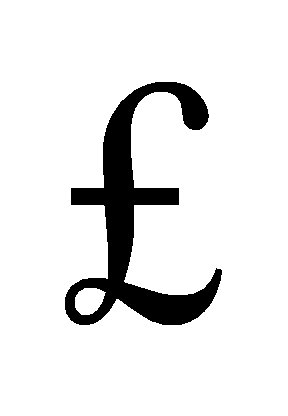 1.3m. should in fact have been shown as a loss of over 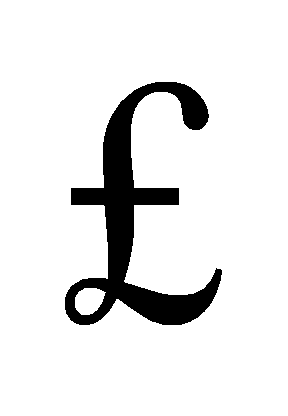 400,000. Had the true facts been known, it is alleged, Caparo would not have made a bid at the price paid or indeed at all. Caparo accordingly commenced proceedings on 24 July 1985 against two of the persons who were directors at the material time, claiming that the overvaluations were made fraudulently, and against the appellants, claiming that they were negligent in certifying, as they did, that the accounts showed a true and fair view of Fidelity's position at the date to which they related. The substance of the allegation against the appellants is contained in paragraph 16 of the statement of claim which is in the following terms:
"Touche Ross, as auditors of Fidelity carrying out their functions as auditors and certifiers of the accounts in April and May 1984, owed a duty of care to investors and potential investors, and in particular to Caparo, in respect of the audit and certification of the accounts. In support of that duty of care Caparo will rely upon the following matters: (1) Touche Ross knew or ought to have known (a) that in early March 1984 a press release had been issued stating that profits for the financial year would fall significantly short of 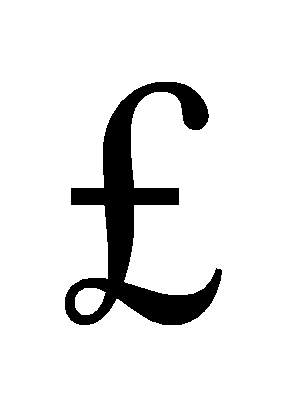 2.2m., (b) that Fidelity's share price fell from 143p per share on 1 March 1984 to 75p per share on 2 April 1984, (c) that Fidelity required financial assistance. (2) Touche Ross therefore ought to have foreseen that Fidelity was vulnerable to a take-over bid and that persons such as Caparo might well rely on the accounts for the purpose of deciding whether to take over Fidelity and might well suffer loss if the accounts were inaccurate."
On 6 July 1987, Sir Neil Lawson, sitting as judge in chambers, made an order for the trial of a preliminary issue, as follows:
"Whether on the facts set out in paragraphs 4 and 6 and in sub-paragraphs (1) and (2) of paragraph 16 of the statement of claim herein, the third defendants, Touche Ross & Co., owed a duty of care to the plaintiffs, Caparo Industries Plc., (a) as potential investors in Fidelity Plc.; or (b) as shareholders in Fidelity Plc. from 8 June 1984 and/or from 12 June 1984; in respect of the audit of the accounts of Fidelity Plc. for the year ended 31 March 1984 published on 12 June 1984."
Paragraphs 4 and 6 of the statement of claim are those paragraphs in which are set out the purchases of shares by Caparo to which I have referred and in which it is claimed that the purchases made after 12 June 1984 were made in reliance upon the information contained in the accounts. There is, however, one correction to be made. Paragraph 4 alleges that the accounts were issued on 12 June 1984 "to shareholders, including Caparo" but it is now accepted that at that date Caparo, although a purchaser of shares, had not been registered as a shareholder in Fidelity's register of members.
On the trial of this preliminary issue Sir Neil Lawson, sitting as a judge of the Queen's Bench Division [1988] B.C.L.C. 387, held (i) that the appellants owed no duty at common law to Caparo as investors and (ii) that, whilst auditors might owe statutory duties to shareholders as a class, there was no common law duty to individual shareholders such as would enable an individual shareholder to recover damages for loss sustained by him in acting in reliance upon the audited accounts.
Caparo appealed to the Court of Appeal [1989] Q.B. 653 which, by a majority (O'Connor L.J. dissenting) allowed the appeal holding that, whilst there was no relationship between an auditor and a potential investor sufficiently proximate to give rise to a duty of care at common law, there was such a relationship with individual shareholders, so that an individual shareholder who suffered loss by acting in reliance on negligently prepared accounts, whether by selling or retaining his shares or by purchasing additional shares, was entitled to recover in tort. From that decision the appellants now appeal to your Lordships' House with the leave of the Court of Appeal, and the respondents cross-appeal against the rejection by the Court of Appeal of their claim that the appellants owed them a duty of care as potential investors.
In determining the existence and scope of the duty of care which one person may owe to another in the infinitely varied circumstances of human relationships there has for long been a tension between two different approaches. Traditionally the law finds the existence of the duty in different specific situations each exhibiting its own particular characteristics. In this way the law has identified a wide variety of duty situations, all falling within the ambit of the tort of negligence, but sufficiently distinct to require separate definition of the essential ingredients by which the existence of the duty is to be recognised. Commenting upon the outcome of this traditional approach, Lord Atkin, in his seminal speech in Donoghue v. Stevenson [1932] AC 562, 579 - 580, observed:
"The result is that the courts have been engaged upon an elaborate classification of duties as they exist in respect of property, whether real or personal, with further divisions as to ownership, occupation or control, and distinctions based on the particular relations of the one side or the other, whether manufacturer, salesman or landlord, customer, tenant, stranger, and so on. In this way it can be ascertained at any time whether the law recognises a duty, but only where the case can be referred to some particular species which has been examined and classified. And yet the duty which is common to all the cases where liability is established must logically be based upon some element common to the cases where it is found to exist."
It is this last sentence which signifies the introduction of the more modern approach of seeking a single general principle which may be applied in all circumstances to determine the existence of a duty of care. Yet Lord Atkin himself sounds the appropriate note of caution by adding, at p. 580:
"To seek a complete logical definition of the general principle is probably to go beyond the function of the judge, for the more general the definition the more likely it is to omit essentials or to introduce non-essentials."
Lord Reid gave a large impetus to the modern approach in Dorset Yacht Co. Ltd. v. Home Office [1970] AC 1004, 1026 - 1027, where he said:
"In later years there has been a steady trend towards regarding the law of negligence as depending on principle so that, when a new point emerges, one should ask not whether it is covered by authority but whether recognised principles apply to it. Donoghue v. Stevenson [1932] AC 562 may be regarded as a milestone, and the well known passage in Lord Atkin's speech should I think be regarded as a statement of principle. It is not to be treated as if it were a statutory definition. It will require qualification in new circumstances. But I think that the time has come when we can and should say that it ought to apply unless there is some justification or valid explanation for its exclusion."
The most comprehensive attempt to articulate a single general principle is reached in the well known passage from the speech of Lord Wilberforce in Anns v. Merton London Borough Council [1978] AC 728, 751 - 752:
"Through the trilogy of cases in this House - Donoghue v. Stevenson [1932] AC 562, Hedley Byrne & Co. Ltd. v. Heller & Partners Ltd. [1964] AC 465, and Dorset Yacht Co. Ltd. v. Home Office [1970] AC 1004, the position has now been reached that in order to establish that a duty of care arises in a particular situation, it is not necessary to bring the facts of that situation within those of previous situations in which a duty of care has been held to exist. Rather the question has to be approached in two stages. First one has to ask whether, as between the alleged wrongdoer and the person who has suffered damage there is a sufficient relationship of proximity or neighbourhood such that, in the reasonable contemplation of the former, carelessness on his part may be likely to cause damage to the latter - in which case a prima facie duty of care arises. Secondly, if the first question is answered affirmatively, it is necessary to consider whether there are any considerations which ought to negative, or to reduce or limit the scope of the duty or the class of person to whom it is owed or the damages to which a breach of it may give rise: see Dorset Yacht case [1970] AC 1004 per Lord Reid at p. 1027."
But since the Anns case a series of decisions of the Privy Council and of your Lordships' House, notably in judgments and speeches delivered by Lord Keith of Kinkel, have emphasised the inability of any single general principle to provide a practical test which can be applied to every situation to determine whether a duty of care is owed and, if so, what is its scope: see Governors of Peabody Donation Fund v. Sir Lindsay Parkinson & Co. Ltd. [1985] AC 210, 239f - 241c; Yuen Kun Yeu v. Attorney-General of Hong Kong [1988] A.C. 175, 190e - 194f; Rowling v. Takaro Properties Ltd. [1988] AC 473, 501d - g; Hill v. Chief Constable of West Yorkshire [1989] AC 53, 60b - d. What emerges is that, in addition to the foreseeability of damage, necessary ingredients in any situation giving rise to a duty of care are that there should exist between the party owing the duty and the party to whom it is owed a relationship characterised by the law as one of "proximity" or "neighbourhood" and that the situation should be one in which the court considers it fair, just and reasonable that the law should impose a duty of a given scope upon the one party for the benefit of the other. But it is implicit in the passages referred to that the concepts of proximity and fairness embodied in these additional ingredients are not susceptible of any such precise definition as would be necessary to give them utility as practical tests, but amount in effect to little more than convenient labels to attach to the features of different specific situations which, on a detailed examination of all the circumstances, the law recognises pragmatically as giving rise to a duty of care of a given scope. Whilst recognising, of course, the importance of the underlying general principles common to the whole field of negligence, I think the law has now moved in the direction of attaching greater significance to the more traditional categorisation of distinct and recognisable situations as guides to the existence, the scope and the limits of the varied duties of care which the law imposes. We must now, I think, recognise the wisdom of the words of Brennan J. in the High Court of Australia in Sutherland Shire Council v. Heyman (1985) 60 A.L.R. 1, 43 - 44, where he said:
"It is preferable, in my view, that the law should develop novel categories of negligence incrementally and by analogy with established categories, rather than by a massive extension of a prima facie duty of care restrained only by indefinable "considerations which ought to negative, or to reduce or limit the scope of the duty or the class of person to whom it is owed."
One of the most important distinctions always to be observed lies in the law's essentially different approach to the different kinds of damage which one party may have suffered in consequence of the acts or omissions of another. It is one thing to owe a duty of care to avoid causing injury to the person or property of others. It is quite another to avoid causing others to suffer purely economic loss. a graphic illustration of the distinction is embodied in the proposition that:
"In case of a wrong done to a chattel the common law does not recognise a person whose only rights are a contractual right to have the use or services of the chattel for purposes of making profits or gains without possession of or property in the chattel. Such a person cannot claim for injury done to his contractual right:" see Elliott Steam Tug Co. Ltd. v. Shipping Controller [1922] 1 K.B. 127, 139 per Scrutton L.J.
The proposition derives from Cattle v. Stockton Waterworks Co. (1875) L.R. 10 Q.B. 453. It has recently been reaffirmed in Candlewood Navigation Corporation Ltd. v. Mitsui O.S.K. Lines Ltd. [1986] AC 1 and Leigh & Sillavan Ltd. v. Aliakmon Shipping Co. Ltd. [1986] AC 785. In the former case Lord Fraser of Tullybelton, delivering the judgment of the Privy Council, said, at p. 25:
"Their Lordships consider that some limit or control mechanism has to be imposed upon the liability of a wrongdoer towards those who have suffered economic damage in consequence of his negligence. The need for such a limit has been repeatedly asserted in the cases, from Cattle's case, L.R. 10 Q.B. 453, to Caltex [Oil (Australia) Pty. Ltd. v. Dredge "Willemstad" (1976)], 136 C.L.R. 529, and their Lordships are not aware that a view to the contrary has ever been judicially expressed."
The damage which may be caused by the negligently spoken or written word will normally be confined to economic loss sustained by those who rely on the accuracy of the information or advice they receive as a basis for action. The question what, if any, duty is owed by the maker of a statement to exercise due care to ensure its accuracy arises typically in relation to statements made by a person in the exercise of his calling or profession. In advising the client who employs him the professional man owes a duty to exercise that standard of skill and care appropriate to his professional status and will be liable both in contract and in tort for all losses which his client may suffer by reason of any breach of that duty. But the possibility of any duty of care being owed to third parties with whom the professional man was in no contractual relationship was for long denied because of the wrong turning taken by the law in Le Lievre v. Gould [1893] 1 QB 491 in overruling Cann v. Willson (1888) 39 Ch. D. 39. In Candler v. Crane, Christmas & Co. [1951] 2 K.B. 164, Denning L.J., in his dissenting judgment, made a valiant attempt to correct the error. But it was not until the decision of this House in Hedley Byrne & Co. Ltd. v. Heller & Partners Ltd. [1964] AC 465 that the law was once more set upon the right path.
Consistently with the traditional approach it is to these authorities and to subsequent decisions directly relevant to this relatively narrow corner of the field that we should look to determine the essential characteristics of a situation giving rise, independently of any contractual or fiduciary relationship, to a duty of care owed by one party to another to ensure that the accuracy of any statement which the one party makes and on which the other party may foreseeably rely to his economic detriment.
In Cann v. Willson, 39 Ch. D. 39 mortgagees advanced money in reliance on a valuation of the mortgaged property supplied to them by a valuer employed by the mortgagor. On the mortgagor's default, the property, having been negligently undervalued, proved insufficient to cover the mortgage loan. The mortgagees recovered their loss from the valuer. In his judgment, Chitty J. said, at pp. 42 - 43:
"In this case the document called a valuation was sent by the defendants direct to the agents of the plaintiff for the purpose of inducing the plaintiff and his co-trustee to lay out the trust money on mortgage. It seems to me that the defendants knowingly placed themselves in that position, and in point of law incurred a duty towards him to use reasonable care in the preparation of the document called a valuation."
In Candler v. Crane, Christmas & Co. Ltd. [1951] 2 K.B. 164 the plaintiff invested money in a limited company in reliance on accounts of the company prepared by the company's accountants at the request of the managing director, which were shown to the plaintiff and discussed with him by the accountants in the knowledge that he was interested as a potential investor in the company. The accounts were inaccurate and misleading and the plaintiff, having invested in the company in reliance upon them, lost his money. Denning L.J., in his dissenting judgment, held the plaintiff entitled to recover damages for the accountants' negligence.
In Hedley Byrne & Co. Ltd. v. Heller & Partners Ltd. [1964] AC 465 bankers were asked about the financial stability of a customer of the bank. They gave a favourable reference, albeit with a disclaimer of responsibility. The circumstances of the inquiry made it clear to the bankers that the party on whose behalf the inquiry was made wanted to know if they could safely extend credit to the bank's customer in a substantial sum. Acting on the reference given, the plaintiffs extended credit to the bank's customer who in due course defaulted. Although the House held that the bankers were protected by the disclaimer of responsibility, the case provided the opportunity to review the law, which led to the reinstatement of Cann v. Willson, the overruling of the majority decision in the Candler case and the approbation of the dissenting judgment of Denning L.J. in that case.
The most recent decision of the House, which is very much in point, is that of the two appeals heard together of Smith v. Eric S. Bush and Harris v. Wyre Forest District Council [1990] 1 AC 831. The plaintiffs in both cases were house purchasers who purchased in reliance on valuations of the properties made by surveyors acting for and on the instructions of the mortgagees proposing to advance money to the plaintiffs to enable them to effect their purchases. In both cases the surveyors' fees were paid by the plaintiffs and in both cases it turned out that the inspections and valuations had been negligently carried out and that the property was seriously defective so that the plaintiffs suffered financial loss. In the case of Smith the mortgagees were a building society, the surveyors who carried out the inspection and valuation were a firm employed by the building society and their report was shown to the plaintiff. In the case of Harris the mortgagees were the local authority who employed a member of their own staff to carry out the inspection and valuation. His report was not shown to the plaintiff, but the plaintiff rightly assumed from the local authority's offer of a mortgage loan that the property had been professionally valued as worth at least the amount of the loan. In both cases the terms agreed between the plaintiff and the mortgagee purported to exclude any liability on the part of the mortgagee or the surveyor for the accuracy of the mortgage valuation. The House held that in both cases the surveyor making the inspection and valuation owed a duty of care to the plaintiff house purchaser and that the contractual clauses purporting to exclude liability were struck down by section 2(2) and section 11(3) of the Unfair Contract Terms Act 1977.
The salient feature of all these cases is that the defendant giving advice or information was fully aware of the nature of the transaction which the plaintiff had in contemplation, knew that the advice or information would be communicated to him directly or indirectly and knew that it was very likely that the plaintiff would rely on that advice or information in deciding whether or not to engage in the transaction in contemplation. In these circumstances the defendant could clearly be expected, subject always to the effect of any disclaimer of responsibility, specifically to anticipate that the plaintiff would rely on the advice or information given by the defendant for the very purpose for which he did in the event rely on it. So also the plaintiff, subject again to the effect of any disclaimer, would in that situation reasonably suppose that he was entitled to rely on the advice or information communicated to him for the very purpose for which he required it. The situation is entirely different where a statement is put into more or less general circulation and may foreseeably be relied on by strangers to the maker of the statement for any one of a variety of different purposes which the maker of the statement has no specific reason to anticipate. To hold the maker of the statement to be under a duty of care in respect of the accuracy of the statement to all and sundry for any purpose for which they may choose to rely on it is not only to subject him, in the classic words of Cardozo C.J. to "liability in an indeterminate amount for an indeterminate time to an indeterminate class:" see Ultramares Corporation v. Touche (1931) 174 N.E. 441, 444; it is also to confer on the world at large a quite unwarranted entitlement to appropriate for their own purposes the benefit of the expert knowledge or professional expertise attributed to the maker of the statement. Hence, looking only at the circumstances of these decided cases where a duty of care in respect of negligent statements has been held to exist, I should expect to find that the "limit or control mechanism... imposed upon the liability of a wrongdoer towards those who have suffered economic damage in consequence of his negligence" *Reporter's note Candlewood Navigation Corporation Ltd. v. Mitsui OSKLines Ltd. [1986] AC 1, 25* rested in the necessity to prove, in this category of the tort of negligence, as an essential ingredient of the "proximity" between the plaintiff and the defendant, that the defendant knew that his statement would be communicated to the plaintiff, either as an individual or as a member of an identifiable class, specifically in connection with a particular transaction or transactions of a particular kind (e.g. in a prospectus inviting investment) and that the plaintiff would be very likely to rely on it for the purpose of deciding whether or not to enter upon that transaction or upon a transaction of that kind.
I find this expectation fully supported by the dissenting judgment of Denning L.J. in Candler v. Crane, Christmas & Co. [1951] 2 K.B. 164, 179, 180 - 181, 182 - 184 in the following passages:
"Let me now be constructive and suggest the circumstances in which I say that a duty to use care in statement does exist apart from a contract in that behalf. First, what persons are under such duty? My answer is those persons such as accountants, surveyors, valuers and analysts, whose profession and occupation it is to examine books, accounts, and other things, and to make reports on which other people - other than their clients - rely in the ordinary course of business."
"Secondly, to whom do these professional people owe this duty? I will take accountants, but the same reasoning applies to the others. They owe the duty, of course, to their employer or client; and also I think to any third person to whom they themselves show the accounts, or to whom they know their employer is going to show the accounts, so as to induce him to invest money or take some other action on them. But I do not think the duty can be extended still further so as to include strangers of whom they have heard nothing and to whom their employer without their knowledge may choose to show their accounts. Once the accountants have handed their accounts to their employer they are not, as a rule, responsible for what he does with them without their knowledge or consent... The test of proximity in these cases is: did the accountants know that the accounts were required for submission to the plaintiff and use by him?"
"Thirdly, to what transactions does the duty of care extend? It extends, I think, only to those transactions for which the accountants knew their accounts were required. For instance, in the present case it extends to the original investment of 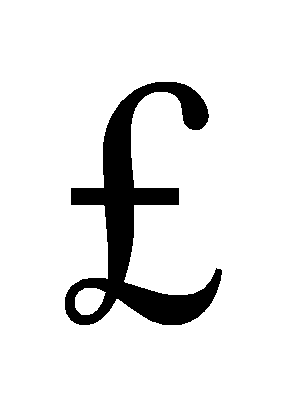 2,000. which the plaintiff made in reliance on the accounts, because the accountants knew that the accounts were required for his guidance in making that investment; but it does not extend to the subsequent 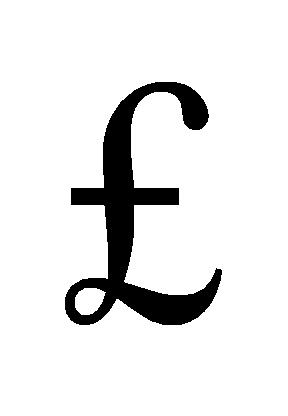 200. which he made after he had been two months with the company. This distinction, that the duty only extends to the very transaction in mind at the time, is implicit in the decided cases... It will be noticed that I have confined the duty to cases where the accountant prepares his accounts and makes his report for the guidance of the very person in the very transaction in question. That is sufficient for the decision of this case. I can well understand that it would be going too far to make an accountant liable to any person in the land who chooses to rely on the accounts in matters of business, for that would expose him to "liability in an indeterminate amount for an indeterminate time to an indeterminate class": see Ultramares Corporation v. Touche, per Cardozo C.J. Whether he would be liable if he prepared his accounts for the guidance of a specific class of persons in a specific class of transactions, I do not say. I should have thought he might be, just as the analyst and lift inspector would be liable in the instances I have given earlier. It is perhaps worth mentioning that Parliament has intervened to make the professional man liable for negligent reports given for the purposes of a prospectus: see sections 40 and 43 of the Companies Act 1948. That is an instance of liability for reports made for the guidance of a specific class of persons - investors, in a specific class of transactions - applying for shares. That enactment does not help, one way or the other, to show what result the common law would have reached in the absence of such provisions; but it does show what result it ought to reach. My conclusion is that a duty to use care in statement is recognised by English law, and that its recognition does not create any dangerous precedent when it is remembered that it is limited in respect of the persons by whom and to whom it is owed and the transactions to which it applies."
It seems to me that this masterly analysis, if I may say so with respect, requires little, if any, amplification or modification in the light of later authority and is particularly apt to point the way to the right conclusion in the present appeal.
Some of the speeches in the Hedley Byrne case derive a duty of care in relation to negligent statements from a voluntary assumption of responsibility on the part of the maker of the statements. In his speech in Smith v. Eric S. Bush [1990] 1 AC 831, 862, Lord Griffiths emphatically rejected the view that this was the true ground of liability and concluded that:
"The phrase "assumption of responsibility" can only have any real meaning if it is understood as referring to the circumstances in which the law will deem the maker of the statement to have assumed responsibility to the person who acts upon the advice."
I do not think that in the context of the present appeal anything turns upon the difference between these two approaches.
These considerations amply justify the conclusion that auditors of a public company's accounts owe no duty of care to members of the public at large who rely upon the accounts in deciding to buy shares in the company. If a duty of care were owed so widely, it is difficult to see any reason why it should not equally extend to all who rely on the accounts in relation to other dealings with a company as lenders or merchants extending credit to the company. a claim that such a duty was owed by auditors to a bank lending to a company was emphatically and convincingly rejected by Millett J. in Al Saudi Banque v. Clarke Pixley [1990] Ch. 313. The only support for an unlimited duty of care owed by auditors for the accuracy of their accounts to all who may foreseeably rely upon them is to be found in some jurisdictions in the United States of America where there are striking differences in the law in different states. In this jurisdiction I have no doubt that the creation of such an unlimited duty would be a legislative step which it would be for Parliament, not the courts, to take.
The main submissions for Caparo are that the necessary nexus of proximity between it and the appellants giving rise to a duty of care stems (1) from the pleaded circumstances indicating the vulnerability of Fidelity to a take-over bid and from the consequent probability that another company, such as Caparo, would rely on the audited accounts in deciding to launch a take-over bid, or (2) from the circumstance that Caparo was already a shareholder in Fidelity when it decided to launch its take-over bid in reliance on the accounts. In relation to the first of these two submissions, Caparo applied, in the course of the hearing, for leave to amend paragraph 16(2) of the statement of claim by adding the words "or alternatively that it was highly probable that such persons would rely on the accounts for that purpose."
The case which gives most assistance to Caparo in support of this submission is Scott Group Ltd. v. McFarlane [1978] 1 N.Z.L.R. 553. The audited consolidated accounts of a New Zealand public company and its subsidiaries overstated the assets of the group because of an admitted accounting error. Under the relevant New Zealand legislation its accounts were, as in England, accessible to the public. The circumstances of the group's affairs were such as to make it highly probable that it would atttract a take-over bid. The plaintiffs made such a bid successfully and when the accounting error was discovered claimed from the auditors in respect of the shortfall in the assets. Quilliam J. held that the auditors owed the plaintiffs no duty of care. The majority of the New Zealand Court of Appeal (Woodhouse and Cooke JJ.) held that the duty of care arose from the probability that the company would attract a take-over bid and the bidder would rely on the audited accounts, although Cooke J. held that the shortfall in the assets below that erroneously shown in the accounts did not amount to a loss recoverable in tort. Richmond P. held that no duty of care was owed. He said, at p. 566:
"All the speeches in Hedley Byrne seem to me to recognise the need for a "special" relationship: a relationship which can properly be treated as giving rise to a special duty to use care in statement. The question in any given case is whether the nature of the relationship is such that one party can fairly be held to have assumed a responsibility to the other as regards the reliability of the advice or information. I do not think that such a relationship should be found to exist unless, at least, the maker of the statement was, or ought to have been, aware that his advice or information would in fact be made available to and be relied on by a particular person or class of persons for the purposes of a particular transaction or type of transaction. I would especially emphasise that to my mind it does not seem reasonable to attribute an assumption of responsibility unless the maker of the statement ought in all the circumstances, both in preparing himself for what he said and in saying it, to have directed his mind, and to have been able to direct his mind, to some particular and specific purpose for which he was aware that his advice or information would be relied on. In many situations that purpose will be obvious. But the annual accounts of a company can be relied on in all sorts of ways and for many purposes."
I agree with this reasoning, which seems to me to be entirely in line with the principles to be derived from the authorities to which I have earlier referred and not to require modification in any respect which is relevant for present purposes by reference to anything said in this House in Smith v. Eric S. Bush [1990] 1 AC 831. I should in any event be extremely reluctant to hold that the question whether or not an auditor owes a duty of care to an investor buying shares in a public company depends on the degree of probability that the shares will prove attractive either en bloc to a take-over bidder or piecemeal to individual investors. It would be equally wrong, in my opinion, to hold an auditor under a duty of care to anyone who might lend money to a company by reason only that it was foreseeable as highly probable that the company would borrow money at some time in the year following publication of its audited accounts and that lenders might rely on those accounts in deciding to lend. I am content to assume the high probability of a take-over bid in reliance on the accounts which the proposed amendment of the statement of claim would assert but I do not think it assists Caparo's case.
The only other English authority to which I need refer in this context in JEB Fasteners Ltd. v. Marks, Bloom & Co. [1981] 3 All E.R. 289, a decision at first instance of Woolf J. This was another case where the plaintiffs, who had made a successful take-over bid for a company in reliance on audited accounts which had been negligently prepared, sued the accountants for damages. Woolf J. held that the auditors owed the plaintiffs a duty of care in the preparation of the accounts. He relied on both the Anns case [1978] AC 728 and Scott Group Ltd. v. McFarlane [1978] 1 N.Z.L.R. 553, in reaching the conclusion that the duty could be derived from foreseeability alone. For the reasons already indicated, I do not agree with this. It may well be, however, that the particular facts in the JEB case were sufficient to establish a basis on which the necessary ingredient of proximity to found a duty of care could be derived from the actual knowledge on the part of the auditors of the specific purpose for which the plaintiffs intended to use the accounts.
The position of auditors in relation to the shareholders of a public limited liability company arising from the relevant provisions of the Companies Act 1985 is accurately summarised in the judgment of Bingham L.J. in the Court of Appeal [1989] Q.B. 653, 680 - 681:
"The members, or shareholders, of the company are its owners. But they are too numerous, and in most cases too unskilled, to undertake the day to day management of that which they own. So responsibility for day to day management of the company is delegated to directors. The shareholders, despite their overall powers of control, are in most companies for most of the time investors and little more. But it would of course be unsatisfactory and open to abuse if the shareholders received no report on the financial stewardship of their investment save from those to whom the stewardship had been entrusted. So provision is made for the company in general meeting to appoint an auditor (section 384 of the Companies Act 1985), whose duty is to investigate and form an opinion on the adequacy of the company's accounting records and returns and the correspondence between the company's accounting records and returns and its accounts: section 237. The auditor has then to report to the company's members (among other things) whether in his opinion the company's accounts give a true and fair view of the company's financial position: section 236. In carrying out his investigation and in forming his opinion the auditor necessarily works very closely with the directors and officers of the company. He receives his remuneration from the company. He naturally, and rightly, regards the company as his client. But he is employed by the company to exercise his professional skill and judgment for the purpose of giving the shareholders an independent report on the reliability of the company's accounts and thus on their investment. "No doubt he is acting antagonistically to the directors in the sense that he is appointed by the shareholders to be a check upon them:" In re Kingston Cotton Mill Co. [1896] 1 Ch 6, 11, per Vaughan Williams J. The auditor's report must be read before the company in general meeting and must be open to inspection by any member of the company: section 241. It is attached to and forms part of the company's accounts: sections 238(3) and 239. A copy of the company's accounts, including the auditor's report, must be sent to every member: section 240. Any member of the company, even if not entitled to have a copy of the accounts sent to him, is entitled to be furnished with a copy of the company's last accounts on demand and without charge: section 246."
No doubt these provisions establish a relationship between the auditors and the shareholders of a company on which the shareholder is entitied to rely for the protection of his interest. But the crucial question concerns the extent of the shareholder's interest which the auditor has a duty to protect. The shareholders of a company have a collective interest in the company's proper management and in so far as a negligent failure of the auditor to report accurately on the state of the company's finances deprives the shareholders of the opportunity to exercise their powers in general meeting to call the directors to book and to ensure that errors in management are corrected, the shareholders ought to be entitled to a remedy. But in practice no problem arises in this regard since the interest of the shareholders in the proper management of the company's affairs is indistinguishable from the interest of the company itself and any loss suffered by the shareholders, e.g. by the negligent failure of the auditor to discover and expose a misappropriation of funds by a director of the company, will be recouped by a claim against the auditors in the name of the company, not by individual shareholders.
I find it difficult to visualise a situation arising in the real world in which the individual shareholder could claim to have sustained a loss in respect of his existing shareholding referable to the negligence of the auditor which could not be recouped by the company. But on this part of the case your Lordships were much pressed with the argument that such a loss might occur by a negligent undervaluation of the company's assets in the auditor's report relied on by the individual shareholder in deciding to sell his shares at an undervalue. The argument then runs thus. The shareholder, qua shareholder, is entitled to rely on the auditor's report as the basis of his investment decision to sell his existing shareholding. If he sells at an undervalue he is entitled to recover the loss from the auditor. There can be no distinction in law between the shareholder's investment decision to sell the shares he has or to buy additional shares. It follows, therefore, that the scope of the duty of care owed to him by the auditor extends to cover any loss sustained consequent on the purchase of additional shares in reliance on the auditor's negligent report.
I believe this argument to be fallacious. Assuming without deciding that a claim by a shareholder to recover a loss suffered by selling his shares at an undervalue attributable to an undervaluation of the company's assets in the auditor's report could be sustained at all, it would not be by reason of any reliance by the shareholder on the auditor's report in deciding to sell; the loss would be referable to the depreciatory effect of the report on the market value of the shares before ever the decision of the shareholder to sell was taken. A claim to recoup a loss alleged to flow from the purchase of overvalued shares, on the other hand, can only be sustained on the basis of the purchaser's reliance on the report. The specious equation of "investment decisions" to sell or to buy as giving rise to parallel claims thus appears to me to be untenable. Moreover, the loss in the case of the sale would be of a loss of part of the value of the shareholder's existing holding, which, assuming a duty of care owed to individual shareholders, it might sensibly lie within the scope of the auditor's duty to protect. A loss, on the other hand, resulting from the purchase of additional shares would result from a wholly independent transaction having no connection with the existing shareholding.
I believe it is this last distinction which is of critical importance and which demonstrates the unsoundness of the conclusion reached by the majority of the Court of Appeal. It is never sufficient to ask simply whether a owes B a duty of care. It is always necessary to determine the scope of the duty by reference to the kind of damage from which a must take care to save B harmless. "The question is always whether the defendant was under a duty to avoid or prevent that damage, but the actual nature of the damage suffered is relevant to the existence and extent of any duty to avoid or prevent it:" see Sutherland Shire Council v. Heyman, 60 A.L.R. 1, 48, per Brennan J. Assuming for the purpose of the argument that the relationship between the auditor of a company and individual shareholders is of sufficient proximity to give rise to a duty of care, I do not understand how the scope of that duty can possibly extend beyond the protection of any individual shareholder from losses in the value of the shares which he holds. As a purchaser of additional shares in reliance on the auditor's report, he stands in no different position from any other investing member of the public to whom the auditor owes no duty.
I would allow the appeal and dismiss the cross-appeal.
LORD ROSKILL.
**My Lords, I have had the advantage of reading in draft the speeches prepared by three of your Lordships. I agree with them and would allow the appeal and dismiss the cross-appeal for the reasons there given. I only add some observations of my own out of respect for the two Lords Justices from whom your Lordships are differing and because of the importance of this case in relation to the vexed question of the extent of liability of professional men, especially accountants, for putting into circulation allegedly incorrect statements whether oral or in writing which are claimed to have been negligently made or prepared and which have been acted on by a third party to that third party's detriment.**
That liability for such negligence if established can exist has been made clear ever since the decision of this House in Hedley Byrne & Co. v. Heller & Partners Ltd. [1964] AC 465 in which the well known dissenting judgment of Denning L.J. in Candler v. Crane, Christmas & Co. [1951] 2 K.B. 164 was held to have stated the law correctly. Thenceforth it was clear that such a duty of care could be owed by a professional man to third parties in cases where there was no contractual relationship between them, a view of the law long denied as the result of a succession of late 19th century cases of which this House then took the opportunity of disapproving.
But subsequent attempts to define both the duty and its scope have created more problems than the decisions have solved. My noble and learned friends have traced the evolution of the decisions from Anns v. Merton London Borough Council [1977] A.C. 728 until and including the most recent decisions of your Lordships' House in Smith v. Eric S. Bush [1990] 1 AC 831. I agree with your Lordships that it has now to be accepted that there is no simple formula or touchstone to which recourse can be had in order to provide in every case a ready answer to the questions whether, given certain facts, the law will or will not impose liability for negligence or in cases where such liability can be shown to exist, determine the extent of that liability. Phrases such as "foreseeability," "proximity," "neighbourhood," "just and reasonable," "fairness," "voluntary acceptance of risk," or "voluntary assumption of responsibility" will be found used from time to time in the different cases. But, as your Lordships have said, such phrases are not precise definitions. At best they are but labels or phrases descriptive of the very different factual situations which can exist in particular cases and which must be carefully examined in each case before it can be pragmatically determined whether a duty of care exists and, if so, what is the scope and extent of that duty. If this conclusion involves a return to the traditional categorisation of cases as pointing to the existence and scope of any duty of care, as my noble and learned friend Lord Bridge of Harwich, suggests, I think this is infinitely preferable to recourse to somewhat wide generalisations which leave their practical application matters of difficulty and uncertainty. This conclusion finds strong support from the judgment of Brennan J. in Sutherland Shire Council v. Heyman, 60 A.L.R. 1, 43 - 44 in the High Court of Australia in the passage cited by my noble and learned friends.
My Lords, I confess that like my noble and learned friend, Lord Griffiths, in Smith v. Eric S. Bush [1990] 1 AC 831, 862, I find considerable difficulty in phrases such as "voluntary assumption of responsibility" unless they are to be explained as meaning no more than the existence of circumstances in which the law will impose a liability upon a person making the allegedly negligent statement to the person to whom that statement is made; in which case the phrase does not help to determine in what circumstances the law will impose that liability or indeed, its scope. The submission that there is a virtually unlimited and unrestricted duty of care in relation to the performance of an auditor's statutory duty to certify a company's accounts, a duty extending to anyone who may use those accounts for any purpose such as investing in the company or lending the company money, seems to me untenable. No doubt it can be said to be foreseeable that those accounts may find their way into the hands of persons who may use them for such purposes or indeed other purposes and lose money as a result. But to impose a liability in those circumstances is to hold, contrary to all the recent authorities, that foreseeability alone is sufficient, and to ignore the statutory duty which enjoins the preparation of and certification of those accounts.
I think that before the existence and scope of any liability can be determined, it is necessary first to determine for what purposes and in what circumstances the information in question is to be given. If a would-be investor or predator commissions a report which he will use, and which the maker of the report knows he will use, as a basis for his decision whether or not to invest or whether or not to make a bid, it may not be difficult to conclude that if the report is negligently prepared and as a result a decision is taken in reliance upon it and financial losses then follow, a liability will be imposed upon the maker of that report. But I venture to echo the caution expressed by my noble and learned friend, Lord Oliver of Aylmerton, that because different cases may display certain common features, they are necessarily all cases in which the same consequences regarding liability or the scope of liability will follow. Moreover, there may be cases in which the circumstances in which the report was commissioned justify the inclusion of and reliance upon a disclaimer such as succeeded in the Hedley Byrne case but by reason of subsequent statutory provisions failed in Smith v. Eric S. Bush.
My Lords it is for these reasons, in addition to those given by my noble and learned friends, that, as already stated, I would allow this appeal and dismiss the cross-appeal.
**LORD ACKNER.**
My Lords, I have had the advantage of reading the speeches of Lord Bridge of Harwich, Lord Roskill, Lord Oliver of Aylmerton and Lord Jauncey of Tullichettle and for the reasons they give I, too, would allow this appeal and dismiss the cross-appeal.
LORD OLIVER OF AYLMERTON.
My Lords, this appeal, having come to this House on a preliminary point, involves the making of a number of assumptions of fact which might or might not be substantiated at the trial of the action. To begin with, it is to be assumed against the appellants that they showed a lack of reasonable care in certifying that the accounts of Fidelity for the year ended 31 March 1984 gave a true and fair view of Fidelity's position. It is also to be assumed that, when they certified the accounts, the appellants knew or would, if they had thought about it, have known that Fidelity was vulnerable to take-over bids, that a potential bidder would be likely to rely upon the accuracy of the accounts in making his bid and that investors in the market generally, whether or not already members of Fidelity, would also be likely to or might well rely upon the accounts in deciding to purchase shares in that company.
Your Lordships are not, however, either required or entitled to make any assumption that the purpose of the certification was anything other than that of fulfilling the statutory duty of carrying out the annual audit with a view to the circulation of the accounts to persons who were either registered shareholders or debenture-holders of Fidelity and the subsequent laying of the accounts before the annual general meeting of that company.
Thus, if and so far as the purpose for which the audit was carried out is a relevant consideration in determining the extent of any general duty in tort owed by the appellants to persons other than the company which is their immediate employer, that purpose was simply that of fulfilling the statutory requirements of the Companies Act 1985. That, in turn, raises the question - and it is one which lies at the threshold of the inquiry upon which your Lordships are invited to embark - of what is the purpose behind the legislative requirement for the carrying out of an annual audit and the circulation of the accounts. For whose protection were these provisions enacted and what object were they intended to achieve?
My Lords, the primary purpose of the statutory requirement that a company's accounts shall be audited annually is almost self-evident. The structure of the corporate trading entity, at least in the case of public companies whose shares are dealt with on an authorised Stock Exchange, involves the concept of a more or less widely distributed holding of shares rendering the personal involvement of each individual shareholder in the day-to-day management of the enterprise impracticable, with the result that management is necessarily separated from ownership. The management is confided to a board of directors which operates in a fiduciary capacity and is answerable to and removable by the shareholders who can act, if they act at all, only collectively and only through the medium of a general meeting. Hence the legislative provisions requiring the board annually to give an account of its stewardship to a general meeting of the shareholders. This is the only occasion in each year upon which the general body of shareholders is given the opportunity to consider, to criticise and to comment upon the conduct by the board of the company's affairs, to vote upon the directors' recommendation as to dividends, to approve or disapprove the directors' remuneration and, if thought desirable, to remove and replace all or any of the directors. It is the auditors' function to ensure, so far as possible, that the financial information as to the company's affairs prepared by the directors accurately reflects the company's position in order, first, to protect the company itself from the consequences of undetected errors or, possibly, wrongdoing (by, for instance, declaring dividends out of capital) and, secondly, to provide shareholders with reliable intelligence for the purpose of enabling them to scrutinise the conduct of the company's affairs and to exercise their collective powers to reward or control or remove those to whom that conduct has been confided.
The requirement of the appointment of auditors and annual audit of the accounts, now contained in sections 235 to 246 of the Companies Act 1985, was first introduced by the Companies Act 1879 (25 & 26 Vict. c. 76) in relation to companies carrying on the business of banking and was extended to companies generally by the Companies Act 1900. Section 23 of that Act required the auditors to make a report to the shareholders on the company's balance sheet laid before the company in general meeting, stating whether the balance sheet exhibited a true and correct view of the state of the company's affairs. By the same section, the report was required to be read before the company in general meeting. Section 19 of the Companies Act 1907 substituted a new section 23 which, whilst repeating the requirement that the auditors' report should be read before the company in general meeting, added a requirement that it should be open to inspection by any shareholder, who was entitled, on payment of the fee, to be furnished with a copy of the balance sheet and report. The new section also made it an offence for any officer of the company to be party to issuing, circulating or publishing any copy of the balance sheet which did not either append or contain a reference to the auditors' report. The matter was carried one stage further by section 130 of the Companies Act 1929 (consolidating provisions contained in sections 39 and 41 of the Companies Act 1928) which required the annual balance sheet and auditors' report of a public company to be sent not less than seven days before the date of the meeting to every member of the company entitled to receive notice of the meeting and entitled any member of the company and any debenture holder to be furnished on demand and without charge with a copy of the last balance sheet and the auditors' report. Finally, for relevant purposes, section 158 of the Companies Act 1948 required the accounts and report to be sent to every member of the company and to every debenture holder not less than 21 days before the general meeting before which the accounts are to be laid.
Thus the history of the legislation is one of an increasing availability of information regarding the financial affairs of the company to those having an interest in its progress and stability. It cannot fairly be said that the purpose of making such information available is solely to assist those interested in attending general meetings of the company to an informed supervision and appraisal of the stewardship of the company's directors, for the requirement to supply audited accounts to, for instance, preference shareholders having no right to vote at general meetings and to debenture holders cannot easily be attributed to any such purpose. Nevertheless, I do not, for my part, discern in the legislation any departure from what appears to me to be the original, central and primary purpose of these provisions, that is to say, the informed exercise by those interested in the property of the company, whether as proprietors of shares in the company or as the holders of rights secured by a debenture trust deed, of such powers as are vested in them by virtue of their respective proprietary interests.
It is argued on behalf of the respondent that there is to be discerned in the legislation an additional or wider commercial purpose, namely that of enabling those to whom the accounts are addressed and circulated, to make informed investment decisions, for instance, by determining whether to dispose of their shares in the market or whether to apply any funds which they are individually able to command in seeking to purchase the shares of other shareholders. Of course, the provision of any information about the business and affairs of a trading company, whether it be contained in annual accounts or obtained from other sources, is capable of serving such a purpose just as it is capable of serving as the basis for the giving of financial advice to others, for arriving at a market price, for determining whether to extend credit to the company, or for the writing of financial articles in the press. Indeed, it is readily foreseeable by anyone who gives the matter any thought that it might well be relied on to a greater or less extent for all or any of such purposes. It is, of course, equally foreseeable that potential investors having no proprietary interest in the company might well avail themselves of the information contained in a company's accounts published in the newspapers or culled from an inspection of the documents to be filed annually with the Registrar of Companies (which includes the audited accounts) in determining whether or not to acquire shares in the company. I find it difficult to believe, however, that the legislature, in enacting provisions clearly aimed primarily at the protection of the company and its informed control by the body of its proprietors, can have been inspired also by consideration for the public at large and investors in the market in particular.
The question is, I think, one of some importance when one comes to consider the existence of that essential relationship between the appellants and the respondent to which, in any discussion of the ingredients of the tort of negligence, there is accorded the description "proximity," for it is now clear from a series of decisions in this House that, at least so far as concerns the law of the United Kingdom, the duty of care in tort depends not solely upon the existence of the essential ingredient of the fore-seeability of damage to the plaintiff but upon its coincidence with a further ingredient to which has been attached the label "proximity" and which was described by Lord Atkin in the course of his speech in Donoghue v. Stevenson [1932] AC 562, 581 as:
"such close and direct relations that the act complained of directly affects a person whom the person alleged to be bound to take care would know would be directly affected by his careless act."
It must be remembered, however, that Lord Atkin was using these words in the context of loss caused by physical damage where the existence of the nexus between the careless defendant and the injured plaintiff can rarely give rise to any difficulty. To adopt the words of Bingham L.J. in the instant case [1989] Q.B. 653, 686:
"It is enough that the plaintiff chances to be (out of the whole world) the person with whom the defendant collided or who purchased the offending ginger beer."
The extension of the concept of negligence since the decision of this House in Hedley Byrne & Co. Ltd. v. Heller & Partners Ltd. [1964] AC 465 to cover cases of pure economic loss not resulting from physical damage has given rise to a considerable and as yet unsolved difficulty of definition. The opportunities for the infliction of pecuniary loss from the imperfect performance of everyday tasks upon the proper performance of which people rely for regulating their affairs are illimitable and the effects are far reaching. a defective bottle of ginger beer may injure a single consumer but the damage stops there. A single statement may be repeated endlessly with or without the permission of its author and may be relied upon in a different way by many different people. Thus the postulate of a simple duty to avoid any harm that is, with hindsight, reasonably capable of being foreseen becomes untenable without the imposition of some intelligible limits to keep the law of negligence within the bounds of common sense and practicality. Those limits have been found by the requirement of what has been called a "relationship of proximity" between plaintiff and defendant and by the imposition of a further requirement that the attachment of liability for harm which has occurred be "just and reasonable." But although the cases in which the courts have imposed or withheld liability are capable of an approximate categorisation, one looks in vain for some common denominator by which the existence of the essential relationship can be tested. Indeed it is difficult to resist a conclusion that what have been treated as three separate requirements are, at least in most cases, in fact merely facets of the same thing, for in some cases the degree of foreseeability is such that it is from that alone that the requisite proximity can be deduced, whilst in others the absence of that essential relationship can most rationally be attributed simply to the court's view that it would not be fair and reasonable to hold the defendant responsible. "Proximity" is, no doubt, a convenient expression so long as it is realised that it is no more than a label which embraces not a definable concept but merely a description of circumstances from which, pragmatically, the courts conclude that a duty of care exists.
There are, of course, cases where, in any ordinary meaning of the words, a relationship of proximity (in the literal sense of "closeness") exists but where the law, whilst recognising the fact of the relationship, nevertheless denies a remedy to the injured party on the ground of public policy. Rondel v. Worsley [1969] 1 AC 191 was such a case, as was Hill v. Chief Constable ofWest Yorkshire [1989] AC 53, so far as concerns the alternative ground of that decision. But such cases do nothing to assist in the identification of those features from which the law will deduce the essential relationship on which liability depends and, for my part, I think that it has to be recognised that to search for any single formula which will serve as a general test of liability is to pursue a will-o'-the wisp. The fact is that once one discards, as it is now clear that one must, the concept of foreseeability of harm as the single exclusive test - even a prima facie test - of the existence of the duty of care, the attempt to state some general principle which will determine liability in an infinite variety of circumstances serves not to clarify the law but merely to bedevil its development in a way which corresponds with practicality and common sense. In Sutherland Shire Council v. Heyman, 60 A.L.R. 1, 43 - 44, Brennan J. in the course of a penetrating analysis, observed:
"Of course, if foreseeability of injury to another were the exhaustive criterion of a prima facie duty to act to prevent the occurrence of that injury, it would be essential to introduce some kind of restrictive qualification - perhaps a qualification of the kind stated in the second stage of the general proposition in Anns [1978] AC 728. I am unable to accept that approach. It is preferable, in my view, that the law should develop novel categories of negligence incrementally and by analogy with established categories, rather than by a massive extension of a prima facie duty of care restrained only by indefinable "considerations which ought to negative, or to reduce or limit the scope of the duty or the class of person to whom it is owed."
The same approach is, I think, reflected in that passage in the speech of Lord Devlin in the Hedley Byrne case [1964] AC 465, 524 - 525 in which he considered the impact of Donoghue v. Stevenson on the facts of that case and in which he analysed and described the method by which the law develops:
"In his celebrated speech in that case Lord Atkin did two things. He stated what he described as a "general conception" and from that conception he formulated a specific proposition of law. In between he gave a warning "against the danger of stating propositions of law in wider terms than is necessary, lest essential factors be omitted in the wider survey and the inherent adaptability of English law be unduly restricted."
"What Lord Atkin called a "general conception of relations giving rise to a duty of care" is now often referred to as the principle of proximity. You must take reasonable care to avoid acts or omissions which you can reasonably foresee would be likely to injure your neighbour. In the eyes of the law your neighbour is a person who is so closely and directly affected by your act that you ought reasonably to have him in contemplation as being so affected when you are directing your mind to the acts or omissions which are called in question...
"Now, it is not, in my opinion, a sensible application of what Lord Atkin was saying for a judge to be invited on the facts of any particular case to say whether or not there was "proximity" between the plaintiff and the defendant. That would be a misuse of a general conception and it is not the way in which English law develops. What Lord Atkin did was to use his general conception to open up a category of cases giving rise to a special duty. It was already clear that the law recognised the existence of such a duty in the category of articles that were dangerous in themselves. What Donoghue v. Stevenson did may be described either as the widening of an old category or as the creation of a new and similar one. The general conception can be used to produce other categories in the same way. An existing category grows as instances of its application multiply until the time comes when the cell divides...
"In my opinion, the appellants in their argument tried to press Donoghue v. Stevenson too hard. They asked whether the principle of proximity should not apply as well to words as to deeds. I think it should, but as it is only a general conception it does not get them very far. Then they take the specific proposition laid down by Donoghue v. Stevenson and try to apply it literally to a certificate or a banker's reference. That will not do, for a general conception cannot be applied to pieces of paper in the same way as to articles of commerce or to writers in the same way as to manufacturers.
An inquiry into the possibilities of intermediate examination of a certificate will not be fruitful. The real value of Donoghue v. Stevenson to the argument in this case is that it shows how the law can be developed to solve particular problems. Is the relationship between the parties in this case such that it can be brought within a category giving rise to a special duty? As always in English law, the first step in such an inquiry is to see how far the authorities have gone, for new categories in the law do not spring into existence overnight."
Perhaps, therefore, the most that can be attempted is a broad categorisation of the decided cases according to the type of situation in which liability has been established in the past in order to found an argument by analogy. Thus, for instance, cases can be classified according to whether what is complained of is the failure to prevent the infliction of damage by the act of the third party (such as Dorset Yacht Co. Ltd. v. Home Office [1970] AC 1004, P. Perl (Exporters) Ltd. v. Camden London Borough Council [1984] QB 342, Smith v. Littlewoods Organisation Ltd. [1987] AC 241 and, indeed, Anns v. Merton London Borough Council [1978] AC 728 itself), in failure to perform properly a statutory duty claimed to have been imposed for the protection of the plaintiff either as a member of a class or as a member of the public (such as the Anns case, Ministry of Housing and Local Government v. Sharp [1970] 2 Q.B. 223, Yuen Kun Yeu v. Attorney-General of Hong Kong [1988] A.C. 175) or in the making by the defendant of some statement or advice which has been communicated, directly or indirectly, to the plaintiff and upon which he has relied. Such categories are not, of course, exhaustive. Sometimes they overlap as in the Anns case, and there are cases which do not readily fit into easily definable categories (such as Ross v. Caunters [1980] Ch. 297). Nevertheless, it is, I think, permissible to regard negligent statements or advice as a separate category displaying common features from which it is possible to find at least guidelines by which a test for the existence of the relationship which is essential to ground liability can be deduced.
The damage which may be occasioned by the spoken or written word is not inherent. It lies always in the reliance by somebody upon the accuracy of that which the word communicates and the loss or damage consequential upon that person having adopted a course of action upon the faith of it. In general, it may be said that when any serious statement, whether it takes the form of a statement of fact or of advice, is published or communicated, it is foreseeable that the person who reads or receives it is likely to accept it as accurate and to act accordingly. It is equally foreseeable that if it is inaccurate in a material particular the recipient who acts upon it may suffer a detriment which, if the statement had been accurate, he would not have undergone. But it is now clear that mere foreseeability is not of itself sufficient to ground liability unless by reason of the circumstances it itself constitutes also the element of proximity (as in the case of direct physical damage) or unless it is accompanied by other circumstances from which that element may be deduced. One must, however, be careful about seeking to find any general principle which will serve as a touchstone for all cases, for even within the limited category of what, for the sake of convenience, I may refer to as "the negligent statement cases," circumstances may differ infinitely and, in a swiftly developing field of law, there can be no necessary assumption that those features which have served in one case to create the relationship between the plaintiff and the defendant on which liability depends will necessarily be determinative of liability in the different circumstances of another case. There are, for instance, at least four and possibly more situations in which damage or loss may arise from reliance upon the spoken or written word and it must not be assumed that because they display common features of reliance and foreseeability they are necessarily in all respects analogous. To begin with, reliance upon a careless statement may give rise to direct physical injury which may be caused either to the person who acts on the faith of the statement or to a third person. One has only to consider, for instance, the chemist's assistant who mislabels a dangerous medicine, a medical man who gives negligent telephonic advice to a parent with regard the treatment of a sick child, or an architect who negligently instructs a bricklayer to remove the keystone of an archway (as in Clayton v. Woodman & Sons (Builders) Ltd. [1962] 2 Q.B. 533). In such cases it is not easy to divorce foreseeability simpliciter and the proximity which flows from the virtual inevitability of damage if the advice is followed. Again, economic loss may be inflicted upon a third party as a result of the act of the recipient of the advice or information carried out in reliance upon it (as, for instance, the testator in Ross v. Caunters [1980] Ch. 297 or the purchaser in Ministry of Housing and Local Government v. Sharp [1970] 2 Q.B. 223, both cases which give rise to certain difficulties of analysis). For present purposes, however, it is necessary to consider only those cases of economic damage suffered directly by a recipient of the statement or advice as a result of his personally having acted in reliance upon it.
In his dissenting judgment in Candler v. Crane, Christmas & Co. [1951] 2 K.B. 164, Denning L.J. suggested three conditions for the creation of a duty of care in tort in such cases. First, the advice must be given by one whose profession it is to give advice upon which others rely in the ordinary course of business, such as accountants, surveyors, valuers and the like: p. 179. Secondly, it must be known to the adviser that the advice would be communicated to the plaintiff in order to induce him to adopt a particular course of action: p. 180. Thirdly, the advice must be relied upon for the purpose of the particular transaction for which it was known to the advisers that the advice was required: p. 182. It is plain, however, from other passages in his judgment, that Denning L.J. did not consider these conditions as necessarily exhaustive criteria of the existence of a duty and the speeches in this House in the Hedley Byrne case [1964] AC 465, where his judgment was approved, indicate a number of directions in which such criteria are to be extended. To begin with, Lord Reid, at p. 486, would not have confined liability to statements made or advice given in the exercise of a profession involving the giving of such advice but would have extended it to:
"all those relationships where it is plain that the party seeking information or advice was trusting the other to exercise such a degree of care as the circumstances required, where it was reasonable for him to do that, and where the other gave the information or advice when he knew or ought to have known that the inquirer was relying on him."
Lord Morris of Borth-y-Gest, with whom Lord Hodson agreed, whilst initially, at p. 502, referring to persons "possessed of a special skill" nevertheless went on to state the conditions in which a duty of care might arise in very much wider terms, at p. 503:
"Furthermore, if in a sphere in which a person is so placed that others could reasonably rely upon his judgment or his skill or upon his ability to make careful inquiry, a person takes it upon himself to give information or advice to, or allows his information or advice to be passed on to, another person who, as he knows or should know, will place reliance upon it, then a duty of care will arise."
Nonetheless, the subsequent decision of the Privy Council in Mutual Life and Citizens' Assurance Co. Ltd. v. Evatt [1971] AC 793, from which Lord Reid and Lord Morris dissented, would have confined the duty of care to cases where the advice relied upon was given in the course of a business or profession involving the giving of advice of the kind in question. For present purposes, it is unnecessary to attempt a resolution of the difference of opinion arising from the Mutual Life case, since there is no question here but that the certifying of the accounts was something done in the course of the ordinary business of the appellants.
Leaving this on one side, however, it is not easy to cull from the speeches in the Hedley Byrne case [1964] AC 465 any clear attempt to define or classify the circumstances which give rise to the relationship of proximity on which the action depends and indeed Lord Hodson, at p. 514, expressly stated (and I respectfully agree) that he did not think it possible to catalogue the special features which must be found to exist before the duty of care will arise in the given case. Lord Devlin, at p. 530, is to the same effect. The nearest that one gets to the establishment of a criterion for the creation of a duty in the case of a negligent statement is the emphasis to be found in all the speeches upon "the voluntary assumption of responsibility" by the defendant. This is a convenient phrase but it is clear that it was not intended to be a test for the existence of the duty for, on analysis, it means no more than that the act of the defendant in making the statement or tendering the advice was voluntary and that the law attributes to it an assumption of responsibility if the statement or advice is inaccurate and is acted upon. It tells us nothing about the circumstances from which such attribution arises.
The point that is, as it seems to me, significant in the present context, is the unanimous approval in this House of the judgment of Denning L.J. in Candler's case [1951] 2 K.B. 164, 181 in which he expressed the test of proximity in these words: "did the accountants know that the accounts were required for submission to the plaintiff and use by him?" In so far as this might be said to imply that the plaintiff must be specifically identified as the ultimate recipient and that the precise purpose for which the accounts were required must be known to the defendant before the necessary relationship can be created, Denning L.J.'s formulation was expanded in the Hedley Byrne case, where it is clear that, but for an effective disclaimer, liability would have attached. The respondents there were not aware of the actual identity of the advertising firm for which the credit reference was required nor of its precise purpose, save that it was required in anticipation of the placing of advertising contracts. Furthermore, it is clear that "knowledge" on the part of the respondents embraced not only actual knowledge but such knowledge as would be attributed to a reasonable person placed as the respondents were placed. What can be deduced from the Hedley Byrne case, therefore, is that the necessary relationship between the maker of a statement or giver of advice ("the adviser") and the recipient who acts in reliance upon it ("the advisee") may typically be held to exist where (1) the advice is required for a purpose, whether particularly specified or generally described, which is made known, either actually or inferentially, to the adviser at the time when the advice is given; (2) the adviser knows, either actually or inferentially, that his advice will be communicated to the advisee, either specifically or as a member of an ascertainable class, in order that it should be used by the advisee for that purpose; (3) it is known either actually or inferentially, that the advice so communicated is likely to be acted upon by the advisee for that purpose without independent inquiry, and (4) it is so acted upon by the advisee to his detriment. That is not, of course, to suggest that these conditions are either conclusive or exclusive, but merely that the actual decision in the case does not warrant any broader propositions.
Those propositions are, I think, in accord with the two United States authorities which were referred to in the course of the speeches in the Hedley Byrne decision. In Glanzer v. Shepard (1922) 135 N.E. 275, where a public weigher negligently certified an overweight so that the purchaser of the goods paid too much for them, the identity of the recipient of the certificate was known, the purpose of the certificate was known, and the certificate was issued for the very purpose of enabling the price of the goods to be ascertained and with the knowledge that it would be acted upon by the recipient for that purpose. In Ultramares Corporation v. Touche, 174 N.E. 441, on the other hand - a case much nearer to the present - the action failed. There auditors, although aware generally that the certified accounts of the company would be shown to others by the company as the basis of financial dealings generally "according to the needs of the occasion," were unaware of the company's specific purpose of obtaining financial help from the plaintiff.
The most recent authority on negligent misstatement in this House - the two appeals in Smith v. Eric S. Bush and Harris v. Wyre Forest District Council [1990] 1 AC 831 which were heard together - does not, I think, justify any broader proposition than that already set out, save that they make it clear that the absence of a positive intention that the advice shall be acted upon by anyone other than the immediate recipient - indeed an expressed intention that it shall not be acted upon by anyone else - cannot prevail against actual or presumed knowledge that it is in fact likely to be relied upon in a particular transaction without independent verification. Both appeals were concerned with surveyors' certificates issued to mortgagees in connection with the proposed purchases for which the mortgagees were contemplating making advances. In each case there was an express disclaimer of responsibility, but in each case it was known to the surveyor that the substance of the report (in the sense of what was important to a purchaser) - that is to say whether or not any repairs to the property were considered essential - would be made known by the mortgagee to the purchaser, the plaintiff in the action, and would be likely to be acted upon by him in entering into a contract to purchase the property. In so far as the case was concerned with the effects of the disclaimer, it does not require consideration in the present context, but there are important passages in the speeches in this House bearing upon the questions which arise on this appeal and indicative of the features which, in that case, led their Lordships to conclude that the necessary relationship of proximity existed between the surveyors and the purchasers of the respective properties. Lord Templeman deduced the relationship from a combination of factors. He said, at pp. 847 - 848:
"I agree that by obtaining and disclosing a valuation, a mortgagee does not assume responsibility to the purchaser for that valuation. But in my opinion the valuer assumes responsibility to both mortgagee and purchaser by agreeing to carry out a valuation for mortgage purposes knowing that the valuation fee has been paid by the purchaser and knowing that the valuation will probably be relied upon by the purchaser in order to decide whether or not to enter into a contract to purchase the house... In general I am of the opinion that in the absence of a disclaimer of liability the valuer who values a house for the purpose of a mortgage, knowing that the mortgagee will rely and the mortgagor will probably rely on the valuation, knowing that the purchaser mortgagor has in effect paid for the valuation, is under a duty to exercise reasonable skill and care and that duty is owed to both parties to the mortgage for which the valuation is made."
Lord Griffiths at p. 862, rejected the voluntary "assumption of responsibility" as a helpful formula for testing the existence of a duty of care observing that the phrase:
"can only have any real meaning if it is understood as referring to the circumstances in which the law will deem the maker of the statement to have assumed responsibility to the person who acts upon the advice."
He continued, at pp. 862, 864 - 865:
"The essential distinction between the present case and the situation being considered in Hedley Byrne [1964] AC 465 and in the two earlier cases, is that in those cases the advice was being given with the intention of persuading the recipient to act upon it. In the present case, the purpose of providing the report is to advise the mortgagee but it is given in circumstances in which it is highly probable that the purchaser will in fact act on its contents, although that was not the primary purpose of the report. I have had considerable doubts whether it is wise to increase the scope of the duty for negligent advice beyond the person directly intended by the giver of the advice to act upon it to those whom he knows may do so."
"I therefore return to the question in what circumstances should the law deem those who give advice to have assumed responsibility to the person who acts upon the advice or, in other words, in what circumstances should a duty of care be owed by the adviser to those who act upon his advice? I would answer - only if it is foreseeable that if the advice is negligent the recipient is likely to suffer damage, that there is a sufficiently proximate relationship between the parties and that it is just and reasonable to impose the liability. In the case of a surveyor valuing a small house for a building society or local authority, the application of these three criteria leads to the conclusion that he owes a duty of care to the purchaser. If the valuation is negligent and is relied upon damage in the form of economic loss to the purchaser is obviously foreseeable. The necessary proximity arises from the surveyor's knowledge that the overwhelming probability is that the purchaser will rely upon his valuation, the evidence was that surveyors knew that approximately 90 per cent. of purchasers did so, and the fact that the surveyor only obtains the work because the purchaser is willing to pay his fee. It is just and reasonable that the duty should be imposed for the advice is given in a professional as opposed to a social context and liability for breach of the duty will be limited both as to its extent and amount. The extent of the liability is limited to the purchaser of the house - I would not extend it to subsequent purchasers. The amount of the liability cannot be very great because it relates to a modest house. There is no question here of creating a liability of indeterminate amount to an indeterminate class. I would certainly wish to stress that in cases where the advice has not been given for the specific purpose of the recipient acting upon it, it should only be in cases when the adviser knows that there is a high degree of probability that some other identifiable person will act upon the advice that a duty of care should be imposed. It would impose an intolerable burden upon those who give advice in a professional or commercial context if they were to owe a duty not only to those to whom they give the advice but to any other person who might choose to act upon it."
Finally, in relation to the Smith appeal, Lord Jauncey of Tullichettle observed, at p. 871 - 872:
"The four critical facts are that the appellants knew from the outset: (1) that the report would be shown to Mrs. Smith; (2) that Mrs. Smith would probably rely on the valuation contained therein in deciding whether to buy the house without obtaining an independent valuation; (3) that if, in these circumstances, the valuation was, having regard to the actual condition of the house, excessive, Mrs. Smith would be likely to suffer loss; and (4) that she had paid the building society a sum to defray the appellants' fee. In the light of this knowledge the appellants could have declined to act for the building society, but they chose to proceed. In these circumstances they must be taken not only to have assumed contractual obligations towards the building society but delictual obligations towards Mrs. Smith, whereby they became under a duty towards her to carry out their work with reasonable care and skill. It is critical to this conclusion that the appellants knew that Mrs. Smith would be likely to rely on the valuation without obtaining independent advice. In both Candler v. Crane, Christmas & Co. [1951] 2 K.B. 164 and Hedley Byrne & Co. Ltd. v. Heller & Partners Ltd. [1964] AC 465, the provider of the information was the obvious and most easily available, if not the only available, source of that information. It would not be difficult therefore to conclude that the person who sought such information was likely to rely upon it. In the case of an intending mortgagor the position is very different since, financial considerations apart, there is likely to be available to him a wide choice of sources of information, to wit, independent valuers to whom he can resort, in addition to the valuer acting for the mortgagee. I would not therefore conclude that the mere fact that a mortgagee's valuer knows that his valuation will be shown to an intending mortgagor of itself imposes upon him a duty of care to the mortgagor. Knowledge, actual or implied, of the mortgagor's likely reliance upon the valuation must be brought home to him. Such knowledge may be fairly readily implied in relation to a potential mortgagor seeking to enter the lower end of the housing market but non constat that such ready implication would arise in the case of a purchase of an expensive property whether residential or commercial."
Thus Smith v. Eric S. Bush [1990] 1 AC 831, although establishing beyond doubt that the law may attribute an assumption of responsibility quite regardless of the expressed intentions of the adviser, provides no support for the proposition that the relationship of proximity is to be extended beyond circumstances in which advice is tendered for the purpose of the particular transaction or type of transaction and the adviser knows or ought to know that it will be relied upon by a particular person or class of persons in connection with that transaction. The judgment of Millett J. in the recent case of Al Saudi Banque v. Clarke Pixley [1990] Ch. 313 (decided after the decision of the Court of Appeal in the instant case) contains an analysis of the decision of this House in Smith v. Eric S. Bush and concludes - and I agree - that it established a more stringent test of the requirements for proximity than that which had been applied by the Court of Appeal in the instant case. At p. 335 - 336 of his judgment, Millett J. gives what I find a helpful analysis of that case and of the features which distinguished it from the Hedley Byrne case and from the instant case:
"In each of the cases considered by the House of Lords, therefore, there was a tripartite transaction in which the valuation could realistically be regarded as provided by the valuer to the purchaser. In each of the cases the valuation was given to the mortgagee with the intention of being acted on by him in a specific transaction known to the valuer, viz: the making of a mortgage offer in connection with a specific transaction of house purchase, and in the knowledge that the valuation or the gist of the valuation would be communicated to the purchaser and would in all probability be relied upon by him in deciding whether to go ahead with the very transaction for which the mortgage offer was sought. This was a much more restricted context in which to found a duty of care than was present in the Caparo case, for there was in contemplation not only a particular and identified recipient of the information to whom the defendant knew that it would be communicated, but a particular and known purpose for which he could foresee that it would be relied on.
"In Hedley Byrne [1964] AC 465 and the cases which followed it, the statement was made directly to the plaintiff with the intention that the plaintiff should act upon it. The JEB Fasteners case [1983] 1 All E.R. 583 can be supported only on the basis that the statement was impliedly confirmed directly to the plaintiff without any such intention, but with a particular transaction in contemplation, and it was foreseeable that the plaintiff would rely upon it in that transaction. In Caparo's case [1989] Q.B. 653 it was made to the plaintiff without any such intention and without any particular transaction in contemplation, but it was foreseeable that the plaintiff might rely upon it in some unknown future transaction. In Smith v. Eric S. Bush [1990] 1 AC 831 it was made to a third party with the intention that he should act upon it in a known and contemplated transaction, but in the knowledge that it would be communicated to the plaintiff and would almost certainly be relied upon by him in connection with a transaction without which the transaction of the third party could not proceed."
My Lords, no decision of this House has gone further than Smith v. Eric S. Bush, but your Lordships are asked by the respondents to widen the area of responsibility even beyond the limits to which it was extended by the Court of Appeal in this case and to find a relationship of proximity between the adviser and third parties to whose attention the advice may come in circumstances in which the reliance said to have given rise to the loss is strictly unrelated either to the intended recipient or to the purpose for which the advice was required. My Lords, I discern no pressing reason of policy which would require such an extension and there seems to me to be powerful reasons against it. As Lord Reid observed in the course of his speech in Hedley Byrne [1964] AC 465, 483, words can be broadcast with or without the consent or foresight of the speaker or writer; and in his speech in the same case, Lord Pearce drew attention to the necessity for the imposition of some discernible limits to liability in such cases. He said, at p. 534:
"The reason for some divergence between the law of negligence in word and that of negligence in act is clear. Negligence in word creates problems different from those of negligence in act. Words are more volatile than deeds. They travel fast and far afield. They are used without being expended and take effect in combination with innumerable facts and other words. Yet they are dangerous and can cause vast financial damage. How far they are relied on unchecked... must in many cases be a matter of doubt and difficulty. If the mere hearing or reading of words were held to create proximity, there might be no limit to the persons to whom the speaker or writer could be liable."
As I have already mentioned, it is almost always foreseeable that someone, somewhere and in some circumstances, may choose to alter his position upon the faith of the accuracy of a statement or report which comes to his attention and it is always foreseeable that a report - even a confidential report - may come to be communicated to persons other than the original or intended recipient. To apply as a test of liability only the foreseeability of possible damage without some further control would be to create a liability wholly indefinite in area, duration and amount and would open up a limitless vista of uninsurable risk for the professional man.
On the basis of the pleaded case, as amended, it has to be assumed that the appellants, as experienced accountants, were aware or should have been aware that Fidelity's results made it vulnerable to take-over bids and that they knew or ought to have known that a potential bidder might well rely upon the published accounts in determining whether to acquire shares in the market and to make a bid. It is not, however, suggested that the appellants, in certifying the accounts, or Parliament, in providing for such certification, did so for the purpose of assisting those who might be minded to profit from dealings in the company's shares. The respondents, whilst accepting that it is no part of the purpose of the preparation, certification and publication of the accounts of a public company to provide information for the guidance of predators in the market, nevertheless argue that the appellants' knowledge that predators might well rely upon the accounts for this purpose sufficiently establishes between them and potential bidders that relationship of "proximity" which founds liability. On the face of it, this submission appears to equate "proximity" with mere foreseeability and to rely upon the very misinterpretation of the effect of the decision of this House in the Anns case [1978] AC 728 which was decisively rejected in the Governors of Peabody Donation Fund v. Sir Lindsay Parkinson & Co. Ltd. [1985] AC 210 and in Yuen Kun Yeu v. Attorney-General of Hong Kong [1988] A.C. 175. Your Lordships have been referred, however, to three authorities, one from New Zealand and two from the United Kingdom, which do undoubtedly support the respondents' contention.
In Scott Group Ltd. v. McFarlane [1978] N.Z.L.R. 553, the defendants were the auditors of a company which had been successfully taken over in reliance upon certified consolidated accounts in which, as a result of double-counting, the assets were overstated. It was admitted that the failure of the defendants to discover the discrepancy was due to negligence. In the Supreme Court of New Zealand, Quilliam J. dismissed the plaintiffs' claim on the ground that the appellants, though careless, owed them no duty of care. An appeal to the Court of Appeal failed but the court was divided as to the reasons. Richmond P. held that the appeal failed for the same reason as that stated by the trial judge. Woodhouse J. would have allowed the appeal. Cooke J., on the other hand, whilst concurring with Woodhouse J. that the respondents did in fact owe a duty of care to the appellants, held that the appeal failed because they had failed to show any recoverable loss.
The more restrictive view was expressed by Richmond P. in the following terms, at pp. 566 - 567:
"The question in any given case is whether the nature of the relationship is such that one party can fairly be held to have assumed a responsibility to the other as regards the reliability of the advice or information. I do not think that such a relationship should be found to exist unless, at least, the maker of the statement was, or ought to have been, aware that his advice or information would in fact be made available to and be relied on by a particular person or class of persons for the purposes of a particular transaction or type of transaction. I would especially emphasise that to my mind it does not seem reasonable to attribute an assumption of responsibility unless the maker of the statement ought in all the circumstances, both in preparing himself for what he said and in saying it, to have directed his mind, and to have been able to direct his mind, to some particular and specific purpose for which he was aware that his advice or information would be relied on. In many situations that purpose will be obvious. But the annual accounts of a company can be relied on in all sorts of ways and for many purposes. It would be going too far to treat accountants as assuming a responsibility towards all persons dealing with the company or its members, in reliance to some greater or lesser degree on the accuracy of the accounts, merely because it was reasonably foreseeable, in a general way, that a transaction of the kind in which the plaintiff happened to become involved might indeed take place. The relationship between the parties would, I think, be too general and not sufficiently "special" to come within the principles underlying the decision in Hedley Byrne. As I have said, I believe it to be essential to the existence of a "special relationship" that the maker of the statement was or should have been aware that his advice was required for use in a specific type of contemplated transaction. This requirement has not always required emphasis in the course of judicial discussion as to the nature of a special relationship. Probably this is because in most cases the purpose for which the information was required was, on the facts, quite obvious. But certainly this particular point was made very clear indeed in Denning L.J.'s judgment in Candler v. Crane, Christmas & Co. I would think that it must almost inevitably follow, once the maker of the statement is aware of a specific purpose for which his information will be used, that he will also have in direct contemplation a specific person or class of persons, even though unidentified by name."
The New Zealand Companies Act 1955 contained provisions relating to the auditors' report which is similar in substance to those contained in the United Kingdom legislation but with this variation, that the "true and fair view" which group accounts are certified to give are qualified by the words "so far as concerns members of the company." In relation to these provisions, Richmond P. observed, at p. 568:
"The provisions of the Act to which I have just referred are aimed essentially at the protection of the members of the company and of course the auditors, whose contract of employment is with the company itself, are under a contractual duty of care to the company. These provisions do not encourage me to take the view that there is any reason why the auditors of a public company should thereby come under a common law duty of care to third persons dealing with the company or its members on the faith of their audit certificate, such liability being in some way based on a much wider principle than would apply, for example, in the case of auditors certifying the accounts of a private company. Like Quilliam J., I can also see no reason to differentiate between auditors as such and a firm of chartered accountants employed to prepare the accounts of the company. The only point which has given me some concern, so far as the statutory provisions are concerned, is the requirement of section 133(1) whereby a copy of the balance sheet and auditors' report is required to be annexed to the annual return and thus becomes available to the public under section 9(1) of the Act. But on reflection, this only means that the auditor of the accounts of a public company knows that the accounts and his report will become available to the public generally and, consequently, may be relied on by one or more members of the public, to some greater or lesser degree, as the basis of some business transaction. It is not suggested, however, that the Companies Act imposes any statutory duty of care as between auditors and members of the public who rely on the accounts. In the case of a company whose shares are listed on the Stock Exchange the auditor will also know that under the Stock Exchange rules a copy of the accounts must be made available. He knows, too, that shareholders will receive copies of the accounts and that the company itself may well make copies available to business institutions and individuals for various purposes. In the end all these matters merely add up to the fact that the auditor of a public company will necessarily have in his contemplation the possibility that the accounts may be relied on in all sorts of ways by persons other than the company and its members. This, as I have said, is not sufficient to bring about a "special relationship."
Both Woodhouse and Cooke JJ., who favoured a wider view of responsibility, based themselves upon an interpretation of the speech of Lord Wilberforce in the Anns case [1978] AC 728 which required, as the first stage of the two-stage inquiry to which he there referred, no more than a consideration of whether harm was foreseeable, thus equating the "proximate relationship" as comprehending foresight and nothing more. This is made quite clear from the following passage in the judgment of Woodhouse J., at p. 574:
"In this regard it will be noticed that although the first part of the inquiry outlined by Lord Wilberforce is to ask whether "there is a sufficient relationship of proximity" in order to decide whether there is a prima facie duty of care, he would test the sufficiency of proximity simply by the reasonable contemplation of likely harm. And, with respect, I do not think that there is any need for or any sound reason in favour of a more restrictive approach. The issue has been made increasingly complex by the successive and varying formulas that have been used in an effort to confine the general area of responsibility, in particular for negligent words or in respect of purely economic losses. At this initial stage at least it should be possible to remove some degree of uncertainty - in my opinion it is done by the comprehensible and straightforward test of foreseeability."
Woodhouse J., again emphasised foreseeability as the relevant test for the creation of the relationship of proximity in his judgment where he said, at p. 575:
"Although an audit is undertaken on behalf of the members of a public company it must be within the reasonable contemplation of any auditor that confidence in its ability to handle its commercial arrangements would depend upon the authenticity of its accounts - a confidence that would disappear if reliance could not be put upon the audit report. So I think that when auditors deliberately undertake to provide their formal report upon the accounts of a public company they must be taken to have accepted not merely a direct responsibility to the shareholders but a further duty to those persons whom they can reasonably foresee will need to use and rely upon them when dealing with the company or its members in significant matters affecting the company assets and business. An example, no doubt, would be the banker asked to make substantial advances on the security of the company undertaking. On the other hand, there would seem to be formidable difficulties for a plaintiff who attempted to prove that an auditor should have foreseen the plaintiff's likely reliance upon some newspaper or a Stock Exchange reference to a company's accounts. However, it is sufficient for present purposes to restrict consideration to a take over offer related, as so frequently is the position, to the value of shareholders' funds. In such a situation the need to rely upon audited accounts is, I think, quite obvious. As a matter of commercial reality I think the auditor and offeror are in a relationship of close proximity."
Cooke J. was to the same effect. At p. 583 he adopted, as the first step of Lord Wilberforce's two-stage approach, the formulation which equates the relationship of proximity with foreseeability, although at an earlier stage of his judgment he seemed to be disposed to regard the essential relationship as arising not simply from the foreseeability that a member of the public might rely on the accounts as a basis of some transaction but, for a reason which I confess I do not fully understand, from the foreseeability that some member of the public might rely on the accounts for the making of a take-over bid. He said, at p. 581:
"The learned judge in the Supreme Court was disposed to regard the requirement of filing audited accounts, which are available for public inspection, as not imposed by Parliament for the purpose of enabling people to deal confidently in reliance on the accuracy of the accounts. He thought it much more likely that the purpose was to enable a proper supervision to be exercised over the activities of companies, and to enable those concerned to ensure that the companies were not trading illegally or dishonestly. With respect, I am unable to agree with him on that point. The statutory requirements regarding the filing of financial information stem, I think, from the view that those dealing with or investing in a limited liability company have a legitimate interest in being afforded reasonable access to relevant information; and that this interest has to be balanced against the wish for confidentiality naturally entertained by family companies and the like which do not appeal to the public for funds... I would agree, though, that the provisions are probably not aimed, or at least not primarily, at protecting purchasers of shares in the market."
Thus the majority of the Court of Appeal favoured a more extensive view of the circumstances from which the essential relationship between plaintiff and defendant may be inferred in a negligent statement case than had yet emerged from any decision in the United Kingdom.
Now, of course, any decision of the Court of Appeal of New Zealand is entitled to the very greatest respect, but it has to be observed that the majority view was based upon an interpretation of Lord Wilberforce's observations in the Anns case [1978] AC 728, 751 - 752 which has since been severely qualified by subsequent decisions of this House.
The Scott Group case [1978] N.Z.L.R. 553 has, however, since been referred to and accepted in two cases decided in the United Kingdom. In JEB Fasteners Ltd. v. Marks Bloom & Co. [1981] 3 All E.R. 289, the plaintiffs who had acquired the shares of the company as a result of a take-over, claimed damages against the company's auditors who, it was claimed, had been negligent in certifying the accounts. Woolf J. dismissed the claim on the ground that the plaintiffs failed to show the causative connection between reliance on the erroneous accounts and the takeover and his decision was subsequently affirmed by the Court of Appeal [1983] 1 All E.R. 583. In the course of his judgment, however, Woolf J. made the following observation with regard to the auditors' liability [1981] 3 All E.R. 289, 296 - 297:
"Without laying down any principle which is intended to be of general application, on the basis of the authorities which I have cited, the appropriate test for establishing whether a duty of care exists appears in this case to be whether the defendants knew or reasonably should have foreseen at the time the accounts were audited that a person might rely on those accounts for the purpose of deciding whether or not to take over the company and therefore could suffer loss if the accounts were inaccurate. Such an approach does place a limitation on those entitled to contend that there has been a breach of duty owed to them. First of all, they must have relied on the accounts and, second, they must have done so in circumstances where the auditors either knew that they would or ought to have known that they might. If the situation is one where it would not be reasonable for the accounts to be relied on, then, in the absence of express knowledge, the auditor would be under no duty. This places a limit on the circumstances in which the audited accounts can be relied on and the period for which they can be relied on. The longer the period which elapses prior to the accounts being relied on, from the date on which the auditor gave his certificate, the more difficult it will be to establish that the auditor ought to have foreseen that his certificate would, in those circumstances, be relied on."
Now although he disclaimed any intention of laying down a general principle, it is clear that Woolf J., like Woodhouse and Cooke JJ., was interpreting Lord Wilberforce's two-stage approach in the Anns case as establishing a test of proximity which depended on the foreseeability of harm alone and that he regarded the limits of liability as being set not by the need for any relationship other than such as might be inferred from such foreseeability but by the factual difficulties likely to be encountered in establishing foreseeability in cases in which the reliance essential to the cause of action was separated in time from the statement or advice relied upon. In the light, therefore, of the observations of Lord Keith of Kinkel in the Peabody case [1985] AC 210 and in the Yuen Kun Yeu case [1988] A.C. 175, this case provides no very convincing authority for the respondents' proposition, although, as Bingham L.J. observed in the instant case, the facts were such as to justify a finding of a relationship of proximity without any extension of the criteria suggested by Denning L.J. in his judgment in Candler's case [1951] 2 K.B. 164.
The third case upon which the respondents rely is the decision of the Outer House of the Court of Session in Twomax Ltd. v. Dickson, McFarlane & Robinson, 1982 S.C. 113, the facts in which have a broad similarity to those in the JEB Fasteners case and in the instant case. The court was concerned with three separate claims from investors (one of whom was a company and two of whom were individuals) who had acquired shares in a private company which, shortly after the investments were made, went into receivership and was subsequently wound up. All three investors claimed that their respective investments were made on the faith of the company's audited accounts which had been negligently prepared and certified by the defenders, the company's auditors, in the course of their statutory audit. The Lord Ordinary (Lord Stewart), at pp. 122 - 124, having contrasted the limitations appearing from the speeches of Lord Morris and Lord Hodson in the Hedley Byrne case with the broader formulation of general principle in the speech of Lord Wilberforce in the Anns case, accepted the latter as governing the proper approach to the question of whether or not the essential relationship between pursuers and defenders was established in a negligent statement case and followed the guidance of the majority judgments of the New Zealand Court of Appeal in the Scott Group case, save that he could not draw any sensible distinction between the case of the corporate pursuer, which had acquired the controlling interest, and that of the individual minority investors. He thus, by implication, rejected the suggestion that a potential bidder in the market is in some special position as compared with other investors such as to create between him and the auditors carrying out their statutory duties, a special relationship which does not arise in the case of an investor concerned to acquire only a minority interest. And this, with respect, must be correct, for there can be no logical distinction according to whether an investor is likely to acquire many shares or only a few. Such distinction as there is lies only in the scale of the potential loss which may be little or great according to the magnitude of the investment. Indeed, as he pointed out, it could legitimately be said that the smaller the investment the greater the likelihood of the investor accepting the audited accounts as the basis for his action without making any independent investigation. In the result, Lord Stewart held that the knowledge to be imputed to the defenders that there would or might well be potential investors in the market who would be interested in purchasing existing shares or subscribing for new shares and who might be influenced by the accounts was sufficient to create between them and such investors the relationship of proximity which gave rise to an enforceable duty of care.
This case, therefore, falls into the same category as the other two cases. All three were based upon the view of Lord Wilberforce's exposition in the Anns case [1978] AC 728 which would result in foreseeability and proximity being treated as synonymous - a view which this House (and, indeed, Lord Wilberforce himself in McLoughlin v. O'Brian [1983] 1 AC 410) has now decisively rejected. That, of course, does not conclude the question for it would still be open to your Lordships to find in the circumstances of this case that a special relationship existed between the auditor conducting an annual audit in pursuance of his statutory duty and every potential investor in the market or, indeed, any other person who might do business with the company without relying solely upon the foreseeability of potential damage to such person. Just as, for instance, in Smith v. Eric S. Bush [1990] 1 AC 831, one of the factors giving rise to the relationship in that case was the circumstance that the plaintiff was the person who paid for the report upon which the reliance was placed, so here it might be said that a special relationship was to be found in the nature and extent of the statutory duties which the auditor is called upon to fulfil.
For my part, however, I can see nothing in the statutory duties of a company's auditor to suggest that they were intended by Parliament to protect the interests of investors in the market and I see no reason in policy or in principle why it should be either desirable or appropriate that the ambit of the special relationship required to give rise to liability in cases such as the present should be extended beyond those limits which are deducible from the cases of Hedley Byrne and Smith v. Eric S. Bush. Those limits appear to me to be correctly and admirably stated in the passages from the judgment of Richmond P. in the Scott Group case to which I have already referred. In particular, I see no reason why any special relationship should be held to arise simply from the circumstance that the affairs of the company are such as to render it susceptible to the attention of predators in the market who may be interested in acquiring all or the majority of the shares rather than merely a parcel of shares by way of addition to a portfolio. It follows that I would dismiss the respondents' cross-appeal.
I turn, therefore, to the question raised by the appellants' appeal. The Court of Appeal, whilst rejecting unanimously the respondents' contention that the appellants owed them a duty of care simply as potential investors in the market, nevertheless by a majority allowed their claim that a similar duty was owed to them in their capacity as shareholders from the date when they first became registered in respect of shares which they had purchased. Now it cannot be nor is it claimed that this event created for the appellants any new or greater risk of harm in relation to a certification which had already taken place; nor can it be claimed that it brought about some change in the quality or extent of the respondents' reliance upon the (ex hypothesis) inaccurate information which they had previously received and digested. The only difference in their position before registration and their position afterwards was that, as registered shareholders, they now had the statutory right to receive the accounts on which they had already relied in acquiring their original shares and to receive notice of and attend the annual general meeting of Fidelity at which the accounts were to be read and, if thought fit, approved and passed. This change of position seems, on the face of it, less than momentous and in fact they did not trouble to appoint a representative to attend the meeting on their behalf. If a distinction is to be found at all, therefore, it can only be that the nature and purpose of the statutory provisions governing the appointment and duties of auditors and the certification and publication to shareholders and others of the accounts have the effect of creating, between the auditors and individual shareholders, as potential investors in that capacity, that special relationship of proximity which is required to give rise to the duty of care and which does not exist between the auditors and the investing public generally.
Now if it be right, as, for my part, I believe that it is and as the Court of Appeal has held, that no relationship of proximity and thus no duty of care exists between auditors and the investing public generally in relation to the statutory audit - I say nothing, of course, about a case where accounts are audited specifically for the purpose of submission to a potential investor - the attribution of such a duty arising from the receipt of exactly the same information by a person who happens to be the registered holder of a share in the company whose accounts are in question produces entirely capricious results. O'Connor L.J. [1989] Q.B. 653, 715, in his dissenting judgment, instanced the case of a shareholder who, having purchased further shares at an overvalue on the basis of the accounts, shows the accounts to a friend who has no existing shareholding but proceeds to make a similar purchase. Each receives exactly the same information; each relies upon it in exactly the same way and for the same purpose; and the loss sustained in both cases is identical and is equally foreseeable. Yet liability is said to exist in the one case but not in the other. One has indeed only to consider the circumstances of the instant case which must ultimately result in drawing a distinction between the loss sustained as a result of the initial purchase of shares (irrecoverable) and that sustained as a result of purchases made after the first registration (recoverable) although all purchases were made in reliance upon exactly the same information.
So unreasonable a distinction must call in question the analysis which leads to it. The majority in the Court of Appeal deduced the relationship from what Bingham L.J. described, at p. 684D, as "the degree of closeness between the parties." It was pointed out that although the auditors are appointed and paid by the company that is the result of the vote of the shareholders in general meeting and their remuneration is paid out of funds which might otherwise be available for distribution to shareholders by way of dividend. Their duty is to report to the shareholders whether the accounts give a true and fair view of the company's financial position and their report is sent to each shareholder as an identifiable individual. Thus, it was said, the relationship, although not a contractual one, was very close to being contractual and was moreover one in which a lack of care would be likely directly to affect the very person whose interest the auditor is engaged to protect, should that person choose to rely upon the accounts for the purpose of making or disposing of an investment. My Lords, of course I see the force of this, but, as I have already suggested, "proximity" in cases such as this is an expression used not necessarily as indicating literally "closeness" in a physical or metaphorical sense but merely as a convenient label to describe circumstances from which the law will attribute a duty of care. It has to be borne in mind that the duty of care is inseparable from the damage which the plaintiff claims to have suffered from its breach. It is not a duty to take care in the abstract but a duty to avoid causing to the particular plaintiff damage of the particular kind which he has in fact sustained. I cannot improve on the analysis which is to be found in the judgment of Brennan J. in the High Court of Australia in the Shire of Sutherland case, 60 A.L.R. 1 to which I have already referred. After citing the speech of Viscount Simonds in The Wagon Mound [1961] AC 388, 425, where he observed that it was vain to isolate the liability from its context and to say that B is or is not liable and then to ask for what damage he is liable, Brennan J. continued, at p. 48:
"The corollary is that a postulated duty of care must be stated in reference to the kind of damage that a plaintiff has suffered and in reference to the plaintiff or a class of which the plaintiff is a member. I venture to repeat what I said in John Pfeiffer Pty. Ltd. v. Canny (1981) 148 C.L.R. 218, 241 - 242: "His duty of care is a thing written on the wind unless damage is caused by the breach of that duty; there is no actionable negligence unless duty, breach and consequential damage coincide... for the purposes of determining liability in a given case, each element can be defined only in terms of the others." It is impermissible to postulate a duty of care to avoid one kind of damage - say, personal injury - and, finding the defendant guilty of failing to discharge that duty, to hold him liable for the damage actually suffered that is of another independent kind - say, economic loss. Not only may the respective duties differ in what is required to discharge them; the duties may be owed to different persons or classes of persons. That is not to say that a plaintiff who suffers damage of some kind will succeed or fail in an action to recover damages according to his classification of the damage he suffered. The question is always whether the defendant was under a duty to avoid or prevent that damage, but the actual nature of the damage suffered is relevant to the existence and extent of any duty to avoid or prevent it."
In seeking to ascertain whether there should be imposed on the adviser a duty to avoid the occurrence of the kind of damage which the advisee claims to have suffered it is not, I think, sufficient to ask simply whether there existed a "closeness" between them in the sense that the advisee had a legal entitlement to receive the information upon the basis of which he has acted or in the sense that the information was intended to serve his interest or to protect him. One must, I think, go further and ask, in what capacity was his interest to be served and from what was he intended to be protected? a company's annual accounts are capable of being utilised for a number of purposes and if one thinks about it it is entirely foreseeable that they may be so employed. But many of such purposes have absolutely no connection with the recipient's status or capacity, whether as a shareholder, voting or non-voting, or as a debenture-holder. Before it can be concluded that the duty is imposed to protect the recipient against harm which he suffers by reason of the particular use that he chooses to make of the information which he receives, one must, I think, first ascertain the purpose for which the information is required to be given. Indeed the paradigmatic Donoghue v. Stevenson case of a manufactured article requires, as an essential ingredient of liability, that the article has been used by the consumer in the manner in which it was intended to be used: see Grant v. Australian Knitting Mills Ltd. [1936] AC 85, 104 and Junior Books Ltd. v. Veitchi Co. Ltd. [1983] 1 AC 520, 549, 552. I entirely follow that if the conclusion is reached that the very purpose of providing the information is to serve as the basis for making investment decisions or giving investment advice, it is not difficult then to conclude also that the duty imposed upon the adviser extends to protecting the recipient against loss occasioned by an unfortunate investment decision which is based on carelessly inaccurate information. Bingham L.J. did, indeed, conclude that the provision of guidance for the making of investment decisions was one of the purposes to be discerned in the statutory provisions. He observed [1989] Q.B. 653, 681 - 682:
"...I think these provisions also reflect a wider and more commercial intention. The growth and development of limited liability companies over a relatively very short period have been phenomenal. Their proliferation and expansion have depended on their acceptance by the investing public as an advantageous and (on the whole) reliable medium of investment. The statutory requirements that companies account to their members and that auditors express an independent opinion to shareholders on the truth and accuracy of company accounts are in my view designed (in part at least) to fortify confidence in the holding of shares as a medium of investment by enabling shareholders to make informed investment decisions. There are obvious reasons, both economic and social, why this end should be regarded as desirable."
How far he regarded this as an essential feature of the relationship of proximity which he held to exist between the appellants and the respondents as shareholders is not, however, entirely clear, for he attributed the same intention to the legislature in relation to investors generally. He said, at p. 682:
"The publication of accounts must limit, if it cannot eliminate, the scope for rumour-inspired speculation and thus promote an informed and orderly market. It enables prospective investors, like shareholders, to make informed decisions. For such prospective investors the independent opinion of the auditor has the same significance as for existing shareholders."
As I have already indicated, I am not, for my part, able to share this view of the intention of the legislature. I do not believe and I see no grounds for believing that, in enacting the statutory provisions, Parliament had in mind the provision of information for the assistance of purchasers of shares or debentures in the market, whether they be already the holders of shares or other securities or persons having no previous proprietary interest in the company. It is unnecessary to decide the point on this appeal, but I can see more force in the contention that one purpose of providing the statutory information might be to enable the recipient to exercise whatever rights he has in relation to his proprietary interest by virtue of which he receives it, by way, for instance, of disposing of that interest. I can, however, see no ground for supposing that the legislature was intending to foster a market for the existing holders of shares or debentures by providing information for the purpose of enabling them to acquire such securities from other holders who might be minded to sell.
For my part, I think that the position as regards the auditor's statutory duty was correctly summarised by O'Connor L.J. in his dissenting judgment when he said, at p. 714:
"The statutory duty owed by auditors to shareholders is, I think, a duty owed to them as a body. I appreciate that it is difficult to see how the over-statement of the accounts can cause damage to the shareholders as a body; it will be the underlying reasons for the over-statement which cause damage, for example fraudulent abstraction of assets by directors or servants, but such loss is recoverable by the company. I am anxious to limit the present case to deciding whether the statutory duty operates to protect the individual shareholder as a potential buyer of further shares. If I am wrong in thinking that under the statute no duty is owed to shareholders as individuals, then I think the duty must be confined to transactions in which the shareholder can only participate because he is a shareholder. The Companies Act 1985 imposes a duty to shareholders as a class and the duty should not extend to an individual save as a member of the class in respect of some class activity. Buying shares in a company is not such an activity."
In my judgment, accordingly, the purpose for which the auditors' certificate is made and published is that of providing those entitled to receive the report with information to enable them to exercise in conjunction those powers which their respective proprietary interests confer upon them and not for the purposes of individual speculation with a view to profit. The same considerations as limit the existence of a duty of care also, in my judgment, limit the scope of the duty and I agree with O'Connor L.J. that the duty of care is one owed to the shareholders as a body and not to individual shareholders.
To widen the scope of the duty to include loss caused to an individual by reliance upon the accounts for a purpose for which they were not supplied and were not intended would be to extend it beyond the limits which are so far deducible from the decisions of this House. It is not, as I think, an extension which either logic requires or policy dictates and I, for my part, am not prepared to follow the majority of the Court of Appeal in making it. In relation to the purchase of shares of other shareholders in a company, whether in the open market or as a result of an offer made to all or a majority of the existing shareholders, I can see no sensible distinction, so far as a duty of care is concerned, between a potential purchaser who is, vis- $\text{а}$ -vis the company, a total outsider and one who is already the holder of one or more shares. I accordingly agree with what has already fallen from my noble and learned friend, Lord Bridge of Harwich, and with the speech to be delivered by my noble and learned friend, Lord Jauncey of Tullichettle, which I have had the advantage of reading, and I, too, would allow the appeal and dismiss the cross-appeal.
LORD JAUNCEY OF TULLICHETTLE.
My Lords, it no longer requires a detailed citation of authority to vouch the well-established proposition that a negligent statement may, in certain circumstances, render the maker thereof liable for economic loss occasioned thereby to another. It is sufficient to mention Cann v. Willson (1888) 39 Ch D. 39, the dissenting judgment of Denning L.J. in Candler v. Crane, Christmas & Co. [1951] 2 K.B. 164, and two cases in this House, Hedley Byrne & Co. Ltd v. Heller & Partners Ltd. [1964] AC 465 and Smith v. Eric S. Bush [1990] 1 AC 831. Whether liability exists in any particular case will depend upon whether the maker of the statement owes a duty of care to the person who has suffered loss. In this connection I cannot do better than quote the words of Lord Keith of Kinkel in Governors of Peabody Donation Fund v. Sir Lindsay Parkinson & Co. Ltd. [1985] AC 210, 240 - 241:
"The true question in each case is whether the particular defendant owed to the particular plaintiff a duty of care having the scope which is contended for, and whether he was in breach of that duty with consequent loss to the plaintiff. a relationship of proximity in Lord Atkin's sense must exist before any duty of care can arise, but the scope of the duty must depend on all the circumstances of the case... So in determining whether or not a duty of care of particular scope was incumbent upon a defendant it is material to take into consideration whether it is just and reasonable that it should be so."
The relationship of proximity to which Lord Keith referred is not one which is created solely by the foreseeability of harm resulting from carelessness in the statement, but is one in which some further ingredient importing proximity is present. Thus in Hill v. Chief Constable of West Yorkshire [1989] AC 53, 60 Lord Keith said:
"It has been said almost too frequently to require repetition that foreseeability of likely harm is not in itself a sufficient test of liability in negligence. Some further ingredient is invariably needed to establish the requisite proximity of relationship between plaintiff and defendant, and all the circumstances of the case must be carefully considered and analysed in order to ascertain whether such ingredient is present."
Once foreseeability of likely harm from a careless statement has been established, it becomes necessary to examine the circumstances in and the purposes for which the statement was made in order to determine whether there are also present the further ingredients necessary to establish the requisite proximity of relationship between the maker of the statement and the person who has acted upon it. As Bingham L.J. observed in the present case, the concept of proximity is somewhat elusive, extending as it does beyond mere physical proximity. It might be described as the circumstances in which the law considers it proper that a duty of care should be imposed on one person towards another. If in any given circumstances a relation of proximity is found to exist, consideration must still be given to the scope of the duty which arises therefrom. In the case of physical proximity, few problems will arise, but where there exists a duty of care in relation to the making of statements, written or oral, problems may arise if those statements are capable of being used for more than one purpose. It is not disputed in the present case that economic loss to the plaintiff as a shareholder was foreseeable by the auditors as a result of any failure on their part to exercise reasonable care in the conduct of the audit. What is disputed is whether the auditors owed any duty to individual shareholders, and if so, what was the scope of that duty.
Before examining the circumstances in this case which may be relevant to the existence of a relationship of proximity, it is helpful to look in a little more detail at the four cases dealing with negligent statements to which I have already referred. In Cann v. Willson, 39 Ch D 39, valuers instructed by an intending mortgagor sent the valuation to solicitors acting for an intending mortgagee knowing that it was hoped thereby to induce the mortgagee to make a loan. Chitty J. held that in the circumstances the valuers owed a duty of care to the mortgagee. In Candler v. Crane, Christmas & Co. [1951] 2 K.B. 164, the accountants were aware that the accounts were to be shown by their employer to the plaintiff who was a potential investor, and indeed their clerk discussed those accounts with him. Denning L.J., in suggesting the circumstances in which a duty to use care in a statement by professional persons would exist apart from contract, posed three questions: first, what persons are under such duty? Secondly, to whom do those professional people owe this duty? And thirdly, to what transactions does the duty of care extend? In relation to the second question, he said, at pp. 180 - 181:
"I will take accountants, but the same reasoning applies to the others. They owe the duty, of course, to their employer or client; and also I think to any third person to whom they themselves show the accounts, or to whom they know their employer is going to show the accounts, so as to induce him to invest money or take some other action on them. But I do not think the duty can be extended still further so as to include strangers of whom they have heard nothing and to whom their employer without their knowledge may choose to show their accounts. Once the accountants have handed their accounts to their employer they are not, as a rule, responsible for what he does with them without their knowledge or consent... But excluding such cases as those, there are some cases - of which the present is one - where the accountants know all the time, even before they present their accounts, that their employer requires the accounts to show to a third person so as to induce him to act on them: and then they themselves, or their employers, present the accounts to him for the purpose. In such cases I am of opinion that the accountants owe a duty of care to the third person. The test of proximity in these cases is: did the accountants know that the accounts were required for submission to the plaintiff and use by him?"
In relation to the third question, he said, at pp. 182 - 183, 183 - 184:
"[The duty of care] extends, I think, only to those transactions for which the accountants knew their accounts were required. For instance, in the present case it extends to the original investment of 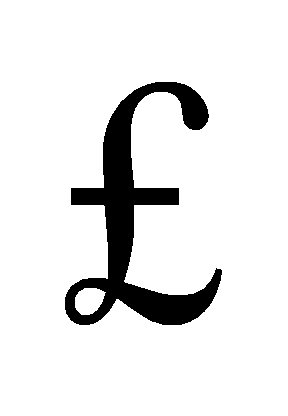 2,000 which the plaintiff made in reliance on the accounts, because the accountants knew that the accounts were required for his guidance in making that investment; but it does not extend to the subsequent 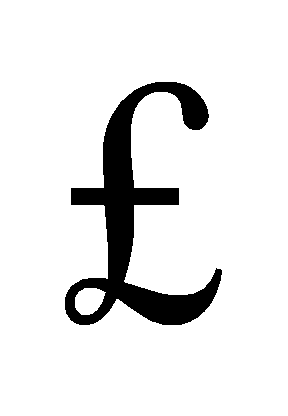 200 which he made after he had been two months with the company. This distinction, that the duty only extends to the very transaction in mind at the time, is implicit in the decided cases".
"It will be noticed that I have confined the duty to cases where the accountant prepares his accounts and makes his report for the guidance of the very person in the very transaction in question. That is sufficient for the decision of this case. I can well understand that it would be going too far to make an accountant liable to any person in the land who chooses to rely on the accounts in matters of business, for that would expose him to "liability in an indeterminate amount for an indeterminate time to an indeterminate class": see Ultramares Corporation v. Touche, per Cardozo C.J. Whether he would be liable if he prepared his accounts for the guidance of a specific class of persons in a specific class of transactions, I do not say."
Denning L.J. clearly considered that the scope of any duty of care was limited to the precise transaction for which the accountants knew that the accounts were to be used. In Hedley Byrne [1964] AC 465, a company's bankers were asked by the plaintiffs' bankers whether the company "would be good for an advertising contract of 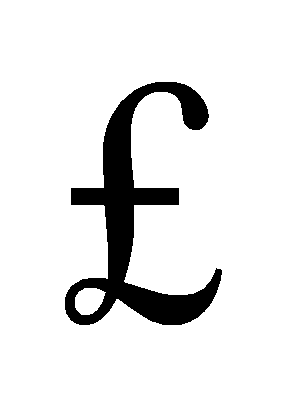 8,000 to  9,000." The company's bankers answered the question in the affirmative but, "without responsibility on the part of the bank." When the company failed, the plaintiffs sought to recover damages from the bankers for negligence in making the statement. The action failed because of the express disclaimer of responsibility, but this House, after detailed review of authority, held that a negligent statement, oral or written, could give rise to an action of damages for economic loss apart from any contractual or fiduciary relationship subsisting between the parties. In the context of this case, Hedley Byrne is perhaps most important for its approval of the dissenting judgment of Denning L.J. in Candler v. Crane, Christmas & Co. After setting out the facts in Candler, Lord Reid said [1964] AC 465, 487:
"This seems to me to be a typical case of agreeing to assume a responsibility: [the accountants] knew why the plaintiff wanted to see the accounts and why their employers, the company, wanted them to be shown to him, and agreed to show them to him without even a suggestion that he should not rely on them."
Lord Reid is again there emphasising the fact that the maker of the statement was aware of the purpose for which the accounts were required to be seen. Finally, in Smith v. Eric S. Bush [1990] 1 AC 831, the plaintiff applied for a mortgage to a building society which in pursuance of its statutory duty under the Building Societies Act 1962 instructed independent surveyors to prepare a written report as to the value of the house in question. The plaintiff paid to the building society a fee in respect of this report, and subsequently a copy thereof was provided to her. Without obtaining an independent valuation, the plaintiff bought the house which later turned out to be structurally defective. The surveyor was found to have been negligent in failing to discover the defect. This House held that, notwithstanding the presence of an exclusion clause in his report, he was thereby in breach of a duty of care owed to the plaintiff. It is clear from the speeches which were delivered that the facts which created the proximate relationship between the surveyor and the plaintiff were that the former knew that the valuation had been paid for by the plaintiff and would be shown to and probably relied upon by her in deciding whether or not to buy the house. Thus, Lord Templeman said, at p. 847:
"I agree that by obtaining and disclosing a valuation, a mortgagee does not assume responsibility to the purchaser for that valuation. But in my opinion the valuer assumes responsibility to both mortgagee and purchaser by agreeing to carry out a valuation for mortgage purposes knowing that the valuation fee has been paid by the purchaser and knowing that the valuation will probably be relied upon by the purchaser in order to decide whether or not to enter into a contract to purchase the house."
Lord Templeman undoubtedly considered that one of the necessary ingredients of the relationship of proximity was the fact that the valuer knew of the particular transaction for the purposes of which reliance would probably be placed on his report.
Lord Griffiths, after setting out three criteria for the imposition of a duty of care on an adviser, namely, foreseeability of damage, proximity of relationship and reasonableness continued, at p. 865:
"The necessary proximity arises from the surveyor's knowledge that the overwhelming probability is that the purchaser will rely upon his valuation, the evidence was that surveyors knew that approximately 90 per cent. of purchasers did so, and the fact that the surveyor only obtains the work because the purchaser is willing to pay his fee. It is just and reasonable that the duty should be imposed for the advice is given in a professional as opposed to a social context and liability for breach of the duty will be limited both as to its extent and amount. The extent of the liability is limited to the purchaser of the house - I would not extend it to subsequent purchasers."
Here Lord Griffiths is limiting the existence and scope of the duty of care to the very person and the very transaction which were in the contemplation of the surveyor at the material time.
My Lords, in each of these cases where a duty of care has been held to exist, the statement in question has, to the knowledge of its maker, been made available to the plaintiff for a particular purpose upon which he has relied. In the present case, the auditors, by accepting office, came under a statutory duty to make their report to the members of the company. The crucial issue is the purpose for which the report was made. To quote the words of Denning L.J. in the Candler case [1951] 2 K.B. 164, 183, what was the "very transaction" for which it was provided? To answer this question, it is necessary to look at the relevant provisions of Part VII of the Companies Act 1985.
Section 221 requires every company to cause accounting records to be kept which should be sufficient to show and explain the company's transactions, and should be such as (a) to disclose with reasonable accuracy the financial position of the company at the time, and (b) to enable the directors to ensure that any profit and loss account complies with the requirements of the Act. If a company's business involves dealing in goods, the accounting records require to contain statements of stock at the end of each financial year and all statements of stocktaking from which such statements of stock derive. Section 227 requires that the directors, by subsection (1) prepare a profit and loss account for the financial year in respect of each accounting reference period of the company and, by subsection (3), prepare a balance sheet as at the last day of the financial year. Section 228(2) is in the following terms:
"The balance sheet shall give a true and fair view of the state of affairs of the company as at the end of the financial year; and the profit and loss account shall give a true and fair view of the profit or loss of the company for the financial year."
In terms of section 235 the directors are required to prepare a report "containing a fair review of the development of the business of the company and its subsidiaries during the financial year and of their position at the end of it," and giving particulars of, inter alia, changes in asset values, directors' shareholdings and other interests and contributions for political and charitable purposes. Section 236 makes provision for an auditors' report in the following, inter alia, terms:
"(1) a company's auditors shall make a report to its members on the accounts examined by them, and on every balance sheet and profit and loss account, and on all group accounts, copies of which are to be laid before the company in general meeting during the auditors' tenure of office. (2) The auditors' report shall state - (a) whether in the auditors' opinion the balance sheet and profit and loss account and (if it is a holding company submitting group accounts) the group accounts have been properly prepared in accordance with this Act; and (b) without prejudice to the foregoing, whether in their opinion a true and fair view is given - (i) in the balance sheet, of the state of the company's affairs at the end of the financial year; (ii) in the profit and loss account (if not framed as a consolidated account), of the company's profit or loss for the financial year..."
Section 237(1) defines auditors' duties as follows:
"It is the duty of the company's auditors, in preparing their report, to carry out such investigations as will enable them to form an opinion as to the following matters - (a) whether proper accounting records have been kept by the company and proper returns adequate for their audit have been received from branches not visited by them, (b) whether the company's balance sheet and (if not consolidated) its profit and loss account are in agreement with the accounting records and returns."
Section 241 provides, inter alia:
"(1) In respect of each financial year of a company the directors shall lay before the company in general meeting copies of the accounts of the company for that year. (2) The auditors' report shall be read before the company in general meeting, and be open to the inspection of any member of the company. (3) In respect of each financial year the directors - ( a) shall deliver to the registrar of companies a copy of the accounts for the year..."
The accounts of a company are defined by section 239 to include, inter alia, the company's profit and loss account and balance sheet, and the directors' and auditors' reports. In terms of section 240, a copy of the company's accounts must be sent to every member not less than 21 days before the date of the meeting referred to in section 241(1). Finally, section 245 imposes penalties on directors whose defective accounts are laid before the company or delivered to the Registrar of Companies.
Three matters emerge from the statutory provisions, namely: (1) that the responsibility for the preparation of accounts giving a true and fair view of the company's financial state is placed fairly and squarely on the shoulders of the directors; (2) that the role of the auditors is to provide an independent report to the members on the proper preparation of the balance sheet and profit and loss account, and as to whether those documents give a true and fair view respectively of the state of the company's affairs at the end of the financial year and of the company's profit and loss for that year. Their role is thus purely investigative rather than creative; (3) that the company's accounts, including the auditors' report, will be furnished to all members of the company as well as to debenture holders and any other persons entitled to receive notice of general meeting. The accounts will, of course, also be available to any member of the public who chooses to examine the company file in the office of the Registrar of Companies.
So much for the circumstances in which company accounts reach the members. Circumstances which render it inevitable that auditors will be aware that their reports will be seen and relied upon by the members. However, that does not answer the fundamental question of the purpose, and hence the very transactions, for which the annual accounts of a company are prepared and distributed to its members. Mr. Goldsmith, for the auditors, submitted that the principal purpose was to provide an account of the stewardship of the directors to the shareholders as a body, and not to provide individual investors, whether shareholders or members of the public, with comparative information. Mr. Bathurst, for Caparo, on the other hand, argued that the purpose was to enable shareholders to make such individual decisions as they wished in relation to the company, including decisions as to investment, they already being investors, and decisions as to voting in general meetings.
In the Court of Appeal [1989] Q.B. 653, 685d - 690f Bingham L.J. concluded that the auditors had voluntarily assumed direct responsibility to individual shareholders to whom they owed a duty to exercise reasonable care in carrying out their audit. He further concluded that such duty was owed to a shareholder in respect of any loss sustained by him in selling, retaining, or buying shares in the company. Bingham L.J. referred to the approval by Cardozo C.J. in Ultramares Corporation v. Touche, 174 N.E. 441, 447 of an earlier statement that:
"negligent words are not actionable unless they are uttered directly, with knowledge or notice that they will be acted on, to one to whom the speaker is bound by some relation of duty, arising out of public calling, contract or otherwise, to act with care if he acts at all."
He then said, at p. 686:
"This formulation would not exclude the finding of a sufficiently proximate relationship in the present case if the words "will be acted upon" are replaced, as in English law I think they should be, by "may be acted upon.""
Taylor L.J. said, at p. 703g:
"once proximity to the shareholder is established, the auditor ought prima facie to be liable for any loss suffered in foreseeable reliance upon the report..."
In my view these observations go too far. Possibility of reliance on a statement for an unspecified purpose will not impose a duty of care on the maker to the addressee. More is required. In Smith v. Eric S. Bush [1990] 1 AC 831 it was probable, if not highly probable, that the potential purchaser would rely on the valuer's report. This probable reliance was an essential ingredient in establishing proximity. Had it merely been a possibility that the purchaser would rely on the report I very much doubt whether this House would have decided that the valuer owed a duty of care to the purchaser. Furthermore, reliance, even if probable, thereby establishing proximity, does not establish a duty of care of unlimited scope. Regard must be had to the transaction or transactions for the purpose of which the statement was made. It is loss arising from such transaction or transactions rather than "any loss" to which the duty of care extends.
I do not understand that either Bingham L.J. or Taylor L.J., in reaching their conclusions, relied to any material extent upon the purpose for which accounts of a company, including the auditors' report, are provided to members or consequentially upon the transactions for which the members were expected to use them. O'Connor L.J., in a dissenting judgment, considered that the statutory duty owed by auditors to shareholders was owed to them as a body and not as individuals.
My Lords, Part VII of the Companies Act 1985 provides that the accounts of a company for each financial year shall be laid before the company's general meeting, that is to say before the members in general meeting. Copies of the accounts must be sent to the members at least 21 days in advance, and it is obvious that the reason for this is to enable the members to prepare themselves for attendance at and participation in the meeting. The annual general meeting provides the opportunity for members to question the stewardship of the company during the preceding year, to vote for or against election or re-election of directors, to approve or disapprove the appointment or re-appointment of auditors and to take other decisions affecting the company as a whole or themselves as members of a particular class of shareholders. There is nothing in Part VII which suggests that the accounts are prepared and sent to members for any purpose other than to enable them to exercise class rights in general meeting. I therefore conclude that the purpose of annual accounts, so far as members are concerned, is to enable them to question the past management of the company, to exercise their voting rights, if so advised, and to influence future policy and management. Advice to individual shareholders in relation to present or future investment in the company is no part of the statutory purpose of the preparation and distribution of the accounts. It follows that I am in agreement with the views of O'Connor L.J. as to the nature of the statutory duty owed by auditors to shareholders.
If the statutory accounts are prepared and distributed for certain limited purposes, can there nevertheless be imposed upon auditors an additional common law duty to individual shareholders who choose to use them for another purpose without the prior knowledge of the auditors? The answer must be no. Use for that other purpose would no longer be use for the "very transaction" which Denning L.J. in the Candler case [1951] 2 K.B. 164, 183 regarded as determinative of the scope of any duty of care. Only where the auditor was aware that the individual shareholder was likely to rely on the accounts for a particular purpose such as his present or future investment in or lending to the company would a duty of care arise. Such a situation does not obtain in the present case.
The Court of Appeal unanimously rejected a submission by Caparo that an auditor owed a duty to a potential investor who held no shares. In this House it was argued that the relationship of the unwelcome bidder in a potential takeover situation was nearly as proximate to the auditor as was the relationship of a shareholder to whom the report was directed. Since I have concluded that the auditor owed no duty to an individual shareholder, it follows that this argument must also fail. The fact that a company may at a time when the auditor is preparing his report be vulnerable to a take-over bid cannot per se create a relationship of proximity between the auditor and the ultimate successful bidder. Not only is the auditor under no statutory duty to such a bidder but he will have reason at the material time to know neither of his identity nor of the terms of his bid. In this context the recent case of Al Saudi Banque v. Clarke Pixley [1990] Ch. 313 is in point. There Millett J. held that the auditors of a company owed no duty of care to a bank which lent money to the company, regardless of whether the bank was an existing creditor or a potential one, because no sufficient proximity of relationship existed in either case between the auditor and the bank. I have no doubt that this case was correctly decided and I would only add that I am in entire agreement with the careful process of reasoning whereby the judge reached his decision.
It only remains to mention Twomax Ltd. v. Dickson, McFarlane & Robinson, 1982 S.C. 113 to which your Lordships were referred. The Lord Ordinary (Lord Stewart) held that auditors owed a duty of care to potential investors who were not shareholders by applying the test of whether the defenders knew or reasonably should have foreseen at the time the accounts were audited that a person might rely on those accounts for the purpose of deciding whether or not to take over the company, and therefore would suffer loss if the accounts were inaccurate. There were in that case no such findings in fact as would support the existence of a relationship of proximity between the auditor and the unknown potential investor. I therefore consider that the reasoning of the Lord Ordinary was unsound and that the decision cannot be supported.
For the foregoing reasons, I would allow the appeal.
Appeal allowed with costs.
Cross-appeal dismissed with costs.
Solicitors: Freshfields; Berwin Leighton.
---