---
title: "\"Международная конвенция о грузовой марке 1966 года\" (LL) [рус., англ.]"
status: действует
canonical: "https://bukva.ai/docs/mezhdunarodnaya-konventsiya-o-gruzovoy-marke"
---
## "Международная конвенция о грузовой марке 1966 года" (LL) [рус., англ.]
(Вместе с "Правилами определения грузовых марок", "Зонами, районами и сезонными периодами", "Свидетельствами", "Рекомендациями")
(Подписан в г. Лондоне 05.04.1966)
> [!IMPORTANT]
> Дополнительно см. Правила предоставления судну освобождения (изъятия) от выполнения требований [Конвенции](https://bukva.ai/docs/mezhdunarodnaya-konventsiya-o-gruzovoy-marke/statya-1#p100078), утвержденные Постановлением Правительства РФ от 24.12.2008 N 1012.
> Документ [вступил](https://bukva.ai/docs/status-mezhdunarodnoy-konventsii-o-gruzovoy#p100048) 21 июля 1968 года.
> ДОкумент [вступил](https://bukva.ai/docs/status-mezhdunarodnoy-konventsii-o-gruzovoy#p100048) в силу для СССР 22 июля 1968 года.
> Документ вступил в силу в соответствии с [пунктом 1 статьи 28](https://bukva.ai/docs/mezhdunarodnaya-konventsiya-o-gruzovoy-marke/statya-28#p100246).
## Статья 1
### МЕЖДУНАРОДНАЯ КОНВЕНЦИЯ О ГРУЗОВОЙ МАРКЕ 1966 ГОДА
**(Лондон, 5 апреля 1966 года)**
Договаривающиеся правительства,
желая установить единые принципы и правила, касающиеся предельной загрузки судов, совершающих международные рейсы, что способствовало бы усилению охраны человеческой жизни и имущества на море;
считая, что лучшим способом для достижения этой цели является заключение Конвенции;
**согласились о следующем.**
### Статья 1
**Общие обязательства по Конвенции**
1. Договаривающиеся правительства обязуются осуществлять положения настоящей Конвенции и Приложений к ней, которые составляют неотъемлемую часть настоящей Конвенции. Всякая ссылка на настоящую Конвенцию означает одновременно ссылку на эти Приложения.
2. Договаривающиеся правительства примут все меры, которые могут быть необходимы для осуществления настоящей Конвенции.
## Статья 2
### Статья 2
Для целей настоящей Конвенции, если иное специально не оговорено:
1. "Правила" означают Правила, приложенные к настоящей Конвенции.
2. "Администрация" означает правительство государства, под флагом которого плавает судно.
3. "Одобрено" означает одобрено Администрацией.
4. "Международный рейс" означает морской рейс из страны, на которую распространяется настоящая Конвенция, в порт, расположенный за пределами этой страны, или наоборот. В этом смысле любая территория, за внешние сношения которой несет ответственность Договаривающееся правительство или для которой Организация Объединенных Наций является управляющей властью, рассматривается в качестве отдельной страны.
5. "Рыболовное судно" означает судно, используемое для промысла рыбы, китов, тюленей, моржей или других живых ресурсов моря.
6. "Новое судно" означает судно, киль которого заложен или которое находится в подобной стадии постройки в день либо после дня вступления в силу настоящей Конвенции для каждого Договаривающегося правительства.
7. "Существующее судно" означает судно, которое не является новым судном.
8. "Длина" означает длину, равную 96% полной длины судна, взятой по ватерлинии при осадке, равной 85% минимальной теоретической высоты надводного борта, измеренной от киля, как определено и правиле 3, [п. 5 "a"](https://bukva.ai/docs/mezhdunarodnaya-konventsiya-o-gruzovoy-marke/statya-34#p100325) Приложения I, или длину судна от передней кромки форштевня до оси баллера руля, взятую по той же ватерлинии, смотря по тому, что больше. На судах, спроектированных с дифферентом, ватерлиния, по которой измеряется длина, должна быть параллельна конструктивной ватерлинии.
## Статья 3
### Статья 3
1. Судно, к которому применяется настоящая Конвенция, не может выйти в море в международный рейс после вступления в силу настоящей Конвенции, если оно не было освидетельствовано, ему не была нанесена грузовая марка и не выдано Международное свидетельство о грузовой марке (1966 г.) или, когда необходимо, Международное свидетельство об изъятии для грузовой марки в соответствии с положениями настоящей Конвенции.
2. Ничто в настоящей Конвенции не препятствует Администрации назначать больший надводный борт, чем минимальный надводный борт, определенный в соответствии с [Приложением I.](https://bukva.ai/docs/mezhdunarodnaya-konventsiya-o-gruzovoy-marke/statya-34#p100299)
## Статья 4
### Статья 4
1. Настоящая Конвенция применяется:
a) к судам, зарегистрированным в странах, правительства которых являются Договаривающимися правительствами;
b) к судам, зарегистрированным в территориях, на которые настоящая Конвенция распространена в соответствии со [статьей 32,](https://bukva.ai/docs/mezhdunarodnaya-konventsiya-o-gruzovoy-marke/statya-32#p100282) и
c) к незарегистрированным судам, плавающим под флагом государства, правительство которого является Договаривающимся правительством.
2. Настоящая Конвенция применяется к судам, совершающим международные рейсы.
3. Правила, содержащиеся в [Приложении I](https://bukva.ai/docs/mezhdunarodnaya-konventsiya-o-gruzovoy-marke/statya-34#p100299), применяются главным образом к новым судам.
4. Существующие суда, которые не отвечают полностью требованиям правил, содержащихся в Приложении I, или какой-либо их части, должны отвечать по меньшей мере тем соответствующим требованиям, которые Администрация применяла к судам, совершающим международные рейсы, до вступления в силу настоящей Конвенции; от таких судов ни в коем случае не требуется увеличения их надводного борта. Существующие суда должны отвечать всем требованиям настоящей Конвенции, чтобы получить любое уменьшение высоты надводного борта по сравнению с той, которая им была установлена ранее.
5. Правила, содержащиеся в [Приложении II,](https://bukva.ai/docs/mezhdunarodnaya-konventsiya-o-gruzovoy-marke/statya-34#p101307) применяются к новым и существующим судам, на которые распространяется настоящая Конвенция.
## Статья 5
### Статья 5
1. Настоящая Конвенция не применяется:
a) к военным кораблям,
b) к новым судам длиной менее 24 метров (79 футов),
c) к существующим судам валовой вместимостью менее 150 регистровых тонн,
d) к прогулочным яхтам, не занимающимся коммерческими перевозками, и
e) к рыболовным судам.
2. Ничто в настоящей Конвенции не применяется к судам, совершающим плавание исключительно:
a) по Великим Озерам Северной Америки и по реке Св. Лаврентия в пределах, ограниченных на востоке прямой линией, проведенной от мыса Розье до мыса Вест-Пойнт на острове Антикости, и далее прямой линией, проведенной от острова Антикости в северном направлении по меридиану 63 град. западной долготы,
b) в Каспийском море,
c) по рекам Ла-Плата, Парана и Уругвай в пределах, ограниченных на востоке прямой линией, проведенной между Пунта Раза (Кабо-Сан-Антонио), Аргентина, и Пунта дель Эсте, Уругвай.
## Статья 6
### Статья 6
1. Суда, когда они совершают международные рейсы между близлежащими портами двух или более государств, могут быть освобождены администрацией от выполнения требований настоящей Конвенции пока они совершают такие рейсы, если правительства государств, в которых расположены такие порты, признают, что благодаря безопасному характеру или условиям таких рейсов между упомянутыми портами применение положений настоящей Конвенции к судам, совершающим подобные рейсы, является неразумным или излишним.
2. Администрация может освободить судно, имеющее новые конструктивные особенности, от выполнения любого положения настоящей Конвенции, применение которого могло бы серьезно затруднить исследования в области упомянутых особенностей и их применение на судах, совершающих международные рейсы. Такое судно должно, однако, отвечать требованиям безопасности, которые, по мнению Администрации, являются достаточными для осуществления перевозок, для которых судно предназначено, и обеспечивают его полную безопасность, а также приемлемы для правительств государств, которые будет посещать судно.
3. Администрация, разрешающая изъятие согласно [пунктам 1](https://bukva.ai/docs/mezhdunarodnaya-konventsiya-o-gruzovoy-marke/statya-6#p100127) и [2](https://bukva.ai/docs/mezhdunarodnaya-konventsiya-o-gruzovoy-marke/statya-6#p100128) настоящей статьи, сообщает Межправительственной морской консультативной организации (ниже именуемой Организацией) данные о таком изъятии и его причины, которые Организация рассылает другим Договаривающимся правительствам для сведения.
4. Судно, не совершающее, как правило, заграничных рейсов, но которому при исключительных обстоятельствах потребуется совершить единичный международный рейс, может быть освобождено Администрацией от выполнения любого из требований настоящей Конвенция при условии, что оно отвечает требованиям безопасности, которые, по мнению Администрации, являются достаточными для выполнения судном упомянутого рейса.
## Статья 7
### Статья 7
**Случаи непреодолимой силы**
1. Выполнение положений настоящей Конвенции на судне, не подпадающем под действие этих положений в момент его выхода в любой рейс, не требуется в случае любого его отклонения от своего намеченного рейса в силу наступления непогоды или любого другого случая непреодолимой силы.
2. Применяя положения настоящей Конвенции, Договаривающиеся правительства должны надлежащим образом учитывать любое отклонение или задержку судна, вызванные наступлением непогоды или любым другим случаем непреодолимой силы.
## Статья 8
### Статья 8
1. Администрация может разрешить применять на судне оборудование, материалы, средства и приборы или предпринять мероприятия иные, чем требуются настоящей Конвенцией, если она удовлетворится путем их испытания или другим образом, что такое оборудование, материал, средства и приборы или мероприятия являются не менее эффективными, чем требуемые Конвенцией.
2. Администрация, которая разрешает применение оборудования, материала, средств и приборов, а также мероприятия, отличные от предусмотренных настоящей Конвенцией, направляет Организации для рассылки Договаривающимся правительствам данные об этом вместе с отчетом о проведенных испытаниях.
## Статья 9
### Статья 9
**Разрешения для экспериментальных целей**
1. Ничто в настоящей Конвенции не препятствует Администрации разрешать особые мероприятия для экспериментальных целей в отношении судна, к которому применяется настоящая Конвенция.
2. Администрация, разрешающая такие мероприятия, сообщает данные о них Организации для рассылки Договаривающимся правительствам.
## Статья 10
### Статья 10
**Ремонт, переоборудование и модернизация**
1. Судно, которое подвергается ремонту, переоборудованию и модернизации и на котором в связи с этим устанавливается оборудование, должно после этого отвечать, по меньшей мере, требованиям, ранее применявшимся к этому судну. При этом требования к существующему судну, не должны, как правило, отличаться от требований к новому судну в большей степени, чем это имело место до ремонта.
2. Ремонт, переоборудование и модернизация судна существенного характера и устанавливаемое на нем оборудование должны отвечать требованиям для новых судов в той степени, в какой Администрация считает это разумным и целесообразным.
## Статья 11
### Статья 11
1. Судно, на которое распространяется настоящая Конвенция, должно отвечать требованиям, применяемым к этому судну в зонах и районах, описанных в [Приложении II.](https://bukva.ai/docs/mezhdunarodnaya-konventsiya-o-gruzovoy-marke/statya-34#p101307)
2. Порт, расположенный на границе двух зон или районов, считается находящимся в пределах той зоны или района, откуда судно прибывает или куда оно направляется.
## Статья 12
### Статья 12
**Положение грузовой марки**
1. За исключением случаев, предусмотренных в [пунктах 2](https://bukva.ai/docs/mezhdunarodnaya-konventsiya-o-gruzovoy-marke/statya-12#p100154) и [3](https://bukva.ai/docs/mezhdunarodnaya-konventsiya-o-gruzovoy-marke/statya-12#p100155) настоящей статьи, грузовые марки на бортах судна, соответствующие сезону года и зоне или району, в котором судно может оказаться, не должны быть погружены на протяжении всего времени, когда судно выходит в море, находится в плавании и приходит в порт.
2. Когда судно находится в пресной воде с плотностью единица, соответствующая грузовая марка может быть погружена на величину поправки на пресную воду, указанную в Международном свидетельстве о грузовой марке (1966). В тех случаях, когда плотность воды отличается от единицы, поправка должна быть пропорциональна разнице между 1,025 и действительной плотностью.
3. Когда судно отправляется из порта, расположенного на реке или во внутренних водах, допускается его большая загрузка соответственно весу топлива и всех других материалов, используемых судном между портом отправления и морем.
## Статья 13
### Статья 13
**Освидетельствование, проверка и нанесение грузовых марок**
Освидетельствование, проверка и нанесение грузовых марок в осуществление положений настоящей Конвенции и предоставление изъятий производятся должностными лицами Администрации. Однако Администрация может поручить проведение освидетельствования, проверки и нанесения грузовых марок либо инспекторам, назначенным для этой цели, либо организациям, должным образом уполномоченным ею. В каждом случае соответствующая Администрация полностью гарантирует полноту и тщательность освидетельствования, проверки и нанесения грузовых марок.
## Статья 14
### Статья 14
**Первоначальные и периодические**
**освидетельствования и проверки**
1. Судно подлежит следующим освидетельствованиям и проверкам:
a) освидетельствованию перед вводом судна в эксплуатацию, которое включает полную проверку его конструкции и устройств в пределах, предусмотренных для судна настоящей Конвенцией. Такое освидетельствование проводится, чтобы удостовериться в том, что расположение, материал и набор судна полностью отвечают требованиям настоящей Конвенции,
b) периодическому освидетельствованию, проводимому через установленные Администрацией промежутки времени, но не превышающие пяти лет, чтобы удостовериться в том, что расположение, оборудование, устройства, материал и набор судна полностью отвечают требованиям настоящей Конвенции,
c) периодической проверке в пределах трех месяцев до или после истечения каждого годичного срока со дня выдачи свидетельства, чтобы удостовериться в том, что в корпусе и надстройках судна не было произведено изменений, влияющих на расчет определения места нанесения грузовых марок, и что устройства и средства для:
i) закрытия отверстий,
ii) лееров,
iii) штормовых портиков и
iv) доступа в помещения команды содержатся в надлежащем состоянии.
2. О периодических проверках, упомянутых в [пункте 1 "c"](https://bukva.ai/docs/mezhdunarodnaya-konventsiya-o-gruzovoy-marke/statya-14#p100164) настоящей статьи, делается запись в Международном свидетельстве о грузовой марке (1966 г.) или в Международном свидетельстве об изъятии для грузовой марки, выдаваемом в соответствии с [пунктом 2](https://bukva.ai/docs/mezhdunarodnaya-konventsiya-o-gruzovoy-marke/statya-6#p100128) статьи 6 настоящей Конвенции.
## Статья 15
### Статья 15
**Сохранение условий после освидетельствования**
После проведения любого освидетельствования в соответствии со статьей 14 без санкции Администрации не допускается никаких изменений в конструкции, оборудовании, устройствах, материалах или наборе корпуса, подвергшихся освидетельствованию.
## Статья 16
### Статья 16
1. Международное свидетельство о грузовой марке (1966 г.) выдается каждому судну, которое было освидетельствовано и которому были нанесены грузовые марки в соответствии с настоящей Конвенцией.
2. Международное свидетельство об изъятии для грузовой марки выдается судну на основании и в соответствии с [пунктами 2](https://bukva.ai/docs/mezhdunarodnaya-konventsiya-o-gruzovoy-marke/statya-6#p100128) и [4](https://bukva.ai/docs/mezhdunarodnaya-konventsiya-o-gruzovoy-marke/statya-6#p100130) статьи 6.
3. Такие свидетельства выдаются Администрацией либо лицом или организацией, должным образом уполномоченными ею. В каждом случае Администрация несет полную ответственность за свидетельство.
4. Независимо от других положений настоящей Конвенции, любое международное свидетельство о грузовой марке, которое действует на дату вступления в силу настоящей Конвенции для правительства государства, под флагом которого плавает судно, остается в силе в течение двух лет или до истечения срока его действия, смотря по тому, что наступит раньше. После этого требуется Международное свидетельство о грузовой марке (1966 г.)
## Статья 17
### Статья 17
**Выдача свидетельства другим правительством**
1. Договаривающееся правительство может по просьбе другого Договаривающегося правительства поручить произвести освидетельствование судна и, удостоверившись, что судно отвечает положениям настоящей Конвенции, выдать или уполномочить выдать ему Международное свидетельство о грузовой марке (1966 г.) в соответствии с настоящей Конвенцией.
2. Копия свидетельства, копия доклада об освидетельствовании, на основании которого производится расчет надводного борта, и копия самого расчета представляются в возможно короткий срок правительству, по просьбе которого осуществляется освидетельствование.
3. Выданное таким образом свидетельство должно содержать запись о том, что оно было выдано по просьбе правительства государства, под флагом которого плавает или будет плавать судно. Оно имеет такую же силу и признается наравне со свидетельством, выдаваемым в соответствии со [статьей 16.](https://bukva.ai/docs/mezhdunarodnaya-konventsiya-o-gruzovoy-marke/statya-16#p100174)
4. Международное свидетельство о грузовой марке (1966 г.) не будет выдаваться судну, которое плавает под флагом государства, правительство которого не является Договаривающимся правительством.
## Статья 18
### Статья 18
1. Свидетельства составляются на официальном языке или языках страны выдачи. Если оно составлено не на английском или французском языках, его текст должен включать перевод на один из этих языков.
2. Форма свидетельств должна соответствовать образцам, приведенным в [Приложении III](https://bukva.ai/docs/mezhdunarodnaya-konventsiya-o-gruzovoy-marke/statya-34#p101477). Выдаваемые свидетельства и их заверенные копии должны в точности воспроизводить расположение печатного текста образца свидетельства.
## Статья 19
### Статья 19
**Срок действия Свидетельств**
1. Международное свидетельство о грузовой марке (1966 г.) выдается на устанавливаемый Администрацией срок, который не должен превышать пяти лет, считая со дня его выдачи.
2. Если после периодического освидетельствования, упомянутого в [пункте 1 "b"](https://bukva.ai/docs/mezhdunarodnaya-konventsiya-o-gruzovoy-marke/statya-14#p100163) статьи 14, новое свидетельство не может быть выдано судну до истечения срока действия первоначально выданного свидетельства, лицо или организация, производящие освидетельствование, могут продлить указанное свидетельство на срок, который не должен превышать пяти месяцев. О таком продлении в свидетельстве делается запись и оно предоставляется только в тех случаях, когда в конструкции, оборудовании, расположении, материале или наборе судна не было произведено изменений, затрагивающих надводный борт судна.
3. Международное свидетельство о грузовой марке (1966 г.) аннулируется Администрацией при наличии одного из следующих обстоятельств:
a) в корпусе или надстройках судна были произведены существенные изменения, которые могут потребовать увеличения надводного борта;
b) устройства и средства, упомянутые в [пункте 1 "c"](https://bukva.ai/docs/mezhdunarodnaya-konventsiya-o-gruzovoy-marke/statya-14#p100164) статьи 14, не содержатся в надлежащем состоянии;
c) в свидетельстве не сделана запись о том, что судно прошло проверку в соответствии с пунктом 1 "c" статьи 14;
d) прочность конструкции судна снижена до пределов, не обеспечивающих его безопасность.
4. a) срок действий Международного свидетельства об изъятии для грузовой марки, выданного Администрацией судну, освобождаемому от выполнения требований Конвенции в соответствии с [пунктом 2](https://bukva.ai/docs/mezhdunarodnaya-konventsiya-o-gruzovoy-marke/statya-6#p100128) статьи 6, не должен превышать пяти лет со дня его выдачи. Такое свидетельство возобновляется, продлевается и аннулируется в том же порядке, как и Свидетельство о грузовой марке (1966 г.) согласно настоящей статье,
b) срок действия Международного свидетельства об изъятии для грузовой марки, выданного судну, освобождаемому от выполнения требований Конвенции в соответствии с [пунктом 4](https://bukva.ai/docs/mezhdunarodnaya-konventsiya-o-gruzovoy-marke/statya-6#p100130) статьи 6, ограничивается продолжительностью единичного рейса, для которого оно выдается.
5. Свидетельство, выданное судну Администрацией, теряет силу при передаче этого судна под флаг другого государства.
## Статья 20
### Статья 20
**Признание свидетельств**
Свидетельства, выданные от имени Договаривающегося правительства в соответствии с настоящей Конвенцией, признаются другими Договаривающимися правительствами и рассматриваются для всех целей, предусмотренных настоящей Конвенцией, как имеющие такую же силу, как и свидетельства, выданные ими самими.
## Статья 21
### Статья 21
1. Суда, имеющие Свидетельство, выданное в соответствии со [статьей 16](https://bukva.ai/docs/mezhdunarodnaya-konventsiya-o-gruzovoy-marke/statya-16#p100174) или [статьей 17,](https://bukva.ai/docs/mezhdunarodnaya-konventsiya-o-gruzovoy-marke/statya-17#p100180) подлежат в портах других Договаривающихся правительств контролю, осуществляемому должностными лицами, надлежащим образом уполномоченными этими правительствами. Договаривающиеся правительства обеспечивают осуществление такого контроля, поскольку это разумно и целесообразно, для установления факта, что на судне имеется действительное свидетельство в соответствии с настоящей Конвенцией. Если на судне имеется действительное Международное свидетельство о грузовой марке (1966 г.), то контроль ограничивается установлением того, что:
a) судно не загружено сверх пределов, разрешаемых свидетельством,
b) расположение грузовой марки на судне соответствует свидетельству, и
c) судно в том, что касается условий, изложенных в [п. 3 "a"](https://bukva.ai/docs/mezhdunarodnaya-konventsiya-o-gruzovoy-marke/statya-19#p100195) и ["b" статьи 19](https://bukva.ai/docs/mezhdunarodnaya-konventsiya-o-gruzovoy-marke/statya-19#p100196), не подвергалось таким существенным изменениям, вследствие которых оно явно не в состоянии выйти в море без опасности для человеческой жизни.
Если на судне имеется действительное Международное свидетельство об изъятии для грузовой марки, то контроль ограничивается установлением того, что соблюдены все условия, содержащиеся в этом Свидетельстве.
2. Если такой контроль осуществляется в соответствии с пунктом [1 "c"](https://bukva.ai/docs/mezhdunarodnaya-konventsiya-o-gruzovoy-marke/statya-21#p100210) настоящей статьи, то он производится в такой степени, насколько это необходимо, для того, чтобы удостовериться, что судно не выйдет в море до тех пор, пока такой выход не будет безопасен для пассажиров и команды.
3. В случае, если в результате контроля, предусмотренного настоящей статьей, возникает вопрос о любого рода вмешательстве, то должностное лицо, осуществляющее такой контроль, немедленно информирует в письменной форме Консула или Дипломатического представителя государства, под флагом которого плавает судно, о таком решении, а также обо всех обстоятельствах, при которых вмешательство было сочтено необходимым.
## Статья 22
### Статья 22
Судно, не имеющее действительного свидетельства, выданного в соответствии с настоящей Конвенцией, не может претендовать на преимущества, предоставляемые Конвенцией.
## Статья 23
### Статья 23
1. Каждая Администрация обязуется производить расследование любой аварии судов, за которые она несет ответственность и которые подпадают под действие настоящей Конвенции, если она полагает, что такое расследование может помочь в определении того, какие изменения было бы желательно внести в Конвенцию.
2. Каждое Договаривающееся правительство обязуется представлять Организации надлежащую информацию о результатах таких расследований. Доклады или рекомендации Организации, основанные на данных такой информации, не должны разглашать название либо национальную принадлежность соответствующих судов или каким-либо образом возлагать ответственность на какое-либо судно или лицо, либо предполагать такую ответственность.
## Статья 24
### Статья 24
**Предыдущие договоры и конвенции**
1. Все другие действующие в настоящее время между правительствами - участниками настоящей Конвенции договоры, конвенции и соглашения по вопросам грузовой марки продолжают сохранять полную силу в течение их срока действия в отношении:
a) судов, к которым настоящая Конвенция не применяется, и
b) судов, к которым настоящая Конвенция применяется, но по вопросам, которые в ней специально не предусматриваются.
2. Однако в тех случаях, когда такие договоры, конвенции или соглашения противоречат положениям настоящей Конвенции, преимущественную силу имеют положения настоящей Конвенции.
## Статья 25
### Статья 25
**Особые правила, установленные по соглашению**
Если в соответствии с настоящей Конвенцией по соглашению между всеми или некоторыми Договаривающимися правительствами устанавливаются особые правила, то такие правила сообщаются Организации для рассылки всем Договаривающимся правительствам.
## Статья 26
### Статья 26
**Представление информации**
1. Договаривающиеся правительства обязуются направлять и передавать на хранение Организации:
a) достаточное количество образцов свидетельств, выдаваемых ими в соответствии с положениями настоящей Конвенции, для рассылки Договаривающимся правительствам,
b) тексты законов, декретов, приказов, правил и других документов, изданных ими по различным вопросам применения настоящей Конвенции, и
c) список неправительственных организаций, которые уполномочены от их имени заниматься вопросами грузовой марки, для рассылки другим Договаривающимся правительствам.
2. Каждое Договаривающееся правительство соглашается передать свои нормы прочности судов любому из Договаривающихся правительств по его просьбе.
## Статья 27
### Статья 27
Подписание, принятие и присоединение
1. Настоящая Конвенция будет открыта для подписания в течение трех месяцев с 5 апреля 1966 года и затем будет открыта для присоединения. Правительства государств - членов Организации Объединенных Наций, любого из ее специализированных учреждений, Международного агентства по атомной энергии или участники [Статута](https://bukva.ai/docs/statut-mezhdunarodnogo-suda/statya-1) Международного Суда могут стать участниками Конвенции путем:
a) подписания без оговорки о принятии,
b) подписания с оговоркой о принятии с последующим принятием, или
**2. Принятие или присоединение осуществляется путем сдачи на хранение документа о принятии или присоединении Организации, которая информирует все правительства, подписавшие Конвенцию или присоединившиеся к ней, о каждом новом документе о принятии или присоединении и о дате его депонирования.**
## Статья 28
###
Статья 28
**ПРАВИЛА ОПРЕДЕЛЕНИЯ ГРУЗОВЫХ МАРОК**
Правила предполагают, что род и размещение груза, балласта и т.д. обеспечивают достаточную остойчивость судна и не создают в его конструкциях чрезмерных напряжений.
Правила также предполагают, что международные требования по остойчивости и делению судна на отсеки там, где они существуют, выполнены.
**Правило 1**
Администрация должна удостовериться, что общая конструктивная прочность судна достаточна для осадки, соответствующей назначенному надводному борту. Суда, построенные и поддерживаемые в состоянии, соответствующем требованиям Классификационного общества, признанного Администрацией, могут рассматриваться как обладающие достаточной прочностью.
**Правило 2**
1. Судам с механическими средствами движения, а также лихтерам, баржам или другим судам без независимых средств движения, надводный борт должен назначаться в соответствии с положениями [правил 1](https://bukva.ai/docs/mezhdunarodnaya-konventsiya-o-gruzovoy-marke/statya-34#p100304) - [40](https://bukva.ai/docs/mezhdunarodnaya-konventsiya-o-gruzovoy-marke/statya-34#p101234) включительно настоящего Приложения.
2. Судам, перевозящим палубные лесные грузы, в дополнение к надводным бортам, указанным в пункте 1 настоящего правила, могут быть назначены лесные надводные борта в соответствии с положениями [правил 41](https://bukva.ai/docs/mezhdunarodnaya-konventsiya-o-gruzovoy-marke/statya-34#p103320) - [45](https://bukva.ai/docs/mezhdunarodnaya-konventsiya-o-gruzovoy-marke/statya-34#p101289) включительно настоящего Приложения.
3. Судам, спроектированным для несения парусов, которые являются единственным или дополнительным средством движения, и буксирам надводный борт должен назначаться в соответствии с положениями [правил 1](https://bukva.ai/docs/mezhdunarodnaya-konventsiya-o-gruzovoy-marke/statya-34#p100304) - [40](https://bukva.ai/docs/mezhdunarodnaya-konventsiya-o-gruzovoy-marke/statya-34#p101234) включительно настоящего Приложения. Требуемый дополнительный надводный борт определяется Администрацией.
4. Судам композитной конструкции, судам из дерева или из других материалов, применение которых одобрено Администрацией, а также судам, конструкция которых делает применение положений настоящего Приложения нецелесообразным или непрактичным, назначаемые надводные борта должны определяться Администрацией.
5. [Правила с 10](https://bukva.ai/docs/mezhdunarodnaya-konventsiya-o-gruzovoy-marke/statya-34#p103317) по [26](https://bukva.ai/docs/mezhdunarodnaya-konventsiya-o-gruzovoy-marke/statya-34#p100548) включительно настоящего Приложения должны применяться к каждому судну, которому назначен минимальный надводный борт. Смягчение этих требований может быть допущено на судне, которому назначен надводный борт больше минимального, при условии, что Администрация будет удовлетворена предусмотренными мерами безопасности.
**Правило 3**
**Определение терминов,**
**применяемых в данных Приложениях**
1. Длина.
Длина (L) должна приниматься равной 96 процентам полной длины по ватерлинии, проходящей на высоте 85 процентов наименьшей теоретической высоты борта, измеренной от киля, как определено в [пункте 5 "a"](https://bukva.ai/docs/mezhdunarodnaya-konventsiya-o-gruzovoy-marke/statya-34#p100325) настоящего правила, или длине от передней кромки форштевня до оси баллера руля по той же ватерлинии, если эта длина больше. На судах, спроектированных с дифферентом, ватерлиния, по которой измеряется длина судна, должна быть параллельна конструктивной ватерлинии.
2. Перпендикуляры.
Носовой и кормовой перпендикуляры должны находиться в носовом и кормовом концах длины (L). Носовой перпендикуляр должен совпадать с передней кромкой форштевня на ватерлинии, по которой измеряется длина.
3. Мидель судна.
Мидель судна находится на середине длины (L).
4. Ширина.
Шириной судна (B), если другое не оговорено особо, является наибольшая ширина судна, измеренная на миделе до теоретических обводов шпангоутов на судах с металлической обшивкой и до наружной поверхности корпуса на судах с обшивкой из другого материала.
5. Теоретическая высота борта:
a) Теоретической высотой борта является вертикальное расстояние, измеренное от верхней кромки горизонтального киля до верхней кромки бимса палубы надводного борта у борта. На деревянных и композитных судах это расстояние измеряется от нижней кромки шпунта в киле. Если днище судна в миделевом сечении имеет вогнутую форму или, если имеются утолщенные шпунтовые поясья, то высота борта измеряется от точки пересечения продолженной плоской части днища с поверхностью киля.
b) На судах, имеющих закругленное соединение палубы с бортом, теоретическая высота борта должна измеряться до точки пересечения теоретических линий палубы и борта, как если бы это было угловое соединение.
c) В случае, если палуба надводного борта имеет уступ и возвышенная часть палубы простирается над точкой измерения теоретической высоты борта, то теоретическая высота борта должна измеряться до условной линии, являющейся продолжением нижней части палубы параллельно возвышенной части.
6. Расчетная высота борта:
a) Расчетной высотой борта (D) является теоретическая высота борта на миделе плюс толщина листа палубного стрингера палубы надводного борта, если он имеется, плюс T(L-S)/L, если открытая палуба надводного борта имеет покрытие,
где T - средняя толщина покрытия открытого настила вне палубных отверстий и
S - общая длина надстроек, определение которой дано в [подпункте 10 "d"](https://bukva.ai/docs/mezhdunarodnaya-konventsiya-o-gruzovoy-marke/statya-34#p100367) настоящего правила.
b) Расчетной высотой борта (D) на судне, имеющем закругленное соединение палубы с бортом с радиусом более 4 процентов ширины (B) или иное необычное соединение, является высота борта судна, имеющего миделевое сечение с вертикальными бортами вверху, с такой же погибью бимса и площадью верхней части сечения, равной площади верхней части действительного миделевого сечения.
7. Коэффициент общей полноты.
Коэффициент общей полноты (Cb) определяется по формуле:
*$C_{b} = \frac{v -}{L.B.d_{1}}$ ;*
*где 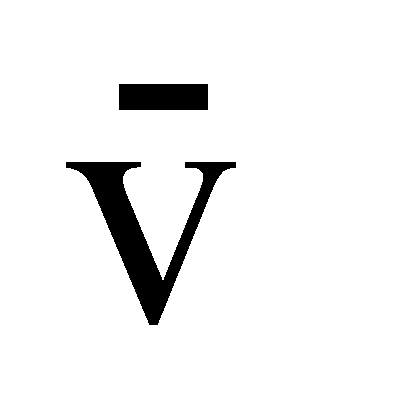 - объемное водоизмещение судна без выступающих частей на судах с металлической обшивкой и объемное водоизмещение по наружную поверхность корпуса на судах с обшивкой из другого материала, принимаемые при теоретической осадке корпуса d1;*
*d1 - равняется 85 процентам наименьшей теоретической высоты борта.*
*8. Надводный борт.*
*Назначенный надводный борт является расстоянием, измеренным отвесно на миделе от верхней кромки палубной линии до верхней кромки соответствующей грузовой марки.*
*9. Палуба надводного борта.*
*Палубой надводного борта является обычно самая верхняя непрерывная открытая палуба, имеющая постоянные средства закрытия всех отверстий на открытых ее частях и постоянные водонепроницаемые средства закрытия отверстий в бортах судна ниже указанной палубы. На судне, имеющем палубу надводного борта с уступом, самая низкая линия открытой палубы и ее продолжение параллельно верхней части палубы принимаются за палубу надводного борта.*
*По желанию судовладельца, при одобрении Администрации, за палубу надводного борта может быть принята палуба, расположенная ниже, при условии, что последняя является сплошной и постоянной палубой, непрерывной в продольном направлении по крайней мере между машинным отделением и пиковыми переборками, а также непрерывной в поперечном направлении. Если эта палуба имеет уступы, то самая нижняя линия палубы и ее продолжение параллельно верхней части палубы принимаются за палубу надводного борта. Когда палубой надводного борта назначается нижняя палуба, то та часть корпуса, которая находится выше палубы надводного борта, рассматривается как надстройка при применении условий назначения и вычислений надводного борта. Именно от этой палубы рассчитывается надводный борт.*
*10. Надстройка:*
*a) Надстройкой является закрытое палубой сооружение на палубе надводного борта, простирающееся от борта до борта или не доходящее до бортов судна на расстояние не более 4 процентов ширины (B). Возвышенный квартердек рассматривается как надстройка.*
*b) Закрытой надстройкой является надстройка, у которой:*
*i) концевые переборки имеют надежную конструкцию;*
*ii) отверстия для доступа, если таковые имеются в этих переборках, снабжены дверями, соответствующими требованиям [правила 12;](https://bukva.ai/docs/mezhdunarodnaya-konventsiya-o-gruzovoy-marke/statya-34#p100427)*
*iii) все прочие отверстия в бортах или концах надстроек снабжены надежными, непроницаемыми при воздействии моря средствами закрытия.*
*Средняя надстройка и ют не должны рассматриваться как закрытые, если для экипажа не обеспечен доступ в машинное отделение и прочие рабочие помещения внутри этих надстроек другими путями во все время, когда отверстия в переборках закрыты.*
*c) Высотой надстройки является минимальное вертикальное расстояние, измеренное у борта от верхней кромки бимса палубы надстройки до верхней кромки бимса палубы надводного борта.*
*d) Длиной надстройки (S) является средняя длина той части надстройки, которая находится в пределах длины (L).*
*11. Гладкопалубное судно.*
*Гладкопалубным считается судно, не имеющее надстроек на палубе надводного борта.*
*12. Непроницаемый при воздействии моря.*
*Термин "непроницаемый при воздействии моря" относится к надводной части судна и означает, что в любых морских условиях вода не проникнет внутрь судна.*
*Правило 4*
*Палубная линия*
*Палубной линией является горизонтальная линия длиной 300 миллиметров (12 дюймов) и шириной 25 миллиметров (1 дюйм). Она должна наноситься на миделе с каждого борта судна, и ее верхняя кромка должна обычно проходить через точку, в которой продолженная наружу верхняя поверхность палубы надводного борта пересекается с*
наружной поверхностью обшивки судна (см. рис. 1 [<*>).](https://bukva.ai/docs/mezhdunarodnaya-konventsiya-o-gruzovoy-marke/statya-34#p100376) Предусматривается, что палубная линия может быть нанесена, исходя из другой установленной точки на судне, при условии, что надводный борт соответственно исправлен. Положение упомянутой точки относительно палубы надводного борта должно быть во всех случаях указано в Международном свидетельстве о грузовой марке (1966 г.).
---
<*> Не приводится.
Правило 5
Знак грузовой марки
Знак грузовой марки должен представлять собой кольцо с наружным диаметром 300 миллиметров (12 дюймов) и шириной 25 миллиметров (1 дюйм), которое пересекается горизонтальной линией длиной 450 миллиметров (18 дюймов) и шириной 25 миллиметров (1 дюйм) так, что верхняя кромка этой горизонтальной линии проходит через центр кольца. Центр кольца должен быть помещен на миделе судна и на расстоянии, равном назначенному летнему надводному борту, измеренному вертикально вниз от верхней кромки палубной линии (см. рис. 2 <*>).
---
<*> Не приводится.
Правило 6
Марки, применяемые со знаком грузовой марки
1. Марки, которые отмечают грузовые ватерлинии, назначенные в соответствии с настоящими правилами, должны быть горизонтальными линиями, длиною 230 миллиметров (9 дюймов) и шириною 25 миллиметров (1 дюйм), которые, если другое не оговорено особо, наносятся в нос и перпендикулярно к вертикальной линии шириной 25 миллиметров (1 дюйм), проведенной на расстоянии 540 миллиметров (21 дюйм) в нос от центра кольца (см. рис. 2 <*>).
---
<*> Не приводится.
2. Применяют следующие марки:
a) Летняя грузовая марка, определяемая верхней кромкой линии, которая проходит через центр кольца, а также линией, отмеченной S.
*b) Зимняя грузовая марка, определяемая верхней кромкой линии, отмеченной "W".*
*c) Зимняя грузовая марка для Северной Атлантики, определяемая верхней кромкой линии, отмеченной "WNA".*
*d) Тропическая грузовая марка, определяемая верхней кромкой линии, отмеченной "T".*
*e) Грузовая марка для пресной воды летом, определяемая верхней кромкой линии, отмеченной "F". Грузовая марка для пресной воды летом наносится в корму от вертикальной линии. Разность между грузовой маркой для пресной воды летом и летней грузовой маркой представляет поправку для загрузки в пресной воде для других грузовых марок.*
*f) Тропическая грузовая марка для пресной воды, определяемая верхней кромкой линии, отмеченной "TF", нанесенной в корму от вертикальной линии.*
*3. Если назначаются лесные надводные борта в соответствии с настоящими Правилами, лесные грузовые марки должны наноситься в дополнение к обыкновенным грузовым маркам. Эти марки должны быть горизонтальными линиями длиной 230 миллиметров (9 дюймов) и шириной 25 миллиметров (1 дюйм), которые, если другое не оговорено особо, наносятся в корму и перпендикулярно к вертикальной линии шириной 25 миллиметров (1 дюйм), проведенной на расстоянии 540 миллиметров (21 дюйм) в корму от центра кольца (см. рис. 3 <*>).*
---
*<*> Не приводится.*
*4. Применяются следующие лесные грузовые марки:*
*a) Летняя лесная грузовая марка, определяемая верхней кромкой линии, отмеченной "LS".*
*b) Зимняя лесная грузовая марка, определяемая верхней кромкой линии, отмеченной "LW".*
*c) Зимняя лесная грузовая марка для Северной Атлантики, определяемая верхней кромкой линии, отмеченной "LWNA".*
*d) Тропическая лесная грузовая марка, определяемая верхней кромкой линии, отмеченной "LT".*
*e) Лесная грузовая марка для пресной воды летом, определяемая верхней кромкой линии, отмеченной "LF" и нанесенной в нос от вертикальной линии. Разность между лесной грузовой маркой для пресной воды летом и летней лесной грузовой маркой представляет поправку для загрузки в пресной воде для других лесных грузовых марок.*
*f) Тропическая лесная грузовая марка для пресной воды, определяемая верхней кромкой линии, отмеченной "LTF", нанесенной в нос от вертикальной линии.*
*5. Если характеристики судна, условия его эксплуатации или навигационные ограничения делают неприменимыми какие-либо сезонные линии, то такие линии могут не наноситься.*
*6. Если назначенный судну надводный борт больше минимального, так что грузовая марка находится на уровне, соответствующем или ниже самой низкой сезонной грузовой марки, назначенной согласно настоящей Конвенции для минимального надводного борта, то следует наносить только грузовую марку для пресной воды.*
*7. На парусных судах следует наносить только грузовую марку для пресной воды и зимнюю грузовую марку для Северной Атлантики (см. рис. 4 <*>).*
---
*<*> Не приводится.*
*8. В случаях, когда зимняя грузовая марка для Северной Атлантики совмещается с зимней грузовой маркой у той же вертикальной линии эта грузовая марка отмечается "W".*
*9. Дополнительные грузовые марки, требуемые другими действующими международными конвенциями, могут наноситься перпендикулярно и в корму к вертикальной линии, определенной в [пункте 1](https://bukva.ai/docs/mezhdunarodnaya-konventsiya-o-gruzovoy-marke/statya-34#p100384) настоящего правила.*
*Правило 7*
*Знак организации, назначившей грузовую марку*
*Знак организации, назначившей грузовую марку, может наноситься по сторонам кольца грузовой марки над горизонтальной линией, которая проходит через центр кольца, либо над и под этой линией. Он должен состоять не более чем из четырех букв, являющихся начальными буквами названия организации и имеющих высоту 115 миллиметров (4,5 дюйма) и ширину 75 миллиметров (3 дюйма).*
*Правило 8*
*Детали нанесения марок*
*Кольцо, линии и буквы должны быть нанесены белой или желтой краской на темном фоне или черной краской на светлом фоне. Кроме того, они должны быть отмечены на бортах судов способом, обеспечивающим их долговечность в соответствии с требованиями Администрации. Марки должны быть хорошо заметны и, при необходимости, с этой целью должны быть предприняты специальные меры.*
*Правило 9*
*Проверка марок*
*Международное свидетельство о грузовой марке (1966 г.) не должно выдаваться на судно до тех пор, пока должностное лицо или инспектор, действующие в соответствии с положениями [статьи 13](https://bukva.ai/docs/mezhdunarodnaya-konventsiya-o-gruzovoy-marke/statya-13#p100156) настоящей Конвенции, не удостоверят, что марки нанесены на бортах судна правильно и способом, обеспечивающим их долговечность.*
*Правило 10*
*Информация, представляемая капитану*
*1. Капитану каждого нового судна должна быть представлена достаточная информация по одобренной форме, дающая возможность ему обеспечить загрузку и балластировку судна таким образом, чтобы избежать появления неприемлемых напряжений в конструкции судна. Это требование не применяется к судам определенной длины, конструкции или класса, если Администрация считает это ненужным.*
*2. Капитан каждого нового судна, для которого согласно действующей Международной конвенции по охране человеческой жизни на море не предусматривается информация об остойчивости, должен быть снабжен достаточной информацией по одобренной форме, дающей ему руководство по остойчивости судна при различных условиях эксплуатации; копия этой информации должна быть представлена Администрации.*
*Правило 11*
*Концевые переборки надстроек*
*Переборки на открытых концах закрытых надстроек должны быть надежной конструкции и должны быть одобрены Администрацией.*
*Правило 12*
*Двери*
*1. Все отверстия для доступа в концевых переборках закрытых надстроек должны быть снабжены дверями из стали или другого эквивалентного материала, имеющими окантовку, постоянно и прочно прикрепленными к переборке; двери должны быть подкреплены и устроены так, чтобы вся конструкция имела такую же прочность, как переборка, не имеющая отверстий, и при закрытой двери была бы непроницаема при воздействии моря. Средства, обеспечивающие непроницаемость этих дверей, должны состоять из прокладок и зажимных приспособлений или других эквивалентных средств и должны быть постоянно прикреплены к переборке или к самим дверям, а двери должны быть устроены так, чтобы они могли открываться, закрываться и задраиваться с обеих сторон переборки.*
*2. Если специально не оговорено в настоящих Правилах, высота комингсов отверстий для доступа в переборках по концам закрытых надстроек должна быть не менее 380 миллиметров (15 дюймов) над палубой.*
*Правило 13*
*Расположение грузовых люков, дверей и вентиляторов*
*Для применения Правил установлены следующие два района расположения грузовых люков, дверей и вентиляторов:*
*Район 1 - Открытые палубы надводного борта и возвышенных квартердеков, а также открытые палубы надстроек, расположенные в пределах одной четверти длины судна от носового перпендикуляра.*
*Район 2 - Открытые палубы надстройки, расположенные в корму вне пределов одной четверти длины судна от носового перпендикуляра.*
*Правило 14*
*Грузовые и другие люки*
*1. Конструкция и средства обеспечения непроницаемости при воздействии моря грузовых и других люков, расположенных в районах [1](https://bukva.ai/docs/mezhdunarodnaya-konventsiya-o-gruzovoy-marke/statya-34#p100434) и [2,](https://bukva.ai/docs/mezhdunarodnaya-konventsiya-o-gruzovoy-marke/statya-34#p100435) должны быть, по крайней мере, равноценными требуемым [правилам 15](https://bukva.ai/docs/mezhdunarodnaya-konventsiya-o-gruzovoy-marke/statya-34#p100440) и [16](https://bukva.ai/docs/mezhdunarodnaya-konventsiya-o-gruzovoy-marke/statya-34#p100466) настоящего Приложения.*
*2. Комингсы и крышки незащищенных люков на палубах выше палубы надстроек должны удовлетворять требованиям Администрации.*
*Правило 15*
*Люки, закрытые съемными крышками,*
*непроницаемость которых при воздействии моря обеспечена*
*брезентами и прижимными устройствами*
*Комингсы люков*
*1. Комингсы люков, закрытых съемными крышками, непроницаемость которых при воздействии моря обеспечена брезентами и прижимными устройствами, должны быть надежной конструкции, а их высота над палубой должна быть, по крайней мере, следующей:*
*600 миллиметров (23 1/2 дюйма) - расположенных в [районе 1,](https://bukva.ai/docs/mezhdunarodnaya-konventsiya-o-gruzovoy-marke/statya-34#p100434)*
*450 миллиметров (17 1/2 дюйма) - расположенных в [районе 2.](https://bukva.ai/docs/mezhdunarodnaya-konventsiya-o-gruzovoy-marke/statya-34#p100435)*
*Крышки люков.*
*2. Ширина каждой опорной поверхности люковых крышек должна быть не менее 65 миллиметров (2 1/2 дюйма).*
*3. Если крышки люков деревянные, то их толщина после обработки должна быть не менее 60 миллиметров (2 3/8 дюйма) при пролете не более 1,5 м (4,9 фута).*
*4. Если крышки сделаны из мягкой стали, их прочность должна быть рассчитана на нагрузку не менее 1,75 метрической тонны на квадратный метр (358 фунтов на квадратный фут) для люков, расположенных в [районе 1,](https://bukva.ai/docs/mezhdunarodnaya-konventsiya-o-gruzovoy-marke/statya-34#p100434) и не менее 1,30 метрической тонны на квадратный метр (266 фунтов на квадратный фут) для люков, расположенных в [районе 2,](https://bukva.ai/docs/mezhdunarodnaya-konventsiya-o-gruzovoy-marke/statya-34#p100435) с запасом прочности 4,25 по отношению к наименьшему значению предела прочности материала. Они должны быть так спроектированы, чтобы при указанных нагрузках прогиб не превышал 0,0028 пролета.*
*5. Расчетные нагрузки для люков, расположенных в [районе 1,](https://bukva.ai/docs/mezhdunarodnaya-konventsiya-o-gruzovoy-marke/statya-34#p100434) могут быть уменьшены до 1 метрической тонны на квадратный метр (205 фунтов на квадратный фут) на судах длиной 24 метра (79 футов) и должны быть не менее 1,75 метрической тонны на квадратный метр (358 фунтов на квадратный фут) на судах длиной 100 метров (328 футов). Соответствующие нагрузки для люков, расположенных в [районе 2,](https://bukva.ai/docs/mezhdunarodnaya-konventsiya-o-gruzovoy-marke/statya-34#p100435) могут быть уменьшены до 0,75 метрической тонны на квадратный метр (154 фунта на квадратный фут) и 1,30 метрической тонны на квадратный метр (266 фунтов на квадратный фут) соответственно. Во всех случаях значения для промежуточных длин должны быть получены линейной интерполяцией.*
*Съемные бимсы*
*6. Если съемные бимсы для поддержания крышек люков сделаны из мягкой стали, их прочность должна быть рассчитана на нагрузку не менее 1,75 метрической тонны на квадратный метр (358 фунтов на квадратный фут) для люков, расположенных в [районе 1,](https://bukva.ai/docs/mezhdunarodnaya-konventsiya-o-gruzovoy-marke/statya-34#p100434) и не менее 1,30 метрической тонны на квадратный метр (266 фунтов на квадратный фут) для люков, расположенных в [районе 2,](https://bukva.ai/docs/mezhdunarodnaya-konventsiya-o-gruzovoy-marke/statya-34#p100435) с запасом прочности 5 по отношению к наименьшему значению предела прочности материала. Они должны быть так спроектированы, чтобы прогиб при этих нагрузках не превышал 0,0022 пролета. Для судов длиной не более 100 метров (328 футов) применимы требования [пункта 5](https://bukva.ai/docs/mezhdunarodnaya-konventsiya-o-gruzovoy-marke/statya-34#p100450) настоящего правила.*
*Коробчатые крышки*
*7. Если коробчатые крышки, применяемые вместо съемных бимсов и крышек, сделаны из мягкой стали, их прочность должна быть рассчитана на нагрузки, приведенные в [пункте 4](https://bukva.ai/docs/mezhdunarodnaya-konventsiya-o-gruzovoy-marke/statya-34#p100449) настоящего правила с запасом прочности 5 по отношению к наименьшему значению предела прочности материала. Они должны быть так спроектированы, чтобы прогиб не превышал 0,0022 пролета. Толщина листов из мягкой стали, образующих верх крышек, должна быть не менее одного процента расстояния между ребрами жесткости или 6 миллиметров (0,24 дюйма) в зависимости от того, что больше. Для судов длиной не более 100 метров (328 футов) применимы требования [пункта 5](https://bukva.ai/docs/mezhdunarodnaya-konventsiya-o-gruzovoy-marke/statya-34#p100450) настоящего правила.*
*8. Прочность и жесткость крышек, сделанных не из мягкой стали, а из другого материала, должны быть эквивалентны сделанным из мягкой стали и удовлетворять Администрацию.*
*Опоры или гнезда*
*9. Опоры или гнезда для съемных бимсов должны быть надежной конструкции и должны обеспечивать надежную установку и крепление бимсов. Если применяются бимсы скатывающегося типа, то устройства должны обеспечивать надлежащее расположение бимсов при закрытом люке.*
*Скобы*
*10. Скобы должны соответствовать конусности клиньев. Они должны быть шириной не менее 65 миллиметров (2 1/2 дюйма), и расстояние между их центрами должно быть не более 600 миллиметров (23 1/2 дюйма); крайние скобы должны быть установлены на расстоянии не более 150 миллиметров (6 дюймов) от углов люка по каждой продольной и поперечной стороне.*
*Шины и клинья*
*11. Шины и клинья должны быть надежными и находиться в хорошем состоянии. Клинья должны быть из твердого дерева или иного равноценного материала. Они должны иметь конусность не более 1:6 и толщину тонкого конца не менее 13 миллиметров (1/2 дюйма).*
*Брезенты*
*12. Для каждого люка, расположенного в [районах 1](https://bukva.ai/docs/mezhdunarodnaya-konventsiya-o-gruzovoy-marke/statya-34#p100434) и [2,](https://bukva.ai/docs/mezhdunarodnaya-konventsiya-o-gruzovoy-marke/statya-34#p100435) должно быть не менее двух слоев брезента в хорошем состоянии. Брезенты должны быть водонепроницаемыми и достаточно прочными. Они должны быть сделаны из материала, по крайней мере, одобренного стандартного веса и качества.*
*Крепление люковых крышек*
*13. Для всех люков, расположенных в [районах 1](https://bukva.ai/docs/mezhdunarodnaya-konventsiya-o-gruzovoy-marke/statya-34#p100434) и [2,](https://bukva.ai/docs/mezhdunarodnaya-konventsiya-o-gruzovoy-marke/statya-34#p100435) должны быть предусмотрены стальные полосы или другие равноценные средства для надежного и независимого крепления каждой секции люковых крышек поверх брезентов после установки шин. Крышки люков, имеющие длину более 1,5 метра (4,9 фута), должны быть закреплены, по крайней мере, двумя такими приспособлениями.*
*Правило 16*
*Люки, закрытые непроницаемыми при воздействии моря*
*крышками из стали или другого равноценного материала,*
*снабженными прокладками и зажимными устройствами*
*Комингсы люков*
*1. Высота над палубой комингсов люков, расположенных в районах [1](https://bukva.ai/docs/mezhdunarodnaya-konventsiya-o-gruzovoy-marke/statya-34#p100434) и [2,](https://bukva.ai/docs/mezhdunarodnaya-konventsiya-o-gruzovoy-marke/statya-34#p100435) с крышками из стали или другого равноценного материала, непроницаемыми при воздействии моря, снабженными прокладками и зажимными устройствами, должна быть такой, как указано в правиле [15 (1).](https://bukva.ai/docs/mezhdunarodnaya-konventsiya-o-gruzovoy-marke/statya-34#p100443) Высота этих комингсов может быть уменьшена, или комингсы могут вовсе отсутствовать при условии, что Администрация убедится в том, что безопасность судна в любых морских условиях не нарушится. Если комингсы предусмотрены, они должны быть прочной конструкции.*
*Крышки, непроницаемые при воздействии моря*
*2. Непроницаемые при воздействии моря крышки из мягкой стали должны быть рассчитаны на нагрузку не менее 1,75 метрической тонны на квадратный метр (358 фунтов на квадратный фут) для люков, расположенных в [районе 1,](https://bukva.ai/docs/mezhdunarodnaya-konventsiya-o-gruzovoy-marke/statya-34#p100434) и не менее 1,30 метрической тонны на квадратный метр (266 фунтов на квадратный фут) для люков, расположенных в [районе 2,](https://bukva.ai/docs/mezhdunarodnaya-konventsiya-o-gruzovoy-marke/statya-34#p100435) с запасом прочности 4,25 по отношению к наименьшему значению предела прочности материала. Они должны быть так спроектированы, чтобы прогиб при этих нагрузках не превышал 0,0028 пролета. Листы из мягкой стали, образующие верх крышек, должны быть толщиной не менее одного процента расстояния между ребрами жесткости или 6 миллиметров (0,24 дюйма), в зависимости от того, что больше. Для судов длиной не более 100 метров (328 футов) применимы требования [правила 15 (5).](https://bukva.ai/docs/mezhdunarodnaya-konventsiya-o-gruzovoy-marke/statya-34#p100450)*
3. Прочность и жесткость крышек, сделанных не из мягкой стали, а из другого материала, должны быть эквивалентны сделанным из мягкой стали и удовлетворять Администрацию.
**Средства обеспечения непроницаемости при воздействии моря**
**4. Средства обеспечения и сохранения непроницаемости при воздействии моря должны быть одобрены Администрацией. Устройства должны обеспечивать сохранение непроницаемости в любых условиях моря, для этой цели должны требоваться испытания непроницаемости при первоначальном освидетельствовании и могут потребоваться при периодических освидетельствованиях и ежегодных проверках или через более короткие промежутки времени.**
Отверстия в машинном отделении
1. Отверстия, ведущие в машинное отделение, расположенные в [районе 1](https://bukva.ai/docs/mezhdunarodnaya-konventsiya-o-gruzovoy-marke/statya-34#p100434) или [2,](https://bukva.ai/docs/mezhdunarodnaya-konventsiya-o-gruzovoy-marke/statya-34#p100435) должны иметь надлежащую обделку и должны быть надежно защищены стальными шахтами достаточной прочности, а в тех случаях, когда эти шахты не защищены другими конструкциями, их прочность должна быть специально рассмотрена. Входные отверстия в таких шахтах должны быть снабжены дверями, удовлетворяющими требованиям [правила 12 (1),](https://bukva.ai/docs/mezhdunarodnaya-konventsiya-o-gruzovoy-marke/statya-34#p100429) комингсы которых должны быть высотой не менее 600 миллиметров (23 1/2 дюйма) над палубой для отверстий, расположенных в [районе 1,](https://bukva.ai/docs/mezhdunarodnaya-konventsiya-o-gruzovoy-marke/statya-34#p100434) и не менее 380 миллиметров (15 дюймов) для отверстий, расположенных в [районе 2.](https://bukva.ai/docs/mezhdunarodnaya-konventsiya-o-gruzovoy-marke/statya-34#p100435) Прочие отверстия в таких шахтах должны быть снабжены равноценными крышками, постоянно прикрепленными на своих местах.
2. Комингсы котельных люков, дымовых труб и вентиляторов машинных отделений на открытых частях палубы надводного борта или надстроек должны возвышаться над палубой настолько, насколько это целесообразно и практично. Отверстия котельных люков должны иметь прочные крышки из стали или другого равноценного материала, постоянно прикрепленные на своих надлежащих местах. Такие крышки должны обеспечивать непроницаемость при воздействии моря.
**Правило 18**
**Разные отверстия в палубах надводного борта и надстроек**
1. Горловины и палубные иллюминаторы, расположенные в [районе 1](https://bukva.ai/docs/mezhdunarodnaya-konventsiya-o-gruzovoy-marke/statya-34#p100434) или [2,](https://bukva.ai/docs/mezhdunarodnaya-konventsiya-o-gruzovoy-marke/statya-34#p100435) или внутри любых надстроек, кроме закрытых, должны закрываться прочными крышками, которые могут водонепроницаемо задраиваться. Если крышки не закрепляются близко расположенными болтами, то они должны быть постоянно прикреплены.
2. Другие отверстия в палубах надводного борта, кроме грузовых люков, отверстий в машинные отделения, горловин и палубных иллюминаторов, должны быть защищены закрытой надстройкой, или рубкой, или сходным тамбуром равноценной прочности и непроницаемыми при воздействии моря. Любые такие отверстия в открытой палубе надстроек или в верхнем настиле рубки на палубе надводного борта, которые служат для доступа в помещения внутри закрытой надстройки, должны быть защищены прочной рубкой или сходным тамбуром. Дверные отверстия в таких рубках или сходных тамбурах должны быть снабжены дверями, удовлетворяющими требованиям [правила 12 (1).](https://bukva.ai/docs/mezhdunarodnaya-konventsiya-o-gruzovoy-marke/statya-34#p100429)
3. Высота комингсов дверных вырезов в сходных тамбурах, расположенных в [районе 1,](https://bukva.ai/docs/mezhdunarodnaya-konventsiya-o-gruzovoy-marke/statya-34#p100434) должна быть не менее 600 миллиметров (23 1/2 дюйма) над палубой. Высота комингсов, расположенных в [районе 2,](https://bukva.ai/docs/mezhdunarodnaya-konventsiya-o-gruzovoy-marke/statya-34#p100435) должна быть не менее 380 миллиметров (15 дюймов).
**Правило 19**
1. Расположенные в [районе 1](https://bukva.ai/docs/mezhdunarodnaya-konventsiya-o-gruzovoy-marke/statya-34#p100434) или [2](https://bukva.ai/docs/mezhdunarodnaya-konventsiya-o-gruzovoy-marke/statya-34#p100435) вентиляторы помещений, находящихся под палубой надводного борта или под палубами закрытых надстроек, должны иметь комингсы из стали или другого эквивалентного материала прочной конструкции, надежно присоединенные к палубе. Если высота какого-либо комингса вентилятора превышает 900 миллиметров (35 1/2 дюйма) над палубой, он должен быть специально подкреплен.
2. Вентиляторы, проходящие через любые надстройки, кроме закрытых, должны иметь на палубе надводного борта прочные комингсы из стали или другого равноценного материала.
3. Вентиляторы, расположенные в [районе 1,](https://bukva.ai/docs/mezhdunarodnaya-konventsiya-o-gruzovoy-marke/statya-34#p100434) комингсы которых возвышаются над палубой более чем на 4,5 метра (14,8 фута), и вентиляторы, расположенные в [районе 2,](https://bukva.ai/docs/mezhdunarodnaya-konventsiya-o-gruzovoy-marke/statya-34#p100435) комингсы которых возвышаются над палубой более чем на 2,3 метра (7,5 фута), могут не иметь закрывающих устройств, если этого специально не потребует Администрация.
4. Кроме вентиляторов, указанных в [пункте 3](https://bukva.ai/docs/mezhdunarodnaya-konventsiya-o-gruzovoy-marke/statya-34#p100488) настоящего правила, отверстия вентиляторов должны быть снабжены надежными закрывающими устройствами, непроницаемыми при воздействии моря. На судах длиной менее 100 метров (328 футов) закрывающие устройства должны быть постоянно прикреплены; на других судах, если это не предусмотрено, они должны удобно храниться вблизи вентиляторов, для которых они предназначены. Вентиляторы, расположенные в [районе 1,](https://bukva.ai/docs/mezhdunarodnaya-konventsiya-o-gruzovoy-marke/statya-34#p100434) должны иметь комингсы высотой не менее 900 миллиметров (35 1/2 дюйма) над палубой; вентиляторы, расположенные в [районе 2,](https://bukva.ai/docs/mezhdunarodnaya-konventsiya-o-gruzovoy-marke/statya-34#p100435) должны иметь комингсы высотой не менее 760 миллиметров (30 дюймов) над палубой.
5. Для открытых участков Администрация может потребовать увеличения высоты комингсов.
Правило 20
Воздушные трубы
Если воздушные трубы балластных и других цистерн возвышаются над палубами надводного борта или надстроек, открытые части труб должны быть прочной конструкции; высота от палубы до точки, откуда вода может стекать вниз должна быть не менее 760 миллиметров (30 дюймов) на палубе надводного борта и 450 миллиметров (17 1/2 дюйма) на палубе надстроек. Если эти высоты могут помешать работам на судне, может быть одобрена меньшая высота при условии, что Администрация удовлетворена тем, что закрывающие устройства и другие обстоятельства оправдывают принятие меньшей высоты. Должны быть предусмотрены надежные, постоянно прикрепленные закрывающиеся устройства для отверстий воздушных труб.
Правило 21
Грузовые порты и другие подобные отверстия
1. Грузовые порты и другие подобные отверстия в бортах судов ниже палубы надводного борта должны быть снабжены дверями, спроектированными таким образом, чтобы обеспечить водонепроницаемость и конструктивную прочность, соответствующую окружающей обшивке. Число этих отверстий должно быть минимальным, насколько это совместимо с конструкцией и эксплуатацией судна.
2. Нижняя кромка таких отверстий не должна быть ниже линии, проведенной параллельно палубе надводного борта у борта, имеющей самую нижнюю точку на верхней кромке самой высокой грузовой марки, если иное не допущено Администрацией.
Правило 22
Шпигаты, приемные и отливные отверстия
1. Отливные отверстия, проходящие через наружную обшивку, судна из помещений, расположенных ниже палубы надводного борта, или из надстроек и рубок на палубе надводного борта, снабженных дверями, удовлетворяющими требованиям [правила 12,](https://bukva.ai/docs/mezhdunarodnaya-konventsiya-o-gruzovoy-marke/statya-34#p100427) должны быть снабжены надежными и доступными средствами для предотвращения проникновения воды внутрь. Как правило, каждое отдельное отливное отверстие должно иметь один автоматический невозвратный клапан с принудительным средством закрывания его с места, расположенного выше палубы надводного борта. Однако, если расстояние по вертикали от летней грузовой ватерлинии до бортового конца отливной трубы превышает 0,01 "L", отливная труба может иметь два автоматических невозвратных клапана без принудительных средств закрывания при условии, что клапан у борта всегда доступен для осмотра в условиях эксплуатации; если это расстояние превышает 0,02 "L", то с разрешения Администрации может быть установлен один автоматический невозвратный клапан без принудительных средств закрывания. Средства для управления клапаном с принудительным закрыванием должны быть легко доступны и снабжены указателем, показывающим, открыт клапан или закрыт.
2. В машинных отделениях, где имеется вахта, управление приемными и отливными клапанами забортной воды для главных и вспомогательных механизмов может осуществляться с местных постов. Приводы управления должны быть легко доступны и снабжены указателем, показывающим, открыт клапан или закрыт.
3. Если шпигаты и отливные трубы, берущие начало на любом уровне, выходят через обшивку, либо на расстоянии ниже 450 миллиметров (17 1/2 дюйма) от палубы надводного борта, либо на расстоянии менее 600 миллиметров (23 1/2 дюйма) над летней грузовой ватерлинией, то они должны быть снабжены невозвратным клапаном у обшивки. Этот клапан может не устанавливаться, если этого не требуется [пунктом 1](https://bukva.ai/docs/mezhdunarodnaya-konventsiya-o-gruzovoy-marke/statya-34#p100500) и если трубопровод имеет достаточную толщину.
4. Шпигаты, идущие из надстроек или рубок, которые не имеют дверей, отвечающих требованиям [правила 12,](https://bukva.ai/docs/mezhdunarodnaya-konventsiya-o-gruzovoy-marke/statya-34#p100427) должны быть отведены за борт.
5. Все клапаны и другая арматура у обшивки, требуемые настоящим правилом, должны быть стальными, бронзовыми или из другого одобренного вязкого материала. Клапаны из обычного чугуна или подобного материала не допускаются. Все трубы, предусмотренные настоящим правилом, должны быть из стали или другого равноценного материала, одобренного Администрацией.
**Правило 23**
**Бортовые иллюминаторы**
1. Бортовые иллюминаторы в помещениях под палубой надводного борта или в помещениях в закрытых надстройках должны быть снабжены надежными навешенными на петлях внутренними глухими крышками, устроенными так, чтобы они могли быть плотно закрыты и обеспечивали водонепроницаемость.
**2. Бортовые иллюминаторы не должны устанавливаться так, чтобы их нижняя кромка находилась ниже линии, проведенной параллельно палубе надводного борта у борта и имеющей ее самую нижнюю точку на расстоянии, равном 2,5 процента от ширины (B) над грузовой ватерлинией, или 500 миллиметров (19 1/2 дюйма), смотря по тому, какое расстояние больше.**
**3. Бортовые иллюминаторы и стекла, если таковые имеются, а также глухие крышки иллюминаторов должны быть прочной и одобренной конструкции.**
Правило 24
**1. Если фальшборт на открытых частях палубы надводного борта или надстроек образует колодцы, должны быть приняты надлежащие меры для быстрого стока воды с палуб и их осушения. Кроме того, как предусмотрено в [пунктах 2](https://bukva.ai/docs/mezhdunarodnaya-konventsiya-o-gruzovoy-marke/statya-34#p100527) и [3](https://bukva.ai/docs/mezhdunarodnaya-konventsiya-o-gruzovoy-marke/statya-34#p100528) настоящего правила, наименьшая площадь штормовых портиков (A) с каждого борта судна для каждого колодца на палубе надводного борта, должна определяться по ниже приведенным формулам в случае, если седловатость палубы в районе колодца равна или более стандартной. Наименьшая площадь для каждого колодца на палубах надстроек должна составлять половину площади, полученной по этим формулам.**
**Если длина фальшборта (l) на участке колодца составляет 20 метров или менее, то**
**A = 0,7 + 0,035 x l в квадратных метрах.**
**Если l больше 20 метров, то**
**A = 0,07 x l в квадратных метрах.**
**В любом случае нет необходимости принимать l больше 0,7 L.**
Если средняя высота фальшборта более 1,2 метра, то требуемая площадь штормовых портиков должна быть увеличена из расчета по 0,004 квадратного метра на каждый метр длины колодца для каждой 0,1 метра разницы в высоте.
Если средняя высота фальшборта менее 0,9 метра, то требуемая площадь может быть уменьшена из расчета по 0,004 квадратного метра на каждый метр длины колодца для каждой 0,1 метра разницы в высоте.
**если длина фальшборта (l) в районе колодца составляет 66 футов или менее, то**
A = 7,6 + 0,115 x l в квадратных футах.
**Если больше 66 футов, то**
**A = 0,23 x l в квадратных футах.**
**В любом случае нет необходимости принимать l больше 0,7 L.**
Если средняя высота фальшборта более 3,9 фута, то требуемая площадь должна быть увеличена из расчета по 0,04 квадратных фута на каждый фут длины колодца для каждого фута разницы в высоте. Если средняя высота фальшборта менее 3 футов, то требуемая площадь может быть уменьшена из расчета по 0,04 квадратных фута на фут длины колодца для каждого фута разницы в высоте.
2. На судах без седловатости площадь, вычисленная в соответствии с [параграфом 1](https://bukva.ai/docs/mezhdunarodnaya-konventsiya-o-gruzovoy-marke/statya-34#p100512) настоящего правила, должна быть увеличена на 50 процентов. Если седловатость меньше стандартной, процентное увеличение должно быть получено линейной интерполяцией.
**3. Если судно имеет ящик, который не удовлетворяет требованиям [правила 36 (1) "e"](https://bukva.ai/docs/mezhdunarodnaya-konventsiya-o-gruzovoy-marke/statya-34#p101081) или если непрерывные или в большей части непрерывные продольные комингсы люков установлены между раздельными надстройками, минимальная площадь отверстий штормовых портиков должна вычисляться по следующей таблице:**
| Отношение ширины люка или ящика к ширине судна | Отношение площади штормовых портиков к общей площади фальшборта |
| --- | --- |
| 40% или менее | 20% |
| 75% или более | 10% |
**Площадь швартовных портиков для промежуточных отношений ширин должна быть получена линейной интерполяцией.**
4. Для судов, имеющих надстройки, открытые с одного любого или обоих концов, должны быть приняты надлежащие меры для удаления воды из помещений в таких надстройках; эти меры должны быть одобрены Администрацией.
5. Нижние кромки штормовых портиков должны быть расположены так близко к палубе, насколько это практически осуществимо. Две трети требуемой площади штормовых портиков должны быть расположены на половине колодца, наиболее близкой к нижней точке кривой седловатости.
**6. Все такие отверстия в фальшбортах должны быть защищены леерами или прутьями, расположенными на расстоянии около 230 миллиметров (9 дюймов) друг от друга. Если штормовые портики снабжены крышками, то должны быть предусмотрены достаточные зазоры, чтобы избежать заедания. Шарниры должны иметь штыри или подшипники из некоррозирующего материала. Если крышки имеют устройства для их закрепления, то последние должны быть одобренной конструкции.**
**Правило 25**
**Защита экипажа**
1. Прочность рубок, используемых для помещений экипажа, должна быть одобрена Администрацией.
2. На всех открытых участках палубы надводного борта и палуб надстроек должны быть установлены надежные леерные ограждения или фальшборты. Высота фальшбортов или леерных ограждений должна быть не менее 1 метра (39 1/2 дюйма) от палубы; однако если такая высота будет мешать нормальной работе на судне, то может быть одобрена меньшая высота, если Администрация убедится, что обеспечена достаточная защита.
3. Просвет под самым нижним леером леерных ограждений не должен превышать 230 миллиметров (9 дюймов). Расстояние между другими леерами должно быть не более 380 миллиметров (15 дюймов). В случае, если судно имеет закругленное соединение палубы с бортом, то леерные стойки должны быть установлены на плоской части палубы.
4. Для защиты экипажа при переходах из жилых помещений, машинного отделения и всех других помещений, используемых при эксплуатации судна, и обратно, должны быть предусмотрены удовлетворительные средства (леерные ограждения, спасательные леера, переходные мостики или подпалубные переходы и т.п.).
5. Палубный груз, перевозимый на любом судне, должен быть уложен таким образом, чтобы любое отверстие, расположенное в районе груза и обеспечивающее доступ в помещения экипажа, машинное отделение и все другие помещения, используемые при эксплуатации судна, могло быть надлежащим образом закрыто и задраено, чтобы не допустить проникновения через него воды. Должна быть предусмотрена надежная защита экипажа в виде леерных ограждений или спасательных лееров над палубным грузом, если отсутствует удобный проход на палубе или под палубой судна.
Правило 26
Специальные условия назначения надводного борта
для судов типа "A"
Машинные шахты
1. Машинные шахты на судах типа "A", определение которых дано в [правиле 27,](https://bukva.ai/docs/mezhdunarodnaya-konventsiya-o-gruzovoy-marke/statya-34#p103318) должны быть защищены закрытым ютом или средней надстройкой, по крайней мере, стандартной высоты, или рубкой равной высоты и равноценной прочности, однако машинные шахты могут быть и незащищенными, если в них нет отверстий, дающих непосредственный доступ в машинное отделение с палубы надводного борта. В машинной шахте может быть допущена только дверь, соответствующая требованиям [правила 12,](https://bukva.ai/docs/mezhdunarodnaya-konventsiya-o-gruzovoy-marke/statya-34#p100427) ведущая в помещение или коридор, которые сконструированы так же прочно, как и шахта, и отделены от трапа в машинное отделение второй дверью, непроницаемой при воздействии моря, изготовленной из стали или другого равноценного материала.
Переходный мостик и средства доступа
2. На судах типа "A" между ютом и средней надстройкой или рубкой, если таковая имеется, должен быть установлен в продольном направлении на уровне палубы постоянный переходный мостик надежной конструкции и достаточной прочности или должны быть предусмотрены другие равноценные средства доступа, заменяющие переходный мостик, например, проходы под палубой. В других местах и на судах типа "А" без средней надстройки устройства должны быть одобрены Администрацией и обеспечивать безопасность экипажа при переходе во все районы судна, используемые при его эксплуатации.
3. Должны иметься безопасные и удобные доступы с уровня переходного мостика к отдельным помещениям экипажа, а также между помещениями экипажа и машинными помещениями.
Люки
4. Незащищенные люки на палубах надводного борта и бака или на расширительных шахтах судов типа "A" должны быть снабжены надежными водонепроницаемыми крышками из стали или другого равноценного материала.
Устройства для стока воды с палубы
5. Суда типа "A" с фальшбортами должны иметь открытые леерные ограждения, установленные, по крайней мере, на половине длины незащищенных частей открытой палубы или другие эффективные средства для удаления воды. Верхняя кромка ширстрека должна быть расположена настолько низко, насколько это практически целесообразно.
6. Если надстройки соединены ящиками, то должны быть установлены открытые леерные ограждения по всей длине незащищенных частей палубы надводного борта.
**Правило 27**
**Типы судов**
**1. Для вычисления величины надводного борта суда разделяются на типы "A" и "B".**
Суда типа "А"
2. Судно типа "A" - это судно, спроектированное для перевозки только жидких грузов наливом, грузовые танки которого имеют лишь небольшие отверстия для доступа, закрытые водонепроницаемыми крышками на прокладках, изготовленными из стали или другого равноценного материала. Такое судно обязано иметь следующие присущие ему особенности:
a) высокую конструктивную непрерывность его открытой палубы и
b) высокую степень безопасности в отношении затопления, которая является результатом низкой проницаемости заполненных грузовых помещений и обычно предусматриваемого соответствующего деления на отсеки.
3. Судно типа "A", если его длина более 150 метров (492 футов) и оно спроектировано так, что при загрузке по летнюю грузовую ватерлинию имеет пустые отсеки, должно выдерживать затопление любого одного из этих пустых отсеков, принимая его проницаемость 0,95, и оставаться на плаву в условиях равновесия, которые должны быть одобрены Администрацией. Машинное отделение такого судна длиной более 225 метров (738 футов) должно рассматриваться как затопляемое, но с проницаемостью, равной 0,85. Для руководства Администрации указываются следующие ограничения, которые могут считаться удовлетворительными:
a) конечная ватерлиния после затопления находится ниже нижней кромки любого отверстия, через которое может происходить дальнейшее затопление;
b) максимальный угол крена вследствие несимметричного затопления равен приблизительно 15 градусам;
**c) метацентрическая высота судна в затопленном состоянии положительна.**
**4. Судну типа "A" надводный борт должен быть назначен не менее того, который определяется на основании [таблицы "A"](https://bukva.ai/docs/mezhdunarodnaya-konventsiya-o-gruzovoy-marke/statya-34#p100657) правила 28.**
5. Все суда, которые не удовлетворяют требованиям, относящимся к судам типа "A", изложенным в [пунктах 2](https://bukva.ai/docs/mezhdunarodnaya-konventsiya-o-gruzovoy-marke/statya-34#p100564) и [3](https://bukva.ai/docs/mezhdunarodnaya-konventsiya-o-gruzovoy-marke/statya-34#p100567) настоящего правила, должны рассматриваться как суда типа "B".
6. Судам типа "B", которые имеют в [районе 1](https://bukva.ai/docs/mezhdunarodnaya-konventsiya-o-gruzovoy-marke/statya-34#p100434) люки, снабженные люковыми крышками, отвечающими требованиям [правил 15 (7)](https://bukva.ai/docs/mezhdunarodnaya-konventsiya-o-gruzovoy-marke/statya-34#p100454) или [16,](https://bukva.ai/docs/mezhdunarodnaya-konventsiya-o-gruzovoy-marke/statya-34#p100466) если к ним не применены положения, указанные в [пунктах от 7](https://bukva.ai/docs/mezhdunarodnaya-konventsiya-o-gruzovoy-marke/statya-34#p100575) до [10](https://bukva.ai/docs/mezhdunarodnaya-konventsiya-o-gruzovoy-marke/statya-34#p100589) включительно настоящего правила, надводный борт должен назначаться на основании [таблицы "B"](https://bukva.ai/docs/mezhdunarodnaya-konventsiya-o-gruzovoy-marke/statya-34#p100831) правила 28.
**7. Любому судну типа "B" длиной более 100 метров (328 футов) Администрация может разрешить уменьшение надводного борта против требуемого пунктом 6 настоящего правила при условии, что:**
**a) для защиты экипажа предусмотрены соответствующие меры;**
**b) устройства для стока воды с палубы соответственны;**
c) крышки в [районах 1](https://bukva.ai/docs/mezhdunarodnaya-konventsiya-o-gruzovoy-marke/statya-34#p100434) и [2](https://bukva.ai/docs/mezhdunarodnaya-konventsiya-o-gruzovoy-marke/statya-34#p100435) удовлетворяют требованиям [правила 16](https://bukva.ai/docs/mezhdunarodnaya-konventsiya-o-gruzovoy-marke/statya-34#p100466) и имеют соответствующую прочность; особое внимание следует обратить на их уплотнение и задраивающие устройства;
d) судно, загруженное до летней грузовой ватерлинии, будет оставаться на плаву в удовлетворительном состоянии равновесия после затопления одного любого поврежденного отсека, принимая его проницаемость 0,95, исключая машинное отделение; и
e) на таком судне длиной более 225 метров (738 футов) машинное отделение должно рассматриваться как затопляемый отсек, но с проницаемостью, равной 0,85.
**Для руководства Администрации при применении [подпунктов "d"](https://bukva.ai/docs/mezhdunarodnaya-konventsiya-o-gruzovoy-marke/statya-34#p100579) и ["e"](https://bukva.ai/docs/mezhdunarodnaya-konventsiya-o-gruzovoy-marke/statya-34#p100580) настоящего пункта ограничения, указанные в [подпунктах 3 "a",](https://bukva.ai/docs/mezhdunarodnaya-konventsiya-o-gruzovoy-marke/statya-34#p100568) ["b"](https://bukva.ai/docs/mezhdunarodnaya-konventsiya-o-gruzovoy-marke/statya-34#p100569) и ["c",](https://bukva.ai/docs/mezhdunarodnaya-konventsiya-o-gruzovoy-marke/statya-34#p100570) могут считаться удовлетворительными.**
**Соответствующие расчеты могут основываться на следующих основных предположениях:**
**- вертикальный размер повреждения равен высоте борта;**
- глубина повреждения не более чем B/5;
- ни одна главная поперечная переборка не повреждена;
- возвышение центра тяжести над основной линией установлено, исходя из полной загрузки грузовых трюмов однородным грузом и при 50 процентах от проектной вместимости расходуемых жидкостей, запасов и т.п.
8. При вычислении надводного борта для судов типа "B", которые отвечают требованиям [пункта 7](https://bukva.ai/docs/mezhdunarodnaya-konventsiya-o-gruzovoy-marke/statya-34#p100575) настоящего правила, величины [таблицы B](https://bukva.ai/docs/mezhdunarodnaya-konventsiya-o-gruzovoy-marke/statya-34#p100831) правила 28 не должны уменьшаться более чем на 60 процентов разницы между табличными величинами "B" и "A" для соответствующих длин судов.
9. Уменьшение табличного надводного борта, допускаемое пунктом 8 настоящего правила, может быть увеличено до полной разницы между величинами [таблицы "A"](https://bukva.ai/docs/mezhdunarodnaya-konventsiya-o-gruzovoy-marke/statya-34#p100657) и [таблицы "B"](https://bukva.ai/docs/mezhdunarodnaya-konventsiya-o-gruzovoy-marke/statya-34#p100831) правила 28 при условии, что судно отвечает требованиям [правила 26 (1),](https://bukva.ai/docs/mezhdunarodnaya-konventsiya-o-gruzovoy-marke/statya-34#p100551) [(2),](https://bukva.ai/docs/mezhdunarodnaya-konventsiya-o-gruzovoy-marke/statya-34#p100553) [(3),](https://bukva.ai/docs/mezhdunarodnaya-konventsiya-o-gruzovoy-marke/statya-34#p100554) [(5)](https://bukva.ai/docs/mezhdunarodnaya-konventsiya-o-gruzovoy-marke/statya-34#p100558) и [(6),](https://bukva.ai/docs/mezhdunarodnaya-konventsiya-o-gruzovoy-marke/statya-34#p100559) как если бы это было судно типа "A", и, кроме того, удовлетворяет положениям [пунктов 7 "a"](https://bukva.ai/docs/mezhdunarodnaya-konventsiya-o-gruzovoy-marke/statya-34#p100576) до [7 "d",](https://bukva.ai/docs/mezhdunarodnaya-konventsiya-o-gruzovoy-marke/statya-34#p100579) включительно, настоящего правила, за исключением того, что ссылка в подпункте "d" на затопление любого одного поврежденного отсека должна рассматриваться как ссылка на затопление любых двух смежных по длине судна отсеков, исключая машинное отделение. Кроме того, такое судно длиной 225 метров (738 футов), когда оно загружено до летней грузовой ватерлинии, должно оставаться на плаву в удовлетворительном состоянии равновесия после затопления машинного отделения, рассматриваемого отдельно, принимая проницаемость равной 0,85.
**10. Судам типа "B", имеющим грузовые люки в [районе 1,](https://bukva.ai/docs/mezhdunarodnaya-konventsiya-o-gruzovoy-marke/statya-34#p100434) снабженные люковыми крышками, которые отвечают требованиям [правила 15,](https://bukva.ai/docs/mezhdunarodnaya-konventsiya-o-gruzovoy-marke/statya-34#p100440) исключая [пункт 7,](https://bukva.ai/docs/mezhdunarodnaya-konventsiya-o-gruzovoy-marke/statya-34#p100454) должен быть назначен надводный борт, основанный на величинах [таблицы B](https://bukva.ai/docs/mezhdunarodnaya-konventsiya-o-gruzovoy-marke/statya-34#p100831) правила 28, увеличенный на величины, приведенные в следующей таблице:**
**НАДБАВКИ К ТАБЛИЧНОМУ НАДВОДНОМУ БОРТУ**
СУДОВ ТИПА "B" ДЛЯ СУДОВ С ЛЮКОВЫМИ КРЫШКАМИ,
**НЕ ОТВЕЧАЮЩИМИ [ПРАВИЛАМ 15 (7)](https://bukva.ai/docs/mezhdunarodnaya-konventsiya-o-gruzovoy-marke/statya-34#p100454) ИЛИ [16](https://bukva.ai/docs/mezhdunarodnaya-konventsiya-o-gruzovoy-marke/statya-34#p100466)**
| Длина судна (метры) | Надбавка к надводному борту (миллиметры) | Длина судна (метры) | Надбавка к надводному борту (миллиметры) | Длина судна (метры) | Надбавка к надводному борту (миллиметры) |
| --- | --- | --- | --- | --- | --- |
| 108 и менее | 50 | 139 | 175 | 170 | 290 |
| 109 | 52 | 140 | 181 | 171 | 292 |
| 110 | 55 | 141 | 186 | 172 | 294 |
| 111 | 57 | 142 | 191 | 173 | 297 |
| 112 | 59 | 143 | 196 | 174 | 299 |
| 113 | 62 | 144 | 201 | 175 | 301 |
| 114 | 64 | 145 | 206 | 176 | 304 |
| 115 | 68 | 146 | 210 | 177 | 306 |
| 116 | 70 | 147 | 215 | 178 | 308 |
| 117 | 73 | 148 | 219 | 179 | 311 |
| 118 | 76 | 149 | 224 | 180 | 313 |
| 119 | 80 | 150 | 228 | 181 | 315 |
| 120 | 84 | 151 | 232 | 182 | 318 |
| 121 | 87 | 152 | 236 | 183 | 320 |
| 122 | 91 | 153 | 240 | 184 | 322 |
| 123 | 95 | 154 | 244 | 185 | 325 |
| 124 | 99 | 155 | 247 | 186 | 327 |
| 125 | 103 | 156 | 251 | 187 | 329 |
| 126 | 108 | 157 | 254 | 188 | 332 |
| 127 | 112 | 158 | 258 | 189 | 334 |
| 128 | 116 | 159 | 261 | 190 | 336 |
| 129 | 121 | 160 | 264 | 191 | 339 |
| 130 | 126 | 161 | 267 | 192 | 341 |
| 131 | 131 | 162 | 270 | 193 | 343 |
| 132 | 136 | 163 | 273 | 194 | 346 |
| 133 | 142 | 164 | 275 | 195 | 348 |
| 134 | 147 | 165 | 278 | 196 | 350 |
| 135 | 153 | 166 | 280 | 197 | 353 |
| 136 | 159 | 167 | 283 | 198 | 355 |
| 137 | 164 | 168 | 285 | 199 | 357 |
| 138 | 170 | 169 | 287 | 200 | 358 |
Надбавки к надводному борту при промежуточных длинах судна должны быть получены линейной интерполяцией.
Для судов длиной более 200 метров надбавки должны устанавливаться Администрацией.
НАДБАВКИ К ТАБЛИЧНОМУ НАДВОДНОМУ БОРТУ
СУДОВ ТИПА "B" ДЛЯ СУДОВ С ЛЮКОВЫМИ КРЫШКАМИ,
НЕ УДОВЛЕТВОРЯЮЩИМИ [ПРАВИЛАМ 15 (7)](https://bukva.ai/docs/mezhdunarodnaya-konventsiya-o-gruzovoy-marke/statya-34#p100454) ИЛИ [16](https://bukva.ai/docs/mezhdunarodnaya-konventsiya-o-gruzovoy-marke/statya-34#p100466)
| Длина судна (футы) | Надбавка к надводному борту (дюймы) | Длина судна (футы) | Надбавка к надводному борту (дюймы) | Длина судна (футы) | Надбавка к надводному борту (дюймы) | Длина судна (футы) | Надбавка к надводному борту (дюймы) |
| --- | --- | --- | --- | --- | --- | --- | --- |
| 350 и менее | 2,0 | 430 | 5,2 | 510 | 9,6 | 590 | 12,5 |
| 360 | 2,3 | 440 | 5,8 | 520 | 10,0 | 600 | 12,8 |
| 370 | 2,6 | 450 | 6,4 | 530 | 10,4 | 610 | 13,1 |
| 380 | 2,9 | 460 | 7,0 | 540 | 10,7 | 620 | 13,4 |
| 390 | 3,3 | 470 | 7,6 | 550 | 11,0 | 630 | 13,6 |
| 400 | 3,7 | 480 | 8,2 | 560 | 11,4 | 640 | 13,9 |
| 410 | 4,2 | 490 | 8,7 | 570 | 11,8 | 650 | 14,1 |
| 420 | 4,7 | 500 | 9,2 | 580 | 12,1 | 660 | 14,3 |
Надбавки к надводному борту при промежуточных длинах судна должны быть получены линейной интерполяцией.
Для судов длиной более 660 футов надбавки должны устанавливаться Администрацией.
11.
Лихтеру, барже или другому судну без независимых средств движения, должен быть назначен надводный борт в соответствии с положениями настоящих Правил. Однако для барж, не имеющих на борту людей, требования [правил 25,](https://bukva.ai/docs/mezhdunarodnaya-konventsiya-o-gruzovoy-marke/statya-34#p100541) [26 (2)](https://bukva.ai/docs/mezhdunarodnaya-konventsiya-o-gruzovoy-marke/statya-34#p100553) и [(3)](https://bukva.ai/docs/mezhdunarodnaya-konventsiya-o-gruzovoy-marke/statya-34#p100554) и [39](https://bukva.ai/docs/mezhdunarodnaya-konventsiya-o-gruzovoy-marke/statya-34#p101197) не применяются. Таким баржам без людей, у которых на палубе надводного борта есть только небольшие отверстия для доступа, закрытые водонепроницаемыми крышками, изготовленными из стали или иного равноценного материала и имеющими прокладки, может быть назначен надводный борт на 25 процентов меньший, чем величины, вычисленные в соответствии с настоящими Правилами.
Правило 28
Таблицы надводного борта
Суда типа "A"
1.
Табличный надводный борт для судов типа "A" должен определяться по следующей таблице:
Таблица A
ТАБЛИЦА НАДВОДНОГО БОРТА ДЛЯ СУДОВ ТИПА "A"
| Длина судна (метры) | Надводный борт (миллиметры) | Длина судна (метры) | Надводный борт (миллиметры) | Длина судна (метры) | Надводный борт (миллиметры) |
| --- | --- | --- | --- | --- | --- |
| 24 | 200 | 53 | 478 | 82 | 869 |
| 25 | 208 | 54 | 490 | 83 | 883 |
| 26 | 217 | 55 | 503 | 84 | 897 |
| 27 | 225 | 56 | 516 | 85 | 911 |
| 28 | 233 | 57 | 530 | 86 | 926 |
| 29 | 242 | 58 | 544 | 87 | 940 |
| 30 | 250 | 59 | 559 | 88 | 955 |
| 31 | 258 | 60 | 573 | 89 | 969 |
| 32 | 267 | 61 | 587 | 90 | 984 |
| 33 | 275 | 62 | 600 | 91 | 999 |
| 34 | 283 | 63 | 613 | 92 | 1014 |
| 35 | 292 | 64 | 626 | 93 | 1029 |
| 36 | 300 | 65 | 639 | 94 | 1044 |
| 37 | 308 | 66 | 653 | 95 | 1059 |
| 38 | 316 | 67 | 666 | 96 | 1074 |
| 39 | 325 | 68 | 680 | 97 | 1089 |
| 40 | 334 | 69 | 693 | 98 | 1105 |
| 41 | 344 | 70 | 706 | 99 | 1120 |
| 42 | 354 | 71 | 720 | 100 | 1135 |
| 43 | 364 | 72 | 733 | 101 | 1151 |
| 44 | 374 | 73 | 746 | 102 | 1166 |
| 45 | 385 | 74 | 760 | 103 | 1181 |
| 46 | 396 | 75 | 773 | 104 | 1196 |
| 47 | 408 | 76 | 786 | 105 | 1212 |
| 48 | 420 | 77 | 800 | 106 | 1228 |
| 49 | 432 | 78 | 814 | 107 | 1244 |
| 50 | 443 | 79 | 828 | 108 | 1260 |
| 51 | 455 | 80 | 841 | 109 | 1276 |
| 52 | 467 | 81 | 855 | 110 | 1293 |
| 111 | 1309 | 162 | 2155 | 213 | 2732 |
| 112 | 1326 | 163 | 2169 | 214 | 2741 |
| 113 | 1342 | 164 | 2184 | 215 | 2749 |
| 114 | 1359 | 165 | 2198 | 216 | 2758 |
| 115 | 1376 | 166 | 2212 | 217 | 2767 |
| 116 | 1392 | 167 | 2226 | 218 | 2775 |
| 117 | 1409 | 168 | 2240 | 219 | 2784 |
| 118 | 1426 | 169 | 2254 | 220 | 2792 |
| 119 | 1442 | 170 | 2268 | 221 | 2801 |
| 120 | 1459 | 171 | 2281 | 222 | 2809 |
| 121 | 1476 | 172 | 2294 | 223 | 2817 |
| 122 | 1494 | 173 | 2307 | 224 | 2825 |
| 123 | 1511 | 174 | 2320 | 225 | 2833 |
| 124 | 1528 | 175 | 2332 | 226 | 2841 |
| 125 | 1546 | 176 | 2345 | 227 | 2849 |
| 126 | 1563 | 177 | 2357 | 228 | 2857 |
| 127 | 1580 | 178 | 2369 | 229 | 2865 |
| 128 | 1598 | 179 | 2381 | 230 | 2872 |
| 129 | 1615 | 180 | 2393 | 231 | 2880 |
| 130 | 1632 | 181 | 2405 | 232 | 2888 |
| 131 | 1650 | 182 | 2416 | 233 | 2895 |
| 132 | 1667 | 183 | 2428 | 234 | 2903 |
| 133 | 1684 | 184 | 2440 | 235 | 2910 |
| 134 | 1702 | 185 | 2451 | 236 | 2918 |
| 135 | 1719 | 186 | 2463 | 237 | 2925 |
| 136 | 1736 | 187 | 2474 | 238 | 2932 |
| 137 | 1753 | 188 | 2486 | 239 | 2939 |
| 138 | 1770 | 189 | 2497 | 240 | 2946 |
| 139 | 1787 | 190 | 2508 | 241 | 2953 |
| 140 | 1803 | 191 | 2519 | 242 | 2959 |
| 141 | 1820 | 192 | 2530 | 243 | 2966 |
| 142 | 1837 | 193 | 2541 | 244 | 2973 |
| 143 | 1853 | 194 | 2552 | 245 | 2979 |
| 144 | 1870 | 195 | 2562 | 246 | 2986 |
| 145 | 1886 | 196 | 2572 | 247 | 2993 |
| 146 | 1903 | 197 | 2582 | 248 | 3000 |
| 147 | 1919 | 198 | 2592 | 249 | 3006 |
| 148 | 1935 | 199 | 2602 | 250 | 3012 |
| 149 | 1952 | 200 | 2612 | 251 | 3018 |
| 150 | 1968 | 201 | 2622 | 252 | 3024 |
| 151 | 1984 | 202 | 2632 | 253 | 3030 |
| 152 | 2000 | 203 | 2641 | 254 | 3036 |
| 153 | 2016 | 204 | 2650 | 255 | 3042 |
| 154 | 2032 | 205 | 2659 | 256 | 3048 |
| 155 | 2048 | 206 | 2669 | 257 | 3054 |
| 156 | 2064 | 207 | 2678 | 258 | 3060 |
| 157 | 2080 | 208 | 2687 | 259 | 3066 |
| 158 | 2096 | 209 | 2696 | 260 | 3072 |
| 159 | 2111 | 210 | 2705 | 261 | 3078 |
| 160 | 2126 | 211 | 2714 | 262 | 3084 |
| 161 | 2141 | 212 | 2723 | 263 | 3089 |
| 264 | 3095 | 298 | 3254 | 332 | 3363 |
| 265 | 3101 | 299 | 3258 | 333 | 3366 |
| 266 | 3106 | 300 | 3262 | 334 | 3368 |
| 267 | 3112 | 301 | 3266 | 335 | 3371 |
| 268 | 3117 | 302 | 3270 | 336 | 3373 |
| 269 | 3123 | 303 | 3274 | 337 | 3375 |
| 270 | 3128 | 304 | 3278 | 338 | 3378 |
| 271 | 3133 | 305 | 3281 | 339 | 3380 |
| 272 | 3138 | 306 | 3285 | 340 | 3382 |
| 273 | 3143 | 307 | 3288 | 341 | 3385 |
| 274 | 3148 | 308 | 3292 | 342 | 3387 |
| 275 | 3153 | 309 | 3295 | 343 | 3389 |
| 276 | 3158 | 310 | 3298 | 344 | 3392 |
| 277 | 3163 | 311 | 3302 | 345 | 3394 |
| 278 | 3167 | 312 | 3305 | 346 | 3396 |
| 279 | 3172 | 313 | 3308 | 347 | 3399 |
| 280 | 3176 | 314 | 3312 | 348 | 3401 |
| 281 | 3181 | 315 | 3315 | 349 | 3403 |
| 282 | 3185 | 316 | 3318 | 350 | 3406 |
| 283 | 3189 | 317 | 3322 | 351 | 3408 |
| 284 | 3194 | 318 | 3325 | 352 | 3410 |
| 285 | 3198 | 319 | 3328 | 353 | 3412 |
| 286 | 3202 | 320 | 3331 | 354 | 3414 |
| 287 | 3207 | 321 | 3334 | 355 | 3416 |
| 288 | 3211 | 322 | 3337 | 356 | 3118 |
| 289 | 3215 | 323 | 3339 | 357 | 3420 |
| 290 | 3220 | 324 | 3342 | 358 | 3422 |
| 291 | 3224 | 325 | 3345 | 359 | 3423 |
| 292 | 3228 | 326 | 3347 | 360 | 3425 |
| 293 | 3233 | 327 | 3350 | 361 | 3427 |
| 294 | 3237 | 328 | 3353 | 362 | 3428 |
| 295 | 3241 | 329 | 3355 | 363 | 3430 |
| 296 | 3246 | 330 | 3358 | 364 | 3432 |
| 297 | 3250 | 331 | 3361 | 365 | 3433 |
Величины надводного борта при промежуточных длинах судна должны быть получены линейной интерполяцией.
Для судов длиной более 365 метров величины надводного борта должны устанавливаться Администрацией.
Таблица A
ТАБЛИЦА НАДВОДНОГО БОРТА ДЛЯ СУДОВ ТИПА "A"
| Длина судна (футы) | Надводный борт (дюймы) | Длина судна (футы) | Надводный борт (дюймы) | Длина судна (футы) | Надводный борт (дюймы) |
| --- | --- | --- | --- | --- | --- |
| 80 | 8,0 | 120 | 11,9 | 160 | 16,9 |
| 90 | 8,9 | 130 | 13,0 | 170 | 18,3 |
| 100 | 9,8 | 140 | 14,2 | 180 | 19,8 |
| 110 | 10,8 | 150 | 15,5 | 190 | 21,3 |
| 200 | 22,9 | 540 | 86,3 | 880 | 122,7 |
| 210 | 24,5 | 550 | 88,0 | 890 | 123,4 |
| 220 | 26,2 | 560 | 89,6 | 900 | 124,0 |
| 230 | 27,8 | 570 | 91,1 | 910 | 124,6 |
| 240 | 29,5 | 580 | 92,6 | 920 | 125,2 |
| 250 | 31,1 | 590 | 94,1 | 930 | 125,7 |
| 260 | 32,8 | 600 | 95,5 | 940 | 126,2 |
| 270 | 34,6 | 610 | 96,9 | 950 | 126,7 |
| 280 | 36,3 | 620 | 98,3 | 960 | 127,2 |
| 290 | 38,0 | 630 | 99,6 | 970 | 127,7 |
| 300 | 39,7 | 640 | 100,9 | 980 | 128,1 |
| 310 | 41,4 | 650 | 102,1 | 990 | 128,6 |
| 320 | 43,2 | 660 | 103,3 | 1000 | 129,0 |
| 330 | 45,0 | 670 | 104,4 | 1010 | 129,4 |
| 340 | 46,9 | 680 | 105,5 | 1020 | 129,9 |
| 350 | 48,8 | 690 | 106,6 | 1030 | 130,3 |
| 360 | 50,7 | 700 | 107,7 | 1040 | 130,7 |
| 370 | 52,7 | 710 | 108,7 | 1050 | 131,0 |
| 380 | 54,7 | 720 | 109,7 | 1060 | 131,4 |
| 390 | 56,8 | 730 | 110,7 | 1070 | 131,7 |
| 400 | 58,8 | 740 | 111,7 | 1080 | 132,0 |
| 410 | 60,9 | 750 | 112,6 | 1090 | 132,3 |
| 420 | 62,9 | 760 | 113,5 | 1100 | 132,6 |
| 430 | 65,0 | 770 | 114,4 | 1110 | 132,9 |
| 440 | 67,0 | 780 | 115,3 | 1120 | 133,2 |
| 450 | 69,1 | 790 | 116,1 | 1130 | 133,5 |
| 460 | 71,1 | 800 | 117,0 | 1140 | 133,8 |
| 470 | 73,1 | 810 | 117,8 | 1150 | 134,0 |
| 480 | 75,1 | 820 | 118,6 | 1160 | 134,3 |
| 490 | 77,1 | 830 | 119,3 | 1170 | 134,5 |
| 500 | 79,0 | 840 | 120,1 | 1180 | 134,7 |
| 510 | 80,9 | 850 | 120,7 | 1190 | 135,0 |
| 520 | 82,7 | 860 | 121,4 | 1200 | 135,2 |
| 530 | 84,5 | 870 | 122,1 | | |
Величины надводного борта при промежуточных длинах судна должны быть получены линейной интерполяцией.
Для судов длиной 1200 футов величины надводного борта должны уславливаться Администрацией.
Суда типа "B"
2.
Табличный надводный борт для судов типа "B" должен определяться по следующей таблице:
Таблица B
ТАБЛИЦА НАДВОДНОГО БОРТА ДЛЯ СУДОВ ТИПА "B"
| Длина судна (метры) | Надводный борт (миллиметры) | Длина судна (метры) | Надводный борт (миллиметры) | Длина судна (метры) | Надводный борт (миллиметры) |
| --- | --- | --- | --- | --- | --- |
| 24 | 200 | 27 | 225 | 30 | 250 |
| 25 | 208 | 28 | 233 | 31 | 258 |
| 26 | 217 | 29 | 242 | 32 | 267 |
| 33 | 275 | 84 | 960 | 135 | 2000 |
| 34 | 283 | 85 | 978 | 136 | 2021 |
| 35 | 292 | 86 | 996 | 137 | 2043 |
| 36 | 300 | 87 | 1015 | 138 | 2065 |
| 37 | 308 | 88 | 1034 | 139 | 2087 |
| 38 | 316 | 89 | 1054 | 140 | 2109 |
| 39 | 325 | 90 | 1075 | 141 | 2130 |
| 40 | 334 | 91 | 1096 | 142 | 2151 |
| 41 | 344 | 92 | 1116 | 143 | 2171 |
| 42 | 354 | 93 | 1135 | 144 | 2190 |
| 43 | 364 | 94 | 1154 | 145 | 2209 |
| 44 | 374 | 95 | 1172 | 146 | 2229 |
| 45 | 385 | 96 | 1190 | 147 | 2250 |
| 46 | 396 | 97 | 1209 | 148 | 2271 |
| 47 | 408 | 98 | 1229 | 149 | 2293 |
| 48 | 420 | 99 | 1250 | 150 | 2315 |
| 49 | 432 | 100 | 1271 | 151 | 2334 |
| 50 | 443 | 101 | 1293 | 152 | 2354 |
| 51 | 455 | 102 | 1315 | 153 | 2375 |
| 52 | 467 | 103 | 1337 | 154 | 2396 |
| 53 | 478 | 104 | 1359 | 155 | 2418 |
| 54 | 490 | 105 | 1380 | 156 | 2440 |
| 55 | 503 | 106 | 1401 | 157 | 2460 |
| 56 | 516 | 107 | 1421 | 158 | 2480 |
| 57 | 530 | 108 | 1440 | 159 | 2500 |
| 58 | 544 | 109 | 1459 | 160 | 2520 |
| 59 | 559 | 110 | 1479 | 161 | 2540 |
| 60 | 573 | 111 | 1500 | 162 | 2560 |
| 61 | 587 | 112 | 1521 | 163 | 2580 |
| 62 | 601 | 113 | 1543 | 164 | 2600 |
| 63 | 615 | 114 | 1565 | 165 | 2620 |
| 64 | 629 | 115 | 1587 | 166 | 2640 |
| 65 | 644 | 116 | 1609 | 167 | 2660 |
| 66 | 659 | 117 | 1630 | 168 | 2680 |
| 67 | 674 | 118 | 1651 | 169 | 2698 |
| 68 | 689 | 119 | 1671 | 170 | 2716 |
| 69 | 705 | 120 | 1690 | 171 | 2735 |
| 70 | 721 | 121 | 1709 | 172 | 2754 |
| 71 | 738 | 122 | 1729 | 173 | 2774 |
| 72 | 754 | 123 | 1750 | 174 | 2795 |
| 73 | 769 | 124 | 1771 | 175 | 2815 |
| 74 | 784 | 125 | 1793 | 176 | 2835 |
| 75 | 800 | 126 | 1815 | 177 | 2855 |
| 76 | 816 | 127 | 1837 | 178 | 2875 |
| 77 | 833 | 128 | 1859 | 179 | 2895 |
| 78 | 850 | 129 | 1880 | 180 | 2915 |
| 79 | 868 | 130 | 1901 | 181 | 2933 |
| 80 | 887 | 131 | 1921 | 182 | 2952 |
| 81 | 905 | 132 | 1940 | 183 | 2970 |
| 82 | 923 | 133 | 1959 | 184 | 2988 |
| 83 | 942 | 134 | 1979 | 185 | 3007 |
| 186 | 3025 | 237 | 3835 | 288 | 4490 |
| 187 | 3044 | 238 | 3849 | 289 | 4502 |
| 188 | 3062 | 239 | 3864 | 290 | 4513 |
| 189 | 3080 | 240 | 3880 | 291 | 4525 |
| 190 | 3098 | 241 | 3893 | 292 | 4537 |
| 191 | 3116 | 242 | 3906 | 293 | 4548 |
| 192 | 3134 | 243 | 3920 | 294 | 4560 |
| 193 | 3151 | 244 | 3934 | 295 | 4572 |
| 194 | 3167 | 245 | 3949 | 296 | 4583 |
| 195 | 3185 | 246 | 3965 | 297 | 4595 |
| 196 | 3202 | 247 | 3978 | 298 | 4607 |
| 197 | 3219 | 248 | 3992 | 299 | 4618 |
| 198 | 3235 | 249 | 4005 | 300 | 4630 |
| 199 | 3249 | 250 | 4018 | 301 | 4642 |
| 200 | 3264 | 251 | 4032 | 302 | 4654 |
| 201 | 3280 | 252 | 4045 | 303 | 4665 |
| 202 | 3296 | 253 | 4058 | 304 | 4676 |
| 203 | 3313 | 254 | 4072 | 305 | 4686 |
| 204 | 3330 | 255 | 4085 | 306 | 4695 |
| 205 | 3347 | 256 | 4098 | 307 | 4704 |
| 206 | 3363 | 257 | 4112 | 308 | 4714 |
| 207 | 3380 | 258 | 4125 | 309 | 4725 |
| 208 | 3397 | 259 | 4139 | 310 | 4736 |
| 209 | 3413 | 260 | 4152 | 311 | 4748 |
| 210 | 3430 | 261 | 4165 | 312 | 4757 |
| 211 | 3445 | 262 | 4177 | 313 | 4768 |
| 212 | 3460 | 263 | 4189 | 314 | 4779 |
| 213 | 3475 | 264 | 4201 | 315 | 4790 |
| 214 | 3490 | 265 | 4214 | 316 | 4801 |
| 215 | 3505 | 266 | 4227 | 317 | 4812 |
| 216 | 3520 | 267 | 4240 | 318 | 4823 |
| 217 | 3537 | 268 | 4252 | 319 | 4834 |
| 218 | 3554 | 269 | 4264 | 320 | 4844 |
| 219 | 3570 | 270 | 4276 | 321 | 4855 |
| 220 | 3586 | 271 | 4289 | 322 | 4866 |
| 221 | 3601 | 272 | 4302 | 323 | 4878 |
| 222 | 3615 | 273 | 4315 | 324 | 4890 |
| 223 | 3630 | 274 | 4327 | 325 | 4899 |
| 224 | 3645 | 275 | 4339 | 326 | 4909 |
| 225 | 3660 | 276 | 4350 | 327 | 4920 |
| 226 | 3675 | 277 | 4362 | 328 | 4931 |
| 227 | 3690 | 278 | 4373 | 329 | 4943 |
| 228 | 3705 | 279 | 4385 | 330 | 4955 |
| 229 | 3720 | 280 | 4397 | 331 | 4965 |
| 230 | 3735 | 281 | 4408 | 332 | 4975 |
| 231 | 3750 | 282 | 4420 | 333 | 4985 |
| 232 | 3765 | 283 | 4432 | 334 | 4995 |
| 233 | 3780 | 284 | 4443 | 335 | 5005 |
| 234 | 3795 | 285 | 4155 | 336 | 5015 |
| 235 | 3808 | 286 | 4467 | 337 | 5025 |
| 236 | 3821 | 287 | 4478 | 338 | 5035 |
| 339 | 5045 | 348 | 5140 | 357 | 5230 |
| 340 | 5055 | 349 | 5150 | 358 | 5240 |
| 341 | 5065 | 350 | 5160 | 359 | 5250 |
| 342 | 5075 | 351 | 5170 | 360 | 5260 |
| 343 | 5086 | 352 | 5180 | 361 | 5268 |
| 344 | 5097 | 353 | 5190 | 362 | 5276 |
| 345 | 5108 | 354 | 5200 | 363 | 5285 |
| 346 | 5119 | 355 | 5210 | 364 | 5294 |
| 347 | 5130 | 356 | 5220 | 365 | 5303 |
Величины надводного борта при промежуточных длинах судна должны быть получены линейной интерполяцией.
Для судов длиной более 365 метров величины надводного борта должны устанавливаться Администрацией.
Таблица B
ТАБЛИЦА НАДВОДНОГО БОРТА ДЛЯ СУДОВ ТИПА "B"
| Длина судна (футы) | Надводный борт (дюймы) | Длина судна (футы) | Надводный борт (дюймы) | Длина судна (футы) | Надводный борт (дюймы) |
| --- | --- | --- | --- | --- | --- |
| 80 | 8,0 | 460 | 83,1 | 840 | 161,2 |
| 90 | 8,9 | 470 | 85,6 | 850 | 162,8 |
| 100 | 9,8 | 480 | 88,1 | 860 | 164,3 |
| 110 | 10,8 | 490 | 90,6 | 870 | 165,9 |
| 120 | 11,9 | 500 | 93,1 | 880 | 167,4 |
| 130 | 13,0 | 510 | 95,6 | 890 | 168,9 |
| 140 | 14,2 | 520 | 98,1 | 900 | 170,4 |
| 150 | 15,5 | 530 | 100,6 | 910 | 171,8 |
| 160 | 16,9 | 540 | 103,0 | 920 | 173,3 |
| 170 | 18,3 | 550 | 105,4 | 930 | 174,7 |
| 180 | 19,8 | 560 | 107,7 | 940 | 176,1 |
| 190 | 21,3 | 570 | 110,0 | 950 | 177,5 |
| 200 | 22,9 | 580 | 112,3 | 960 | 178,9 |
| 210 | 24,7 | 590 | 114,6 | 970 | 180,3 |
| 220 | 26,6 | 600 | 116,8 | 980 | 181,7 |
| 230 | 28,5 | 610 | 119,0 | 990 | 183,1 |
| 240 | 30,4 | 620 | 121,1 | 1000 | 184,4 |
| 250 | 32,4 | 630 | 123,2 | 1010 | 185,8 |
| 260 | 34,4 | 640 | 125,3 | 1020 | 187,2 |
| 270 | 36,1 | 650 | 127,3 | 1030 | 188,5 |
| 280 | 38,7 | 660 | 129,3 | 1040 | 189,8 |
| 290 | 41,0 | 670 | 131,3 | 1050 | 191,0 |
| 300 | 43,3 | 680 | 133,3 | 1060 | 192,3 |
| 310 | 45,7 | 690 | 135,3 | 1070 | 193,5 |
| 320 | 48,2 | 700 | 137,1 | 1080 | 194,8 |
| 330 | 50,7 | 710 | 139,0 | 1090 | 196,1 |
| 340 | 53,2 | 720 | 140,9 | 1100 | 197,3 |
| 350 | 55,7 | 730 | 142,7 | 1110 | 198,6 |
| 360 | 58,2 | 740 | 144,5 | 1120 | 199,9 |
| 370 | 60,7 | 750 | 146,3 | 1130 | 201,2 |
| 380 | 63,2 | 760 | 148,1 | 1140 | 202,3 |
| 390 | 65,7 | 770 | 149,8 | 1150 | 203,5 |
| 400 | 68,2 | 780 | 151,5 | 1160 | 204,6 |
| 410 | 70,7 | 790 | 153,2 | 1170 | 205,8 |
| 420 | 73,2 | 800 | 154,8 | 1180 | 206,9 |
| 430 | 75,7 | 810 | 156,4 | 1190 | 208,1 |
| 440 | 78,2 | 820 | 158,0 | 1200 | 209,3 |
| 450 | 80,7 | 830 | 159,6 | | |
Величины надводного борта при промежуточных длинах должны быть получены линейной интерполяцией.
Для судов длиной 1200 футов величины надводного борта должны устанавливаться Администрацией.
Правило 29
Поправка к надводному борту для судов длиной
менее 100 метров (328 футов)
Табличный надводный борт для судов типа "B", длиной от 24 метров (79 футов) до 100 метров (328 футов), имеющих закрытые надстройки с расчетной длиной 35 процентов длины судна или менее, должен быть увеличен на:
$7,5(100 - L)(0,35 - \frac{E}{L})\text{миллиметров},$
где: L - длина судна в метрах,
E - расчетная длина надстройки в метрах, определенная как указано в [правиле 35,](https://bukva.ai/docs/mezhdunarodnaya-konventsiya-o-gruzovoy-marke/statya-34#p101064)
или
$0,09(328 - L)(0,35 - \frac{E}{L})\text{дюймов},$
где: L - длина судна в футах,
E - расчетная длина надстройки в футах, определенная как указано в [правиле 35.](https://bukva.ai/docs/mezhdunarodnaya-konventsiya-o-gruzovoy-marke/statya-34#p101064)
Правило 30
Поправка на коэффициент общей полноты
В тех случаях, когда коэффициент общей полноты (Cb) больше 0,68, табличный надводный борт, определенный в [правиле 28](https://bukva.ai/docs/mezhdunarodnaya-konventsiya-o-gruzovoy-marke/statya-34#p100653) и измененный согласно [правилам 27 (8),](https://bukva.ai/docs/mezhdunarodnaya-konventsiya-o-gruzovoy-marke/statya-34#p100587) [27 (10)](https://bukva.ai/docs/mezhdunarodnaya-konventsiya-o-gruzovoy-marke/statya-34#p100589) и [29,](https://bukva.ai/docs/mezhdunarodnaya-konventsiya-o-gruzovoy-marke/statya-34#p101003) если они применимы, должен быть умножен на коэффициент:
$\frac{C_{b} + 0,68}{1,36}$
Правило 31
Поправка на высоту борта
1.
Если D превышает L/15, надводный борт должен быть увеличен на величину
(D - L/15) R миллиметров,
где: R = L/0,48 длине менее чем 120 метров и R = 250 при длине 120 метров и более, или
(D - L/15) R дюймов,
где: R = L/131,2 при длине менее чем 393,6 фута и R = 3 при длине 393,6 фута и более.
2.
Если D меньше L/15, то вычет не должен делаться за исключением судов с закрытыми надстройками, простирающимися по крайней мере на 0,6L в средней части со сплошным ящиком или с сочетанием раздельных закрытых надстроек и ящиков, которые простираются на всю длину судна, для которых надводный борт должен быть уменьшен на величину, предписанную в [пункте 1](https://bukva.ai/docs/mezhdunarodnaya-konventsiya-o-gruzovoy-marke/statya-34#p101027) настоящего правила.
3.
Если высота надстройки или ящика меньше стандартной, вычет должен быть пропорционален отношению действительной высоты к стандартной, определение которой дано в [правиле 33.](https://bukva.ai/docs/mezhdunarodnaya-konventsiya-o-gruzovoy-marke/statya-34#p101038)
Правило 32
Поправка на положение палубной линии
Если действительная высота борта до верхней кромки палубной линии больше или меньше величины "D", разность высот должна быть прибавлена к высоте надводного борта, или вычтена из нее.
Правило 33
Стандартная высота надстройки
Стандартная высота надстройки дана в следующей таблице:
Стандартная высота (в метрах)
| L (метры) | Возвышенный квартердек | Все остальные надстройки |
| --- | --- | --- |
| 30 или меньше | 0,90 | 1,80 |
| 75 | 1,20 | 1,80 |
| 125 или больше | 1,80 | 2,30 |
Стандартная высота (в футах)
| L (метры) | Возвышенный квартердек | Все остальные надстройки |
| --- | --- | --- |
| 98,5 или меньше | 3,0 | 5,9 |
| 246 | 3,9 | 5,9 |
| 410 или больше | 5,9 | 7,5 |
Стандартные высоты для промежуточных длин должны быть получены линейной интерполяцией.
Правило 34
1. За исключением положений, предусмотренных в пункте 2 настоящего правила, длина надстройки (S) равна среднему значению длин тех частей надстройки, которые находятся в пределах длины (L).
2. Если концевая переборка закрытой надстройки имеет плавную выпуклую форму, то длина надстройки может быть увеличена на две трети протяжения по длине судна части надстройки, образуемой этой выпуклой переборкой. Однако наибольшее увеличение нельзя принимать более половины ширины надстройки в точке присоединения указанной криволинейной переборки к борту надстройки.
**Правило 35**
**Расчетная длина надстройки**
1. Расчетная длина (E) закрытой надстройки стандартной высоты равна ее длине за исключением случаев, предусмотренных в пункте 2 настоящего правила.
*2. Во всех случаях, когда закрытая надстройка стандартной высоты не доходит до бортов судна, как это допущено [правилом 3 (10),](https://bukva.ai/docs/mezhdunarodnaya-konventsiya-o-gruzovoy-marke/statya-34#p100355) расчетная длина должна быть равна длине, умноженной на отношение b/Bs, где*
*b - ширина надстройки в середине ее длины; и*
*Bs - ширина судна в середине длины надстройки.*
*Если надстройка отступает от бортов на части ее длины, то это изменение применяется только к этой, отступающей части.*
*3. Если высота закрытой надстройки меньше стандартной, расчетная длина должна быть равна длине, уменьшенной пропорционально отношению фактической высоты к стандартной высоте. Если высота надстройки превышает стандартную, то расчетная длина надстройки не должна увеличиваться.*
*4. Расчетная длина возвышенного квартердека, если он имеет сплошную концевую переборку равняется его длине, вплоть до наибольшего значения 0,6 L. Если переборка имеет вырезы, то возвышенный квартердек должен рассматриваться как ют с высотой меньше стандартной.*
*5. Надстройки, не являющиеся закрытыми, не должны иметь расчетной длины.*
*Правило 36*
*Ящики*
*1. Ящик или подобная ему конструкция, не простирающаяся до бортов судна, учитывается при следующих условиях:*
*a) прочность ящика не менее прочности надстройки;*
*b) люки устроены на палубе ящика, а их комингсы и крышки отвечают требованиям [правил от 13](https://bukva.ai/docs/mezhdunarodnaya-konventsiya-o-gruzovoy-marke/statya-13#p100156) до [16](https://bukva.ai/docs/mezhdunarodnaya-konventsiya-o-gruzovoy-marke/statya-16#p100174) включительно; ширина палубного стрингера ящика обеспечивает удовлетворительный проход и достаточную поперечную прочность. Однако в палубе надводного борта могут быть допущены малые отверстия для доступа с водонепроницаемыми крышками;*
*c) постоянная рабочая платформа с леерными ограждениями по длине судна обеспечена палубой ящика или раздельных ящиков, соединенных с надстройками надежными постоянными переходными мостиками;*
*d) вентиляторы защищены ящиком и водонепроницаемыми крышками, если высота вентилятора меньше, чем это определено в правиле 19, [п. 3](https://bukva.ai/docs/mezhdunarodnaya-konventsiya-o-gruzovoy-marke/statya-34#p100488) настоящего Приложения;*
*e) открытые леерные устройства установлены на открытых частях палубы надводного борта в районе ящиков, по крайней мере на половине их длины;*
*f) машинные шахты защищены ящиком или надстройкой, по крайней мере стандартной высоты, или рубкой такой же высоты и равноценной прочности;*
*g) ширина ящика составляет не менее 0,6 B; и*
*h) если на судне нет надстройки, длина ящика составляет не менее 0,6 L.*
*2. Полная длина учитываемого ящика, уменьшенная в отношении его средней ширины к B, является его расчетной длиной.*
*3. Стандартная высота ящика равна стандартной высоте надстройки, но не возвышенного квартердека.*
*4. Если высота ящика меньше стандартной, его расчетная длина уменьшается пропорционально отношению фактической высоты к стандартной. Если высота комингсов люка на палубе ящика меньше требуемой [правилом 15 (1),](https://bukva.ai/docs/mezhdunarodnaya-konventsiya-o-gruzovoy-marke/statya-34#p100443) то фактическую высоту ящика надо уменьшить на разницу между действительной и требуемой высотой комингса.*
*Правило 37*
*Вычеты на надстройки и ящики*
*1. Если расчетная длина надстроек и ящиков составляет 1,0 L, то вычет из надводного борта должен быть 350 миллиметров для судна длиной 24 метра, 860 миллиметров для судна длиной 85 метров и 1070 миллиметров для судна длиной 122 метра и более (14 дюймов для судна длиной 79 футов, 34 дюйма для судна длиной 279 футов и 42 дюйма для судна длиной 400 футов и более); вычеты для промежуточных длин должны быть получены линейной интерполяцией.*
*2. Если суммарная расчетная длина надстроек и ящиков меньше, чем 1,0 L, вычет в процентах от указанных выше величин должен быть получен по одной из следующих таблиц:*
*ПРОЦЕНТЫ ВЫЧЕТОВ ДЛЯ СУДОВ ТИПА "A"*
| Суммарная расчетная длина надстроек и ящиков |
| 0 | 0,1L | 0,2L | 0,3L | 0,4L | 0,51 | 0,6L | 0,7L | 0,8L | 0,9L | 1,0L |
| Процент вычета для всех типов надстроек | 0 | 7 | 14 | 21 | 31 | 41 | 52 | 63 | 75,3 | 87,7 | 100 |
Процент вычета для промежуточных длин надстроек и ящиков должен быть получен линейной интерполяцией.
**ПРОЦЕНТЫ ВЫЧЕТОВ ДЛЯ СУДОВ ТИПА "B"**
**Строки**
Суммарная расчетная длина надстроек и ящиков
**0**
**0,1L**
**0,2L**
0,3L
0,4L
0,5L
0,6L
0,7L
0,8L
0,9L
1,0L
Суда с баком и без раздельной средней надстройки
I
0
5
10
15
23,5
32
46
63
75,3
87,7
100
Суда с баком и раздельной средней надстройкой
II
0
6,3
12,7
19
27,5
**36**
**46**
**63**
75,3
87,7
**100**
**Процент вычета для промежуточных длин надстроек и ящиков должен быть получен линейной интерполяцией.**
3. Для судов типа "B":
a) Если расчетная длина средней надстройки меньше, чем 0,2 L, значения процентов должны быть получены линейной интерполяцией между строками I и II.
b) Если расчетная длина бака больше, чем 0,4 L, значения процентов должны быть получены из строки II.
c) Если расчетная длина бака меньше, чем 0,07 L, указанные выше значения процентов уменьшаются на:
$5 \times \frac{(0,07L - f)}{0,07L} ,$
где f - расчетная длина бака.
**Правило 38**
Седловатость
Общие положения
1. Седловатость должна измеряться от палубы у борта до базисной линии, проведенной параллельно линии киля через линию седловатости на миделе.
2. На судах, спроектированных с дифферентом, седловатость должна измеряться относительно базисной линии, проведенной параллельно конструктивной грузовой ватерлинии.
3. На гладкопалубных судах и на судах с раздельными надстройками седловатость должна измеряться у палубы надводного борта.
4. На судах с необычным соединением палубы с бортом, у которых в этой части у бортов имеется уступ или углубление, седловатость должна рассматриваться по отношению к эквивалентной высоте на миделе.
5. На судах с надстройкой стандартной высоты, которая простирается по всей длине палубы надводного борта, седловатость должна измеряться у палубы надстроек. Если высота превосходит стандартную, то наименьшая разность (Z) между действительной и стандартной высотами должна прибавляться к каждой концевой ординате. Аналогично этому промежуточные ординаты на расстояниях L/6 и L/3 от каждого перпендикуляра должны быть увеличены на 0,444 Z и 0,111 Z соответственно.
6. Если палуба закрытой надстройки имеет по крайней мере такую же седловатость, как и открытая палуба надводного борта, седловатость закрытой части палубы надводного борта не должна учитываться.
7. Если закрытые ют или бак имеют стандартную высоту, а седловатость большую, чем у палубы надводного борта, или они имеют высоту больше стандартной и если параграф 6 настоящего правила не применяется, то седловатость палубы надводного борта должна быть увеличена, как предусмотрено в [пункте 12](https://bukva.ai/docs/mezhdunarodnaya-konventsiya-o-gruzovoy-marke/statya-34#p101178) настоящего правила.
Стандартный профиль седловатости
**8. Ординаты стандартного профиля седловатости даны в следующей таблице:**
**Стандартный профиль седловатости**
**(Если L измерена в метрах)**
Место
(в миллиметрах)
Коэффициент
Кормовая половина
Кормовой перпендикуляр
25 (L/3 + 10)
1
1/6 L от К. П.
11,1 (L/3 + 10)
3
1 L от К. П.
2,8 (L/3 + 10)
3
Мидель
0
1
Носовая половина
Мидель
0
1
1/3 L от Н. П.
5,6 (L/3 + 10)
3
1/6 L от Н. П.
22,2 (L/3 + 10)
3
Носовой перпендикуляр
50 (L/3 + 10)
1
Стандартный профиль седловатости
(Если L измерена в футах)
Место
Ордината
(в дюймах)
Коэффициент
Кормовая половина
Кормовой перпендикуляр
0,1 L + 10
1
1/6 L от К. П.
0,0444L + 4,44
3
1/3 L от К. П.
0,0111L + 1,11
3
Мидель
0
1
Носовая половина
Мидель
0
1
1/3 L от Н. П.
0,0222L + 2,22
3
1/6 L от Н. П.
0,0888L + 8,88
3
Носовой перпендикуляр
0,2 L + 20
1
$s = \frac{y}{3} \cdot \frac{L'}{L}$
где: s - поправка к седловатости, которая вычитается из недостатка или прибавляется к избытку седловатости;
**y - разница между действительной и стандартной высотой надстройки у концевой ординаты в миллиметрах (дюймах);**
**L' - средняя длина закрытого юта или бака вплоть до максимальной длины 0,5 L;**
**L - длина судна, определение которой дано в [правиле 3 (1)](https://bukva.ai/docs/mezhdunarodnaya-konventsiya-o-gruzovoy-marke/statya-34#p100316) настоящего Приложения.**
Приведенная выше формула выведена при допущении, что кривая седловатости является параболой, касательной к действительной кривой седловатости у палубы надводного борта и пересекающей концевую ординату в точке, лежащей ниже палубы надстройки на расстоянии, равном стандартной высоте надстройки. Палуба надстройки в любой точке не должна отстоять от этой кривой менее чем на стандартную высоту надстройки. Эта кривая должна применяться при определении профиля седловатости для носовой и кормовой частей судна.
Поправка на отклонения от стандартного профиля седловатости
13. Поправка на седловатость должна представлять произведение величины недостатка или избытка седловатости (см. [пункты от 9](https://bukva.ai/docs/mezhdunarodnaya-konventsiya-o-gruzovoy-marke/statya-34#p101175) до [12,](https://bukva.ai/docs/mezhdunarodnaya-konventsiya-o-gruzovoy-marke/statya-34#p101178) включительно, настоящего правила) на величину:
$0,75 - \frac{S}{2L}$ ,
где S - общая длина закрытых надстроек.
Надбавка при недостатке седловатости
14. Если седловатость меньше стандартной, то поправка на недостаток седловатости (см. [пункт 13](https://bukva.ai/docs/mezhdunarodnaya-konventsiya-o-gruzovoy-marke/statya-34#p101188) настоящего правила) должна прибавляться к надводному борту.
Вычет при избытке седловатости
15. На судах, у которых закрытая надстройка простирается на 0,1 L и нос и 0,1 L в корму от миделя судна, поправка на избыток седловатости, рассчитанная в соответствии с положениями [пункта 13](https://bukva.ai/docs/mezhdunarodnaya-konventsiya-o-gruzovoy-marke/statya-34#p101188) настоящего правила, должна вычитаться из высоты надводного борта; на судах, закрытая надстройка которых не перекрывает мидель, вычет из надводного борта не должен производиться; если закрытая надстройка простирается менее чем на 0,1 L в нос и на 0,1 L в корму от миделя судна, вычет должен определяться линейной интерполяцией. Максимальный вычет на избыток седловатости не должен превышать 125 миллиметров на 100 метров длины (1/2 дюйма на 100 футов длины).
Правило 39
Минимальная высота в носу
1.
Высота в носу, определенная как вертикальное расстояние на носовом перпендикуляре от ватерлинии, соответствующей назначенному летнему надводному борту и расчетному дифференту, до верхней кромки открытой палубы у борта, должна быть не менее:
для судов длиной менее 250 метров
$56L(1 - \frac{L}{500}) \frac{1,36}{C_{b} + 0,68} \text{миллиметров};$
для судов длиной 250 метров и более:
$7000 \frac{1,36}{C_{b} + 0,68} \text{миллиметров}$ ;
где: L - длина судна в метрах;
Cb - коэффициент общей полноты, который должен быть принят не менее 0,68.
Или
для судов длиной менее 820 футов
$0,672L(1 - \frac{L}{1640}) \frac{1,36}{C_{b} + 0,68}$
для судов длиной 820 футов и более
$275,6 \cdot \frac{1,36}{C_{b} + 0,68} \text{дюймов}$ ,
где: L - длина судна в футах;
Cb - коэффициент общей полноты, который должен приниматься не менее 0,68.
2. Если высота в носу, требуемая [пунктом 1](https://bukva.ai/docs/mezhdunarodnaya-konventsiya-o-gruzovoy-marke/statya-34#p101199) настоящего правила, достигается седловатостью, то седловатость должна простираться, по крайней мере, на 15 процентов длины судна, измеренной от носового перпендикуляра.
Если она достигается надстройкой, то такая надстройка должна простираться от форштевня до точки, отстоящей, по крайней мере, на 0,07 L в корму от носового перпендикуляра, и она должна удовлетворять следующим требованиям:
a) для судов длиной не более 100 метров (328 футов) она должна быть закрытой, как определено в [правиле 3 (10),](https://bukva.ai/docs/mezhdunarodnaya-konventsiya-o-gruzovoy-marke/statya-34#p100355) и
b) для судов длиной более 100 метров (328 футов) она может не удовлетворять правилу 3 (10), но должна быть снабжена устройствами для закрывания, одобренными Администрацией.
3. Суда, которые вследствие особых требований эксплуатации не могут удовлетворять положениям [пунктов 1](https://bukva.ai/docs/mezhdunarodnaya-konventsiya-o-gruzovoy-marke/statya-34#p101199) и [2](https://bukva.ai/docs/mezhdunarodnaya-konventsiya-o-gruzovoy-marke/statya-34#p101229) настоящего правила, могут быть представлены на специальное рассмотрение Администрации.
Минимальные надводные борта
Летний надводный борт
1. Минимальным летним надводным бортом должен быть надводный борт, полученный из таблиц [правила 28](https://bukva.ai/docs/mezhdunarodnaya-konventsiya-o-gruzovoy-marke/statya-34#p100653) и измененный поправками, указанными в [правиле 27,](https://bukva.ai/docs/mezhdunarodnaya-konventsiya-o-gruzovoy-marke/statya-34#p103318) если они применимы, в [правилах 29,](https://bukva.ai/docs/mezhdunarodnaya-konventsiya-o-gruzovoy-marke/statya-34#p101003) [30,](https://bukva.ai/docs/mezhdunarodnaya-konventsiya-o-gruzovoy-marke/statya-34#p101017) [31,](https://bukva.ai/docs/mezhdunarodnaya-konventsiya-o-gruzovoy-marke/statya-34#p101025) [32,](https://bukva.ai/docs/mezhdunarodnaya-konventsiya-o-gruzovoy-marke/statya-34#p101035) [37,](https://bukva.ai/docs/mezhdunarodnaya-konventsiya-o-gruzovoy-marke/statya-34#p101088) [38](https://bukva.ai/docs/mezhdunarodnaya-konventsiya-o-gruzovoy-marke/statya-34#p101132) и если применимы, то и в [правиле 39.](https://bukva.ai/docs/mezhdunarodnaya-konventsiya-o-gruzovoy-marke/statya-34#p101197)
2. Надводный борт в соленой воде, вычисленный в соответствии с пунктом 1 настоящего правила, но без поправки на палубную линию, как это предусмотрено в правиле 32, должен быть не менее 50 миллиметров (2 дюймов). Для судов, имеющих в [районе 1](https://bukva.ai/docs/mezhdunarodnaya-konventsiya-o-gruzovoy-marke/statya-34#p100434) люки с крышками, которые не отвечают требованиям [правил 15 (7),](https://bukva.ai/docs/mezhdunarodnaya-konventsiya-o-gruzovoy-marke/statya-34#p100454) [16](https://bukva.ai/docs/mezhdunarodnaya-konventsiya-o-gruzovoy-marke/statya-34#p100466) или [26,](https://bukva.ai/docs/mezhdunarodnaya-konventsiya-o-gruzovoy-marke/statya-34#p100548) надводный борт должен быть не менее 150 миллиметров (6 дюймов).
Тропический надводный борт
3.
Минимальным тропическим надводным бортом должен быть надводный борт, полученный путем вычета из летнего надводного борта одной сорок восьмой летней осадки, измеренной от киля, как определено в правиле 3, [п. 5 "a"](https://bukva.ai/docs/mezhdunarodnaya-konventsiya-o-gruzovoy-marke/statya-34#p100325) до центра кольца знака грузовой марки.
**Надводный борт в пресной воде**
**7. Минимальный надводный борт в пресной воде с удельным весом 1,0 должен быть получен путем вычета из минимального надводного борта в соленой воде**
$\frac{\Delta}{40T} \text{сантиметров }(\text{дюймов})$
**где: $\Delta$ - водоизмещение судна в соленой воде в тоннах по летнюю грузовую ватерлинию;**
T - число тонн на один сантиметр (дюйм) осадки в соленой воде при летней грузовой ватерлинии.
8. Если водоизмещение по летнюю грузовую ватерлинию не может быть установлено, то вычет составляет одну сорок восьмую летней осадки, измеренной от киля, как определено в правиле 3 [п. 5 "a",](https://bukva.ai/docs/mezhdunarodnaya-konventsiya-o-gruzovoy-marke/statya-34#p100325) до центра кольца знака грузовой марки.
Применение настоящей главы
*[Правила от 42](https://bukva.ai/docs/mezhdunarodnaya-konventsiya-o-gruzovoy-marke/statya-34#p101257) до [45](https://bukva.ai/docs/mezhdunarodnaya-konventsiya-o-gruzovoy-marke/statya-34#p101289) включительно применяются только к судам, которым назначаются лесные грузовые марки.*
Правило 42
1. Палубный лесной груз. Термин "палубный лесной груз" означает груз леса, перевозимый на открытой части палубы надводного борта или надстройки. Этот термин не распространяется на древесную массу или подобный ей груз.
2.
Лесная грузовая марка. Лесной палубный груз может рассматриваться как придающий судну определенную дополнительную плавучесть и большую степень защиты от действия моря. По этой причине для судов, перевозящих лесной палубный груз, можно допустить уменьшение надводного борта, вычисленное в соответствии с положениями [правила 45,](https://bukva.ai/docs/mezhdunarodnaya-konventsiya-o-gruzovoy-marke/statya-34#p101289) и нанесение марок на борту судна в соответствии с положениями [правила 6 (3)](https://bukva.ai/docs/mezhdunarodnaya-konventsiya-o-gruzovoy-marke/statya-34#p100394) и [(4).](https://bukva.ai/docs/mezhdunarodnaya-konventsiya-o-gruzovoy-marke/statya-34#p100397) Однако для того, чтобы применять такой специальный надводный борт, палубный лесной груз должен удовлетворять определенным условиям, изложенным ниже в [правиле 44,](https://bukva.ai/docs/mezhdunarodnaya-konventsiya-o-gruzovoy-marke/statya-34#p101269) а само судно также должно удовлетворять определенным условиям, связанным с его конструкцией, которые изложены в [правиле 43.](https://bukva.ai/docs/mezhdunarodnaya-konventsiya-o-gruzovoy-marke/statya-34#p101261)
6.
Палубный лесной груз должен быть надежно закреплен по всей своей длине отдельными охватывающими его найтовами, расположенными на расстоянии друг от друга не более 3 метров (9,8 фута). Рымы для этих найтовов должны быть надежно прикреплены к ширстреку или к листу палубного стрингера с расстоянием между ними не более 3 метров (9,8 фута). Расстояние от концевой переборки надстройки до первого рыма должно быть не более 2 метров (6,6 фута). Рымы и найтовы должны предусматриваться на расстоянии 0,6 метра (23 1/2 дюйма) и 1,5 метра (4,9 фута) от концов палубного лесного груза, если переборка отсутствует.
**Остойчивость**
**10. Должны быть приняты меры для обеспечения надлежащего запаса остойчивости во всех стадиях рейса, с учетом возможного увеличения веса, например, вследствие намокания груза или обледенения, а также уменьшения веса, например, вследствие расходования топлива и запасов.**
**Защита экипажа, доступ в машинные отделения и прочее**
**11. В дополнение к требованиям [правила 25 (5)](https://bukva.ai/docs/mezhdunarodnaya-konventsiya-o-gruzovoy-marke/statya-34#p100547) настоящего Приложения леерные ограждения или спасательные леера с промежутками между леерами по вертикали не более 330 миллиметров (13 дюймов) должны быть установлены по каждой стороне палубного груза на высоту над ним не менее 1 метра (39 1/2 дюйма).**
12. Рулевые устройства должны быть надежно защищены от повреждения грузом и должны быть, насколько возможно, легко доступными. Должно быть предусмотрено надежное средство для управления рулем в случае поломки главного рулевого привода.
**Правило 45**
**Вычисление надводного борта**
1. Минимальный летний надводный борт вычисляется в соответствии с [правилами 27 (5),](https://bukva.ai/docs/mezhdunarodnaya-konventsiya-o-gruzovoy-marke/statya-34#p100573) [(6)](https://bukva.ai/docs/mezhdunarodnaya-konventsiya-o-gruzovoy-marke/statya-34#p100574) и [(11),](https://bukva.ai/docs/mezhdunarodnaya-konventsiya-o-gruzovoy-marke/statya-34#p100652) [28,](https://bukva.ai/docs/mezhdunarodnaya-konventsiya-o-gruzovoy-marke/statya-34#p100653) [29,](https://bukva.ai/docs/mezhdunarodnaya-konventsiya-o-gruzovoy-marke/statya-34#p101003) [30,](https://bukva.ai/docs/mezhdunarodnaya-konventsiya-o-gruzovoy-marke/statya-34#p101017) [31,](https://bukva.ai/docs/mezhdunarodnaya-konventsiya-o-gruzovoy-marke/statya-34#p101025) [32,](https://bukva.ai/docs/mezhdunarodnaya-konventsiya-o-gruzovoy-marke/statya-34#p101035) [37](https://bukva.ai/docs/mezhdunarodnaya-konventsiya-o-gruzovoy-marke/statya-34#p101088) и [38,](https://bukva.ai/docs/mezhdunarodnaya-konventsiya-o-gruzovoy-marke/statya-34#p101132) однако, приведенные в [правиле 37](https://bukva.ai/docs/mezhdunarodnaya-konventsiya-o-gruzovoy-marke/statya-34#p101088) проценты заменяются следующими:
| Суммарная расчетная длина надстроек |
| 0 | 0,1L | 0,2L | 0,3L | 0,4L | 0,5L | 0,6L | 0,7L | 0,8L | 0,91 | 1,0L |
| Процент вычета для всех типов надстроек | 20 | 31 | 42 | 53 | 64 | 70 | 76 | 82 | 88 | 94 | 100 |
Проценты вычета для промежуточных длин надстроек должны быть получены линейной интерполяцией.
2. Зимний лесной надводный борт должен быть получен прибавлением к летнему лесному надводному борту одной тридцать шестой расчетной летней лесной осадки.
3. Зимний лесной надводный борт в Северной Атлантике должен совпадать с зимним надводным бортом в Северной Атлантике, предписанным [правилом 40 (6).](https://bukva.ai/docs/mezhdunarodnaya-konventsiya-o-gruzovoy-marke/statya-34#p101245)
4. Тропический лесной надводный борт должен быть получен уменьшением летнего лесного надводного борта на одну сорок восьмую расчетной летней лесной осадки.
5. Лесной надводный борт в пресной воде должен вычисляться в соответствии с [правилом 40 (7)](https://bukva.ai/docs/mezhdunarodnaya-konventsiya-o-gruzovoy-marke/statya-34#p101247) или [40 (8),](https://bukva.ai/docs/mezhdunarodnaya-konventsiya-o-gruzovoy-marke/statya-34#p101253) основываясь на летней лесной грузовой ватерлинии.
**ЗОНЫ, РАЙОНЫ И СЕЗОННЫЕ ПЕРИОДЫ**
**Зоны и районы в этом Приложении в основном определяются следующими критериями:**
Летние - повторяемость ветров силой 8 баллов по шкале Бофорта (34 узла) и более не превышает 10 процентов.
Тропические - повторяемость ветров силой 8 баллов по шкале Бофорта (34 узла) и более не превышает 1 процента. Повторяемость тропических штормов - не более одного за 10 лет в любом отдельном календарном месяце на любой площади 5 град. по долготе и 5 град. по широте.
Правило 46
Северные зимние сезонные зоны и районы
1.
Зимние сезонные зоны I и II в Северной Атлантике
a) Зимняя сезонная зона I в Северной Атлантике ограничивается меридианом 50 град. западной долготы от побережья Гренландии до 45 град. северной широты, оттуда по параллели 45 град. северной широты до 15 град. западной долготы, оттуда по меридиану 15 град. западной долготы до 60 град. северной широты, оттуда по параллели 60 град. северной широты до Гринвичского меридиана, оттуда по этому меридиану на север.
Сезонные периоды:
Зимний: с 16 октября по 15 апреля.
Летний: с 16 апреля по 15 октября.
b) Зимняя сезонная зона II в Северной Атлантике ограничивается меридианом 68 град. 30 мин. западной долготы от побережья Соединенных Штатов до 40 град. северной широты, оттуда по прямой линии к точке 36 град. северной широты, 73 град. западной долготы, оттуда по параллели 36 град. северной широты до 25 град. западной долготы и отсюда по прямой линии до мыса Ториньяна.
В эту зону не входят зимняя сезонная зона I в Северной Атлантике и Балтийское море, ограниченное параллелью мыса Скоу в проливе Скагеррак.
Сезонные периоды:
Зимний: с 1 ноября по 31 марта.
Летний: 1 апреля по 31 октября.
2.
Зимний сезонный район в Северной Атлантике
Граница зимнего сезонного района в Северной Атлантике проходит по меридиану 68 град. 30 мин. западной долготы от побережья Соединенных Штатов до 40 град. северной широты, оттуда по прямой линии до самой южной точки пересечения меридиана 61 град. западной долготы с побережьем Канады и отсюда вдоль восточного побережья Канады и Соединенных Штатов.
Сезонные периоды:
Для судов длиной более 100 метров (328 футов):
Зимний: с 16 декабря по 15 февраля
Летний: с 16 февраля по 15 декабря.
Для судов длиной 100 метров (328 футов) и менее:
Зимний: с 1 ноября по 31 марта
Летний: с 1 апреля по 31 октября.
3. Зимняя сезонная зона в Северной части Тихого океана
Южная граница зимней сезонной зоны в Северной части Тихого океана проходит по параллели 50 град. северной широты от восточного побережья СССР до западного побережья о. Сахалин, оттуда вдоль западного побережья о. Сахалин до южной оконечности мыса Крильон, оттуда по прямой линии до Вакканаи (о. Хоккайдо Япония), оттуда по восточному и южному побережью Хоккайдо до 145 град. восточной долготы, оттуда по меридиану 145 град. восточной долготы до 35 град. северной широты, оттуда по параллели 35 град. северной широты до 150 град. западной долготы и отсюда по прямой линии до южной оконечности острова Даля (Аляска). Сезонные периоды:
Зимний: с 16 октября по 15 апреля
**Летний: с 16 апреля по 15 октября.**
Правило 47
**Южная зимняя сезонная зона**
**Северная граница южной зимней сезонной зоны проходит по прямой линии от восточного побережья Американского континента у мыса Трес Пунтас до точки 34 град. южной широты, 50 град. западной долготы, оттуда по параллели 34 град. южной широты до 17 град. восточной долготы, оттуда по прямой линии до точки 35 град. 10 мин. южной широты, 20 град. восточной долготы, оттуда по прямой линии до точки 34 град. южной широты, 28 град. восточной долготы, оттуда по прямой линии до точки 35 град. 30 мин. южной широты, 118 град. восточной долготы, а оттуда по прямой линии до мыса Грим на северо-западном побережье Тасмании; оттуда вдоль северного и восточного побережья Тасмании до самой южной точки острова Бруни, оттуда по прямой линии до мыса Блэк Рок на острове Стюарт, оттуда по прямой линии до точки 47 град. южной широты, 170 град. восточной долготы, оттуда по прямой линии до точки 33 град. южной широты, 170 град. западной долготы, а оттуда по параллели 33 град. южной широты до западного побережья Американского континента. Вальпараисо должен рассматриваться как находящийся на границе между летней и зимний сезонными зонами.**
Зимний: с 16 апреля по 15 октября
Летний: с 16 октября по 15 апреля.
Правило 48
Тропическая зона
1. Северная граница тропической зоны
Северная граница тропической зоны проходит по параллели 13 град. северной широты от восточного побережья Американского континента до 60 град. западной долготы, оттуда по прямой линии до точки 10 град. северной широты, 58 град. западной долготы, оттуда по параллели 10 град. северной широты до 20 град. западной долготы, оттуда по меридиану 20 град. западной долготы до 30 град. северной широты и оттуда по параллели 30 град. северной широты до западного побережья Африки; от восточного побережья Африки по параллели 8 град. северной широты до 70 град. восточной долготы, оттуда по меридиану 70 град. восточной долготы до 13 град. северной широты, оттуда по параллели 13 град. северной широты до западного побережья Индии; оттуда по южному побережью Индии до 10 град. 30 мин. северной широты на восточном побережье Индии, оттуда по прямой линии до точки 9 град. северной широты, 82 град. восточной долготы, оттуда по меридиану 82 град. восточной долготы до 8 град. северной широты, оттуда по параллели 8 град. северной широты до западного побережья Малайзии, оттуда по побережью Юго - Восточной Азии до восточного побережья Вьетнама на 10 град. северной широты, оттуда по параллели 10 град. северной широты до 145 град. восточной долготы, оттуда по меридиану 145 град. восточной долготы до 13 град. северной широты и отсюда по параллели 13 град. северной широты до западного побережья Американского континента.
Сайгон должен рассматриваться как находящийся на границе между тропической зоной и тропическим сезонным районом.
2. Южная граница тропической зоны.
Южная граница тропической зоны проходит по прямой линии от порта Сантос (Бразилия) до точки, где меридиан 40 град. западной долготы пересекает тропик Козерога; оттуда по тропику Козерога до западного побережья Африки; от восточного побережья Африки по параллели 20 град. южной широты до западного побережья Мадагаскара, отсюда по западному и северному побережьям Мадагаскара до 50 град. восточной долготы, оттуда по меридиану 50 град. восточной долготы до 10 град. южной широты, оттуда по параллели 10 град. южной широты до 98 град. восточной долготы, оттуда по прямой линии до порта Дарвин (Австралия), оттуда по побережью Австралии и острова Вессел к востоку до мыса Вессел, оттуда по параллели 11 град. южной широты до западного берега мыса Йорк; от восточного берега мыса Йорк по параллели 11 град. южной широты до 150 град. западной долготы, оттуда по прямой линии до точки 26 град. южной широты, 75 град. западной долготы и отсюда по прямой линии до западного побережья Американского континента на 30 град. южной широты.
Кокимбо и Сантос должны рассматриваться как находящиеся на границе между тропической и летней зонами.
3. Районы, которые должны быть включены в тропическую зону
Следующие районы должны рассматриваться как входящие в тропическую зону:
a) Суэцкий канал, Красное море и Аденский залив от Порт-Саида до меридиана 45 град. восточной долготы.
Аден и Бербера должны рассматриваться находящимися на границе между тропической зоной и тропическим сезонным районом.
b) Персидский залив до меридиана 59 град. восточной долготы.
c) Район, ограниченный параллелью 22 град. южной широты от восточного побережья Австралии до Большого Барьерного рифа, оттуда вдоль Большого Барьерного рифа до 11 град. южной широты. Северной границей этого района является южная граница тропической зоны.
Правило 49
**Тропические сезонные районы**
**К тропическим сезонным районам относятся следующие:**
**1. В Северной Атлантике**
Район, ограниченный -
на севере прямой линией от мыса Катош (Юкатан) до мыса Сан-Антонио на острове Куба, затем северным побережьем Кубы до 20 град. северной широты и отсюда по параллели 20 град. северной широты до 20 град. западной долготы;
на западе - побережьем Американского континента;
на юге и востоке - северной границей тропической зоны.
**Тропический: с 1 ноября по 15 июля**
**Летний: с 16 июля по 31 октября.**
2. В Аравийском море
Район, ограниченный -
на западе - побережьем Африки, меридианом 45 град. восточной долготы в Аденском заливе, побережьем Южной Аравии и меридианом 59 град. восточной долготы в Оманском заливе;
на севере и востоке - побережьем Пакистана и Индии;
на юге - северной границей тропической зоны.
Сезонные периоды:
Тропический: с 1 сентября по 31 мая
Летний: с 1 июня по 31 августа.
3. В Бенгальском заливе
Бенгальский залив к северу от северной границы тропической зоны. Сезонные периоды:
**Тропический: с 1 декабря по 30 апреля**
**Летний: с 1 мая по 30 ноября.**
**4. В южной части Индийского океана**
a) Район, ограниченный -
на севере и западе - южной границей тропической зоны и восточным побережьем Мадагаскара;
на юге - параллелью 20 град. южной широты;
на востоке - прямой линией от точки 20 град. южной широты, 50 град. восточной долготы до точки 15 град. южной широты, 51 град. 30 мин. восточной долготы, а отсюда по меридиану 51 град. 30 мин. восточной долготы до 10 град. южной широты.
Сезонные периоды:
Тропический: с 1 апреля по 30 ноября
Летний: с 1 декабря по 31 марта.
b) Район, ограниченный -
на севере - южной границей тропической зоны;
на востоке - побережьем Австралии;
на юге - параллелью 15 град. южной широты от 51 град. 30 мин. восточной долготы до 120 град. восточной долготы и отсюда по меридиану 120 град. восточной долготы до побережья Австралии;
на западе - меридианом 51 град. 30 мин. восточной долготы.
Сезонные периоды:
Тропический: с 1 мая по 30 ноября
Летний: с 1 декабря по 30 апреля.
5. В Китайском море
Район, ограниченный -
на западе и севере - побережьями Вьетнама и Китая от 10 град. северной широты до Гонконга;
на востоке - прямой линией от Гонконга до порта Суал (остров Лусон) и западным побережьем островов Лусон, Самар и Лейт до 10 град. северной широты; на юге - параллельно 10 град. северной широты.
Гонконг и Суал должны рассматриваться как находящиеся на границе между тропическим сезонным районом и летней зоной.
Сезонные периоды:
Тропический: с 21 января по 30 апреля
Летний: с 1 мая по 20 января.
6. В северной части Тихого океана
a) Район, ограниченный -
на севере - параллелью 25 град. северной широты,
на западе - меридианом 160 град. восточной долготы,
на юге - параллелью 13 град. северной широты,
на востоке - меридианом 130 град. западной долготы.
Сезонные периоды:
Тропический: с 1 апреля по 31 октября
Летний: с 1 ноября по 31 марта.
b) Район, ограниченный -
на севере и востоке - западным побережьем Американского континента;
на западе - меридианом 123 град. западной долготы от побережья Американского континента до 33 град. северной широты и прямой линией от точки 33 град. северной широты, 123 град. западной долготы до точки 13 град. северной широты, 105 град. западной долготы;
на юге - параллелью 13 град. северной широты.
Сезонные периоды:
| Тропический: | с 1 марта по 30 июня и |
| с 1 ноября по 30 ноября |
| Летний: | с 1 июля по 31 октября |
| с 1 декабря по 28 / 29 февраля. |
7. В южной части Тихого океана
a) Залив Карпентария к югу от 11 град. южной широты.
Сезонные периоды:
Тропический: с 1 апреля по 30 ноября
Летний: с 1 декабря по 31 марта.
b) Район, ограниченный -
на севере и востоке - южной границей тропической зоны;
на юге - тропиком Козерога от восточного побережья Австралии до 150 град. западной долготы, оттуда по меридиану 150 град. западной долготы до 20 град. южной широты, отсюда по параллели 20 град. южной широты до точки, где она пересекает южную границу тропической зоны;
на западе - границами района, находящегося в пределах Большого Барьерного рифа, включенного в тропическую зону, и восточным побережьем Австралии.
Сезонные периоды:
Тропический: с 1 апреля по 30 ноября
Летний: с 1 декабря по 31 марта.
Правило 50
Летние зоны
Остальные районы составляют летнюю зону.
Однако для судов длиной 100 метров (328 футов) и менее район, ограниченный -
на севере и западе - восточным побережьем Соединенных Штатов;
на востоке - меридианом 68 град. 30 мин. западной долготы от побережья Соединенных Штатов до 40 град. северной широты и оттуда по прямой линии до точки 36 град. северной широты, 73 град. западной долготы;
на юге - параллелью 36 град. северной широты является зимним сезонным районом.
Сезонные периоды:
Зимний: с 1 ноября по 31 марта
Летний: с 1 апреля по 31 октября.
Правило 51
Закрытые моря
**ограниченное параллелью мыса Скоу в проливе Скагеррак, включено в летнюю зону.**
**Однако для судов длиной 100 метров (328 футов) и менее это зимний сезонный район.**
Сезонные периоды:
Зимний: с 1 ноября по 31 марта,
Летний: с 1 апреля по 31 октября.
2. Черное море -
включено в летнюю зону. Однако для судов длиной 100 метров (328 футов) и менее район к северу от 44 град. северной широты является зимним сезонным районом.
Сезонные периоды:
Зимний: с 1 декабря по 28/29 февраля
**Летний: с 1 марта по 30 ноября.**
**3. Средиземное море -**
**включено в летнюю зону.**
Однако для судов длиной 100 метров (328 футов) и менее, район, ограниченный -
на севере и западе - побережьями Франции и Испании и меридианом 3 град. восточной долготы от побережья Испании до 40 град. северной широты;
на юге - параллелью 40 град. северной широты от 3 град. восточной долготы до западного побережья Сардинии;
на востоке - западным и северным побережьями Сардинии от 40 град. северной широты до 9 град. восточной долготы, оттуда по меридиану 9 град. восточной долготы до южного побережья Корсики, оттуда вдоль западного и северного побережья Корсики до 9 град. восточной долготы и отсюда по прямой линии до мыса Сисье,
является зимним сезонным районом.
Сезонные периоды:
Зимний: с 16 декабря по 15 марта
Летний: с 16 марта по 15 декабря.
4. Японское море
Это море к югу от параллели 50 град. северной широты включено в летнюю зону. Однако для судов длиной 100 метров (328 футов) и менее район между параллелью 50 град. северной широты и прямой линией от восточного побережья Кореи на 38 град. северной широты до западного побережья Хоккайдо (Япония) на 43 град. 12 мин. северной широты является зимним сезонным районом.
Сезонные периоды:
Зимний: с 1 декабря по 28/29 февраля
Летний: с 1 марта по 30 ноября.
Правило 52
Зимняя грузовая марка для Северной Атлантики
Часть Северной Атлантики, которая оговорена в [правиле 40 (6)](https://bukva.ai/docs/mezhdunarodnaya-konventsiya-o-gruzovoy-marke/statya-34#p101245) (Приложение 1), состоит из:
a) той части зимней сезонной зоны II Северной Атлантики, которая лежит между меридианами 15 град. западной долготы и 50 град. западной долготы;
b) всей зимней сезонной зоны I Северной Атлантики; Шетландские острова должны рассматриваться как находящиеся на границе.
Приложение III
(Герб страны)
Выдано в соответствии с положениями Международной [конвенции](https://bukva.ai/docs/mezhdunarodnaya-konventsiya-o-gruzovoy-marke/statya-1#p100078) о
**грузовой марке 1966 г. по уполномочию Правительства**
__________________________________________________________________
(полное официальное наименование страны)
__________________________________________________________________
(полное официальное наименование должности и фамилия
компетентного лица
__________________________________________________________________
или организации, должным образом уполномоченной в соответствии с
положениями
__________________________________________________________________
Международной конвенции о грузовой марке 1966 г.)
| Название судна | Позывной сигнал или номер | Порт приписки | Длина (L)
как она определена
в [статье 2 (8)](https://bukva.ai/docs/mezhdunarodnaya-konventsiya-o-gruzovoy-marke/statya-2#p100098) |
| --- | --- | --- | --- |
| | | | |
Надводный борт назначен как: Тип судна:
| Существующему судну <*> | Тип "B" Тип "B" с уменьшенным надводным бортом Тип "B" с увеличенным надводным бортом |
Надводный борт от палубной линии Грузовая марка
Тропический __мм (дюймы) (T) __мм (дюймы) выше (S)
Летний __мм (дюймы) (S) На уровне верхней кромки
линии, проходящей через
центр кольца
Зимний __мм (дюймы) (W) __мм (дюймы) ниже (S)
Зимний для Северной
Атлантики __мм (дюймы) (WNA) __мм (дюймы) выше (S)
Лесной тропический __мм (дюймы) (LT) __мм (дюймы) выше (LS)
Лесной летний __мм (дюймы) (LS) __мм (дюймы) выше (S)
Лесной зимний __мм (дюймы) (LW) __мм (дюймы) ниже (LS)
Лесной зимний в
Северной Атлантике __мм (дюймы) (LWNA) __мм (дюймы) ниже (LS)
Примечание: Надводные борта и грузовые марки, которые не применяются, в свидетельство могут не вноситься.
---
<*> Вычеркнуть то, что неприменимо.
Поправка для пресной воды для всех надводных бортов,
кроме лесного, _________ мм (дюймов). Для лесного надводного борта
_______ мм (дюймов).
Верхняя кромка палубной линии, от которой измерены указанные
выше надводные борта, находится на ____ мм (дюймов) ____палубы у
борта. <*>
--------------------------------
<*> Рисунок не приводится.
Дата первоначального или периодического освидетельствования
__________________________________________________________________
Настоящим удостоверяется, что это судно было
освидетельствовано, надводные борта назначены и грузовые марки,
указанные выше, нанесены в соответствии с Международной [конвенцией](https://bukva.ai/docs/mezhdunarodnaya-konventsiya-o-gruzovoy-marke/statya-1#p100078)
о грузовой марке 1966 г.
Настоящее свидетельство сохраняет силу до ____________________
при условии, что периодические проверки выполняются в соответствии
со [статьей 14 (1) "c"](https://bukva.ai/docs/mezhdunarodnaya-konventsiya-o-gruzovoy-marke/statya-14#p100164) Конвенции.
Выдано ___________________________________________________________
(место выдачи свидетельства)
_____________ 19__ ______________________________________________
(дата выдачи) (подпись официального лица, выдающего
свидетельство)
и (или)
(печать организации, выдавшей свидетельство)
Если свидетельство подписывается, должен быть добавлен
следующий параграф:
Нижеподписавшийся заявляет, что он действительно уполномочен
вышеупомянутым правительством выдать настоящее свидетельство.
______________________________
(Подпись)
Примечание:
1. Если судно отправляется из порта, находящегося на реке или в пределах внутренних вод, то разрешается большая загрузка, соответствующая весу топлива и всех других материалов, требуемых для расходования между пунктом отправления и выходом в открытое море.
2. Если судно находится в пресной воде с удельным весом единица, соответствующая грузовая марка может быть погружена на величину указанной выше поправки для пресной воды. Если удельный вес отличается от единицы, поправка должна быть сделана пропорционально разнице между 1,025 и действительным удельным весом.
Оборотная сторона свидетельства
Настоящим удостоверяется, что при периодической проверке, требуемой [статьей 14 (1) "c"](https://bukva.ai/docs/mezhdunarodnaya-konventsiya-o-gruzovoy-marke/statya-14#p100164) Конвенции, было найдено, что это судно отвечает соответствующим положениям Конвенции.
Место _____________________________ Дата _____________________
Подпись и (или) печать организации, выдающей свидетельство.
Место _____________________________ Дата _____________________
Подпись и (или) печать организации, выдающей свидетельство.
Место _____________________________ Дата _____________________
Подпись и (или) печать организации, выдающей свидетельство.
Место _____________________________ Дата _____________________
Подпись и (или) печать организации, выдающей свидетельство.
Поскольку положения [Конвенции](https://bukva.ai/docs/mezhdunarodnaya-konventsiya-o-gruzovoy-marke/statya-1#p100078) полностью выполняются на данном
судне, срок действия настоящего свидетельства в соответствии со
[статьей 19 (2)](https://bukva.ai/docs/mezhdunarodnaya-konventsiya-o-gruzovoy-marke/statya-19#p100193) Конвенции продлен до ______________________________
Место _____________________________ Дата _____________________
Подпись и (или) печать организации, выдающей свидетельство.
(Герб страны)
Выдано в соответствии с положениями Международной [конвенции](https://bukva.ai/docs/mezhdunarodnaya-konventsiya-o-gruzovoy-marke/statya-1#p100078) о
грузовой марке 1966 г. по уполномочию Правительства
__________________________________________________________________
(полное официальное наименование страны)
__________________________________________________________________
(полное официальное наименование должности и фамилия компетентного
лица
__________________________________________________________________
или организации, должным образом уполномоченной в соответствии с
положениями
__________________________________________________________________
Международной конвенции о грузовой марке 1966 г.)
| Название судна | Позывной сигнал
или номер | Порт приписки |
| --- | --- | --- |
| | | |
Настоящим удостоверяется, что вышеуказанное судно освобождается от положении [Конвенции](https://bukva.ai/docs/mezhdunarodnaya-konventsiya-o-gruzovoy-marke/statya-1#p100078) 1966 г. в соответствии с полномочиями, представленными [статьей 6 (2),](https://bukva.ai/docs/mezhdunarodnaya-konventsiya-o-gruzovoy-marke/statya-6#p100128) [статьей 6 (4)](https://bukva.ai/docs/mezhdunarodnaya-konventsiya-o-gruzovoy-marke/statya-6#p100130) [<*>](https://bukva.ai/docs/mezhdunarodnaya-konventsiya-o-gruzovoy-marke/statya-34#p101593) упомянутой выше Конвенции.
Положениями Конвенции, от которых освобождается судно согласно статье 6 (2), являются:
__________________________________________________________________
__________________________________________________________________
__________________________________________________________________
Рейс, на который предоставлено изъятие в соответствии со
статьей 6 (4), совершается
из _______________________________________________________________
до _______________________________________________________________
Условия, если таковые имеются, при которых предоставлено
изъятие, в соответствии либо со [статьей 6 (2),](https://bukva.ai/docs/mezhdunarodnaya-konventsiya-o-gruzovoy-marke/statya-6#p100128) либо со статьей
[6 (4):](https://bukva.ai/docs/mezhdunarodnaya-konventsiya-o-gruzovoy-marke/statya-6#p100130)
__________________________________________________________________
__________________________________________________________________
__________________________________________________________________
--------------------------------
<*> Вычеркнуть то, что неприменимо.
Настоящее свидетельство сохраняет силу до ____________________
при условии, что периодические проверки, если они необходимы,
выполняются в соответствии со [статьей 14 (1) "a"](https://bukva.ai/docs/mezhdunarodnaya-konventsiya-o-gruzovoy-marke/statya-14#p100162) Конвенции.
Выдано _______________________________________________________
(место выдачи свидетельства)
_____________ 19__ _______________________________________________
(дата выдачи) (подпись официального лица,
выдающего свидетельство)
и (или)
(печать организации, выдавшей
свидетельство)
Если свидетельство подписывается, должен быть добавлен,
следующий параграф:
Нижеподписавшийся заявляет, что он действительно уполномочен
вышеупомянутым правительством выдать настоящее свидетельство.
_________________________
(Подпись)
Оборотная сторона свидетельства
Настоящим удостоверяется, что судно продолжает отвечать условиям, при которых было предоставлено это изъятие.
Место _____________________________ Дата _____________________
Подпись и (или) печать организации, выдающей свидетельство.
Место _____________________________ Дата _____________________
Подпись и (или) печать организации, выдающей свидетельство.
Место _____________________________ Дата _____________________
Подпись и (или) печать организации, выдающей свидетельство.
Место _____________________________ Дата _____________________
Подпись и (или) печать организации, выдающей свидетельство.
Данное судно продолжает отвечать условиям, при которых это
изъятие было предоставлено, и срок действия настоящего
свидетельства в соответствии со [статьей 19 (4) "a"](https://bukva.ai/docs/mezhdunarodnaya-konventsiya-o-gruzovoy-marke/statya-19#p100199) Конвенции
продлен до ____________________
Место _____________________________ Дата _____________________
Подпись и (или) печать организации, выдающей свидетельство.
**Конференция приняла следующие Рекомендации:**
**Рекомендация 1**
**Денонсация Международной конвенции**
**о грузовой марке 1930 г.**
Конференция рекомендует, чтобы:
1) правительства в кратчайший срок приняли Международную [конвенцию](https://bukva.ai/docs/mezhdunarodnaya-konventsiya-o-gruzovoy-marke/statya-1#p100078) о грузовой марке 1966 г. и чтобы правительства, принимающие эту Конвенцию, денонсировали Международную конвенцию о грузовой марке 1930 г. и сотрудничали друг с другом в целях того, чтобы их соответствующие денонсации вступили в силу одновременно через два года после даты вступления в силу Конвенции 1966 г.;
2) правительства, денонсирующие Конвенцию 1930 г., учли положения Конвенции 1966 г. в отношении существующих судов, в частности, положения [пункта 4](https://bukva.ai/docs/mezhdunarodnaya-konventsiya-o-gruzovoy-marke/statya-4#p100111) ее статьи 4.
**Рекомендация 2**
**Суда, не подпадающие под действие Международной**
**конвенции о грузовой марке 1966 г.**
Конференция рекомендует, чтобы правила, которые могут быть изданы любым из Договаривающихся правительств в отношении:
1) его новых судов длиной менее 24 метров (79 футов), совершающих международные рейсы;
2) его существующих судов валовой вместимостью менее 150 регистровых тонн, совершающих международные рейсы;
3) его судов, совершающих каботажные рейсы в условиях, в которых встречаются такие же опасности, что и при международных рейсах, были приведены, насколько это целесообразно, в соответствие с принципами и положениями Международной [конвенции](https://bukva.ai/docs/mezhdunarodnaya-konventsiya-o-gruzovoy-marke/statya-1#p100078) о грузовой марке 1966 г.
**Рекомендация 3**
**Минимальный надводный борт для рыболовных судов**
Обсудив возможность назначения грузовых марок рыболовным судам, Конференция рекомендует Межправительственной морской консультативной Организации продолжить рассмотрение вопросов минимального надводного борта для таких судов с целью выработки рекомендованных международных правил о минимальном надводном борте рыболовных судов.
**Рекомендация 4**
**Объединение конвенций**
Признавая общность целей Международной [конвенции](https://bukva.ai/docs/mezhdunarodnaya-konventsiya-po-ohrane-2) по охране человеческой жизни на море 1960 г. и Международной [конвенции](https://bukva.ai/docs/mezhdunarodnaya-konventsiya-o-gruzovoy-marke/statya-1#p100078) о грузовой марке 1966 г. в отношении охраны человеческой жизни и имущества на море, Конференция рекомендует Межправительственной морской консультативной организации рассмотреть связь между положениями обеих Конвенций и предложить способ их объединения в одну международную конвенцию.
**Рекомендация 5**
**Границы между внутренними водами и морем**
Конференция рекомендует, чтобы каждое Договаривающееся правительство по просьбе другого Договаривающегося правительства сообщало ему информацию о границах между внутренними водами и морем, которыми оно будет руководствоваться для целей [пункта 2 статьи 12](https://bukva.ai/docs/mezhdunarodnaya-konventsiya-o-gruzovoy-marke/statya-12#p100154) Международной конвенции о грузовой марке 1966 г.
The Contracting Governments,
Desiring to establish uniform principles and rules with respect to the limits to which ships on international voyages may be loaded having regard to the need for safeguarding life and property at sea;
Considering that this end may best be achieved by conclusion of a Convention;
**Have agreed as follows:**
**Article 1**
**General Obligation under the Convention**
(1) The Contracting Governments undertake to give effect to the provisions of the present Convention and the Annexes hereto, which shall constitute an integral part of the present Convention. Every reference to the present Convention constitutes at the same time a reference to the Annexes.
(2) The Contracting Governments shall undertake all measures which may be necessary to give effect to the present Convention.
**Article 2**
For the purpose of the present Convention, unless expressly provided otherwise:
(1) "Regulations" means the Regulations annexed to the present Convention.
(2) "Administration" means the Government of the State whose flag the ship is flying.
(3) "Approved" means approved by the Administration.
(4) "International voyage" means a sea voyage from a country to which the present Convention applies to a port outside such country, or conversely. For this purpose, every territory for the international relations of which a Contracting Government is responsible or for which the United Nations are the administering authority is regarded as a separate country.
(5) A "fishing vessel" is a ship used for catching fish, whales, seals, walrus or other living resources of the sea.
(6) "New ship" means a ship the keel of which is laid, or which is at a similar stage of construction, on or after the date of coming into force of the present Convention for each Contracting Government.
(7) "Existing ship" means a ship which is not a new ship.
(8) "Length" means 96 per cent of the total length on a waterline at 85 per cent of the least moulded depth measured from the keel as defined in Regulation 3 (5) (a) of Annex I, or the length from the fore side of the stem to the axis of the rudder stock on that waterline, if that be greater. In ships designed with a rake of keel the waterline on which this length is measured shall be parallel to the designed waterline.
**Article 3**
(1) No ship to which the present Convention applies shall proceed to sea on an international voyage after the date on which the present Convention comes into force unless it has been surveyed, marked and provided with an International Load Line Certificate (1966) or, where appropriate, an International Load Line Exemption Certificate in accordance with the provisions of the present Convention.
(2) Nothing in this Convention shall prevent an Administration from assigning a greater freeboard than the minimum freeboard determined in accordance with Annex I.
**Article 4**
(1) The present Convention shall apply to:
(a) ships registered in countries the Governments of which are Contracting Governments;
(b) ships registered in territories to which the present Convention is extended under Article 32; and
(c) unregistered ships flying the flag of a State, the Government of which is a Contracting Government.
(2) The present Convention shall apply to ships engaged on international voyages.
(3) The Regulations contained in Annex I are specifically applicable to new ships.
(4) Existing ships which do not fully comply with the requirements of the Regulations contained in Annex I or any part thereof shall meet at least such lesser related requirements as the Administration applied to ships on international voyages prior to the coming into force of the present Convention; in no case shall such ships be required to increase their freeboards. In order to take advantage of any reduction in freeboard from that previously assigned, existing ships shall comply with all the requirements of the present Convention.
(5) The Regulations contained in Annex II are applicable to new and existing ships to which the present Convention applies.
**Article 5**
(1) The present Convention shall not apply to:
(a) ships of war;
(b) new ships of less than 24 metres (79 feet) in length;
(c) existing ships of less than 150 tons gross;
(d) pleasure yachts not engaged in trade;
(e) fishing vessels.
(2) Nothing herein shall apply to ships solely navigating:
(a) the Great Lakes of North America and the River St. Lawrence as far east as a rhumb line drawn from Cap des Rosiers to West Point, Anticosti Island, and, on the north side of Anticosti Island, the meridian of longitude 63 degr. W:
(b) the Caspian Sea;
(c) the Plate, Parana and Uruguay Rivers as far east as a rhumb line drawn between Punta Rasa (Cabo San Antonio), Argentina, and Punta del Este, Uruguay.
**Article 6**
(1) Ships when engaged on international voyages between the near neighbouring ports of two or more States may be exempted by the Administration from the provisions of the present Convention, so long as they shall remain engaged on such voyages, if the Governments of the States in which such ports are situated shall be satisfied that the sheltered nature or conditions of such voyages between such ports make it unreasonable or impracticable to apply the provisions of the present Convention to Ships engaged on such voyages.
(2) The Administration may exempt any ship which embodies features of a novel kind from any of the provisions of this Convention the application of which might seriously impede research into the development of such features and their incorporation in ships engaged on international voyages. Any such ship shall, however, comply with safety requirements, which, in the opinion of that Administration, are adequate for the service for which it is intended and are such as to ensure the overall safety of the ship and which are acceptable to the Governments of the States to be visited by the ship.
(3) The Administration which allows any exemption under paragraphs (1) and (2) of this Article shall communicate to the Inter-Governmental Maritime Consultative Organization (hereinafter called the Organization) particulars of the same and reasons therefor which the Organization shall circulate to the Contracting Governments for their information.
(4) A ship which is not normally engaged on international voyages but which, in exceptional circumstances, is required to undertake a single international voyage may be exempted by the Administration from any of the requirements of the present Convention, provided that it complies with safety requirements which, in the opinion of that Administration, are adequate for the voyage which is to be undertaken by the ship.
**Article 7**
(1) A ship which is not subject to the provisions of the present Convention at the time of its departure on any voyage shall not become subject to such provisions on account of any deviation from its intended voyage due to stress of weather or any other cause of force majeure.
(2) In applying the provisions of the present Convention, the Contracting Governments shall give due consideration to any deviation or delay caused to any ship owing to stress of weather or any other cause of force majeure.
**Article 8**
(1) The Administration may allow any fitting, material, appliance or apparatus to be fitted, or any other provision to be made in a ship, other than that required by the present Convention, if it is satisfied by trial thereof or otherwise that such fitting, material, appliance or apparatus, or provision, is at least as effective as that required by the Convention.
(2) The Administration which allows a fitting, material, appliance or apparatus, or provision, other than that required by the present Convention, shall communicate to the Organization for circulation to the Contracting Governments particulars thereof, together with a report on any trials made.
**Article 9**
**Approvals for Experimental Purposes**
(1) Nothing in the present Convention shall prevent an Administration from making specific approvals for experimental purposes in respect of a ship to which the Convention applies.
(2) An Administration which makes any such approval shall communicate to the Organization for circulation to the Contracting Governments particulars thereof.
**Article 10**
**Repairs, Alterations and Modifications**
(1) A ship which undergoes repairs, alterations, modifications and outfitting related thereto shall continue to comply with at least the requirements previously applicable to the ship. An existing ship in such a case shall not, as a rule, comply to a lesser extent with the requirements for a new ship than it did before.
(2) Repairs, alterations and modifications of a major character and outfitting related thereto should meet the requirements for a new ship in so far as the Administration deems reasonable and practicable.
**Article 11**
(1) A ship to which the present Convention applies shall comply with the requirements applicable to that ship in the zones and areas described in Annex II.
(2) A port standing on the boundary line between two zones or areas shall be regarded as within the zone or area from or into which the ship arrives or departs.
**Article 12**
(1) Except as provided in paragraphs (2) and (3) of this Article, the appropriate load lines on the sides of the ship corresponding to the season of the year and the zone or area in which the ship may be shall not be submerged at any time when the ship puts to sea, during the voyage or on arrival.
(2) When a ship is in fresh water of unit density the appropriate load line may be submerged by the amount of the fresh water allowance shown on the International Load Line Certificate (1966). Where the density is other than unity, an allowance shall be made proportional to the difference between 1.025 and the actual density.
(3) When a ship departs from a port situated on a river or inland waters, deeper loading shall be permitted corresponding to the weight of fuel and all other materials required for consumption between the point of departure, and the sea.
**Article 13**
**Survey, Inspection and Marking**
The survey, inspection and marking of ships, as regards the enforcement of the provisions of the present Convention and the granting of exemptions therefrom, shall be carried out by officers of the Administration.
The Administration may, however, entrust the survey, inspection and marking either to surveyors nominated for the purpose or to organizations duly authorized by it. In every case the Administration concerned fully guarantees the completeness and efficiency of the survey, inspection and marking.
**Article 14**
**Initial and Periodical**
**Surveys and Inspections**
(1) A ship shall be subjected to the surveys and inspections specified below:
(a) A survey before the ship is put in service, which shall include a complete inspection of its structure and equipment in so far as the ship is covered by the present Convention. This survey shall be such as to ensure that the arrangements, material, and scantlings fully comply with the requirements of the present Convention.
(b) A periodical survey at intervals specified by the Administration, but not exceeding five years, which shall be such as to ensure that the structure, equipment, arrangements, material and scantlings fully comply with the requirements of the present Convention.
(c) A periodical inspection within three months either way of each annual anniversary date of the certificate, to ensure that alterations have not been made to the hull or superstructures which would affect the calculations determining the position of the load line and so as to ensure the maintenance in an effective condition of fittings and appliances for:
(i) protection of openings;
(ii) guard rails;
(iii) freeing ports; and
(iv) means of access to crew's quarters.
(2) The periodical inspections referred to in paragraph (1) (c) of this Article shall be endorsed on the International Load Line Certificate (1966) or on the International Load Line Exemption Certificate issued to a ship exempted under paragraph (2) of Article 6 of the present Convention.
**Article 15**
**Maintenance of Conditions after Survey**
After any survey of the ship under Article 14 has been completed, no change shall be made in the structure, equipment, arrangements, material or scantlings covered by the survey, without the sanction of the Administration.
**Article 16**
**Issue of Certificates**
(1) An International Load Line Certificate (1966) shall be issued to every ship which has been surveyed and marked in accordance with the present Convention.
(2) An International Load Line Exemption Certificate shall be issued to any ship to which an exemption has been granted under and in accordance with paragraph (2) or (4) of Article 6.
(3) Such certificates shall be issued by the Administration or by any person or organization duly authorized by it. In every case, the Administration assumes full responsibility for the certificate.
(4) Notwithstanding any other provision of the present Convention, any international load line certificate which is current when the present Convention comes into force in respect of the Government of the State whose flag the ship is flying shall remain valid for two years or until it expires, whichever is earlier. After that time an International Load Line Certificate (1966) shall be required.
**Article 17**
**Issue of Certificate by another Government**
(1) A Contracting Government may, at the request of another Contracting Government, cause a ship to be surveyed and, if satisfied that the provisions of the present Convention are complied with, shall issue or authorize the issue of an International Load Line Certificate (1966) to the ship in accordance with the present Convention.
(2) A copy of the certificate, a copy of the survey report used for computing the freeboard, and a copy of the computations shall be transmitted as early as possible to the requesting Government.
(3) A certificate so issued must contain a statement to the effect that it has been issued at the request of the Government of the State whose flag the ship is or will he flying and it shall have the same force and receive the same recognition as a certificate issued under Article 16.
(4) No International Load Line Certificate (1966) shall be issued to a ship which is flying the flag of a State the Government of which is not a Contracting Government.
**Article 18**
(1) The certificates shall be drawn up in the official language or languages of the issuing country. If the language used is neither English nor French, the text shall include a translation into one of these languages.
(2) The form of the certificates shall be that of the models given in Annex III. The arrangement of the printed part of each model certificate shall be exactly reproduced in any certificates issued, and in any certified copies thereof.
**Article 19**
**Duration of Certificates**
(1) An International Load Line Certificate (1966) shall be issued for a period specified by the Administration, which shall not exceed five years from the date of issue.
(2) If, after the periodical survey referred to in paragraph (1) (b) of Article 14, a new certificate cannot be issued to the ship before the expiry of the certificate originally issued, the person or organization carrying out the survey may extend the validity of the original certificate for a period which shall not exceed five months. This extension shall be endorsed on the certificate, and shall be granted only where there have been no alterations in the structure, equipment, arrangements, material or scantlings which affect the ship's freeboard.
(3) An International Load Line Certificate (1966) shall be cancelled by the Administration if any of the following circumstances exist:
(a) material alterations have taken place in the hull or superstructures of the ship such as would necessitate the assignment of an increased freeboard;
(b) the fittings and appliances mentioned in sub-paragraph (c) of paragraph (1) of Article 14 are not maintained in an effective condition;
(c) the certificate is not endorsed to show that the ship has been inspected as provided in sub-paragraph (c) of paragraph (1) of Article 14;
(d) the structural strength of the ship is lowered to such an extern that the ship is unsafe.
(4) (a) The duration of an International Load Line Exemption Certificate issued by an Administration to a ship exempted under paragraph (2) of Article 6 shall not exceed five years from the date of issue. Such certificate shall be subject to a renewal, endorsement and cancellation procedure similar to that provided for an International Load Line Certificate (1966) under this Article.
(b) The duration of an International Load Line Exemption Certificate issued to a ship exempted under paragraph (4) of Article 6 shall be limited to the single voyage for which it is issued.
(5) A certificate issued to a ship by an Administration shall cease to be valid upon the transfer of such a ship to the flag of another State.
**Article 20**
**Acceptance of Certificates**
The certificates issued under the authority of a Contracting Government in accordance with the present Convention shall be accepted by the other Contracting Governments and regarded for all purposes covered by the present Convention as having the same force as certificates issued by them.
**Article 21**
(1) Ships holding a certificate issued under Article 16 or Article 17 are subject, when in the ports of other Contracting Governments, to control by officers duly authorized by such Governments. Contracting Governments shall ensure that such control is exercised as far as is reasonable and practicable with a view to verifying that there is on board a valid certificate under the present Convention. It there is a valid International Load Line Certificate (1966) on board the ship, such control shall be limited to the purpose of determining that:
(a) the ship is not loaded beyond the limits allowed by the certificate;
(b) the position of the load line of the ship corresponds with the certificate; and
(c) the ship has not been so materially altered in respect of the matters set out in sub-paragraphs (a) and (b) of paragraph (3) of Article 19 that the ship is manifestly unfit to proceed to sea without danger to human life.
If there is a valid International Load Line Exemption Certificate on board, such control shall be limited to the purpose of determining that any conditions stipulated in that certificate are complied with.
(2) If such control is exercised under sub-paragraph (c) of paragraph (1) of this Article, it shall only be exercised in so far as may he necessary to ensure that the ship shall not sail until it can proceed to sea without danger to the passengers or the crew.
(3) In the event of the control provided for in this Article giving rise to intervention of any kind, the officer carrying out the control shall immediately inform in writing the Consul or the diplomatic representative of the State whose flag the sip is flying of this decision and of all the circumstances in which intervention was deemed to be necessary.
**Article 22**
The privileges of the present Convention may not be claimed in favour of any ship unless it holds a valid certificate under the Convention.
**Article 23**
(1) Each Administration undertakes to conduct an investigation of any casualty occurring to ships for which it is responsible and which are subject to the provisions of the present Convention when it judges that such an investigation may assist in determining what changes in the Convention might be desirable.
(2) Each Contracting Government undertakes to supply the Organization with the pertinent information concerning the findings of such investigations. No reports or recommendations of the Organization based upon such information shall disclose the identity or nationality of the ships concerned or in any manner fix or imply responsibility upon any ship or person.
**Article 24**
**Prior Treaties and Conventions**
(1) All other treaties, conventions and arrangements relating to load line matters at present in force between Governments Parties to the present Convention shall continue to have full and complete effect during the terms thereof as regards:
(a) ships to which the present Convention does not apply; and
(b) ships to which the present Convention applies, in respect of matters for which it has not expressly provided.
(2) To the extent, however, that such treaties, conventions or arrangements conflict with the provisions of the present Convention, the provisions of the present Convention shall prevail.
**Article 25**
**Special Rules drawn up by Agreement**
When in accordance with the present Convention special rules are drawn up by agreement among all or some of the Contracting Governments, such rules shall be communicated to the Organization for circulation to all Contracting Governments.
**Article 26**
**Communication of Information**
(1) The Contracting Governments undertake to communicate to and deposit with the Organization:
(a) a sufficient number of specimens of their certificates issued under the provisions of the present Convention for circulation to the Contracting Governments:
(b) the text of the laws, decrees, orders, regulations and other instruments which shall have been promulgated on the various matters within the scope of the present Convention; and
(c) a list of non-governmental agencies which are authorized to act in their behalf in the administration of load line matters for circulation to the Contracting Governments.
(2) Each Contracting Government agrees to make its strength standards available to any other Contracting Government, upon request.
**Article 27**
**Signature, Acceptance and Accession**
(1) The present Convention shall remain open for signature for three months from 5 April 1966 and shall thereafter remain open for accession. Governments of States members or the United Nations, or of any of the Specialized Agencies, of of the International Atomic Energy Agency, or parties to the Statute of the International Court of Justice may become parties to the Convention by:
(a) signature without reservation as to acceptance;
(b) signature subject to acceptance followed by acceptance; or
(c) accession.
(2) Acceptance or accession shall be effected by the deposit of an instrument of acceptance or accession with the Organization which shall inform all Governments that have signed the Convention or acceded to it of each new acceptance or accession and of the date of its deposit.
**Article 28**
(1) The present Convention shall come into force twelve months after the date on which not less than fifteen Governments of States, including seven each with not less than one million gross tons of shipping, have signed without reservation as to acceptance or deposited instruments of acceptance or accession in accordance with Article 27. The Organization shall inform all Governments which have signed or acceded to the present Convention of the date on which it comes into force.
(2) For Governments which have deposited an instrument of acceptance of or accession to the present Convention during the twelve months mentioned in paragraph (1) of this Article, the acceptance or accession shall take effect on the coming into force of the present Convention or three months after the date of deposit of the instrument of acceptance or accession, whichever is the later date.
(3) For Governments which have deposited an instrument of acceptance of or accession to the present Convention after the date on which it comes into force, the Convention shall come into force three months after the date of the deposit of such instrument.
(4) After the date on which all the measures required to bring an amendment to the present Convention into force have been completed, or all necessary acceptances are deemed to have been given under sub-paragraph (b) of paragraph (2) of Article 29 in case of amendment by unanimous acceptance, any instrument of acceptance or accession deposited shall be deemed to apply to the Convention as amended.
**Article 29**
**Amendments**
(1) The present Convention may be amended upon the proposal of a Contracting Government by any of the procedures specified in this Article.
(2) Amendment by unanimous acceptance:
(a) Upon the request of a Contracting Government, any amendment proposed by it to the present Convention shall be communicated by the Organization to all Contracting Governments for consideration with a view to unanimous acceptance.
(b) Any such amendment shall enter into force twelve months after the date of its acceptance by all Contracting Governments unless an earlier date is agreed upon. A Contracting Government which does not communicate its acceptance or rejection of the amendment to the Organization within three years of its first communication by the latter shall be deemed to have accepted the amendment.
(с) Any proposed amendment shall be deemed to be rejected if it is not accepted under sub-paragraph (b) of the present paragraph within three years after it has been first communicated to all Contracting Governments by the Organization.
(3) Amendment after consideration in the Organization:
(a) Upon the request of a Contracting Government, any amendment proposed by it to the present Convention will be considered in the Organization. If adopted by a majority of two-thirds of those present and voting in the Maritime Safety Committee of the Organization, such amendment shall be communicated to all Members of the Organization and all Contracting Governments at least six months prior to its consideration by the Assembly of the Organization.
(b) If adopted by a two-thirds majority of those present and voting in the Assembly, the amendment shall be communicated by the Organization to all Contracting Governments for their acceptance.
(c) Such amendment shall come into force twelve months after the date on which it is accepted by two-thirds of the Contracting Governments. The amendment shall come into force with respect to all Contracting Governments except those which, before it comes into force, make a declaration that they do not accept the amendment.
(d) The Assembly, by a two-thirds majority of those present and voting, including two-thirds of the Governments represented on the Maritime Safety Committee and present and voting in the Assembly, may propose a determination at the time of its adoption that an amendment is of such an important nature that any Contracting Government which makes a declaration under sub-paragraph (c), and which does not accept the amendment within a period of twelve months after it comes into force, shall cease to be a party to the present Convention upon the expiry of that period. This determination shall be subject to the prior acceptance of two-thirds of the Contracting Governments to the present Convention.
(e) Nothing in this paragraph shall prevent the Contracting Government which first proposed action under this paragraph on an amendment to the present Convention from taking at any time such alternative action as it deems desirable in accordance with paragraph (2) or (4) of this Article.
(4) Amendment by a conference:
(a) Upon the request of a Contracting Government, concurred in by at least one-third of the Contracting Governments, a conference of Governments will be convened by the Organization to consider amendments to the present Convention.
(b) Every amendment adopted by such a conference by a two-thirds majority of those present and voting of the Contracting Governments shall be communicated by the Organization to all Contracting Governments for their acceptance.
(c) Such amendment shall come into force twelve months after the date on which it is accepted by two-thirds of the Contracting Governments. The amendment shall come into force with respect to all Contracting Governments except those which, before it comes into force, make a declaration that they do not accept the amendment.
(d) By a two-thirds majority of those present and voting, a conference convened under sub-paragraph (a) may determine at the time of its adoption that an amendment is of such an important nature that any Contracting Government which makes a declaration under sub-paragraph (c), and which does not accept the amendment within a period of twelve months after it comes into force, shall cease to be a party to the present Convention upon the expiry of that period.
(5) Any amendments to the present Convention made under this Article which relate to the structure of a ship shall apply only to ships the keels of which are laid, or which are at a similar stage of construction, on or after the date on which the amendment comes into force.
(6) The Organization shall inform all Contracting Governments of any amendments which come into force under this Article, together with the date on which each such amendment will come into force.
(7) Any acceptance or declaration under this Article shall be made by a notification in writing to the Organization which shall notify all Contracting Governments of the receipt of the acceptance or declaration.
**Article 30**
**Denunciation**
(1) The present Convention may be denounced by any Contracting Government at any time after the expiry of five years from the date on which the Convention comes into force for that Government.
(2) Denunciation shall be effected by a notification in writing addressed to the Organization which shall inform all the other Contracting Governments of any such notification received and of the date of its receipt.
(3) A denunciation shall take effect one year, or such longer period as may be specified in the notification, after its receipt by the Organization.
**Article 31**
**Suspension**
(1) In case of hostilities or other extraordinary circumstances which affect the vital interests of a State the Government of which is a Contracting Government, that Government may suspend the operation of the whole or any part of the present Convention. The suspending Government shall immediately give notice of any such suspension to the Organization.
(2) Such suspension shall not deprive other Contracting Governments of any right of control under the present Convention over the ships of the suspending Government when such ships are within their ports.
(3) The suspending Government may at any time terminate such suspension and shall immediately give notice of such termination to the Organization.
(4) The Organization shall notify all Contracting Governments of any suspension or termination of suspension under this Article.
**Article 32**
**Territories**
(1) (a) The United Nations, in cases where they are the administering authority for a territory, or any Contracting Government responsible for the international relations of a territory, shall as soon as possible consult with such territory in an endeavour to extend the present Convention to that territory and may at any time by notification in writing to the Organization declare that the present Convention shall extend to such territory.
(b) The present Convention shall, from the date of the receipt of the notification or from such other date as may be specified in the notification, extend to the territory named therein.
(2) (a) The United Nations, or any Contracting Government which has made a declaration under sub-paragraph (a) of paragraph (1) of this Article, at any time after the expiry of a period of five years from the data on which the Convention has been so extended to any territory, may by notification in writing to the Organization declare that the present Convention shall cease to extend to any such territory named in the notification.
(b) The present Convention shall cease to extend to any territory mentioned in such notification one year, or such longer period as may be specified therein, after the date of receipt of the notification by the Organization.
(3) The Organization shall inform all the Contracting Governments of the extension of the present Convention to any territories under paragraph (1) of this Article, and of the termination of any such extension under the provisions of paragraph (2), stating in each case the date from which the present Convention has been or will cease to be so extended.
**Article 33**
**Registration**
(1) The present Convention shall be deposited with the Organization and the Secretary-General of the Organization shall transmit certified true copies thereof to all Signatory Governments and to all Governments which accede to the present Convention.
(2) As soon as the present Convention comes into force it shall be registered by the Organization in accordance with Article 102 of the Charter of the United Nations.
**Article 34**
**Languages**
The present Convention is established in a single copy in the English and French languages, both texts being equally authentic. Official translations in the Russian and Spanish languages shall be prepared and deposited with the signed original.
In witness whereof the undersigned being duly authorized by their respective Governments for that purpose have signed the present Convention.
Done at London this fifth day of April 1966.
(Further follow the signatures of the Representatives.)
**REGULATIONS FOR DETERMINING LOAD LINES**
The Regulations assume that the nature and stowage of the cargo, ballast, etc., are such as to secure sufficient stability of the ship and the avoidance of excessive structural stress.
The Regulations also assume that where there are international requirements relating to stability or subdivision, these requirements have been complied with.
**Regulation 1**
**Strength of Ship**
The Administration shall satisfy itself that the general structural strength of the ship is sufficient for the draught corresponding to the freeboard assigned. Ships built and maintained in conformity with the requirements of a classification society recognized by the Administration may be considered to possess adequate strength.
**Regulation 2**
**Application**
(1) Ships with mechanical means of propulsion or lighters, barges or other ships without independent means of propulsion, shall be assigned freeboards in accordance with the provisions of Regulations 1 - 40 inclusive of this Annex.
(2) Ships carrying timber deck cargoes may be assigned, in addition to the freeboards prescribed in paragraph (1) of this Regulation, timber freeboards in accordance with the provisions of Regulations 41 - 45 inclusive of this Annex.
(3) Ships designed to carry sail, whether as the sole means of propulsion or as a supplementary means, and tugs, shall be assigned freeboards in accordance with the provisions of Regulations 1 - 40 inclusive of this Annex. Such additional freeboard shall be required as determined by the Administration.
(4) Ships of wood or of composite construction, or of other materials the use of which the Administration has approved, or ships whose constructional features are such as to render the application of the provisions of this Annex unreasonable or impracticable, shall be assigned freeboards as determined by the Administration.
(5) Regulations 10 - 26 inclusive of this Annex shall apply to every ship to which a minimum freeboard is assigned. Relaxations from these requirements may be granted to a ship to which a greater than minimum freeboard is assigned on condition that the Administration is satisfied with the safety conditions provided.
**Regulation 3**
**Definitions of Terms used in the Annexes**
(1) Length. The length (L) shall be taken as 96 per cent of the total length on a waterline at 85 per cent of the least moulded depth measured from the keel as defined in sub-paragraph (5) (a) of this Regulation, or as the length from the fore side of the stem to the axis of the rudder stock on that waterline, if that be greater. In ships designed with a rake of keel the waterline on which this length is measured shall be parallel to the designed waterline.
(2) Perpendiculars. The forward and after perpendiculars shall be taken at the forward and after ends of the length (L). The forward perpendicular shall coincide with the foreside of the stem on the waterline on which the length is measured.
(3) Amidships. Amidships is at the middle of the length (L).
(4) Breadth. Unless expressly provided otherwise, the breadth (B) is the maximum breadth of the ship, measured amidships to the moulded line of the frame in a ship with a metal shell and to the outer surface of the hull in a ship with a shell of any other material.
(5) Moulded Depth
(a) The moulded depth is the vertical distance measured from the top of the keel to the top of the freeboard deck beam at side. In wood and composite ships the distance is measured from the lower edge of the keel rabbet. Where the form at the lower part of the midship section is of a hollow character, or where thick garboards are fitted, the distance is measured from the point where the line of the flat of the bottom continued inwards cuts the side of the keel.
(b) In ships having rounded gunwales, the moulded depth shall be measured to the point of intersection of the moulded lines of deck and sides, the lines extending as though the gunwale were of angular design.
(c) Where the freeboard deck is stepped and the raised part of the deck extends over the point at which the moulded depth is to be determined, the moulded depth shall be measured to a line of reference extending from the lower part of the deck along a line parallel with the raised part.
(6) Depth for Freeboard (D)
(a) The depth for freeboard (D) is the moulded depth amidships, plus the thickness of the freeboard deck stringer plate, where fitted, plus T(L-S)/L if the exposed freeboard deck is sheathed, where:
T is the mean thickness of the exposed sheathing clear of deck openings, and
S is the total length of superstructures as defined in sub-paragraph (10) (d) of this Regulation.
(b) The depth for freeboard (D) in a ship having a rounded gunwale with a radius greater than 4 per cent of the breadth (B) or having topsides of unusual form is the depth for freeboard of a ship having a midship section with vertical topsides and with the same round of beam and area of topside section equal to that provided by the actual midship section.
(7) Block Coefficient. The block coefficient (Cb) is given by:
*$C_{b} = \frac{v -}{L.B.d_{1}}$ ; where*
*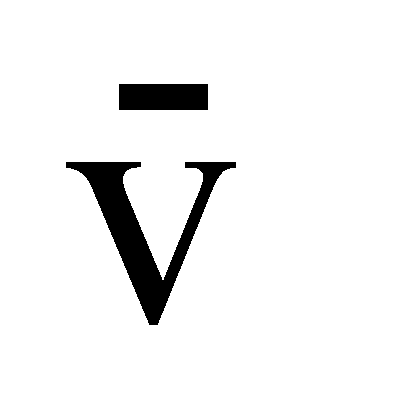 is the volume of the moulded displacement of the ship, excluding bossing, in a ship with a metal shell, and is the volume of displacement to the outer surface of the hull in a ship with a shell of any other material, both taken at a moulded draught of d1; and where*
*d1 is 85 per cent of the least moulded depth.*
*(8) Freeboard. The freeboard assigned is the distance measured vertically downwards amidships from the upper edge of the deck line to the upper edge of the related load line.*
*(9) Freeboard Deck. The freeboard deck is normally the uppermost complete deck exposed to weather and sea, which has permanent means of closing all opening's in the weather part thereof, and below which all openings in the sides of the ship are fitted with permanent means of watertight closing. In a ship having a discontinuous freeboard deck, the lowest line of the exposed deck and the continuation of that line parallel to the upper part of the deck is taken as the freeboard deck. At the option of the owner and subject to the approval of the Administration, a lower deck may be designated as the freeboard deck provided it is a complete and permanent deck continuous in a fore and aft direction at least between the machinery space and peak bulkheads and continuous athwartships. When this lower deck is stepped the lowest line of the deck and the continuation of that line parallel to the upper part of the deck is taken as the freeboard deck. When a lower deck is designated as the freeboard deck, that part of the hull which extends above the freeboard deck is treated as a superstructure so far as concerns the application of the conditions of assigment and the calculation of freeboard. It is from this deck that the freeboard is calculated.*
*(10) Superstructure*
*(a) A superstructure is a decked structure on the freeboard deck, extending from side to side of the ship or with the side plating not being inboard of the shell plating more than 4 per cent of the breadth (B). A raised quarter deck is regarded as a superstructure.*
*(b) An enclosed superstructure is a superstructure with:*
*(i) enclosing bulkheads of efficient construction;*
*(ii) access openings, if any, in these bulkheads fitted with doors complying with the requirements of Regulation 12;*
*(iii) all other openings in sides or ends of the superstructure fitted with efficient weathertight means of closing.*
*A bridge or poop shall not be regarded as enclosed unless access is provided for the crew to reach machinery and other working spaces inside these superstructures by alternative means which are available at all times when bulkhead openings are closed.*
*(c) The height of a superstructure is the least vertical height measured at side from the top of the superstructure deck beams to the top of the freeboard deck beams.*
*(d) The length of a superstructure (S) is the mean length of the part of the superstructure which lies within the length (L).*
*(11) Flush Deck Ship. A flush deck ship is one which has no superstructure on the freeboard deck.*
*(12) Weathertight. Weathertight means that in any sea conditions water will not penetrate into the ship.*
*Regulation 4*
*Deck Line*
*The deck line is a horizontal line 300 millimetres (12 inches) in length and 25 millimetres (1 inch) in breadth. It shall be marked amidships on each side of the ship, and its upper edge shall normally passes through the point where the continuation outwards of the upper surface of the freeboard deck intersects the outer surface of the shell (as illustrated in Figure 1 <*>), provided that the deck line may be placed with reference to another fixed point on the ship on condition that the freeboard is correspondingly corrected. The location of the reference point and the identification of the freeboard deck shall in all cases be indicated on the International Load Line Certificate (1966).*
---
*<*> Не приводится.*
*Regulation 5*
*Load Line Mark*
*The Load Line Mark shall consist of a ring 300 millimetres (12 inches) in outside diameter and 25 millimetres (1 inch) wide which is intersected by a horizontal line 450 miilimetres (18 inches) in length and 25 millimetres (1 inch) in breadth, the upper edge of which passes through the centre of the ring. The centre of the ring shall be placed amidships and at a distance equal to the assigned summer freeboard measured vertically below the upper edge of the deck line (as illustrated in Figure 2 <*>).*
---
*<*> Не приводится.*
*Regulation 6*
*Lines to be Used with the Load Line Mark*
*(1) The lines which indicate the load line assigned in accordance with these Regulations shall be horizontal lines 230 millimetres (9 inches) in length and 25 millimetres (1 inch) in breadth which extend forward of, unless expressly provided otherwise, and at right angles to, a vertical line 25 millimetres (1 inch) in breadth marked at a distance 540 millimetres (21 inches) forward of the centre of the ring (as illustrated in Figure 2).*
*(2) The following load lines shall be used:*
*(a) The Summer Load Line indicated by the upper edge of the line which passes through the centre of the ring and also by a line marked S.*
*(b) The Winter Load Line indicated by the upper edge of a line marked W.*
*(c) The Winter North Atlantic Load Line indicated by the upper edge of a line marked WNA.*
*(d) The Tropical Load Line indicated by the upper edge of a Tine marked T.*
*(e) The Fresh Water Load Line in summer indicated by the upper edge of a line marked F. The Fresh Water Load Line in summer is marked abaft the vertical line. The difference between the Fresh Water Load Line in summer and the Summer Load Line is the allowance to be made for loading in fresh water at the other load lines.*
*(f) The Tropical Fresh Water Load Line indicated by the upper edge of a line marked TF, and marked abaft the vertical line.*
(3) If timber freeboards are assigned in accordance with these Regulations, the timber load lines shall be marked in addition to ordinary load lines. These lines shall be horizontal lines 230 millimetres (9 inches) in length and 25 millimetres (1 inch) in breadth which extend abaft unless expressly provided otherwise, and are at right angles to, a vertical line 25 millimetres (1 inch) in breadth marked at a distance 540 millimetres (21 inches) abaft the centre of the ring (as illustrated in Figure 3 <*>).
---
<*> Не приводится.
(4) The following timber load lines shall be used:
(a) The Summer Timber Load Line indicated by the upper edge of a line marked LS.
(b) The Winter Timber Load Line indicated by the upper edge of a line marked LW.
(c) The Winter North Atlantic Timber Load Line indicated by the upper edge of a line marked LWNA.
(d) The Tropical Timber Load Line indicated by the upper edge of a line marked LT.
(e) The Fresh Water Timber Load Line in summer indicated by the upper edge of a line marked LF and marked forward of the vertical line.
The difference between the Fresh Water Timber Load Line in summer and the Summer Timber Load Line is the allowance to be made for loading in fresh water at the other timber load lines.
(f) The Tropical Fresh Water Timber Load Line indicated by the upper edge of a line marked LTF and marked forward of the vertical line.
(5) Where the characteristics of a ship or the nature of the ship's service or navigational limits make any of the seasonal lines inapplicable, these lines may be omitted.
(6) Where a ship is assigned a greater than minimum freeboard so that the load line is marked at a position corresponding to, or lower than, the lowest seasonal load line assigned at minimum freeboard in accordance with the present Convention, only the Fresh Water Load Line need be marked.
(7) On sailing ships only the Fresh Water Load Line and the Winter North Atlantic Load Line need be marked (as illustrated in Figure 4 <*>).
---
<*> Не приводится.
*(8) Where a Winter North Atlantic Load Line is identical with the Winter Load Line corresponding to the same vertical line, this load line shall be marked W.*
*(9) Additional load lines required by other international conventions in force may be marked at right angles to and abaft the vertical line specified in paragraph (1) of this Regulation.*
*Regulation 7*
*Mark of Assigning Authority*
*The mark of the Authority by whom the load lines are assigned may be indicated alongside the load line ring above the horizontal line which passes through the centre of the ring, or above and below it. This mark shall consist of not more than four initials to identify the Authority's name, each measuring approximately 115 millimetres (4 1/2 inches) in height and 75 millimetres (3 inches) in width.*
*Regulation 8*
*Details of Marking*
*The ring, lines and letters shall be painted in white or yellow on a dark ground or in black on a light ground. They shall also be permanently marked on the sides of the ships to the satisfaction of the Administration. The marks shall be plainly visible and, if necessary, special arrangements shall be made for this purpose.*
*Regulation 9*
*Verification of Marks*
*The International Load Line Certificate (1966) shall not be delivered to the ship until the officer or surveyor acting under the provisions of Article 13 of the present Convention has certified that the marks are correctly and permanently indicated on the ship's sides.*
*Regulation 10*
*Information to be Supplied to the Master*
*(1) The master of every new ship shall be supplied with sufficient information, in an approved form, to enable him to arrange for the loading and ballasting of his ship in such a way as to avoid the creation of any unacceptable stresses in the ship's structure, provided that this requirement need not apply to any particular length, design or class of ship where the Administration considers it to be unnecessary.*
*(2) The master of every new ship which is not already provided with stability information under an international convention for the safety of life at sea in force shall be supplied with sufficient information in an approved form to give him guidance as to the stability of the ship under varying conditions of service, and a copy shall be furnished to the Administration.*
*Regulation 11*
*Superstructure End Bulkheads*
*Bulkheads at exposed ends of enclosed superstructures shall be of efficient construction and shall be to the satisfaction of the Administration.*
*Regulation 12*
*Doors*
*(1) All access openings in bulkheads at ends of enclosed superstructures shall be fitted with doors of steel or other equivalent material, permanently and strongly attached to the bulkhead, and framed, stiffened and fitted so that the whole structure is of equivalent strength to the unpierced bulkhead and weathertight when closed. The means for securing these doors weathertight shall consist of gaskets and clamping devices or other equivalent means and shall be permanently attached to the bulkhead or to the doors themselves, and the doors shall be so arranged that they can be operated from both sides of the bulkhead.*
*(2) Except as otherwise provided in these Regulations, the height of the sills of access openings in bulkheads at ends of enclosed superstructures shall be at least 380 millimetres (15 inches) above the deck.*
*Regulation 13*
*Position of Hatchways, Doorways and Ventilators*
*For the purpose of the Regulations, two positions of hatchways, doorways and ventilators are defined as follows:*
*Position 1 - Upon exposed freeboard and raised quarter decks, and upon exposed superstructure decks situated forward of a point located a quarter of the ship's length from the forward perpendicular.*
*Position 2 - Upon exposed superstructure decks situated abaft a quarter of the ship's length from the forward perpendicular.*
*Regulation 14*
*Cargo and Other Hatchways*
*(1) The construction and the means for securing the weathertightness of cargo and other hatchways in positions 1 and 2 shall be at least equivalent to the requirements of Regulations 15 and 16 of this Annex.*
*(2) Coamings and hatchway covers to exposed hatchways on decks above the superstructure deck shall comply with the requirements of the Administration.*
*Regulation 15*
*Hatchways Closed by Portable Covers and Secured*
*Weathertight by Tarpaulins and Battening Devices*
*Hatchway Coamings*
*(1) The coamings of hatchways closed by portable covers secured weathertight by tarpaulins and battening devices shall be of substantial construction, and their height above the deck shall be at least as follows:*
*600 millimetres (23 1/2 inches) if in position 1.*
*450 millimetres (17 1/2 inches) if in position 2.*
*Hatchway Covers*
*(2) The width of each bearing surface for hatchway covers shall be at least 65 millimetres (2 1/2 inches).*
*(3) Where covers are made of wood the finished thickness shall be at least 60 millimetres (2 3/8 inches) in association with a span of not more than 1.5 metres (4.9 feet).*
*(4) Where covers are made of mild steel the strength shall be calculated with assumed loads not less than 1.75 metric tons per square metre (358 pounds per square foot) on hatchways in position 1, and not less than 1.30 metric tons per square metre (266 pounds per square foot) on hatchways in position 2, and the product of the maximum stress thus calculated and the factor 4.25 shall not exceed the minimum ultimate strength of the material. They shall be so designed as to limit the deflection to not more than 0.0028 times the span under these loads.*
*(5) The assumed loads on hatchways in position 1 may be reduced to 1 metric ton per square metre (205 pounds per square foot) for ships of 24 metres (79 feet) in length and shall be not less than 1.75 metric tons per square metre (358 pounds per square foot) for ships of 100 metres (328 feet) in length. The corresponding loads on hatchways in position 2 may be reduced to 0.75 metric tons per square metre (154 pounds per square foot) and 1.30 metric tons per square metre (266 pounds per square foot) respectively. In all cases values at intermediate lengths shall be obtained by linear interpolation.*
*Portable Beams*
*(6) Where portable beams for supporting hatchway covers are made of mild steel the strength shall be calculated with assumed loads nut less than 1.75 metric tons per square metre (358 pounds per squars fool) on hatchways in position 1 and not less than 1.30 metric tons per square metre (266 pounds per square foot) on hatchways in position 2 and the product of the maximum stress thus calculated and the factor 5 shall not exceed the minimum ultimate strength of the material. They shall be so designed as to limit the deflection to not more than 0.0022 times the span under these loads. For ships of not more than 100 metres (328 feet) in length the requirements of paragraph (5) of this Regulation are applicable.*
*Pontoon Covers*
*(7) Where pontoon covers used in place of portable beams and covers are made of mild steel the strength shall be calculated with the assumed loads given in paragraph (4) of this Regulation, and the product of the maximum stress thus calculated and the factor 5 shall not exceed the minimum ultimate, strength of the material. They shall be so designed as to limit the deflection to not more than 0.0022 times the span. Mild steel plating forming the lops of covers shall be not less in thickness than one per cent of the spacing of stiffeners or 6 millimetres (0.24 inches) if that be greater. For ships of not more than 100 metres (328 feet) in length the requirements of paragraph (5) of this Regulation are applicable.*
*(8) The strength and stiffness of covers made of materials other than mild steel shall be equivalent to those of mild steel to the satisfaction of the Administration.*
*Carriers or Sockets*
*(9) Carriers or sockets for portable beams shall be of substantial construction, and shall provide means for the efficient fitting and securing of the beams. Where rolling types of beams are used, the arrangements shall ensure that the beams remain properly in position when the hatchway is closed.*
*Cleats*
*(10) Cleats shall be set to fit the taper of the wedges. They shall be at least 65 millimetres. (2 1/2 inches) wide and spaced not more than 600 millimetres (23 1/2 inches) centre to centre; the cleats along each side оr end shall be not more than 150 millimetres (6 inches) from the hatch corners.*
*Battens and Wedges*
*(11) Battens and wedges shall be efficient and in good condition. Wedges shall be of tough wood or other equivalent material. They shall have a taper of not more than 1 in 6 and shall be not less than 13 millimetres (1/2 inch) thick at the toes.*
*Tarpaulins*
*(12) At least two lavers of tarpaulin in good condition shall be provided for each hatchway in position 1 or 2. The tarpaulins shall be waterproof and of ample strength. They shall be of a material of at least an approved standard weight and quality.*
*Security of Hatchway Covers*
*(13) For all hatchways in position 1 or 2 steel bars or other equivalent means shall be provided in order efficiently and independently to secure each section of hatchway covers after the tarpaulins are battened down. Hatchway covers of more than 1.5 metres (4.9 feet) in length shall be secured by at least two such securing appliances.*
*Regulation 16*
*Hatchways Closed by Weathertight Covers of Steel*
*or Other Equivalent Material Fitted with Gaskets*
*and Clamping Devices*
*Hatchway Coamings*
*(1) At positions 1 and 2 the height above the deck of hatchway coamings fitted with weathertight hatch covers of steel or other equivalent material fitted with gaskets and clamping devices shall be as specified in Regulation 15 (1). The height of these coamings may be reduced, or the coamings omitted entirely, on condition that the Administration is satisfied that the safety of the ship is not thereby impaired in any sea conditions. Where coamings are provided they shall be of substantial construction.*
*Weathertight Covers*
*(2) Where weathertight covers are of mild steel the strength shall be calculated with assumed loads not less than 1.75 metric tons per square metre (358 pounds per square foot) on hatchways in position 1, and not less than 1.30 metric tons per square metre (266 pounds pet square foot) on hatchways in position 2, and the product of the maximum stress thus calculated and the factor of 4.25 shall not exceed the minimum ultimate strength of the material. They shall be so designed as to limit the deflection to not more than 0.0028 times the span under these loads. Mild steel plating forming the tops of covers shall be not less in thickness than one per cent of the spacing of stiffeners or 0.6 millimetres (0.24 inches) if that be greater. The provisions of Regulation 15 (5) are applicable for ships of not more than 100 metres (328 feet) in length.*
*3) The strength and stiffness of covers made of materials other than mild steel shall be equivalent to those of mild steel to the satisfaction of the Administration.*
*Means for Securing Weathertightness*
*(4) The means for securing and maintaining weathertightness shall be to the satisfaction of the Administration. The arrangements shall ensure that the tightness can be maintained in any sea conditions, and for this purpose tests for tightness shall be required at the initial survey, and may be required at periodical surveys and at annual inspections or at more frequent intervals.*
*Regulation 17*
*Machinery Space Openings*
*(1) Machinery space openings in position 1 or 2 shall be properly framed and efficiently enclosed by steel casings of ample strength, and where the casings are not protected by other structures their strength shall be specially considered. Access openings in such casings shall be fitted with doors complying with the requirements of Regulation 12 (1), the sills of which shall be at least 600 millimetres (23 1/2 inches) above the deck if in position 1, and at least 380 millimetres (15 inches) above the deck if in position 2. Other openings in such casings shall be fitted with equivalent covers, permanently attached in their proper positions.*
*(2) Coamings of any fiddley, funnel or machinery space ventilator in an exposed position on the freeboard or superstructure deck shall be as high above the deck as is reasonable and practicable. Fiddley openings shall be fitted with strong covers of steel or other equivalent material permanently attached in their proper positions and capable of being secured weathertight.*
*Regulation 18*
*Miscellaneous Openings in Freeboard and*
*Superstructure Decks*
*(1) Manholes and flush scuttles in position 1 or 2 or within superstructures other than enclosed superstructures shall be closed by substantial covers capable of being made watertight. Unless secured by closely spaced bolts, the covers shall be permanently attached.*
*(2) Openings in freeboard decks other than hatchways, machinery space openings, manholes and flush scuttles shall be protected by an enclosed superstructure, or by a deckhouse or companionway of equivalent strength and weathertightness. Any such opening in an exposed superstructure deck or in the top of a deckhouse on the freeboard deck which gives access to a space below the freeboard deck or a space within an enclosed superstructure shall be protected by an efficient deckhouse or companionway. Doorways in such deck-houses or companionways shall be fitted with doors complying with the requirements of Regulation 12 (1).*
*(3) In position 1 the height above the deck of sills to the doorways in companionways shall be at least 600 millimetres (23 1/2 inches). In position 2 it shall be at least 380 millimetres (15 inches).*
*Regulation 19*
Ventilators
**(1) Ventilators in position 1 or 2 to spaces below freeboard deck or decks of enclosed superstructures shall have coamings of steel or other equivalent material, substantially constructed and efficiently connected to the deck. Where the coaming of any ventilator exceeds 900 millimetres (35 1/2 inches) in height above the deck it shall be specially supported.**
**(2) Ventilators passing through superstructures other than enclosed superstructures shall have substantially constructed coamings of steel or other equivalent material at the freeboard deck.**
(3) Ventilators in position 1 the coamings of which extend to more than 4.5 metres (14.8 feet) above the deck, and in position 2 the coamings of which extend to more than 2.3 metres (7.5 feet) above the deck, need not be fitted with closing arrangements unless specifically required by the Administration.
(4) Except as provided in paragraph (3) of this Regulation ventilator openings shall be provided with efficient weathertight closing appliances. In ships of not more than 100 metres (328 feet) in length the closing appliances shall be permanently attached; where not so provided in other ships, they shall be conveniently stowed near the ventilators to which they are to be fitted. Ventilators in position 1 shall have coamings of a height of at least 900 millimetres (35 1/2 inches) above the deck: in position 2 the coamings shall be of a height at least 760 millimetres (30 inches) above the deck.
(5) In exposed positions, the height of coamings may be required to be increased to the satisfaction of the Administration.
**Regulation 20**
**Air Pipes**
Where air pipes to ballast and other tanks extend above the freeboard or superstructure decks, the exposed parts of the pipes shall be of substantial construction; the height from the deck to the point where water may have access below shall be at least 760 millimetres (30 inches) on the freeboard deck and 450 millimetres (17 1/2 inches) on the superstructure deck. Where these heights may interfere with the working of the ship, a lower height may be approved, provided the Administration is satisfied that the closing arrangements and other circumstances justify a lower height. Satisfactory means permanently attached, shall be provided for closing the openings of the air pipes.
**Regulation 21**
**Cargo Ports and Other Similar Openings**
(1) Cargo ports and other similar openings in the sides of ships below the freeboard deck shall be fitted with doors so designed as to ensure watertightness and structural integrity commensurate with the surrounding shell plating. The number of such openings shall be the minimum compatible with the design and proper working of the ship.
(2) Unless permitted by the Administration, the lower edge of such openings shall not be below a line drawn parallel to the freeboard deck at side. which has at its lowest point the upper edge of the uppermost load line.
Regulation 22
Scuppers, Inlets and Discharges
(1) Discharges led through the shell either from spaces below the freeboard deck or from within superstructures and deckhouses on the freeboard deck fitted with doors complying with the requirements of Regulation 12 shall be fitted with efficient and accessible means for preventing water from passing inboard. Normally each separate discharge shall have one automatic non-return valve with a positive means of closing it from a position above the freeboard deck. Where, however, the vertical distance from the summer load waterline to the inboard end of the discharge pipe exceeds 0.01 L, the discharge may have two automatic non-return valves without positive means of closing, provided that the inboard valve is always accessible for examination under service conditions; where that vertical distance exceeds 0.02 L a single automatic non-return valve without positive means of closing may be accepted subject to the approval of the Administration. The means for operating the positive action valve shall be readily accessible and provided with an indicator showing whether the valve is open or closed.
(2) In manned machinery spaces main and auxiliary sea inlets and discharges in connexion with the operation of machinery may be controlled locally. The controls shall be readily accessible and shall be provided with indicators showing whether the valves are open or closed.
(3) Scuppers and discharge pipes originating at any level and penetrating the shell either more than 450 millimetres (17 1/2 inches) below the freeboard deck or less than 600 millimetres (23 1/2 inches) above the summer load waterline shall be provided with a non-return valve at the shell. This valve, unless required by paragraph (1), may be omitted if the piping is of substantial thickness.
(4) Scuppers leading from superstructures or deckhouses not fitted with doors complying with the requirements of Regulation 12 shall be led overboard.
(5) All valves and shell fittings required by this Regulation shall be of steel, bronze or other approved ductile material. Valves of ordinary cast iron or similar material are not acceptable. All pipes to which this Regulation refers shall be of steel or other equivalent material to the satisfaction of the Administration.
Regulation 23
Side Scuttles
(1) Side scuttles to spaces below the freeboard deck or to spaces within enclosed superstructures shall be fitted with efficient hinged inside deadlights arranged so that they can be effectively closed and secured watertight.
(2) No side scuttle shall be fitted in a position so that its sill is below a line drawn parallel to the freeboard deck at side and having its lowest point 2.5 per cent of the breadth (B) above the load waterline, or 500 millimetres (19 1/2 inches), whichever is the greater distance.
(3) The side scuttles, together with their glasses, if fitted, and deadlights, shall be of substantial and approved construction.
Regulation 24
Freeing Ports
(1) Where bulwarks on the weather portions of freeboard or superstructure decks form wells, ample provision shall be made for rapidly freeing the decks of water and for draining them. Except as provided in paragraphs (2) and (3) of this Regulation, the minimum freeing port area (A) on each side of the ship for each well on the freeboard deck shall be that given by the following formulae in cases where the sheer in way of the well is standard or greater than standard. The minimum area for each well on superstucture decks shall be one-half of the area given by the formulae.
**Where the length of bulwark (l) in the well is 20 metres or less**
**A= 0.7 + 0.35 l square metres,**
**where l exceeds 20 metres**
A = 0.07 l square metres.
**l need in no case be taken as greater than 0.7 L.**
**If the bulwark is more than 1.2 metres in average height, the required area shall be increased by 0.004 square metres per metre of length of well for each 0.1 metre difference in height. If the bulwark is less than 0.9 metre in average height, the required area may be decreased by 0.004 square metres per metre of length of well for each 0.1 metre difference in height.**
where the length of bulwark (l) in the well is 66 feet or less
**A = 7.6 + 0.115 l square feet,**
**where l exceeds 66 feet**
A = 0.23 l square feet.
**l need in no case be taken as greater than 0.7 L.**
**If the bulwark is more than 3.9 feet in average height, the required area shall be increased by 0.04 square feet per foot of length of well for each foot difference in height. If the bulwark is less than 3 feet in average height, the required area may be decreased by 0.04 square feet per foot of length for each foot difference in height.**
**(2) In ships with no sheer the area calculated according to paragraph (1) of this Regulation shall be increased by 50 per cent. Where the sheer is less than the standard the percentage shall be obtained by linear interpolation.**
**(3) Where a ship fitted with a trunk does not comply with the requirements of Regulation 36 (1) (e) or where continuous or substantially continuous hatchway side coamings are fitted between detached superstructures the minimum area of the freeing port openings shall be calculated from the following table:**
| Breadth of hatchway of trunk in relation to the breadth of ship | Area of freeing ports in relation to the total area of the bulwarks |
| --- | --- |
| 40% or less | 20% |
| 75% or more | 10% |
**The area of freeing ports at intermediate breadths shall be obtained by linear interpolation.**
**(4) In ships having superstructures which are open at either or both ends, adequate provision for freeing the space within such superstructures shall be provided to the satisfaction of the Administration.**
(5) The lower edges of the freeing ports shall be as near the deck as practicable. Two-thirds of the freeing port area required shall be provided in the half of the well nearest the lowest point of the sheer curve.
(6) All such openings in the bulwarks shall be protected by rails or bars spaced approximately 230 millimetres (9 inches) apart. If shutters are fitted to freeing ports, ample clearance shall be provided to prevent jamming. Hinges shall have pins or bearings of non-corrodible material. If shutters are fitted with securing appliances, these appliances shall be of approved construction.
**Protection of the Crew**
**(1) The strength of the deckhouses used for the accommodation of the crew shall be to the satisfaction of the Administration.**
(2) Efficient guard rails or bulwarks shall be fitted on all exposed parts of the freeboard and superstructure decks. The height of the bulwarks or guard rails shall be at least 1 metre (39 1/2 inches) from the deck, provided that where this height would interfere with the normal operation of the ship, a lesser height may be approved if the Administration is satisfied that adequate protection is provided.
(3) The opening below the lowest course of the guard rails shall not exceed 230 millimetres (9 inches). The other courses shall be not more than 380 millimetres (15 inches) apart. In the case of ships with rounded gunwales the guard rail supports shall be placed on the flat of the deck.
(4) Satisfactory means (in the form of guard rails, life lines, gangways or underdeck passages, etc.) shall be provided for the protection of the crew in getting to and from their quarters, the machinery space and all other parts used in the necessary work of the ship.
**(5) Deck cargo carried on any ship shall be so stowed that any opening which is in way of the cargo and which gives access to and from the crew's quarters, the machinery space and all other parts used in the necessary work of the ship, can be properly closed and secured against the admission of water. Effective protection for the crew in the form of guard rails or life lines shall be provided above the deck cargo if there is no convenient passage on or below the deck of the ship.**
**Regulation 26**
**Special Conditions of Assignment for Type "A" Ships**
Machinery Casings
(1) Machinery casings on Type "A" ships as defined in Regulation 27 shall be protected by an enclosed poop or bridge of at least standard height, or by a deckhouse of equal height and equivalent strength, provided that machinery casings may be exposed if there are no openings giving direct access from the freeboard deck to the machinery space. A door complying with the requirements of Regulation 12 may, however, be permitted in the machinery casing, provided that it leads to a space or passageway which is as strongly constructed as the casing and is separated from the stairway to the engine room by a second weathertight door of steel or other equivalent material.
**(2) An efficiently constructed fore and aft permanent gangway of sufficient strength shall be fitted on Type "A" ships at the level of the superstructure deck between the poop and the midship bridge or deckhouse where fitted, or equivalent means of access shall be provided to carry out the purpose of the gangway, such as passages below deck. Elsewhere, and on Type "A" ships without a midship bridge, arrangements to the satisfaction of the Administration shall be provided to safeguard the crew in reaching all parts used in the necessary work of the ship.**
**(3) Safe and satisfactory access from the gangway level shall be available between separate crew accommodations and also between crew accommodations and the machinery space.**
Hatchways
(4) Exposed hatchways on the freeboard and forecastle decks or on the tops of expansion trunks on Type "A" ships shall be provided with efficient watertight covers of steel or other equivalent material.
Freeing Arrangements
(5) Type "A" ships with bulwarks shall have open rails fitted for at least half the length of the exposed parts of the weather deck or other effective freeing arrangements. The upper edge of the sheer strake shall be kept as low as practicable.
(6) Where superstructures are connected by trunks, open rails shall be fitted for the whole length of the exposed parts of the freeboard deck.
Regulation 27
Types of Ships
(1) For the purposes of freeboard computation ships shall be divided into Type "A" and Type "B".
Type "A" ships
(2) A type "A" ship is one which is designed to carry only liquid cargoes in bulk, and in which cargo tanks have only small access openings closed by watertight gasketed covers of steel or equivalent material. Such a ship necessarily has the following inherent features:
(a) high integrity of the exposed deck; and
(b) high degree of safety against flooding, resulting from the low permeability of loaded cargo spaces and the degree of subdivision usually provided.
(3) A type "A" ship, if over 150 metres (492 feet) in length, and designed to have empty compartments when loaded to its summer load waterline, shall be able to withstand the flooding of any one of these empty compartments at an assumed permeability of 0.95, and remain afloat in a condition of equilibrium considered to be satisfactory by the Administration. In such a ship, if over 225 metres (738 feet) in length, the machinery space shall be treated as a floodable compartment but with a permeability of 0.85.
For the guidance of Administrations the following limits may be regarded as satisfactory:
(a) the final waterline after flooding is below the lower edge of any opening through which progressive flooding may take place;
(b) the maximum angle of heel due to unsymmetrical flooding is of the order of 15 degrees;
(c) the metacentric height in the flooded condition is positive.
(4) A Type "A" ship shall be assigned a freeboard not less than that based on Table A of Regulation 28.
**(5) All ships which do not come within the provisions regarding Type "A" ships in paragraphs (2) and (3) of this Regulation shall be considered as Type "B" ships.**
**(6) Type "B" ships, which in position 1 have hatchways fitted with hatch covers complying with the requirements of Regulation 15 (7) or 16 shall, except as provided in paragraphs (7) to (10) inclusive of this Regulation, be assigned freeboards based on Table В of Regulation 28.**
**(7) Any Type "B" ships of over 100 metres (328 feet) in length may be assigned freeboards less than those required under paragraph (6) of this Regulation provided that, in relation to the amount of reduction granted, the Administration is satisfied that:**
**(a) the measures provided for the protection of the crew are adequate;**
(b) the freeing arrangements are adequate;
(c) the covers in positions 1 and 2 comply with the provisions of Regulation 16 and have adequate strength, special care being given to their sealing and securing arrangements;
(d) the ship, when loaded to its summer load waterline, will remain afloat in a satisfactory condition of equilibrium after flooding of any single damaged compartment at an assumed permeability of 0.95 excluding the machinery space; and
(e) in such a ship, if over 225 metres (738 feet) in length, the machinery space shall be treated as a floodable compartment but with a permeability of 0.85.
For the guidance of Administrations in applying sub-paragraphs (d) and (e) of this paragraph the limits given in sub-paragraphs (3) (a), (b) and (c) may be regarded as satisfactory.
The relevant calculations may be based upon the following main assumptions:
- the vertical extent of damage is equal to the depth of the ship;
**- the penetration of damage is not more than B/5;**
**- no main transverse bulkhead is damaged;**
**- the height of the centre of gravity above the base line is assessed allowing for homogeneous loading of cargo holds, and for 50 per cent of the designed capacity of consumable fluids and stores, etc.**
(8) In calculating the freeboards for Type "B" ships which comply with the requirements of paragraph (7) of this Regulation, the values from Table B of Regulation 28 shall not be reduced by more than 60 per cent of the difference between the "B" and "A" tabular values for the appropriate ship lengths.
(9) The reduction in tabular freeboard allowed under paragraph (8) of this Regulation may be increased up to the total difference between the values in Table A and those in Table B of Regulation 28 on condition that the ship complies with the requirements of Regulation 26 (1), (2), (3), (5) and (6), as if it were a type "A" ship, and further complies with the provisions of paragraph (7) (a) to (d) inclusive of this Regulation except that the reference in sub-paragraph (d) to the flooding of any single damaged compartment shall be treated as a reference to the flooding of any two adjacent fare and aft compartments, neither of which is the machinery space. Also any such ship of over 225 metres (738 feet), in length, when loaded to its slimmer "load waterline, shall remain afloat in a satisfactory condition of equilibrium after flooding of the machinery space, taken alone, at an assumed permeability of 0.85.
**(10) Type "B" ships, which in position 1 have hatchways fitted with hatch covers which comply with the requirements of Regulation 15, other than paragraph (7), shall be assigned freeboards based upon the values given in Table B of Regulation 28 increased by the values given in the following table:**
**Freeboard increase over tabular freeboard for type "B" ships, for ships with hatch covers not complying with Regulation 15 (7) or 16**
| Length of ship (metres) | Freeboard increase (millimetres) | Length of ship (metres) | Freeboard increase (millimetres) | Length of ship (metres) | Freeboard increase (millimetres) |
| --- | --- | --- | --- | --- | --- |
| 108 and below | 50 | 139 | 175 | 170 | 290 |
| 109 | 52 | 140 | 181 | 171 | 292 |
| 110 | 55 | 141 | 186 | 172 | 294 |
| 111 | 57 | 142 | 191 | 173 | 297 |
| 112 | 59 | 143 | 196 | 174 | 299 |
| 113 | 62 | 144 | 201 | 175 | 301 |
| 114 | 64 | 145 | 206 | 176 | 304 |
| 115 | 68 | 146 | 210 | 177 | 306 |
| 116 | 70 | 147 | 215 | 178 | 308 |
| 117 | 73 | 148 | 219 | 179 | 311 |
| 118 | 76 | 149 | 224 | 180 | 313 |
| 119 | 80 | 150 | 228 | 181 | 315 |
| 120 | 84 | 151 | 232 | 182 | 318 |
| 121 | 87 | 152 | 236 | 183 | 320 |
| 122 | 91 | 153 | 240 | 184 | 322 |
| 123 | 95 | 154 | 244 | 185 | 325 |
| 124 | 99 | 155 | 247 | 186 | 327 |
| 125 | 103 | 156 | 251 | 187 | 329 |
| 126 | 108 | 157 | 254 | 188 | 332 |
| 127 | 112 | 158 | 258 | 189 | 334 |
| 128 | 116 | 159 | 261 | 190 | 336 |
| 129 | 121 | 160 | 264 | 191 | 339 |
| 130 | 126 | 161 | 267 | 192 | 341 |
| 131 | 131 | 162 | 270 | 193 | 343 |
| 132 | 136 | 163 | 273 | 194 | 346 |
| 133 | 142 | 164 | 275 | 195 | 348 |
| 134 | 147 | 165 | 278 | 196 | 350 |
| 135 | 153 | 166 | 280 | 197 | 353 |
| 136 | 159 | 167 | 283 | 198 | 355 |
| 137 | 164 | 168 | 285 | 199 | 357 |
| 138 | 170 | 169 | 287 | 200 | 358 |
Freeboards at intermediate lengths of ship shall be obtained by linear interpolation.
Ships above 200 metres in length shall be dealt with by the Administration.
Freeboard increase over tabular freeboard for Type "B" ships, for ships with hatch covers not complying with Regulation 15 (7) or 16
| Length
of ship (feet) | Freeboard increase (inches) | Length
of ship (feet) | Freeboard increase (inches) | Length
of ship (feet) | Freeboard increase (inches) |
| --- | --- | --- | --- | --- | --- |
| 350 and below 360
370
380
390
400
410
420
430
440 | 2.0
2.3
2.6
2.9
3.3
3.7
4.2
4.7
5.2
5.8 | 450
460
470
480
490
500
510
520
530
540
550 | 6.4
7.0
7.6
8.2
8.7
9.2
9.6
10.0
10.4
10.7
11.0 | 560
570
580
590
600
610
620
630
640
650
660 | 11.4
11.8
12.1
12.5
12.8
13.1
13.4
13.6
13.9
14.1
14.3 |
Freeboards at intermediate lengths of ship shall be obtained by linear interpolation.
Ships above 660 feet in length shall be dealt with by the Administration.
(11) A lighter, barge or other ship without independent means of propulsion shall be assigned a freeboard in accordance with the provisions of these Regulations. However, in the case of barges which are unmanned the requirements of Regulations 25, 26 (2) and (3) and 39 shall not apply. Such unmanned barges which have on the freeboard deck only small access openings closed by watertight gasketed covers of steel or equivalent material may be assigned freeboards 25 per cent less than those calculated in accordance with these Regulations.
Regulation 28
Freeboard Tables
Type "A" Ships
(1) The tabular freeboard for type "A" ships shall be determined from the following table:
TABLE A
Freeboard Table for Type "A" Ships
| Length of ship (metres) | Freeboard (millimetres) | Length of ship (metres) | Freeboard (millimetres) | Length of ship (metres) | Freeboard (millimetres) |
| --- | --- | --- | --- | --- | --- |
| 24 | 200 | 53 | 478 | 82 | 869 |
| 25 | 208 | 54 | 490 | 83 | 883 |
| 26 | 217 | 55 | 503 | 84 | 897 |
| 27 | 225 | 56 | 516 | 85 | 911 |
| 28 | 233 | 57 | 530 | 86 | 926 |
| 29 | 242 | 58 | 544 | 87 | 940 |
| 30 | 250 | 59 | 559 | 88 | 955 |
| 31 | 258 | 60 | 573 | 89 | 969 |
| 32 | 267 | 61 | 587 | 90 | 984 |
| 33 | 275 | 62 | 600 | 91 | 999 |
| 34 | 283 | 63 | 613 | 92 | 1014 |
| 35 | 292 | 64 | 626 | 93 | 1029 |
| 36 | 300 | 65 | 639 | 94 | 1044 |
| 37 | 308 | 66 | 653 | 95 | 1059 |
| 38 | 316 | 67 | 666 | 96 | 1074 |
| 39 | 325 | 68 | 680 | 97 | 1089 |
| 40 | 334 | 69 | 693 | 98 | 1105 |
| 41 | 344 | 70 | 706 | 99 | 1120 |
| 42 | 354 | 71 | 720 | 100 | 1135 |
| 43 | 364 | 72 | 733 | 101 | 1151 |
| 44 | 374 | 73 | 746 | 102 | 1166 |
| 45 | 385 | 74 | 760 | 103 | 1181 |
| 46 | 396 | 75 | 773 | 104 | 1196 |
| 47 | 408 | 76 | 786 | 105 | 1212 |
| 48 | 420 | 77 | 800 | 106 | 1228 |
| 49 | 432 | 78 | 814 | 107 | 1244 |
| 50 | 443 | 79 | 828 | 108 | 1260 |
| 51 | 455 | 80 | 841 | 109 | 1276 |
| 52 | 467 | 81 | 855 | 110 | 1293 |
| 111 | 1309 | 162 | 2155 | 213 | 2732 |
| 112 | 1326 | 163 | 2169 | 214 | 2741 |
| 113 | 1342 | 164 | 2184 | 215 | 2749 |
| 114 | 1359 | 165 | 2198 | 216 | 2758 |
| 115 | 1376 | 166 | 2212 | 217 | 2767 |
| 116 | 1392 | 167 | 2226 | 218 | 2775 |
| 117 | 1409 | 168 | 2240 | 219 | 2784 |
| 118 | 1426 | 169 | 2254 | 220 | 2792 |
| 119 | 1442 | 170 | 2268 | 221 | 2801 |
| 120 | 1459 | 171 | 2281 | 222 | 2809 |
| 121 | 1476 | 172 | 2294 | 223 | 2817 |
| 122 | 1494 | 173 | 2307 | 224 | 2825 |
| 123 | 1511 | 174 | 2320 | 225 | 2833 |
| 124 | 1528 | 175 | 2332 | 226 | 2841 |
| 125 | 1546 | 176 | 2345 | 227 | 2849 |
| 126 | 1563 | 177 | 2357 | 228 | 2857 |
| 127 | 1580 | 178 | 2369 | 229 | 2865 |
| 128 | 1598 | 179 | 2381 | 230 | 2872 |
| 129 | 1615 | 180 | 2393 | 231 | 2880 |
| 130 | 1632 | 181 | 2405 | 232 | 2888 |
| 131 | 1650 | 182 | 2416 | 233 | 2895 |
| 132 | 1667 | 183 | 2428 | 234 | 2903 |
| 133 | 1684 | 184 | 2440 | 235 | 2910 |
| 134 | 1702 | 185 | 2451 | 236 | 2918 |
| 135 | 1719 | 186 | 2463 | 237 | 2925 |
| 136 | 1736 | 187 | 2474 | 238 | 2932 |
| 137 | 1753 | 188 | 2486 | 239 | 2939 |
| 138 | 1770 | 189 | 2497 | 240 | 2946 |
| 139 | 1787 | 190 | 2508 | 241 | 2953 |
| 140 | 1803 | 191 | 2519 | 242 | 2959 |
| 141 | 1820 | 192 | 2530 | 243 | 2966 |
| 142 | 1837 | 193 | 2541 | 244 | 2973 |
| 143 | 1853 | 194 | 2552 | 245 | 2979 |
| 144 | 1870 | 195 | 2562 | 246 | 2986 |
| 145 | 1886 | 196 | 2572 | 247 | 2993 |
| 146 | 1903 | 197 | 2582 | 248 | 3000 |
| 147 | 1919 | 198 | 2592 | 249 | 3006 |
| 148 | 1935 | 199 | 2602 | 250 | 3012 |
| 149 | 1952 | 200 | 2612 | 251 | 3018 |
| 150 | 1968 | 201 | 2622 | 252 | 3024 |
| 151 | 1984 | 202 | 2632 | 253 | 3030 |
| 152 | 2000 | 203 | 2641 | 254 | 3036 |
| 153 | 2016 | 204 | 2650 | 255 | 3042 |
| 154 | 2032 | 205 | 2659 | 256 | 3048 |
| 155 | 2048 | 206 | 2669 | 257 | 3054 |
| 156 | 2064 | 207 | 2678 | 258 | 3060 |
| 157 | 2080 | 208 | 2687 | 259 | 3066 |
| 158 | 2096 | 209 | 2696 | 260 | 3072 |
| 159 | 2111 | 210 | 2705 | 261 | 3078 |
| 160 | 2126 | 211 | 2714 | 262 | 3084 |
| 161 | 2141 | 212 | 2723 | 263 | 3089 |
| 264 | 3095 | 298 | 3254 | 332 | 3363 |
| 265 | 3101 | 299 | 3258 | 333 | 3366 |
| 266 | 3106 | 300 | 3262 | 334 | 3368 |
| 267 | 3112 | 301 | 3266 | 335 | 3371 |
| 268 | 3117 | 302 | 3270 | 336 | 3373 |
| 269 | 3123 | 303 | 3274 | 337 | 3375 |
| 270 | 3128 | 304 | 3278 | 338 | 3378 |
| 271 | 3133 | 305 | 3281 | 339 | 3380 |
| 272 | 3138 | 306 | 3285 | 340 | 3382 |
| 273 | 3143 | 307 | 3288 | 341 | 3385 |
| 274 | 3148 | 308 | 3292 | 342 | 3387 |
| 275 | 3153 | 309 | 3295 | 343 | 3389 |
| 276 | 3158 | 310 | 3298 | 344 | 3392 |
| 277 | 3163 | 311 | 3302 | 345 | 3394 |
| 278 | 3167 | 312 | 3305 | 346 | 3396 |
| 279 | 3172 | 313 | 3308 | 347 | 3399 |
| 280 | 3176 | 314 | 3312 | 348 | 3401 |
| 281 | 3181 | 315 | 3315 | 349 | 3403 |
| 282 | 3185 | 316 | 3318 | 350 | 3406 |
| 283 | 3189 | 317 | 3322 | 351 | 3408 |
| 284 | 3194 | 318 | 3325 | 352 | 3410 |
| 285 | 3198 | 319 | 3328 | 353 | 3412 |
| 286 | 3202 | 320 | 3331 | 354 | 3414 |
| 287 | 3207 | 321 | 3334 | 355 | 3416 |
| 288 | 3211 | 322 | 3337 | 356 | 3118 |
| 289 | 3215 | 323 | 3339 | 357 | 3420 |
| 290 | 3220 | 324 | 3342 | 358 | 3422 |
| 291 | 3224 | 325 | 3345 | 359 | 3423 |
| 292 | 3228 | 326 | 3347 | 360 | 3425 |
| 293 | 3233 | 327 | 3350 | 361 | 3427 |
| 294 | 3237 | 328 | 3353 | 362 | 3428 |
| 295 | 3241 | 329 | 3355 | 363 | 3430 |
| 296 | 3246 | 330 | 3358 | 364 | 3432 |
| 297 | 3250 | 331 | 3361 | 365 | 3433 |
Freeboards at intermediate lengths of ship shall be obtained by linear interpolation.
Ships above 365 metres in length shall be dealt with by the Administration.
TABLE A
FREEBOARD TABLE FOR TYPE "A" SHIPS
| Length of ship (feet) | Freeboard (inches) | Length of ship (feet) | Freeboard (inches) | Length of ship (feet) | Freeboard (inches) |
| --- | --- | --- | --- | --- | --- |
| 80 | 8.0 | 120 | 11.9 | 160 | 16.9 |
| 90 | 8.9 | 130 | 13.0 | 170 | 18.3 |
| 100 | 9.8 | 140 | 14.2 | 180 | 19.8 |
| 110 | 10.8 | 150 | 15.5 | 190 | 21.3 |
| 200 | 22.9 | 540 | 86.3 | 880 | 122.7 |
| 210 | 24.5 | 550 | 88.0 | 890 | 123.4 |
| 220 | 26.2 | 560 | 89.6 | 900 | 124.0 |
| 230 | 27.8 | 570 | 91.1 | 910 | 124.6 |
| 240 | 29.5 | 580 | 92.6 | 920 | 125.2 |
| 250 | 31.1 | 590 | 94.1 | 930 | 125.7 |
| 260 | 32.8 | 600 | 95.5 | 940 | 126.2 |
| 270 | 34.6 | 610 | 96.9 | 950 | 126.7 |
| 280 | 36.3 | 620 | 98.3 | 960 | 127.2 |
| 290 | 38.0 | 630 | 99.6 | 970 | 127.7 |
| 300 | 39.7 | 640 | 100.9 | 980 | 128.1 |
| 310 | 41.4 | 650 | 102.1 | 990 | 128.6 |
| 320 | 43.2 | 660 | 103.3 | 1000 | 129.0 |
| 330 | 45.0 | 670 | 104.4 | 1010 | 129.4 |
| 340 | 46.9 | 680 | 105.5 | 1020 | 129.9 |
| 350 | 48.8 | 690 | 106.6 | 1030 | 130.3 |
| 360 | 50.7 | 700 | 107.7 | 1040 | 130.7 |
| 370 | 52.7 | 710 | 108.7 | 1050 | 131.0 |
| 380 | 54.7 | 720 | 109.7 | 1060 | 131.4 |
| 390 | 56.8 | 730 | 110.7 | 1070 | 131.7 |
| 400 | 58.8 | 740 | 111.7 | 1080 | 132.0 |
| 410 | 60.9 | 750 | 112.6 | 1090 | 132.3 |
| 420 | 62.9 | 760 | 113.5 | 1100 | 132.6 |
| 430 | 65.0 | 770 | 114.4 | 1110 | 132.9 |
| 440 | 67.0 | 780 | 115.3 | 1120 | 133.2 |
| 450 | 69.1 | 790 | 116.1 | 1130 | 133.5 |
| 460 | 71.1 | 800 | 117.0 | 1140 | 133.8 |
| 470 | 73.1 | 810 | 117.8 | 1150 | 134.0 |
| 480 | 75.1 | 820 | 118.6 | 1160 | 134.3 |
| 490 | 77.1 | 830 | 119.3 | 1170 | 134.5 |
| 500 | 79.0 | 840 | 120.1 | 1180 | 134.7 |
| 510 | 80.9 | 850 | 120.7 | 1190 | 135.0 |
| 520 | 82.7 | 860 | 121.4 | 1200 | 135.2 |
| 530 | 84.5 | 870 | 122.1 | | |
Freeboards at intermediate lengths of ship shall be obtained by linear interpolation.
Ships above 1200, feet in length shall be dealt with by the Administration.
Type "B" ships
(2) The tabular freeboard for type "B" ships shall be determined from the following table:
TABLE B
FREEBOARD TABLE FOR TYPE "B" SHIPS
| Length of ship (metres) | Freeboard (millimetres) | Length of ship (metres) | Freeboard (millimetres) | Length of ship (metres) | Freeboard (millimetres) |
| --- | --- | --- | --- | --- | --- |
| 24 | 200 | 27 | 225 | 30 | 250 |
| 25 | 208 | 28 | 233 | 31 | 258 |
| 26 | 217 | 29 | 242 | 32 | 267 |
| 33 | 275 | 84 | 960 | 135 | 2000 |
| 34 | 283 | 85 | 978 | 136 | 2021 |
| 35 | 292 | 86 | 996 | 137 | 2043 |
| 36 | 300 | 87 | 1015 | 138 | 2065 |
| 37 | 308 | 88 | 1034 | 139 | 2087 |
| 38 | 316 | 89 | 1054 | 140 | 2109 |
| 39 | 325 | 90 | 1075 | 141 | 2130 |
| 40 | 334 | 91 | 1096 | 142 | 2151 |
| 41 | 344 | 92 | 1116 | 143 | 2171 |
| 42 | 354 | 93 | 1135 | 144 | 2190 |
| 43 | 364 | 94 | 1154 | 145 | 2209 |
| 44 | 374 | 95 | 1172 | 146 | 2229 |
| 45 | 385 | 96 | 1190 | 147 | 2250 |
| 46 | 396 | 97 | 1209 | 148 | 2271 |
| 47 | 408 | 98 | 1229 | 149 | 2293 |
| 48 | 420 | 99 | 1250 | 150 | 2315 |
| 49 | 432 | 100 | 1271 | 151 | 2334 |
| 50 | 443 | 101 | 1293 | 152 | 2354 |
| 51 | 455 | 102 | 1315 | 153 | 2375 |
| 52 | 467 | 103 | 1337 | 154 | 2396 |
| 53 | 478 | 104 | 1359 | 155 | 2418 |
| 54 | 490 | 105 | 1380 | 156 | 2440 |
| 55 | 503 | 106 | 1401 | 157 | 2460 |
| 56 | 516 | 107 | 1421 | 158 | 2480 |
| 57 | 530 | 108 | 1440 | 159 | 2500 |
| 58 | 544 | 109 | 1459 | 160 | 2520 |
| 59 | 559 | 110 | 1479 | 161 | 2540 |
| 60 | 573 | 111 | 1500 | 162 | 2560 |
| 61 | 587 | 112 | 1521 | 163 | 2580 |
| 62 | 601 | 113 | 1543 | 164 | 2600 |
| 63 | 615 | 114 | 1565 | 165 | 2620 |
| 64 | 629 | 115 | 1587 | 166 | 2640 |
| 65 | 644 | 116 | 1609 | 167 | 2660 |
| 66 | 659 | 117 | 1630 | 168 | 2680 |
| 67 | 674 | 118 | 1651 | 169 | 2698 |
| 68 | 689 | 119 | 1671 | 170 | 2716 |
| 69 | 705 | 120 | 1690 | 171 | 2735 |
| 70 | 721 | 121 | 1709 | 172 | 2754 |
| 71 | 738 | 122 | 1729 | 173 | 2774 |
| 72 | 754 | 123 | 1750 | 174 | 2795 |
| 73 | 769 | 124 | 1771 | 175 | 2815 |
| 74 | 784 | 125 | 1793 | 176 | 2835 |
| 75 | 800 | 126 | 1815 | 177 | 2855 |
| 76 | 816 | 127 | 1837 | 178 | 2875 |
| 77 | 833 | 128 | 1859 | 179 | 2895 |
| 78 | 850 | 129 | 1880 | 180 | 2915 |
| 79 | 868 | 130 | 1901 | 181 | 2933 |
| 80 | 887 | 131 | 1921 | 182 | 2952 |
| 81 | 905 | 132 | 1940 | 183 | 2970 |
| 82 | 923 | 133 | 1959 | 184 | 2988 |
| 83 | 942 | 134 | 1979 | 185 | 3007 |
| 186 | 3025 | 237 | 3835 | 288 | 4490 |
| 187 | 3044 | 238 | 3849 | 289 | 4502 |
| 188 | 3062 | 239 | 3864 | 290 | 4513 |
| 189 | 3080 | 240 | 3880 | 291 | 4525 |
| 190 | 3098 | 241 | 3893 | 292 | 4537 |
| 191 | 3116 | 242 | 3906 | 293 | 4548 |
| 192 | 3134 | 243 | 3920 | 294 | 4560 |
| 193 | 3151 | 244 | 3934 | 295 | 4572 |
| 194 | 3167 | 245 | 3949 | 296 | 4583 |
| 195 | 3185 | 246 | 3965 | 297 | 4595 |
| 196 | 3202 | 247 | 3978 | 298 | 4607 |
| 197 | 3219 | 248 | 3992 | 299 | 4618 |
| 198 | 3235 | 249 | 4005 | 300 | 4630 |
| 199 | 3249 | 250 | 4018 | 301 | 4642 |
| 200 | 3264 | 251 | 4032 | 302 | 4654 |
| 201 | 3280 | 252 | 4045 | 303 | 4665 |
| 202 | 3296 | 253 | 4058 | 304 | 4676 |
| 203 | 3313 | 254 | 4072 | 305 | 4686 |
| 204 | 3330 | 255 | 4085 | 306 | 4695 |
| 205 | 3347 | 256 | 4098 | 307 | 4704 |
| 206 | 3363 | 257 | 4112 | 308 | 4714 |
| 207 | 3380 | 258 | 4125 | 309 | 4725 |
| 208 | 3397 | 259 | 4139 | 310 | 4736 |
| 209 | 3413 | 260 | 4152 | 311 | 4748 |
| 210 | 3430 | 261 | 4165 | 312 | 4757 |
| 211 | 3445 | 262 | 4177 | 313 | 4768 |
| 212 | 3460 | 263 | 4189 | 314 | 4779 |
| 213 | 3475 | 264 | 4201 | 315 | 4790 |
| 214 | 3490 | 265 | 4214 | 316 | 4801 |
| 215 | 3505 | 266 | 4227 | 317 | 4812 |
| 216 | 3520 | 267 | 4240 | 318 | 4823 |
| 217 | 3537 | 268 | 4252 | 319 | 4834 |
| 218 | 3554 | 269 | 4264 | 320 | 4844 |
| 219 | 3570 | 270 | 4276 | 321 | 4855 |
| 220 | 3586 | 271 | 4289 | 322 | 4866 |
| 221 | 3601 | 272 | 4302 | 323 | 4878 |
| 222 | 3615 | 273 | 4315 | 324 | 4890 |
| 223 | 3630 | 274 | 4327 | 325 | 4899 |
| 224 | 3645 | 275 | 4339 | 326 | 4909 |
| 225 | 3660 | 276 | 4350 | 327 | 4920 |
| 226 | 3675 | 277 | 4362 | 328 | 4931 |
| 227 | 3690 | 278 | 4373 | 329 | 4943 |
| 228 | 3705 | 279 | 4385 | 330 | 4955 |
| 229 | 3720 | 280 | 4397 | 331 | 4965 |
| 230 | 3735 | 281 | 4408 | 332 | 4975 |
| 231 | 3750 | 282 | 4420 | 333 | 4985 |
| 232 | 3765 | 283 | 4432 | 334 | 4995 |
| 233 | 3780 | 284 | 4443 | 335 | 5005 |
| 234 | 3795 | 285 | 4155 | 336 | 5015 |
| 235 | 3808 | 286 | 4467 | 337 | 5025 |
| 236 | 3821 | 287 | 4478 | 338 | 5035 |
| 339 | 5045 | 348 | 5140 | 357 | 5230 |
| 340 | 5055 | 349 | 5150 | 358 | 5240 |
| 341 | 5065 | 350 | 5160 | 359 | 5250 |
| 342 | 5075 | 351 | 5170 | 360 | 5260 |
| 343 | 5086 | 352 | 5180 | 361 | 5268 |
| 344 | 5097 | 353 | 5190 | 362 | 5276 |
| 345 | 5108 | 354 | 5200 | 363 | 5285 |
| 346 | 5119 | 355 | 5210 | 364 | 5294 |
| 347 | 5130 | 356 | 5220 | 365 | 5303 |
Freeboards at intermediate lengths of ship shall be obtained by linear interpolation.
Ships above 365 metres in length shall be dealt with by the Administration.
TABLE В
FREEBOARD TABLE FOR TYPE "B" SHIPS
| Length
of ship (feet) | Freeboard (inches) | Length
of ship (feet) | Freeboard (inches) | Length
of ship (feet) | Freeboard (inches) |
| --- | --- | --- | --- | --- | --- |
| 80 | 8.0 | 460 | 83.1 | 840 | 161.2 |
| 90 | 8.9 | 470 | 85.6 | 850 | 162.8 |
| 100 | 9.8 | 480 | 88.1 | 860 | 164.3 |
| 110 | 10.8 | 490 | 90.6 | 870 | 165.9 |
| 120 | 11.9 | 500 | 93.1 | 880 | 167.4 |
| 130 | 13.0 | 510 | 95.6 | 890 | 168.9 |
| 140 | 14.2 | 520 | 98.1 | 900 | 170.4 |
| 150 | 15.5 | 530 | 100.6 | 910 | 171.8 |
| 160 | 16.9 | 540 | 103.0 | 920 | 173.3 |
| 170 | 18.3 | 550 | 105.4 | 930 | 174.7 |
| 180 | 19.8 | 560 | 107.7 | 940 | 176.1 |
| 190 | 21.3 | 570 | 110.0 | 950 | 177.5 |
| 200 | 22.9 | 580 | 112.3 | 960 | 178.9 |
| 210 | 24.7 | 590 | 114.6 | 970 | 180.3 |
| 220 | 26.6 | 600 | 116.8 | 980 | 181.7 |
| 230 | 28.5 | 610 | 119.0 | 990 | 183.1 |
| 240 | 30.4 | 620 | 121.1 | 1000 | 184.4 |
| 250 | 32.4 | 630 | 123.2 | 1010 | 185.8 |
| 260 | 34.4 | 640 | 125.3 | 1020 | 187.2 |
| 270 | 36.1 | 650 | 127.3 | 1030 | 188.5 |
| 280 | 38.7 | 660 | 129.3 | 1040 | 189.8 |
| 290 | 41.0 | 670 | 131.3 | 1050 | 191.0 |
| 300 | 43.3 | 680 | 133.3 | 1060 | 192.3 |
| 310 | 45.7 | 690 | 135.3 | 1070 | 193.5 |
| 320 | 48.2 | 700 | 137.1 | 1080 | 194.8 |
| 330 | 50.7 | 710 | 139.0 | 1090 | 196.1 |
| 340 | 53.2 | 720 | 140.9 | 1100 | 197.3 |
| 350 | 55.7 | 730 | 142.7 | 1110 | 198.6 |
| 360 | 58.2 | 740 | 144.5 | 1120 | 199.9 |
| 370 | 60.7 | 750 | 146.3 | 1130 | 201.2 |
| 380 | 63.2 | 760 | 148.1 | 1140 | 202.3 |
| 390 | 65.7 | 770 | 149.8 | 1150 | 203.5 |
| 400 | 68.2 | 780 | 151.5 | 1160 | 204.6 |
| 410 | 70.7 | 790 | 153.2 | 1170 | 205.8 |
| 420 | 73.2 | 800 | 154.8 | 1180 | 206.9 |
| 430 | 75.7 | 810 | 156.4 | 1190 | 208.1 |
| 440 | 78.2 | 820 | 158.0 | 1200 | 209.3 |
| 450 | 80.7 | 830 | 159.6 | | |
Freeboards at intermediate lengths of ship shall be obtained by linear interpolation.
Ships above 1200 feet in length shall be dealt with by the Administration.
Regulation 29
Correction to the Freeboard for Ships
under 100 metres (328 feet) in length
The tabular freeboard for a Type "B" ship of between 24 metres (79 feet) and 100 metres (328 feet) in length having enclosed superstructures with an effective length of up to 35 per cent of the length of the ship shall be increased by:
$7.5(100 - L)(0.35 - \frac{E}{L})millimetres,$
where L = length of ship in metres,
E = effective length of superstructure in metres as defined in Regulation 35; or
$0.09(328 - L)(0.35 - \frac{E}{L})inches,$
where L = length of ship in feet,
E = effective length of superstructure in feet as defined in Regulation 35.
Regulation 30
Correction for Block Coefficient
Where the block coefficient (Cb) exceeds 0.68, the tabular freeboard specified in Regulation 28 as modified, if applicable, by Regulations 27 (8), 27 (10) and 29 shall be multiplied by the factor
$\frac{C_{b} + 0.68}{1.36}$
Regulation 31
Correction for Depth
(1) Where D exceeds L/15 the freeboard shall be increased by (D - L/15) R millimetres, where R is L/0.48 at lengths less than 120 metres and 250 at 120 metres length and above, or (D - L/15) R inches, where R is L/131.2 at lengths less than 393.6 feet and 3 at 393.6 feet length and above.
(2) Where D is less than L/15 no reduction shall be made except in a ship with an enclosed superstructure covering at least 0.6 L amidships, with a complete trunk, or combination of detached enclosed superstructures and trunks which extend all fore and aft, where the freeboard shall be reduced at the rate prescribed in paragraph (1) of this Regulation.
(3) Where the height of superstructure or trunk is less than the standard height, the reduction shall be in the ratio of the actual to the standard height as defined in Regulation 33.
Regulation 32
Correction for Position of Deck Line
Where the actual depth to the upper edge of the deck line is greater or less than D, the difference between the depths shall be added to or deducted from the freeboard.
Regulation 33
Standard Height of Superstructure
The standard height of a superstructure shall be as given in the following table:
Standard Height (in metres)
| L (metres) | Raised Quarter Deck | All other Superstructures |
| --- | --- | --- |
| 30 or less | 0.90 | 1.80 |
| 75 | 1.20 | 1.80 |
| 125 or more | 1.80 | 2.30 |
Standard Height (in feet)
| L (feet) | Raised Quarter Deck | All other Superstructures |
| --- | --- | --- |
| 98.5 or less | 3.0 | 5.9 |
| 246 | 3.9 | 5.9 |
| 410 or more | 5.9 | 7.5 |
*The standard heights at intermediate lengths of the ship shall be obtained by linear interpolation.*
*Regulation 34*
*Length of Superstructure*
*(1) Except as provided in paragraph (2) of this Regulation, the length of a superstructure (S) shall be the mean length of the parts of the superstructure which lie within the length (L).*
*(2) Where the end bulkhead of an enclosed superstructure extends in a fair convex curve beyond its intersection with the superstructure sides, the length of the superstructure may-be increased. This increase shall be two-thirds of the fore and aft extent of the portion of superstructure formed by the curved bulkhead. The maximum curvature which may be taken into account in determining this increase is one-half the breadth of the superstructure at the point of intersection of the curved end of the superstructure with its side.*
*Regulation 35*
*Effective Length of Superstructure*
*(1) Except as provided for in paragraph (2) of this Regulation, the effective length (E) of an enclosed superstructure of standard height shall be its length.*
*(2) In all cases where an enclosed superstructure of standard height is set in from the sides of the ship as permitted in Regulation 3 (10), the effective length shall be the length modified by the ratio of b/Bs, where b is the breadth of the superstructure at the middle of its length; and Bs is the breadth of the ship at the middle of the length of the superstructure.*
*Where a superstructure is set in for a part of its length, this modification shall be applied only to the set in part.*
*(3) Where the height of an enclosed superstructure is less than the standard height, the effective length shall be its length reduced in the ratio of the actual height to the standard height. Where the height exceeds the standard, no increase shall be made to the effective length of the superstructure.*
*(4) The effective length of a raised quarter deck, if fitted with an intact front bulkhead, shall be its length up to a maximum of 0.6 L. Where the bulkhead is not intact, the raised quarter deck shall be treated as a poop of less than standard height.*
*(5) Superstructures which are not enclosed shall have no effective length.*
*Regulation 36*
*Trunks*
(1) A trunk or similar structure which does not extend to the sides of the ship shall be regarded as efficient on the following conditions:
(a) the trunk is at least as strong as a superstructure;
**(b) the hatchways are in the trunk deck, and the hatchway coamings and covers comply with the requirements of Regulations 13 to 16 inclusive and the width of the trunk deck stringer provides a satisfactory gangway and sufficient lateral stiffness. However, small access openings with watertight covers may be permitted in the freeboard deck;**
**(c) a permanent working platform fore and aft fitted with guard rails is provided by the trunk deck, or by detached trunks connected to superstructures by efficient permanent gangways;**
**(d) ventilators are protected by the trunk and watertight covers, if the height of the ventilator is below that specified in Regulation 19 (3) of this Annex;**
(e) open rails are fitted on the weather parts of the freeboard deck in way of the trunk for at least half their length;
(f) the machinery casings are protected by the trunk, by a superstructure of at least standard height, or by a deckhouse of the same height and of equivalent strength;
(g) the breadth of the trunk is at least 60 per cent of the breadth of the ship; and
**(h) where there is no superstructure, the length of the trunk is at least 0.6 L.**
**(2) The full length of an efficient trunk reduced in the ratio of its mean breadth to В shall be its effective length.**
**(3) The standard height of a trunk is the standard height of a superstructure other than a raised quarter deck.**
(4) Where the height of a trunk is less than the standard height, its effective length shall be reduced in the ratio of the actual to the standard height. Where the height of hatchway coamings on the trunk deck is less than that required under Regulation 15 (1), a reduction from the actual height of trunk shall be made which corresponds to the difference between the actual and the required height of coaming.
**Deduction for Superstructures and Trunks**
**(1) Where the effective length of superstructures and trunks is 1.0 L, the deduction from the freeboard shall be 350 millimetres at 24 metres length of ship, 860 millimetres at 85 metres length, and 1070 millimetres at 122 metres length and above (14 inches at 79 feet length of ship, 34 inches at 279 feet length, and 42 inches at 400 feet length and above); deductions at intermediate lengths shall be obtained by linear interpolation.**
(2) Where the total effective length of superstructures and trunks is less than 1.0 L the deduction shall be a percentage obtained from one of the following tables:
Percentage of Deduction for Type "A" Ships
Total Effective Length of Superstructures and Trunks
0
0.1L
0.2L
0.3L
0.4L
0.5L
0.6L
0.7L
0.8L
0.9L
1.0L
Percentage of deduction for all types of superstructures
0
7
14
21
31
**41**
**52**
**63**
75.3
87.7
**100**
**Percentages at intermediate lengths of superstructures and trunks shall be obtained by linear interpolation.**
**Percentage of Deduction for Type "B" Ships**
| Total Effective Length of Superstructures and Trunks |
| Line | 0 | 0.1L | 0.2L | 0.3L | 0.4L | 0.5L | 0.6L | 0.7L | 0.8L | 0.9L | 1.0L |
| Ships with forecastle and without detached bridge | I | 0 | 5 | 10 | 15 | 23.5 | 32 | 46 | 63 | 75.3 | 87.7 | 100 |
| Ships with forecastle and detached bridge | II | 0 | 6.3 | 12.7 | 19 | 27.5 | 36 | 46 | 63 | 75.3 | 87.7 | 100 |
Percentages at intermediate lengths of superstructures and trunks shall be obtained by linear interpolation.
(3) For ships of Type "B":
(a) Where the effective length of a bridge is less than 0.2 L, the percentages shall be obtained by linear interpolation between lines I and II.
(b) Where the effective length of a forecastle is more than 0.4 L, the percentages shall be obtained from line II.
(c) Where the effecive length of a forecastle is less than 0.07 L, the above percentages shall be reduced by:
$5 \times \frac{(0.07L - f)}{0.07L} ,$
where f is the effective length of the forecastle.
Regulation 38
General
(1) The sheer shall be measured from the deck at side to a line of reference drawn parallel to the keel through the sheer line amidships.
(2) In ships designed with a rake of keel, the sheer shall be measured in relation to a reference line drawn parallel to the design load waterline.
(3) In flush deck ships and in ships with detached superstructures the sheer shall be measured at the freeboard deck.
(4) In ships with topsides of unusual form in which there is a step or break in the topsides, the sheer shall be considered in relation to the equivalent depth amidships.
(5) In ships with a superstructure of standard height which extends over the whole length of the freeboard deck, the sheer shall be measured at the superstructure deck. Where the height exceeds the standard the least difference (Z) between the actual and standard heights shall be added to each end ordinate. Similarly, the intermediate ordinates at distances of 1/6 L and 1/3 L from each perpendicular shall be increased by 0.444 Z and 0.111 Z respectively.
(6) Where the deck of an enclosed superstructure has at least the same sheer as the exposed freeboard deck, the sheer of the enclosed portion of the freeboard deck shall not be taken into account.
(7) Where an enclosed poop or forecastle is of standard height with greater sheer than that of the freeboard deck, or is of more than standard height, if paragraph (6) of this Regulation has not been used an addition to the sheer of the freeboard deck shall be made as provided in paragraph (12) of this Regulation.
Standard Sheer Profile
(8) The ordinates of the standard sheer profile are given in the following table:
Standard Sheer Profile
(Where L is in metres)
Station
Ordinate
(in millimetres)
Factor
After half
After Perpendicular
25 (L/3 + 10)
1
1/6 L from A. P.
11.1 (L/3 + 10)
3
1/3 L from A. P.
2.8 (L/3 + 10)
3
Amidships
0
1
Forward half
Amidships
0
1
1/3 L from F. P.
5.6 (L/3 + 10)
3
1/6 L from F. P.
22.2 (L/3 + 10)
3
Forward Perpendicular
50 (L/3 + 10)
1
Standard Sheer Profile
**(Where L is in feet)**
| Station | Ordinate
(in inches) | Factor |
| After half | After Perpendicular | 0.1 L + 10 | 1 |
| 1/6 L from A. P. | 0.0444 L + 4.44 | 3 |
| 1/3 L from A. P. | 0.0111 L + 1.11 | 3 |
| Amidships | 0 | 1 |
| Forward half | Amidships | 0 | 1 |
| 1/3 L from F. P. | 0.0222 L + 2.22 | 3 |
| 1/6 L from F. P. | 0.0888 L + 8.88 | 3 |
| Forward Perpendicular | 0.2 L + 20 | 1 |
Measurement of Variation from Standard Sheer Profile
(9) Where the sheer profile differs from the standard, the four ordinates of each profile in the forward or after half shall be multiplied by the appropriate factors given in the table of ordinates. The difference between the sums of the respective products and those of the standard divided by 8 measures the deficiency or excess of sheer in the forward or after half. The arithmetical mean of the excess or deficiency in the forward and after halves measures the excess or deficiency of sheer.
(10) Where the after half of the sheer has an excess and the forward half of the sheer has a deficiency, no credit shall be allowed for the part in excess and deficiency only shall be measured.
(11) Where there is an excess in the forward half of the sheer and in the after half there is a deficiency which does not exceed 25 per cent, credit shall be allowed for the excess. When the deficiency in the after part of the sheer exceeds 50 per cent, then no credit shall be given for the excess sheer forward. When the deficiency of the after sheer is between 25 per cent and 50 per cent intermediate allowances may be granted for excess sheer forward.
(12) When the actual height of a poop or forecastle at the end ordinate exceeds the standard the following formula shall be used:
$s = \frac{y}{3} \cdot \frac{L'}{L}$
where s = sheer credit, to be deducted from the deficiency or added to the excess of sheer,
y = difference between actual and standard height of superstructure at the end ordinate in millimetres (inches),
L' = mean enclosed length of poop or forecastle up to a maximum length of 0.5 L,
L = length of ship as defined in Regulation 3 (1) of this Annex.
The above formula provides a curve in the form of a parabola tangent to the actual sheer curve at the freeboard deck and intersecting the end ordinate at a point below the superstructure deck a distance equal to the standard height of a superstructure. The superstructure shall not be less than standard height above this curve at any point. This curve shall be used in determining the sheer profile for forward and after halves of the ship.
Correction for Variations from Standard Sheer Profile
(13) The correction for sheer shall be the deficiency or excess of sheer (see paragraphs (9) to (12) inclusive of this Regulation), multiplied by
$0.75 - \frac{S}{2L}$
where S is the total length of enclosed superstructures.
Addition for Deficiency in Sheer.
(14) Where the sheer is less than the standard, the correction for deficiency in sheer (see paragraph (13) of this Regulation) shall be added to the freeboard.
Deduction for Excess Sheer
(15) In ships where an enclosed superstructure covers 0.1 L before and 0.1 L abaft amidships, the correction for excess of sheer as calculated under the provisions of paragraph (13) of this Regulation shall be deducted from the freeboard; in ships where no enclosed superstructure covers amidships, no deduction shall be made from the freeboard; where an enclosed superstructure covers less than 0.1 L before and 0.1 L abaft amidships, the deduction shall be obtained by linear interpolation. The maximum deduction for excess sheer shall be at the rate of 125 millimetres per 100 metres of length (1 1/2 inches per 100 feet of length).
Minimum Bow Height
(1) The bow height defined as the vertical distance at the forward perpendicular between the waterline corresponding to the assigned summer freeboard and the designed trim and the top of the exposed deck at side shall be not less than:
for ships below 250 metres in length,
$56L(1 - \frac{L}{500}) \frac{1.36}{C_{b} + 0.68} millimetres;$
for ships of 250 metres and above in length,
$7000 \frac{1.36}{C_{b} + 0.68} millimetres$
where L is the length of the ship in metres,
Cb is the block coefficient which is to be taken as not less than 0.68 or,
for ships below 820 feet in length,
$0.672L(1 - \frac{L}{1640}) \frac{1.36}{C_{b} + 0.68} inches$
for ships of 820 feet and above in length,
$275.6 \cdot \frac{1.36}{C_{b} + 0.68} inches$
where L is the length of the ship in feet.
Cb is the block coefficient which is to be taken as not less than 0.68.
(2) Where the bow height required in paragraph (1) of this Regulation Is obtained by sheer, the sheer shall extend for at least 15 per cent of the length of the ship measured from the forward perpendicular. Where it is obtained by fitting a superstructure, such superstructure shall extend from the stem to a point at least 0.07 L abaft the forward perpendicular, and it shall comply with the following requirements:
(a) for ships not over 100 metres (328 feet) in length и shall be enclosed as defined in Regulation 3 (10), and
**(b) for ships over 100 metres (328 feet) in length it need not comply with Regulation 3 (10) but Shall be fitted with closing appliances to the satisfaction of the Administration.**
**(3) Ships which, to suit exceptional operational requirements, cannot meet the requirements of paragraphs (1) and (2) of this Regulation may be given special consideration by the Administration.**
Minimum Freeboards
(1) The minimum freeboard in summer shall be the freeboard derived from the tables in Regulation 28 as modified by the corrections in Regulations 27, as applicable, 29, 30, 31, 32, 37, 38 and, if applicable, 39.
(2) The freeboard in salt water, as calculated in accordance with paragraph (1) of this Regulation, but without the correction for deck line, as provided by Regulation 32, shall not be less than 50 millimetres (2 inches). For ships having in position 1 hatchways with covers which do not comply with the requirements of Regulations 15 (7), 16 or 26, the freeboard shall be not less than 150 millimetres (6 inches).
Tropical Freeboard
(3) The minimum Tropical freeboard shall be the freeboard obtained by a deduction from the summer freeboard of one forty-eighth of the summer draught measured from the keel as defined in Regulation 3 (5) (a) to the centre of the ring of the load line mark.
(4) The freeboard in salt water, as calculated in accordance with paragraph (1) of this Regulation, but without the correction for deck-line, as provided by Regulation 32, shall not be less than 50 millimetres (2 inches). For ships having in position 1 hatchways with covers which do not comply with the requirements of Regulations 15 (7), 16 or 26, the freeboard shall be not less than 150 millimetres (6 inches).
*Winter Freeboard*
(5) The minimum Winter freeboard shall be the freeboard obtained by an addition to the summer freeboard of one forty-eighth of summer draught, measured from the top of the keel to the centre of the ring of the load line mark.
Winter North Atlantic Freeboard
(6) The minimum freeboard for ships of not more than 100 metres (328 feet) in length, which enter any part of the North Atlantic defined in Regulation 52 (Annex II) during the winter seasonal period, shall be the winter freeboard plus 50 millimetres (2 inches). For other ships, the Winter North Atlantic Freeboard shall be the winter freeboard.
Fresh Water Freeboard
(7) The minimum freeboard in fresh water of unit density shall be obtained by deducting from the minimum freeboard in salt water:
$\frac{\Delta}{40T} centimetres(inches)$
where $\Delta$ = displacement in salt water in tons at the summer load waterline,
*T = tons per centimetre (inch) immersion in salt water at the summer load waterline.*
(8) Where the displacement at the summer load waterline cannot be certified, the deduction shall be one forty-eighth of summer draught measured from the keel as defined in Regulation 3 (5) (a) to the centre of the ring of the load line mark.
Regulation 41
Application of this Charter
Regulations 42 to 45 inclusive apply only to ships to which timber load lines are assigned.
Regulation 42
Definitions
(1) Timber Deck Cargo. The term "timber deck cargo" means a cargo of timber carried on an uncovered part of a freeboard or superstructure deck. The term does not include wood pulp or similar cargo.
(2) Timber Load Line. A timber deck cargo may be regarded as giving a ship a certain additional buoyancy and a greater degree of protection against the sea. For that reason, ships carrying a timber deck cargo may be granted a reduction of freeboard calculated according to tile provisions of Regulation 45 and marked on the ship's side in accordance with the provisions of Regulation 6 (3) and (4). However, in order that such special freeboard may be granted and used, the timber deck cargo shall comply with certain conditions which are laid down in Regulation 44, and the ship itself shall also comply with certain conditions relating to its construction which are set out in Regulation 43.
Regulation 43
Superstructure
(1) Ships shall have a forecastle of at least standard height and a length of at least 0.07 L. In addition, if the ship is less than 100 metres (328 feet) in Length, a poop of at least standard height, or a raised quarter deck with either a deckhouse or a strong steel hood of at least the same total height shall be fitted aft.
**Double Bottom Tanks**
**(2) Double bottom tanks where fitted within the midship half length of the ship shall have adequate watertight longitudinal subdivision.**
**Bulwarks**
**(3) The ship shall be fitted either with permanent bulwarks at least 1 metre (39 1/2 inches) in height, specially stiffened on the upper edge and supported by strong bulwark stays attached to the deck and provided with necessary freeing ports, or with efficient rails of the same height and of specially strong construction.**
Stowage
**(1) Openings in the weather deck over which cargo is stowed shall be securely closed and battened down. The ventilators shall be efficiently protected.**
**(2) Timber deck cargo shall extend over at least the entire available length which is the total length of the well or wells between superstructures. Where there is no limiting superstructure at the after end, the timber shall extend at least to the after end of the aftermost hatchway. The timber shall be stowed as solidly as possible to at least the standard height of a superstructure other than a raised quarter deck.**
(3) On a ship within a seasonal winter zone in winter, the height of the deck cargo above the weather deck shall not exceed one-third of the extreme breadth of the ship.
(4) The timber deck cargo shall be compactly stowed, lashed and secured. It shall not interfere in any way with the navigation and necessary work of the ship.
**(5) Uprights, when required by the nature of the timber, shall be of adequate strength considering the breadth of the ship; the spacing shall be suitable for the length and character of timber carried, but shall not exceed 3 metres (9.8 feet). Strong angles or metal sockets or equally efficient means shall be provided for securing the uprights.**
Lashings
(6) Timber deck cargo shall be efficiently secured throughout its length by independent over-all lashings spaced not more than 3 metres (9.8 feet) apart. Eye plates for these lashings shall be efficiently attached to the sheer strake or to the deck stringer plate at intervals of not more than 3 metres (9.8 feet). The distance from an end bulkhead of a superstructure to the first eye plate shall be not more than 2 metres (6.6 feet). Eye plates and lashings shall be provided 0.6 metres (23 1/2 inches) and 1.5 metres (4.9 feet) from the ends of timber deck cargoes where there is no bulkhead.
(7) Lashings shall be not less than 19 millimetres (3/4 inch) close link chain or flexible wire rope of equivalent strength, fitted with sliphooks and turnbuckles, which shall be accessible at all times. Wire rope lashings shall have a short length of long link chain to permit the length of lashings to be regulated.
(8) When timber is in lengths less than 3.6 metres (11.8 feet) the spacing of the lashings shall be reduced or other suitable provisions made to suit the length of timber.
(9) All fittings required for securing the lashings shall be of strength corresponding to the strength of the lashings.
Stability
(10) Provision shall be made for a safe margin of stability at all stages of the voyage, regard being given to additions of weight, such as those due to absorption of water and icing and to losses of weight such as those due to consumption of fuel and stores.
**Protection of Crew, Access to Machinery Spaces, etc.**
**(11) In addition to the requirements of Regulation 25 (5) of this Annex guard rails or life lines spaced not more than 330 millimetres (13 inches) apart vertically shall be provided on each side of the deck cargo to a height of at least 1 metre (39 1/2 inches) above the cargo.**
**Steering Arrangements**
(12) Steering arrangements shall be effectively protected from damage by cargo and, as far as practicable, shall be accessible. Efficient provision shall be made for steering in the event of a breakdown in the main steering arrangements.
Regulation 45
Computation for Freeboard
(1) The minimum summer freeboard shall be computed in accordance with Regulations 27 (5), 27 (5), 27 (11), 28, 29, 30, 31, 32, 37 and 38, except that Regulation 3 as modified by substituting the following percentages for those given in Regulation 37:
| Total Effective Length of Superstructures |
| 0 | 0.1L | 0.2L | 0.3L | 0.4L | 0.5L | 0.6L | 0.7L | 0.8L | 0.9L | 1.0L |
| Percentage of deduction for all types of superstructure | 20 | 31 | 42 | 53 | 64 | 70 | 76 | 82 | 88 | 94 | 100 |
Percentages at intermediate lengths of superstructures shall be obtained by linear interpolation.
(2) The Winter Timber Freeboard shall be obtained by adding to the Summer Timber Freeboard one thirty-sixth of the moulded summer timber draught.
(3) The Winter North Atlantic Timber Freeboard shall be the same as the Winter North Atlantic Freeboard prescribed in Regulation 40 (6).
(4) The Tropical Timber Freeboard shall be obtained by deducting from the Summer Timber Freeboard one forty-eighth of the moulded summer timber draught.
(5) The Fresh Water Timber Freeboard shall be computed in accordance with Regulation 40 (7) or 40 (8) based on the summer timber load waterline.
Annex II
ZONES, AREAS AND SEASONAL PERIODS
The zones and areas in this Annex are, in general, based on the following criteria:
Summer - not more than 10 per cent winds of force 8 Beaufort (34 knots) or more.
Tropical - not more than 1 per cent winds of force 8 Beaufort (34 knots) or more. Not more than one tropical storm in 10 years in an area of 5 degr. square in any one separate calendar month.
In certain special areas, for practical reasons, some degree of relaxation has been found acceptable.
A chart is attached to this Annex to illustrate the zones and areas defined below.
Northern Winter Seasonal Zones and Area
(1) North Atlantic Winter Seasonal Zones I and II
(a) The North Atlantic Winter Seasonal Zone I lies within the meridian of longitude 50 degr. W from the coast of Greenland to latitude 45 degr. N, thence the parallel of latitude 45 degr. N to longitude 15 degr. W, thence the meridian of longitude 15 degr. W to latitude 60 degr. N, thence the parallel of latitude 60 degr. N to the Greenwich Meridian, thence this meridian northwards.
**Winter: 16 October to 15 April**
**Summer: 16 April to 15 October.**
(b) The North Atlantic Winter Seasonal Zone II lies within the meridian of longitude 68 degr. 30 min. W from the coast of the United States to latitude 40 degr. N, thence the rhumb Line to the point latitude 36 degr. N, longitude 73 degr. W, thence the parallel of latitude 36 degr. N to longitude 25 degr. W and thence the rhumb line to Cape Torinana.
Excluded from this zone are the North Atlantic Winter Seasonal Zone I and the Baltic Sea bounded by the parallel of the latitude of The Skaw in the Skagerrak.
Seasonal periods:
Winter: 1 November to 31 March
Summer: 1 April to 31 October.
(2) North Atlantic Winter Seasonal Area
The boundary of the North Atlantic Winter Seasonal Area is - the meridian of longitude 68 degr. 30 min. W from the coast of the United States to latitude 40 degr. N, thence, the rhumb line to the southernmost intersection of the meridian of longitude 61 degr. W with the coast of Canada and thence the east coasts of Canada and the United States.
Seasonal periods:
For ships over 100 metres (328 feet) in length:
Winter: 16 December to 15 February
Summer: 16 February to 15 December.
For ships of 100 metres (328 feet) and under in length:
Winter: 1 November to 31 March
Summer: 1 April to 31 October.
(3) North Pacific Winter Seasonal Zone
The southern boundary of the North Pacific Winter Seasonal Zone is the parallel of latitude 50 degr. N from the east coast of the USSR to the west coast of Sakhalin, thence the west coast of Sakhalin to the southern extremity of Cape Kril'on, thence the rhumb line to Wakkanai, Hokkaido, Japan, thence the east and south coasts of Hokkaido to longitude 145 degr. E, thence the meridian of longitude 145 degr. E to latitude 35 degr. N, thence the parallel of latitude 35 degr. N to longitude 150 degr. W and thence the rhumb line to the southern extremity of Dall Island, Alaska.
Seasonal periods:
Winter: 16 October to 15 April
Summer: 16 April to 15 October.
Regulation 47
**Southern Winter Seasonal Zone**
**The northern boundary of the Southern Winter Seasonal Zone is - the rhumb line from the east coast of the American continent at Cape Tres Puntas to the point latitude 34 degr. S, longitude 50 degr. W, thence the parallel of latitude 34 degr. S to longitude 17 degr. E, thence the rhumb line to the point latitude 35 degr. 10 min. S, longitude 20 degr. E, thence the rhumb line to the point latitude 34 degr. S, longitude 28 degr. E, thence along the rhumb line to the point latitude 35 degr. 30 min. S, longitude 118 degr. E, and thence the rhumb line to Cape Grim on the northwest coast of Tasmania; thence along the north and east coasts of Tasmania to the southernmost point of Bruny Island, thence the rhumb line to Black Rock Point on Stewart Island, thence the rhumb line to the point latitude 47 degr. S, longitude 170 degr. E, thence along the rhumb Sine to the point latitude 33 degr. S, longitude 170 degr. W, and thence the parallel of latitude 33 degr. S to the west coast of the American continent. Valparaiso is to be considered as being on the boundary line of the Summer and Winter Seasonal Zones.**
Winter: 16 April to 15 October
Summer: 16 October to 15 April.
Regulation 48
**(1) Northern Boundary of the Tropical Zone**
**The northern boundary of the Tropical Zone is the parallel of latitude 13 degr. N from the east coast of the American continent to longitude 60 degr. W, thence the rhumb line to a point in latitude 10 degr. N, longitude 58 degr. W, thence the parallel of latitude 10 degr. N to longitude 20 degr. W, thence the meridian of longitude 20 degr. W to latitude 30 degr. N and thence the parallel of latitude 30 degr. N to the west coast of Africa; from the east coast of Africa the parallel of latitude 8 degr. N to longitude 70 degr. E, thence the meridian of longitude 70 degr. E to latitude 13 degr. N, thence the parallel of latitude 13 degr. N to the west coast of India; thence around the south coast of India to latitude l0 degr. 30 min. N on the east coast of India, thence the rhumb line to a point in latitude 9 degr. N, longitude 82 degr. E, thence the meridian of longitude 82 degr. E to latitude 8 degr. N, thence the parallel of latitude 8 degr. N to the west coast of Malaysia, thence the coast of South-East Asia to the east coast of Viet-Nam at latitude 10 degr. N, thence the parallel of latitude 10 degr. N to longitude 45 degr. E, thence the meridian of longitude 145 degr. E to latitude 13 degr. N and thence the parallel of latitude 13 degr. N to the west coast of the American continent.**
Saigon is to considered as being on the boundary line of the Tropical Zone and the Seasonal Tropical Area.
(2) Southern Boundary of the Tropical Zone
The southern boundary of the Tropical Zone is - the rhumb line from the Port of Santos, Brazil, to the point where the meridian of longitude 40 degr. W intersects the Tropic of Capricorn; thence the Tropic of Capricorn to the west coast of Africa; from the east coast of Africa the parallel of latitude 20 degr. S to the west coast of Madagascar, thence the west and north coasts of Madagascar to longitude 50 degr. E, thence the meridian of longitude 50 degr. E to latitude 10 degr. S, thence the parallel of latitude 10 degr. S to longitude 98 degr. E, thence the rhumb line to Port Darwin, Australia, thence the coasts of Australia and Wessel Island eastwards to Cape Wessel, thence the parallel of latitude 11 degr. S to the west side of Cape York; from the west side of Cape York the parallel of latitude 11 degr. S to
longitude 150 degr. W, thence the rhumb line to the point latitude 26 degr. S, longitude 75 degr. W, and thence the rhumb line to the west coast of the American continent at latitude 30 degr. S.
Coquimbo and Santos are to be considered as being on the boundary line of the Tropical and Summer Zones.
(3) Areas to be included in the Tropical Zone
The following areas are to be treated as included in the Tropical Zone -
(a) The Suez Canal, the Red Sea and the Gulf of Aden, from Port Said to the meridian of longitude 45 degr. E.
Aden and Berbera are to be considered as being on the boundary line of the Tropical Zone and the Seasonal Tropical Area.
(b) The Persian Gulf to the meridian of longitude 59 degr. E.
(c) The area bounded by the parallel of latitude 22 degr. S from the east coast of Australia to the Great Barrier Reef, thence the Great Barrier Reef to latitude 11 degr. S. The northern boundary of the area is the southern boundary of the Tropical Zone.
**Regulation 49**
**Seasonal Tropical Areas**
The following are Seasonal Tropical Areas:
(1) In the North Atlantic
An area bounded -
on the north by the rhumb line from Cape Catoche, Yucatan, to Cape San Antonio, Cuba, the north coast of Cuba to latitude 20 degr. N and thence the parallel of latitude 20 degr. N to longitude 20 degr. W;
on the west by the coast of the American continent;
on the south and east by the northern boundary of the Tropical Zone.
Seasonal periods:
Tropical: 1 November to 15 July
Summer: 16 July to 31 October.
(2) In the Arabian Sea
An area bounded -
on the west by the coast of Africa, the meridian of longitude 45 degr. E in the Gulf of Aden, the coast of South Arabia and the meridian of longitude 59 degr. E in the Gulf of Oman;
on the north and east by the coasts of Pakistan and India;
on the south by the northern boundary of the Tropical Zone.
Seasonal periods:
Tropical: 1 September to 31 May
Summer: 1 June to 31 August.
(3) In the Bay of Bengal
The Bay of Bengal north of the northern boundary of the Tropical Zone.
Seasonal periods:
Tropical: 1 December to 30 April
Summer: 1 May to 30 November.
(4) In the South Indian Ocean
(a) An area bounded -
on the north and west by the southern boundary of the Tropical Zone and the east coast of Madagascar;
on the south by the parallel of latitude 20 degr. S:
on the east by the rhumb line from a point in latitude 20 degr. S, longitude 50 degr. E to a point in latitude 15 degr. S, longitude 51 degr. 30 min. E, and thence by the meridian of longitude 51 degr. 30 min. E to latitude 10 degr. S.
Seasonal periods:
Tropical: 1 April to 30 November
Summer: 1 December to 31 March.
(b) An area bounded -
on the north by the southern boundary of the Tropical Zone;
on the east by the coast of Australia;
on the south by the parallel of latitude 15 degr. S from longitude 51 degr. 30 min. E, to longitude 120 degr. E and thence the meridian of longitude 120 degr. E to the coast of Australia;
on the west by the meridian of longitude 51 degr. 30 min. E.
Seasonal periods:
Tropical: 1 May to 30 November.
Summer: 1 December to 30 April.
(5) In the China Sea
An area bounded -
on the west and north by the coasts of Viet-Nam and China from latitude 10 degr. N to Hong Kong;
on the east by the rhumb line from Hong Kong to the Port of Sual (Luzon Island) and the west coasts of "the Islands of Luzon, Samar and Leyte to latitude 10 degr. N;
on the south by the parallel of latitude 10 degr. N.
Hong Kong and Sual are to be considered as being on the boundary of the Seasonal Tropical Area and Summer Zone.
Seasonal periods:
Tropical: 21 January to 30 April
Summer: 1 May to 20 January.
(6) In the North Pacific
(a) An area bounded -
on the north by the parallel of latitude 25 degr. N;
on the west by the meridian of longitude 160 degr. E;
on the south by the parallel of latitude 13 degr. N;
on the east by the meridian of longitude 130 degr. W.
Seasonal periods:
Tropical: 1 April to 31 October
Summer: 1 November to 31 March.
(b) An area bounded -
on the north and east by the west coast of the American continent;
on the west by the meridian of longitude 123 degr. W from the coast of the American continent to latitude 33 degr. N and by the rhumb line from the point latitude 33 degr. N, longitude 123 degr. W, to the point latitude 13 degr. N, longitude 105 degr. W; degr.
on the south by the parallel of latitude 13 degr. N.
Seasonal periods:
Tropical: 1 March to 30 June and 1 November to 30 November
Summer: 1 July to 31 October and 1 December to 28/29 February.
(7) In the South Pacific
(a) The Gulf of Carpentaria south of latitude 11 degr. S.
Seasonal periods:
Tropical: 1 April to 30 November
Summer: 1 December to 31 March.
(b) An area bounded -
on the north and east by the southern boundary of the Tropical Zone;
on the south by the Tropic of Capricorn from the east coast of Australia to longitude 150 degr. W, thence by the meridian of longitude 150 degr. W to latitude 20 degr. S and thence by the parallel of latitude 20 degr. S to the point where it intersects the southern boundary of the Tropical Zone;
on the west by the boundaries of the area within the Great Barrier Reef included in the Tropical Zone and by the east coast of Australia.
Seasonal periods:
Tropical: 1 April to 30 November
**Summer: 1 December to 31 March.**
**Regulation 50**
The remaining areas constitute the Summer Zones.
However, for ships of 100 metres (328 feet) and under in length, the area bounded -
on the north and west by the east coast of the United States;
on the east by the meridian of longitude 68 degr. 30 min. W from the coast of the United States to latitude 40 degr. N and thence by the rhumb line to the point latitude 36 degr. N, longitude 73 degr. W;
on the south by the parallel of latitude 36 degr. N;
is a Winter Seasonal Area.
Seasonal periods:
Winter: 1 November to 31 March
**Summer: 1 April to 31 October.**
**Regulation 51**
(1) Baltic Sea
This sea bounded by the parallel of latitude of The Skaw in the Skagerrak is included in the Summer Zones.
However, for ships of 100 metres (328 feet) and under in length, it is a Winter Seasonal Area.
Seasonal periods:
Winter: 1 November to 31 March
Summer: 1 April to 31 October.
(2) Black Sea
This sea is included in the Summer Zones.
However, for ships of 100 metres (328 feet) and under in length, the area north of latitude 44 degr. N is a Winter Seasonal Area.
Seasonal periods:
Winter: 1 December to 28/29 February
Summer: 1 March to 30 November.
(3) Mediterranean
This sea is included in the Summer Zones.
However, for ships of 100 metres (328 feet) and under in length, the area bounded -
on the north and west by the coasts of France and Spain and the meridian of longitude 3 degr. E from the coast of Spain to latitude 40 degr. N;
on the south by the parallel of latitude 40 degr. N from longitude 3 degr. E to the west coast of Sardinia;
on the east by the west and north coasts of Sardinia from latitude 40 degr. N to longitude 9 degr. E, thence by the meridian of longitude 9 degr. E to the south coast of Corsica, thence by the west and north coasts of Corsica to longitude 9 degr. E and thence by the rhumb line to Cape Sicie;
is a Winter Seasonal Area.
Seasonal periods:
Winter: 16 December to 15 March
Summer: 16 March to 15 December.
(4) Sea of Japan
This sea south of the parallel of latitude 50 degr. N is included in the Summer Zones.
However, for ships of 100 metres (328 feet) and under in length, the area between the parallel of latitude 50 degr. N and the rhumb line from the east coast of Korea at latitude 38 degr. N to the west coast of Hokkaido, Japan at latitude 43 degr. 12 min. N is a Winter Seasonal Area.
Seasonal periods:
Winter: 1 December to 28/29 February
**Summer: 1 March to 30 November.**
**Regulation 52**
**The Winter North Atlantic Load Line**
The part of the North Atlantic referred to in Regulation 40 (6) (Annex I) comprises:
(a) that part of the North Atlantic Winter Seasonal Zone II which lies between the meridians of 15 degr. W and 50 degr. W;
(b) the whole of the North Atlantic Winter Seasonal Zone I, the Shetland Islands to be considered as being on the boundary.
(Official seal)
Issued under the provisions of the International Convention on
Load Lines, 1966, under the authority of the Government of
__________________________________________________________________
(full official designation of the country)
__________________________________________________________________
by (full official designation of the competent person or
__________________________________________________________________
organization duly authorized under the provisions of the
__________________________________________________________________
International Convention on Load Lines, 1966)
| Name of
Ship | Distinctive
Number or
Letters | Port of
Registry | Length (L)
as defined in Article 2(8) |
| --- | --- | --- | --- |
| | | | |
Freeboard assigned as: Type of ship
┌ A new ship ┌ Type "A"
| An existing ship <*> | Type "B" Type "B" with reduced freeboard Type "B" with increased freeboard |
| --- | --- |
Freeboard
from deck line Load Line
Tropical __mm. (inches) (T) __ram. (inches)
above (S)
Summer __mm. (inches) (S) Upper edge of line at
the level of center
of ring
Winter __mm. (inches) (W) __mm. (inches) below
(S)
Winter
North Atlantic __mm. (inches) (WNA) __mm. (inches) below
(S)
Timber tropical __mm. (inches) (LT) __mm. (inches) above
(LS)
Timber summer __mm. (inches) (LS) __mm. (inches) above
(S)
Timber winter __mm. (inches) (LW) __mm. (inches) below
(LS)
Timber winter
North Atlantic __mm. (inches) (LWNA) __mm. (inches) below
(LS)
Note: Freeboards and load lines which are not applicable need
not be entered on the certificate.
--------------------------------
<*> Delete whatever is inapplicable.
Allowance for fresh water for all freeboards other than timber
________mm. (inches).
For timber freeboards ______ mm. (inches).
The upper edge of the deck line from which these freeboards
are measured is______mm, (inches)____deck at side. <*>
--------------------------------
<*> Рисунок не приводится.
Date of initial or periodical survey__________________________
This is to certify that this ship has been surveyed and that
the freeboards have been assigned and load lines shown above have
been marked in accordance with the International Convention on
Load Lines, 1966.
This certificate is valid until _______, subject to periodical
inspections in accordance with Article 14 (1) (с) of the
Convention.
Issued at_________________________________________________________
(Place of issue of certificate)
_______19___ ___________________________________________________
(Date of issue) (Signature of official issuing the certificate)
and / or
(Seal of issuing authority)
If signed, the following paragraph is to be added:
The undersigned declares that he is duly authorized by the
said Government to issue this certificate.
____________________________
(Signature)
Notes: 1. When a ship departs from a port situated on a river or inland waters, deeper loading shall be permitted corresponding to the weight of fuel and all other materials required for consumption between the point of departure and the sea.
2. When a ship is in fresh water of unit density the appropriate load line may be submerged by the amount of the fresh water allowance shown above. Where the density is other than unity, an allowance shall be made proportional to the difference between 1,025 and the actual density.
This is to certify that at a periodical inspection required by Article. 14 (1) (с) of the Convention, this ship was found to comply with the relevant provisions of the Convention.
Place ______________________________ Date ____________________
Signature and/or Seal of issuing authority.
Place ______________________________ Date ____________________
Signature and/or Seal of issuing authority.
Place ______________________________ Date ____________________
Signature and/or Seal of issuing authority.
Place ______________________________ Date ____________________
Signature and/or Seal of issuing authority.
The provisions of the Convention being fully complied with by
this ship, the validity of this certificate is, in accordance with
Article 19 (2) of the Convention, extended until
Place ______________________________ Date_____________________
Signature and / or Seal of issuing authority.
(Official seal)
Issued under the provisions of the International Convention on Load lines, 1966, under the authority of the Government of
__________________________________________________________________
(full official designation of the country)
by________________________________________________________________
(full official designation of the competent person or organization
duly authorized
__________________________________________________________________
under the provisions of the International Convention on
Load Lines, 1966)
| Name of Ship | Distinctive Number or Letters | Port of Registry |
| --- | --- | --- |
| | | |
This is to certify that the above-mentioned ship is exempted from the provisions of the 1966 Convention, under the authority conferred by Article 6 (2) Article 6 (4) <*> of the Convention referred to above.
The provisions of the Convention from which the ship is exempted under Article 6 (2) are:
__________________________________________________________________
__________________________________________________________________
__________________________________________________________________
The voyage for which exemption is granted under Article 6 (4)
is:
From: ____________________________________________________________
To: ______________________________________________________________
Conditions, if any, on which the exemption is granted under
either Article 6 (2) or Article 6 (4):
__________________________________________________________________
__________________________________________________________________
__________________________________________________________________
--------------------------------
<*> Delete whichever is inapplicable.
This certificate is valid until _____________________________
subject, where appropriate, to periodical inspections in
accordance with Article 14 (1) (с) of the Convention.
Issued at ________________________________________________________
(Place of issue of certificate)
____________19___
(Date of issue)
_______________________________________________
(Signature of official issuing the certificate)
and/or
(Seal of issuing authority)
If signed, the following paragraph is to be added:
The undersigned declares that he is duly authorized by the
said Government to issue this certificate.
_______________________
(Signature)
This is to certify that this ship continues to comply with the conditions under which this exemption was granted.
Place ______________________________ Date ____________________
Signature and / or Seal of issuing authority.
Place ______________________________ Date ____________________
Signature and / or Seal of issuing authority.
Place ______________________________ Date ____________________
Signature and / or Seal of issuing authority.
Place ______________________________ Date ____________________
Signature and / or Seal of issuing authority.
This ship continues to comply with the conditions under which
this exemption was granted and the validity of this certificate
is, in accordance with Article 19 (2) (a) of the Convention,
extended until _____________________
Place ______________________________ Date ____________________
Signature and / or Seal of issuing authority.
**The following are the Recommendations adopted by the Conference:**
**Recommendation 1**
**Denunciation of the International Convention**
**Respecting Load Lines, 1930**
The Conference recommends:
(1) that Governments should accept the International Convention on Load Lines, 1966, at as early a date as possible and that the Governments which become parties to that Convention should denounce the International Convention respecting Load Lines, 1930, and should co-operate with one another with a view to ensuring that their respective denunciations become effective on a date two years after the date on which the 1966 Convention comes into force;
(2) that Governments denouncing the 1930 Convention should bear in mind the provisions of the 1966 Convention relating to existing ships, in particular Article 4 (4).
**Recommendation 2**
**Ships not Subject to the International**
**Convention on Load Lines, 1966**
The Conference recommends that such regulations as may be made by any of the Contracting Governments relating to:
(1) its new ships of less than 24 metres (79 feet) in length on international voyages;
(2) its existing ships of less than 150 tons gross engaged on international voyages;
(3) its ships engaged on national voyages of an exposed nature, embracing the same hazardous elements as are normally encountered on international voyages
should, so far as practicable and reasonable, be framed in accordance with the principles and provisions of the International Convention on Load Lines, 1966.
**Recommendation 3**
**Minimum Freeboards for Fishing Vessels**
The Conference, having discussed the possibility of assigning load lines to fishing vessels, recommends that the Inter-Governmental Maritime Consultative Organization should pursue studies on the minimum freeboard for such vessels with a view to establishing recommended international standards for minimum freeboard of fishing vessels.
**Recommendation 4**
**Consolidation of Conventions**
The Conference, recognizing the common aims of the International Convention for the Safety of Life at Sea, 1960 and the International Convention on Load Lilies, 1966, concerning the safety of life and property at sea, recommends that the Inter-Governmental Maritime Consultative Organization should consider the relationship between the provisions of the two Conventions with a view to suggesting how they could be consolidated in a single international convention.
**Recommendation 5**
**Boundaries between Inland Wafers and the Sea**
The Conference recommends that each Contracting Government should make available to any other Contracting Government, on request, particulars of the boundaries between inland waters and the sea which it will use for the purposes of Article 12 (3) of the International Convention on Load Lines, 1966.
---